
Monstera Deliciosa
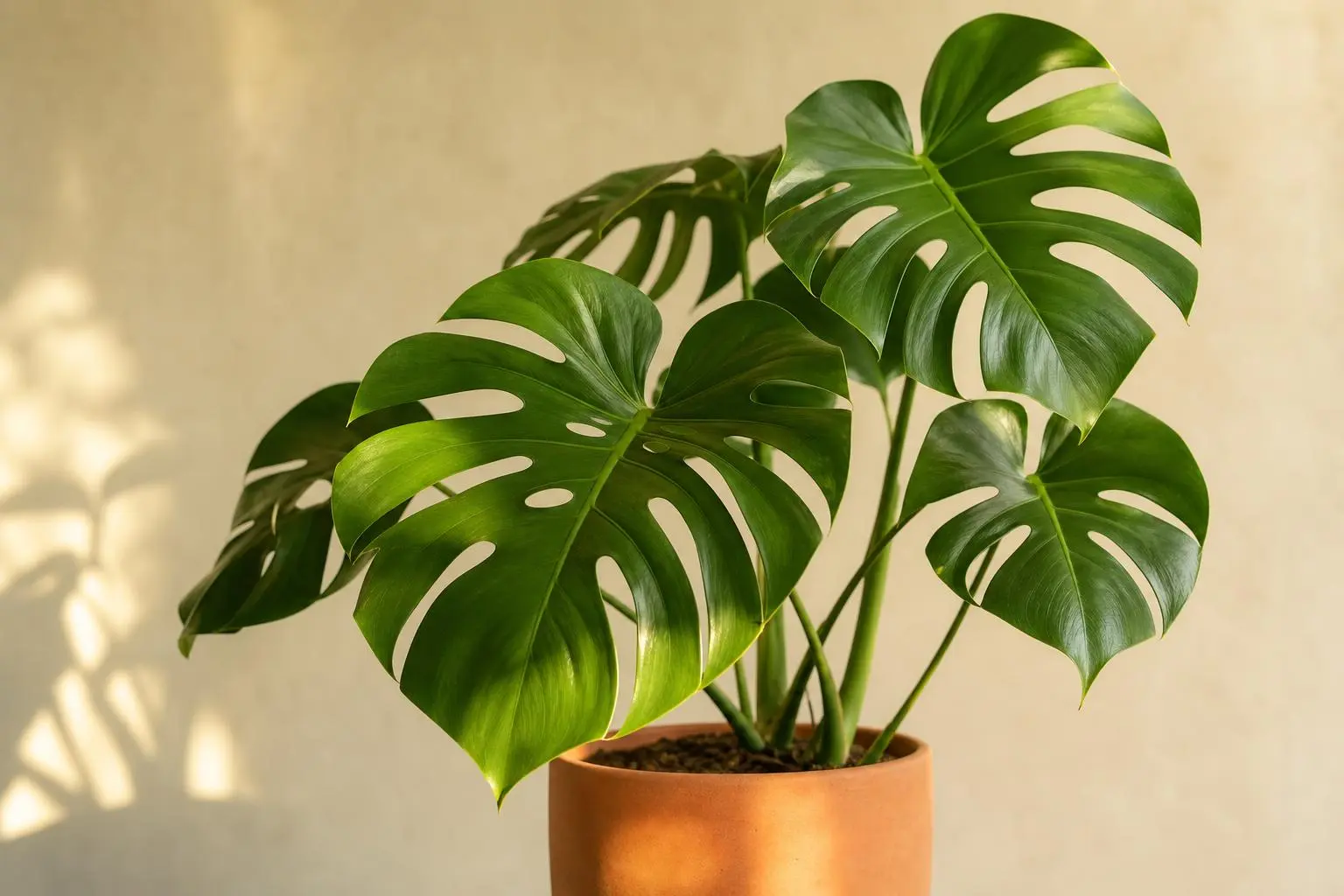
Monstera deliciosa
Beginner Bright indirect light When top 2 inches of soil are dry
Same plant, different personality. Explore the stunning variety within your favorite species — from rare variegated forms to compact cultivars perfect for small spaces.
6 varieties compared
Large split leaves with natural holes, up to 3 feet long on mature plants; thick leathery texture with deep green coloring
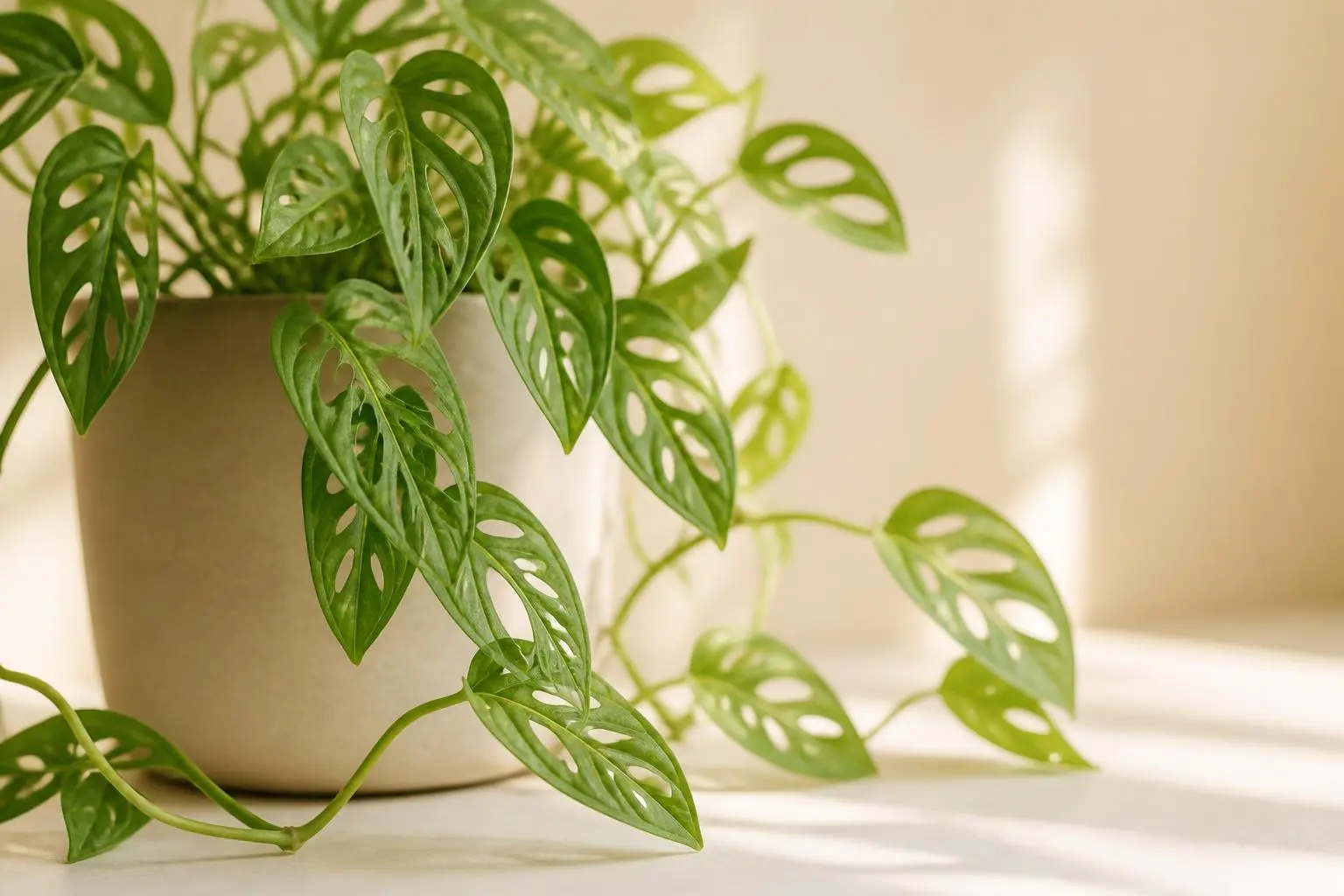
Narrow, elongated leaves with many oval perforations; vining/trailing growth habit; thinner, more delicate leaf texture than deliciosa
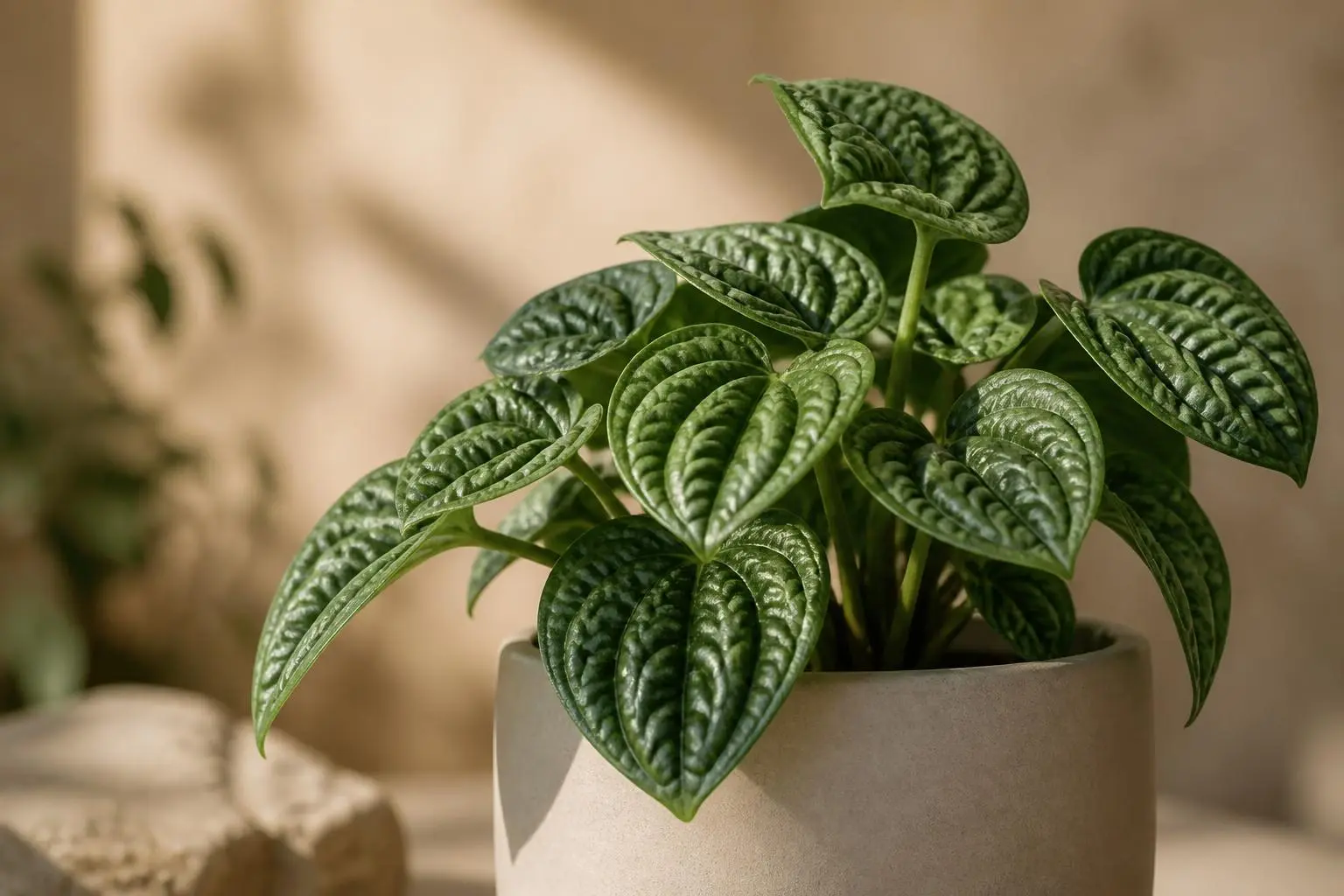
Thick, bullate (puckered/ridged) leaves with deep veining and no fenestrations; compact climbing habit with densely spaced leaves
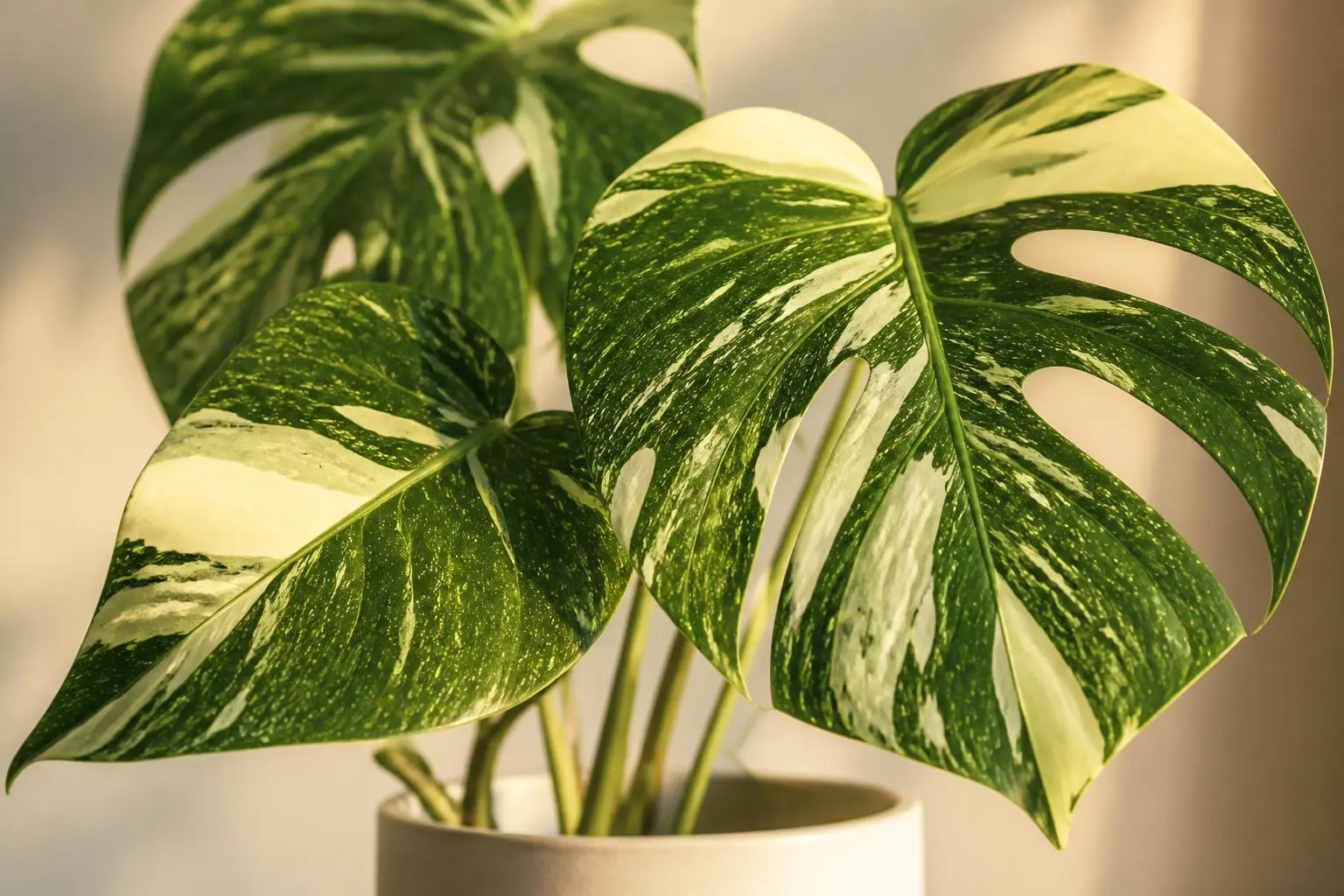
Stable creamy-yellow variegation on every leaf; no risk of reverting; larger leaves with irregular cream splotches and speckles
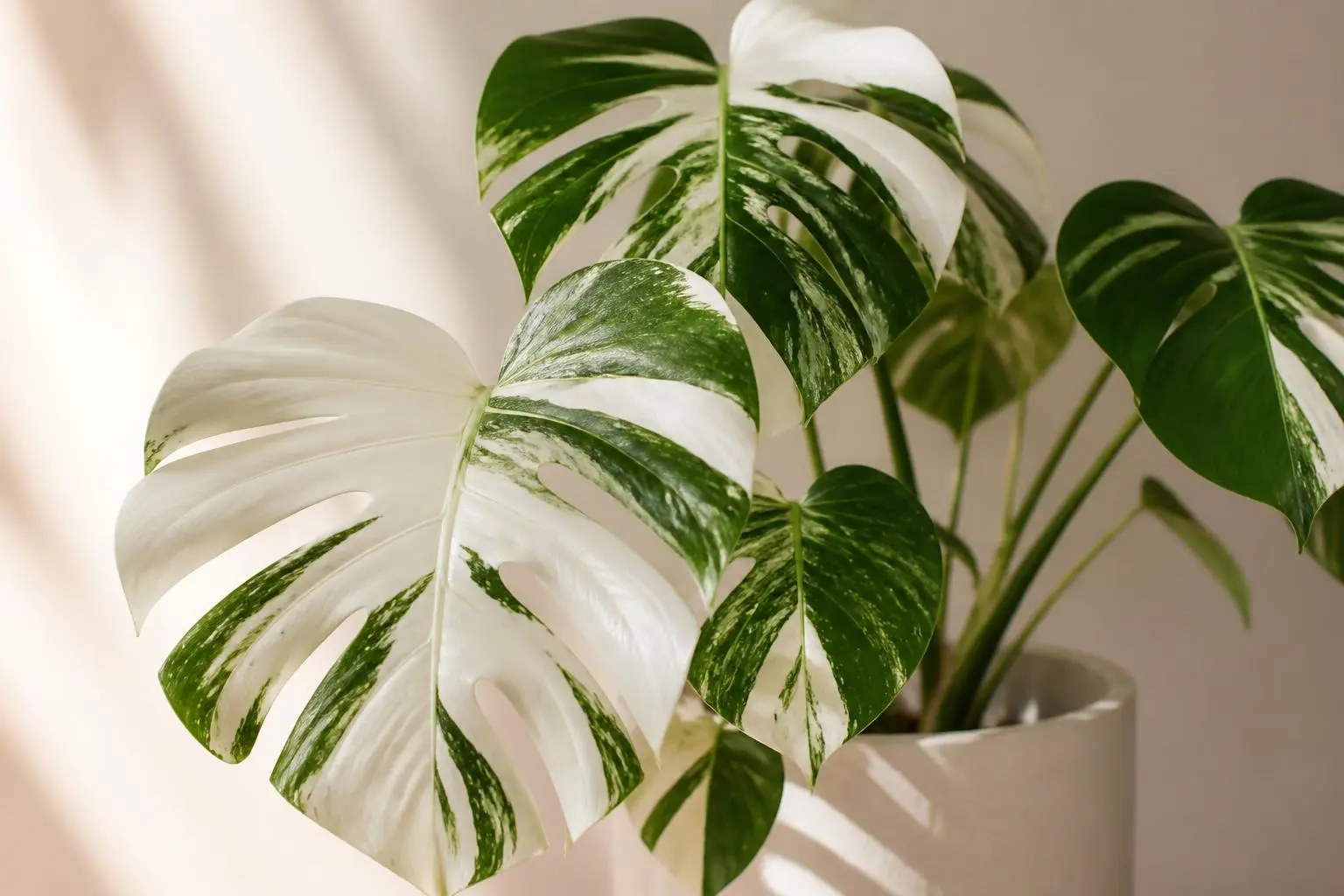
Unstable pure white variegation patches on deep green; smaller leaves than standard deliciosa; faster vining habit with longer internodes
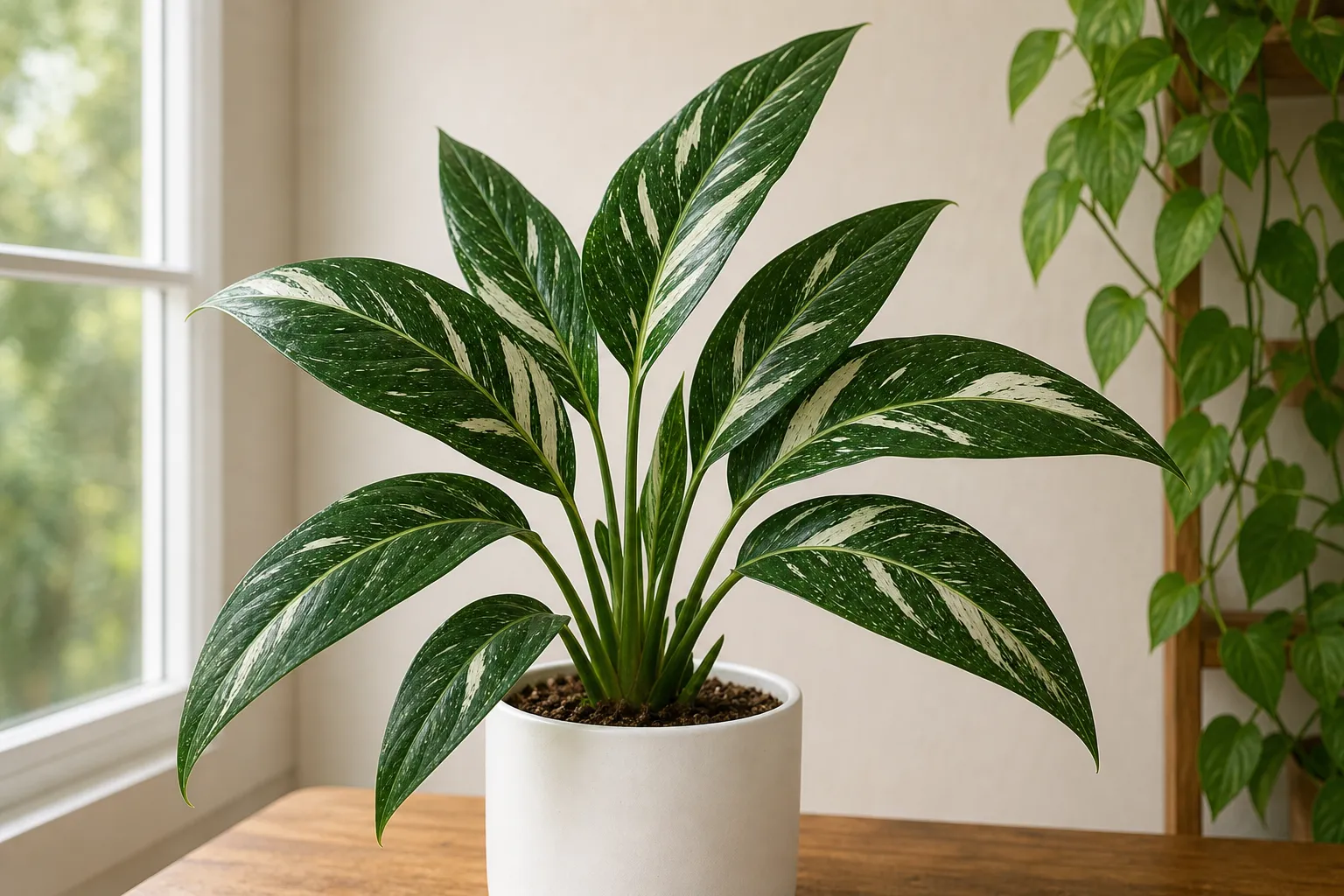
Narrow lance-shaped leaves with white or yellow speckles and streaks; no fenestrations; compact vining habit
4 varieties compared
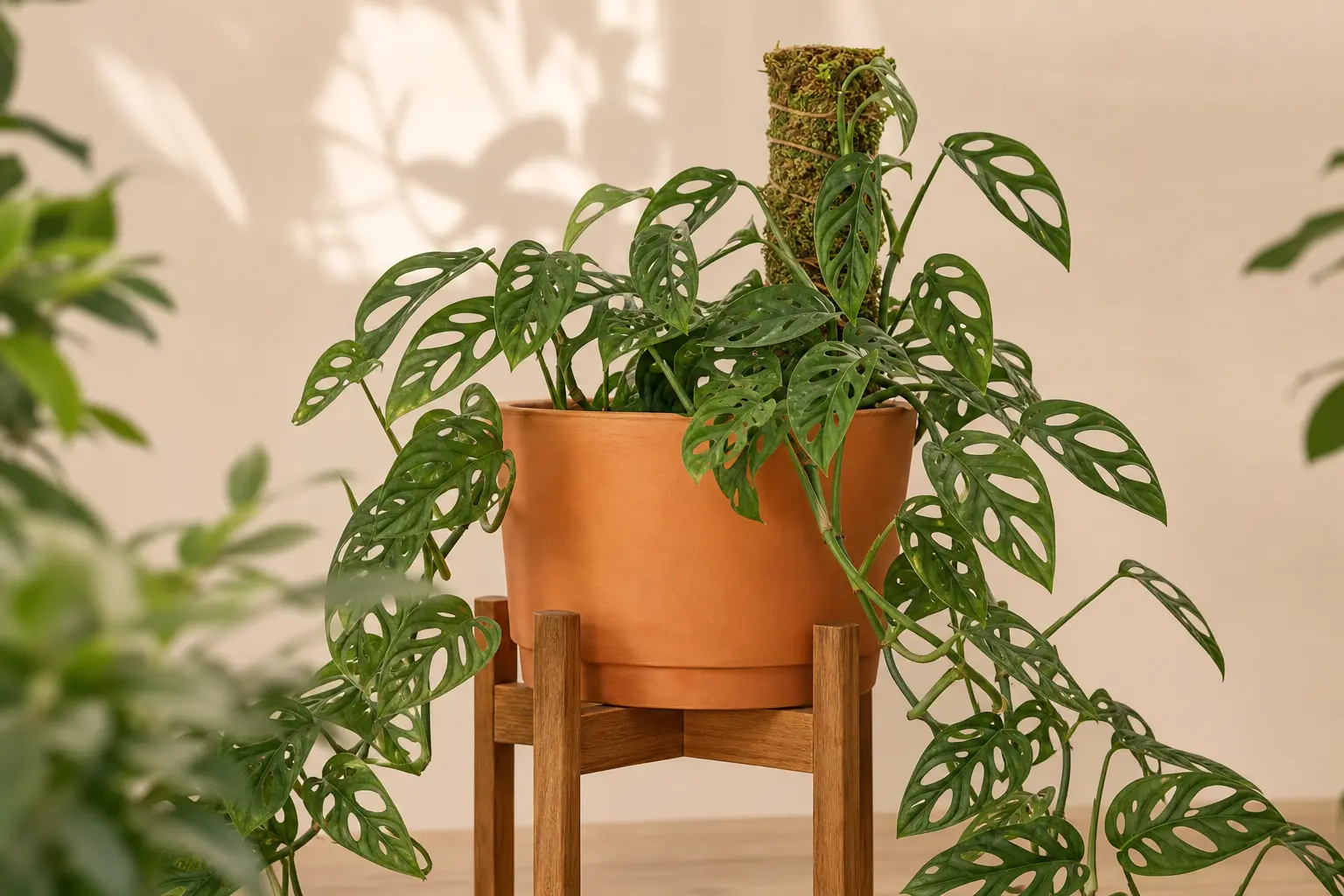
Narrow green leaves with neat rows of oval perforations; fast trailing or climbing vine
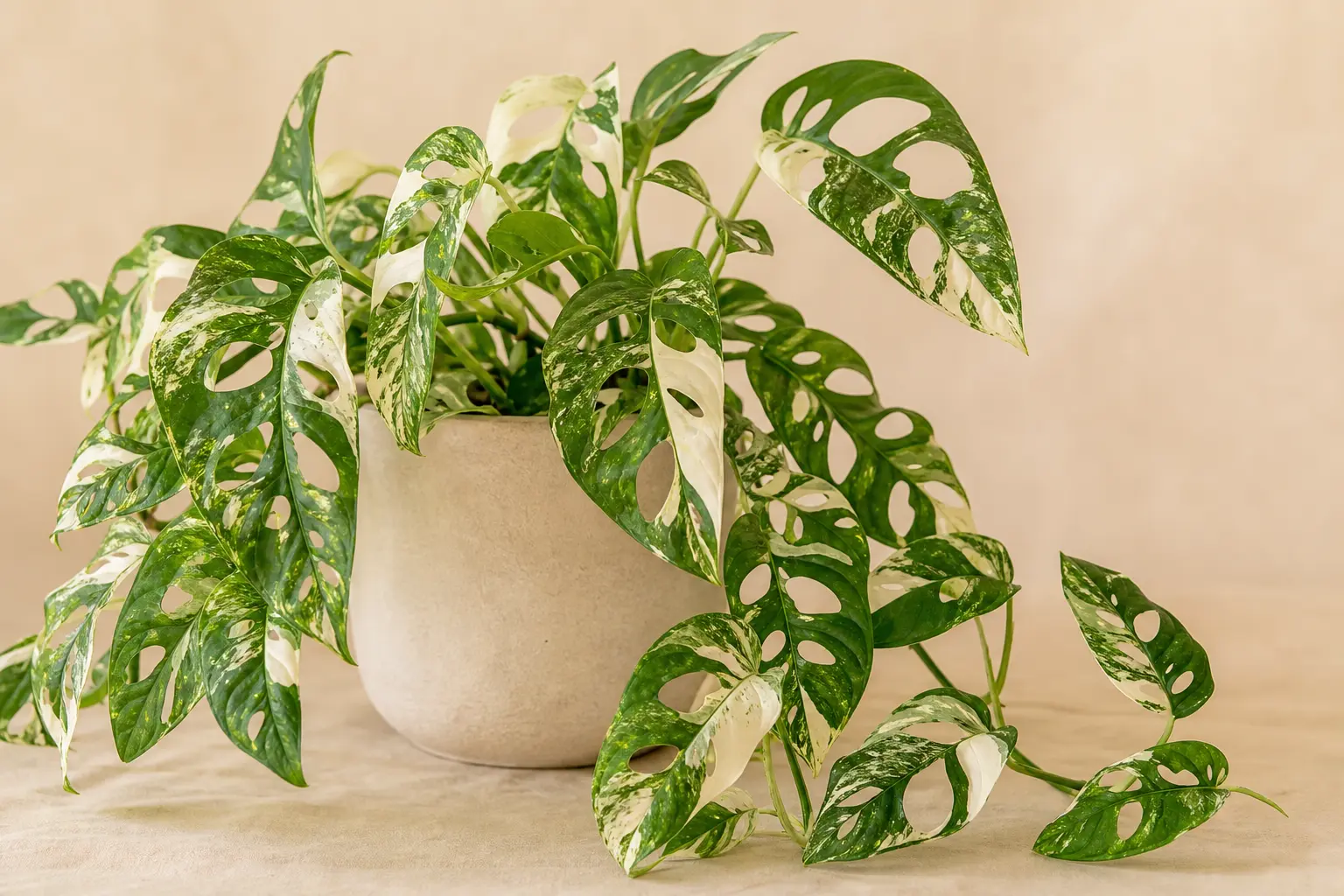
Large irregular cream-white sectors across green leaves; every leaf uniquely patterned
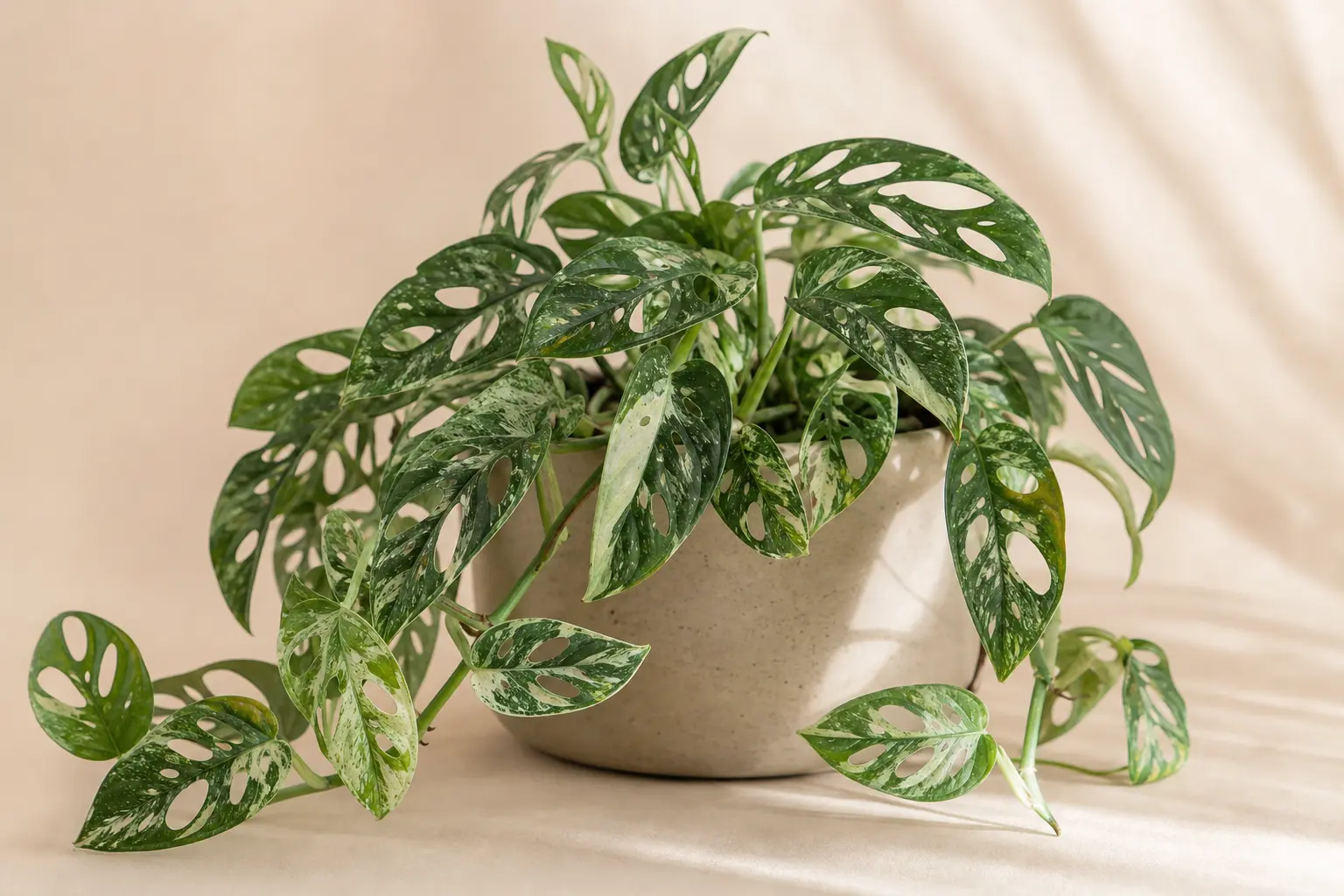
Mint-green speckled mottling on dark leaves; unstable chimeral variegation, no two leaves alike
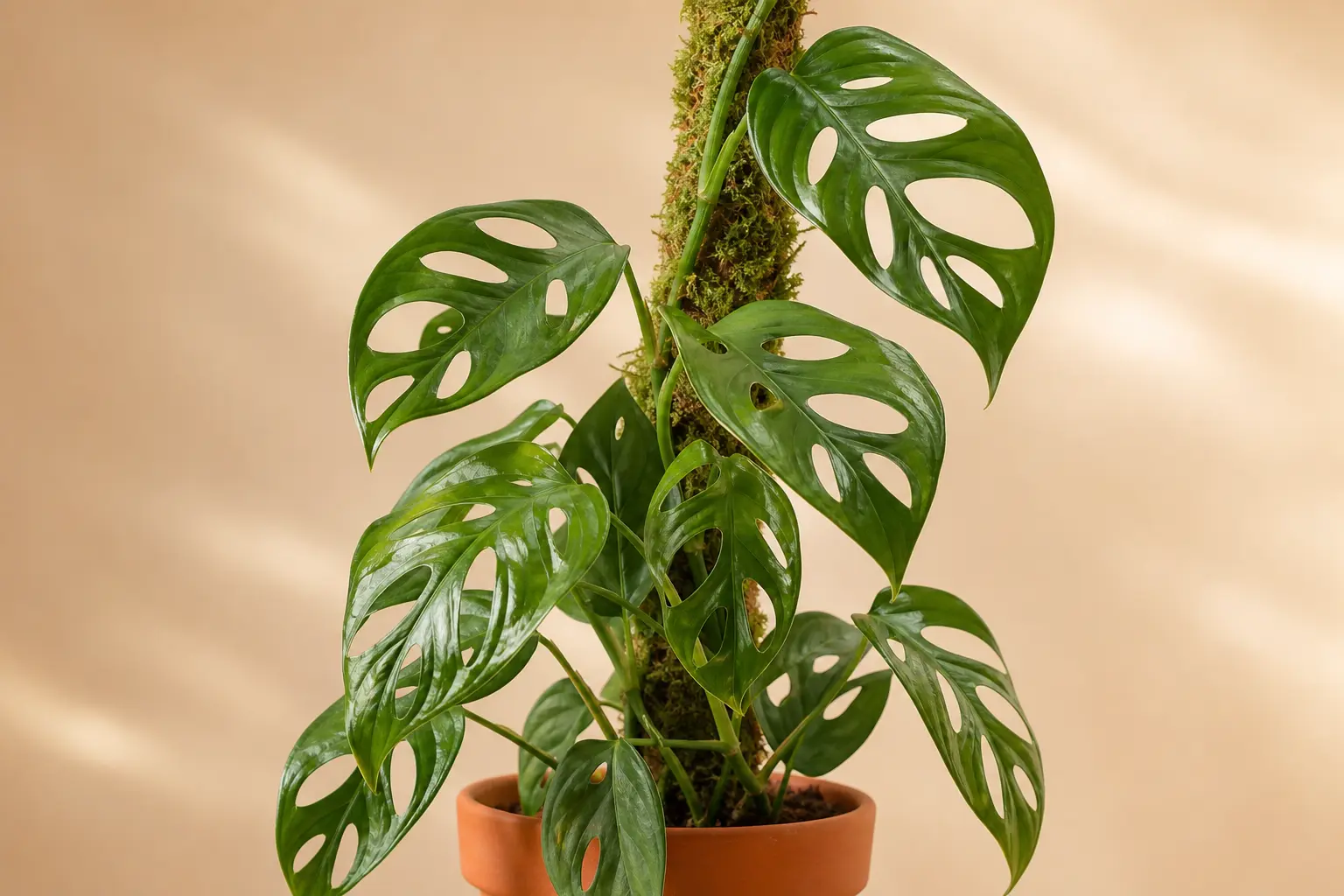
Glossier, broader leaves with large perforations developing earlier; more radiant sheen than standard adansonii
3 varieties compared
4 varieties compared
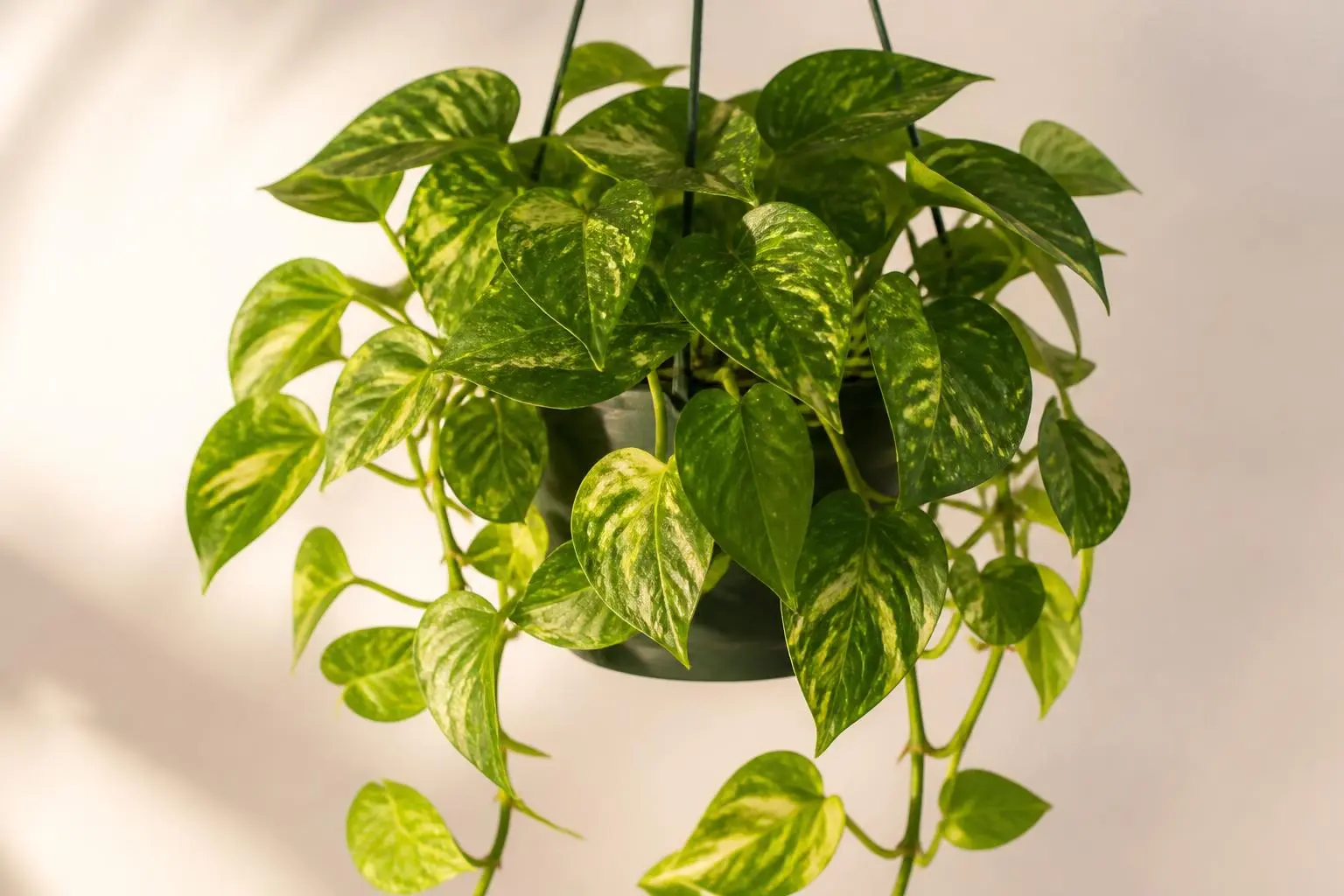
Irregular yellow-gold patches and streaks on green leaves; each leaf has a unique variegation pattern ranging from speckles to large bold patches
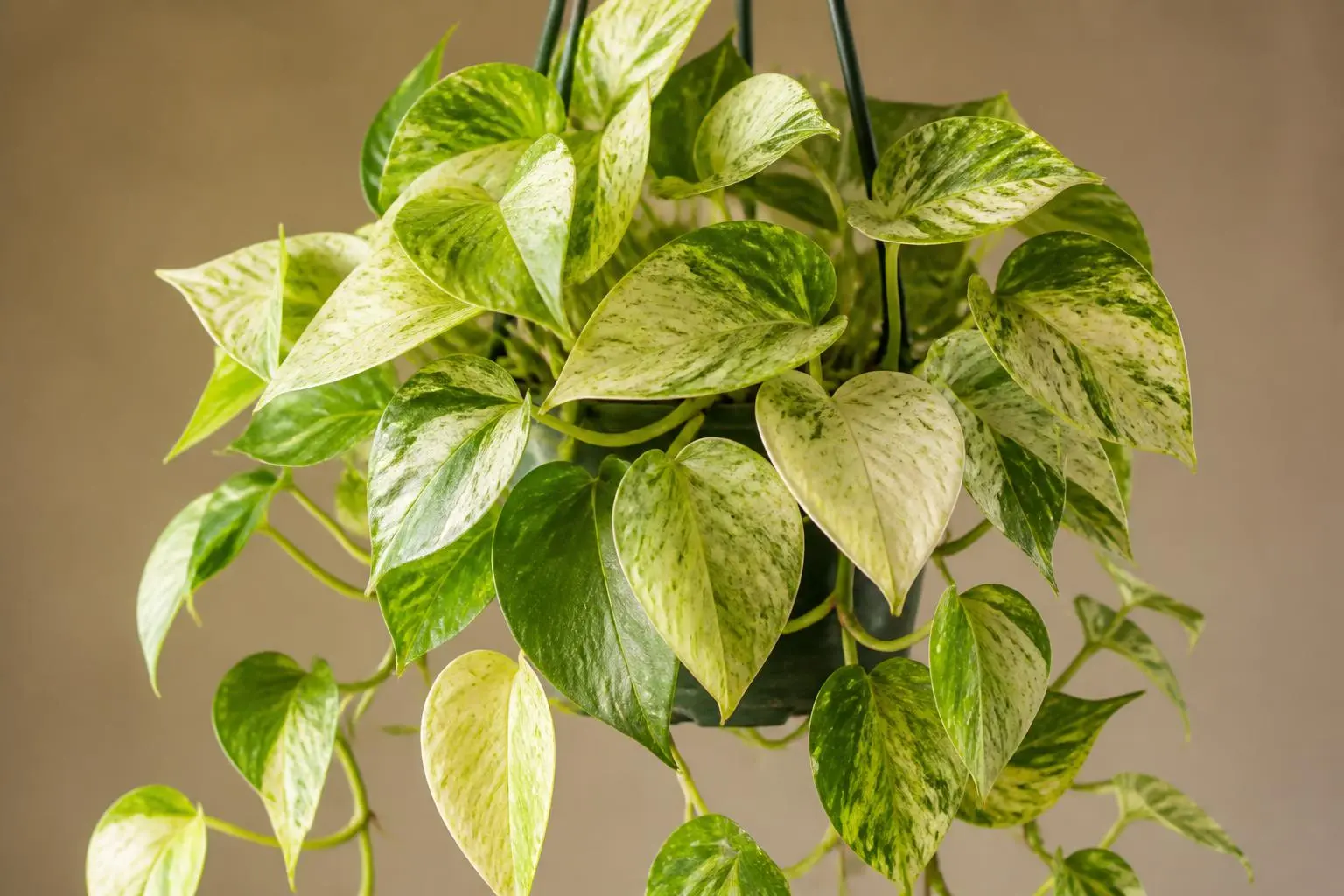
Creamy white and green marbled pattern covering most of the leaf surface; elegant hand-painted appearance with intricate swirls of cream and green
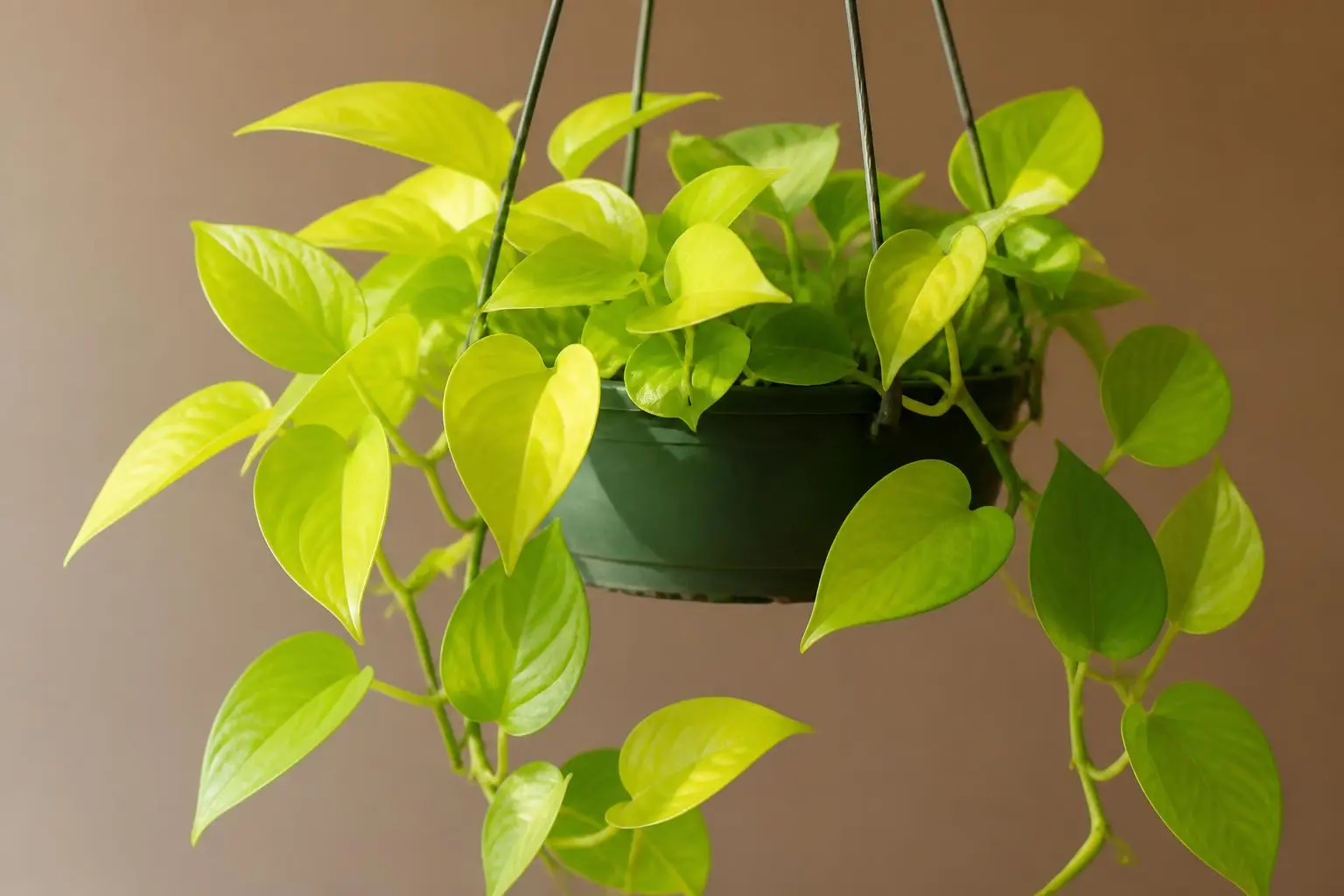
Solid bright lime-green leaves with no variegation; new leaves emerge electric yellow-green and mature to vivid chartreuse-lime
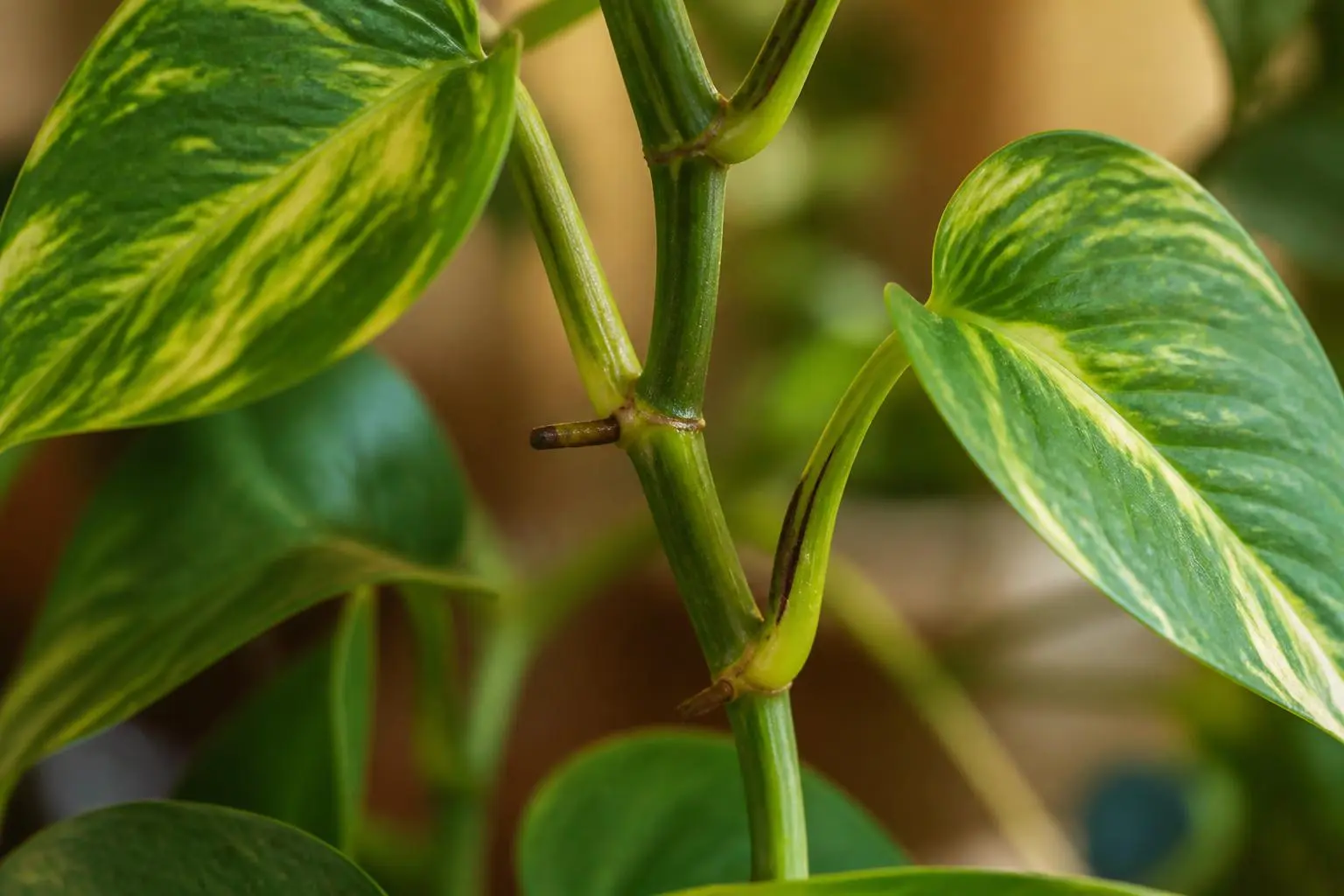
Smaller leaves with silvery-white and green variegation; patches of white concentrated near leaf edges creating a gradient effect; more refined and delicate appearance than Marble Queen
3 varieties compared
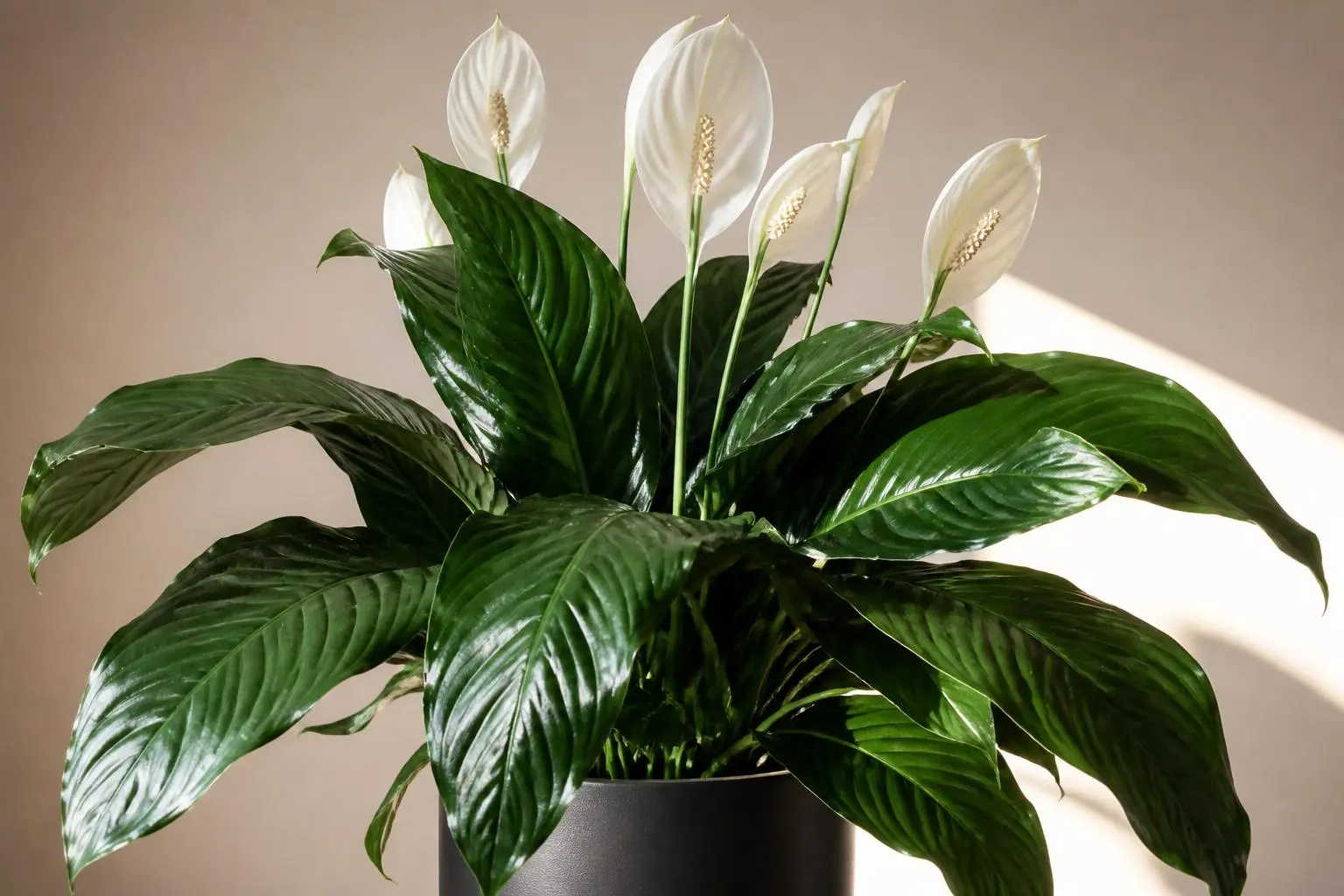
Massive dark green leaves up to 18 inches long; can reach 4–6 feet tall at maturity
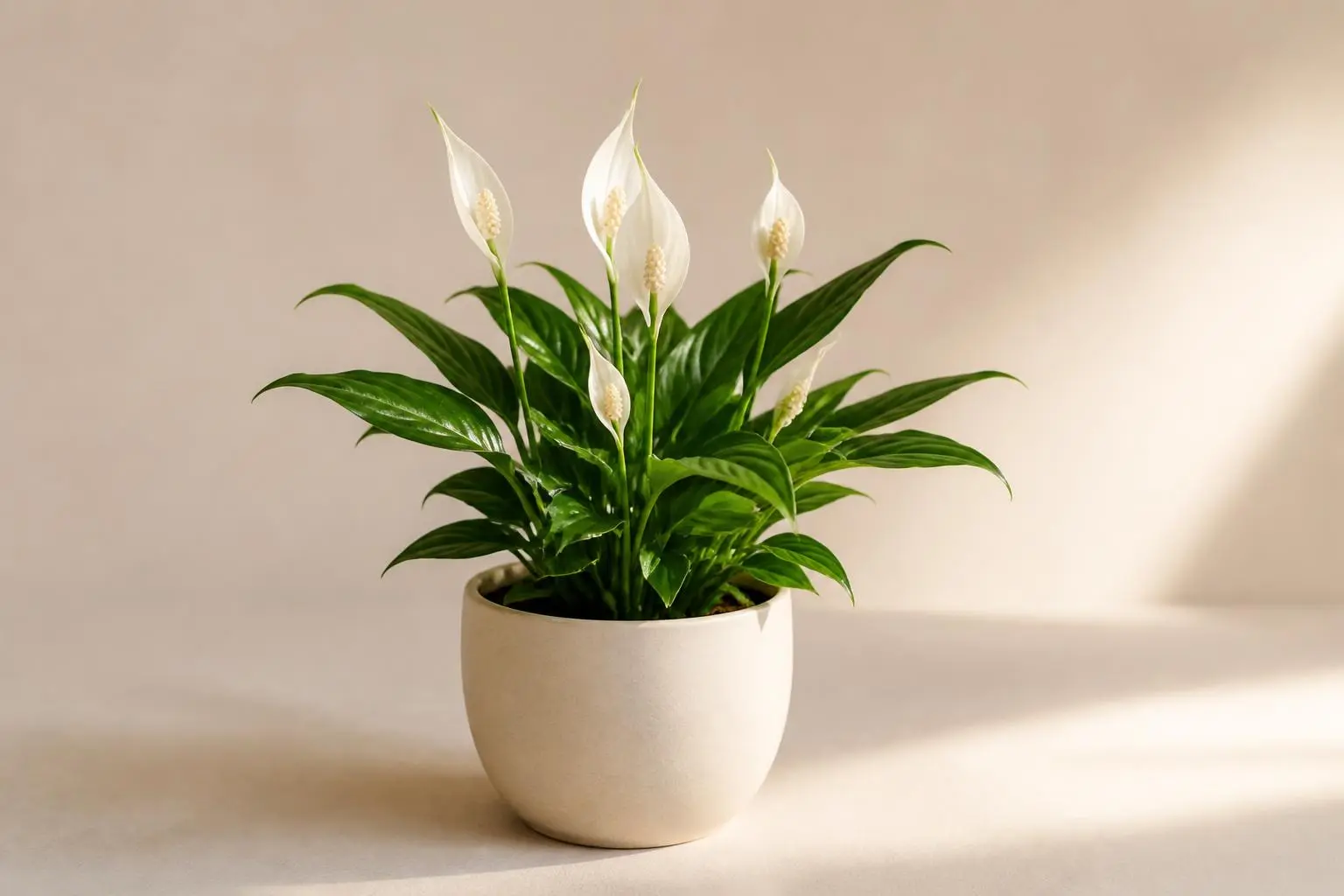
Compact growth under 12 inches; small but proportional leaves and flowers
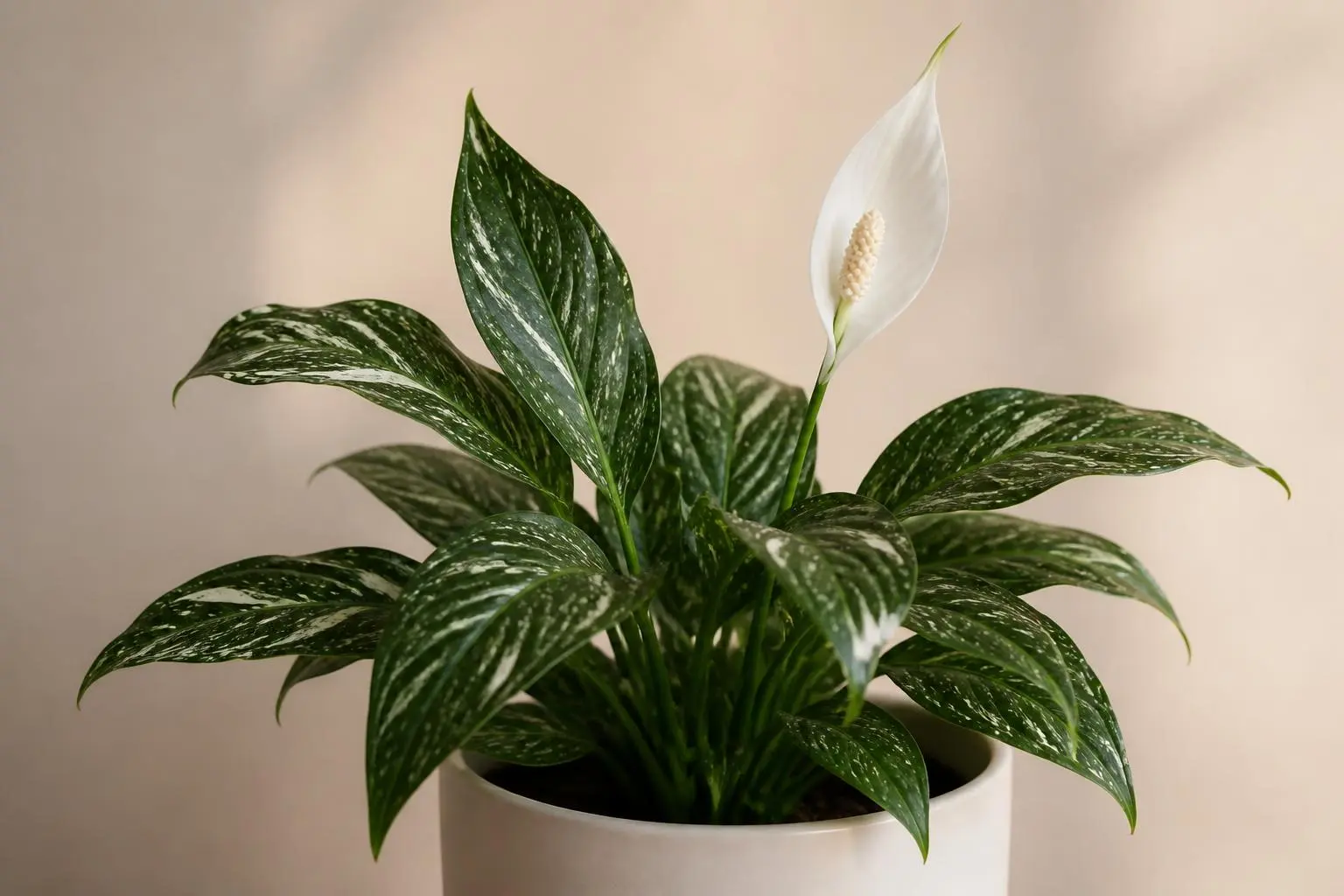
Variegated white and cream streaks across dark green foliage; each leaf has a unique pattern
3 varieties compared
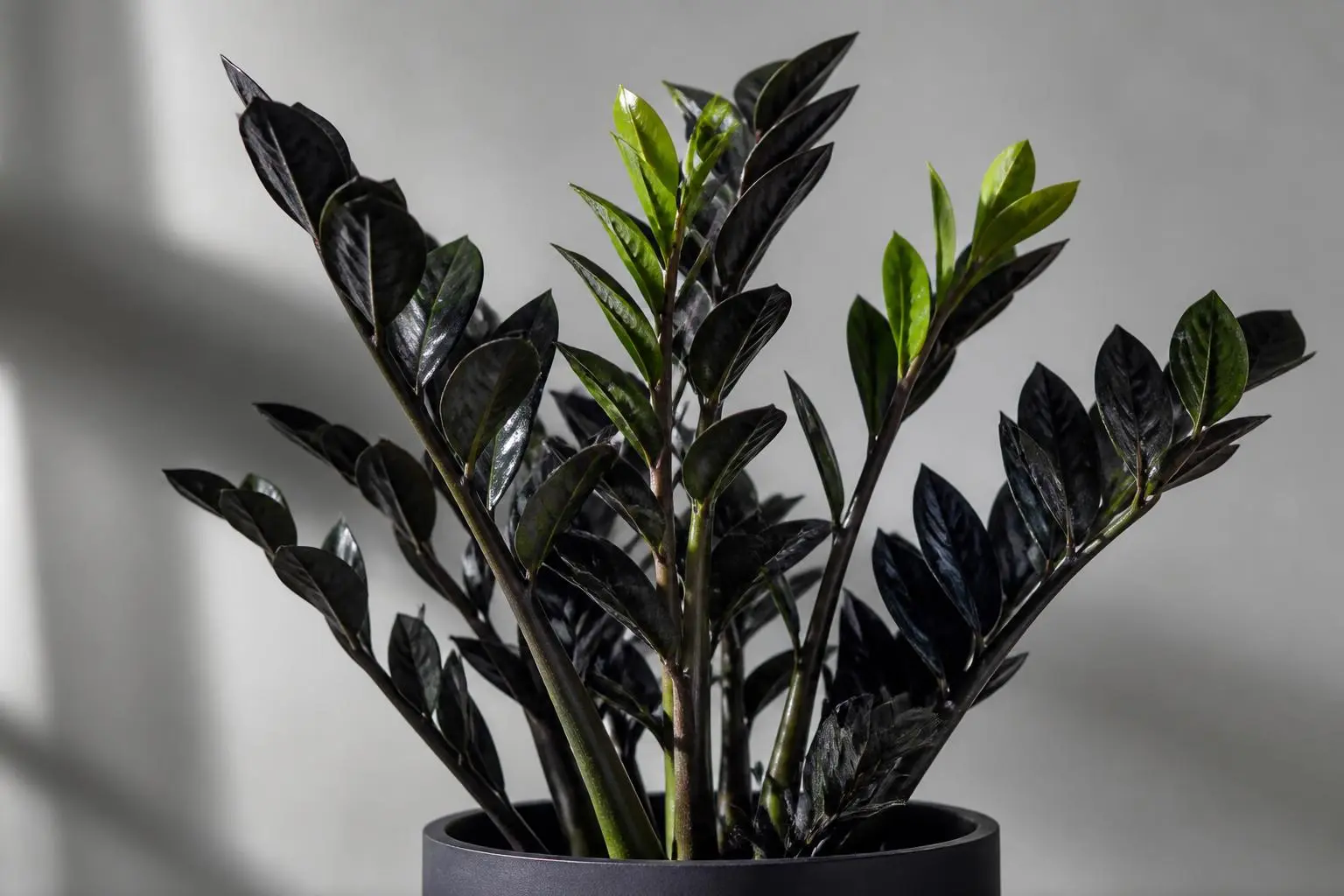
Dark, nearly black leaves that provide dramatic contrast in any plant collection
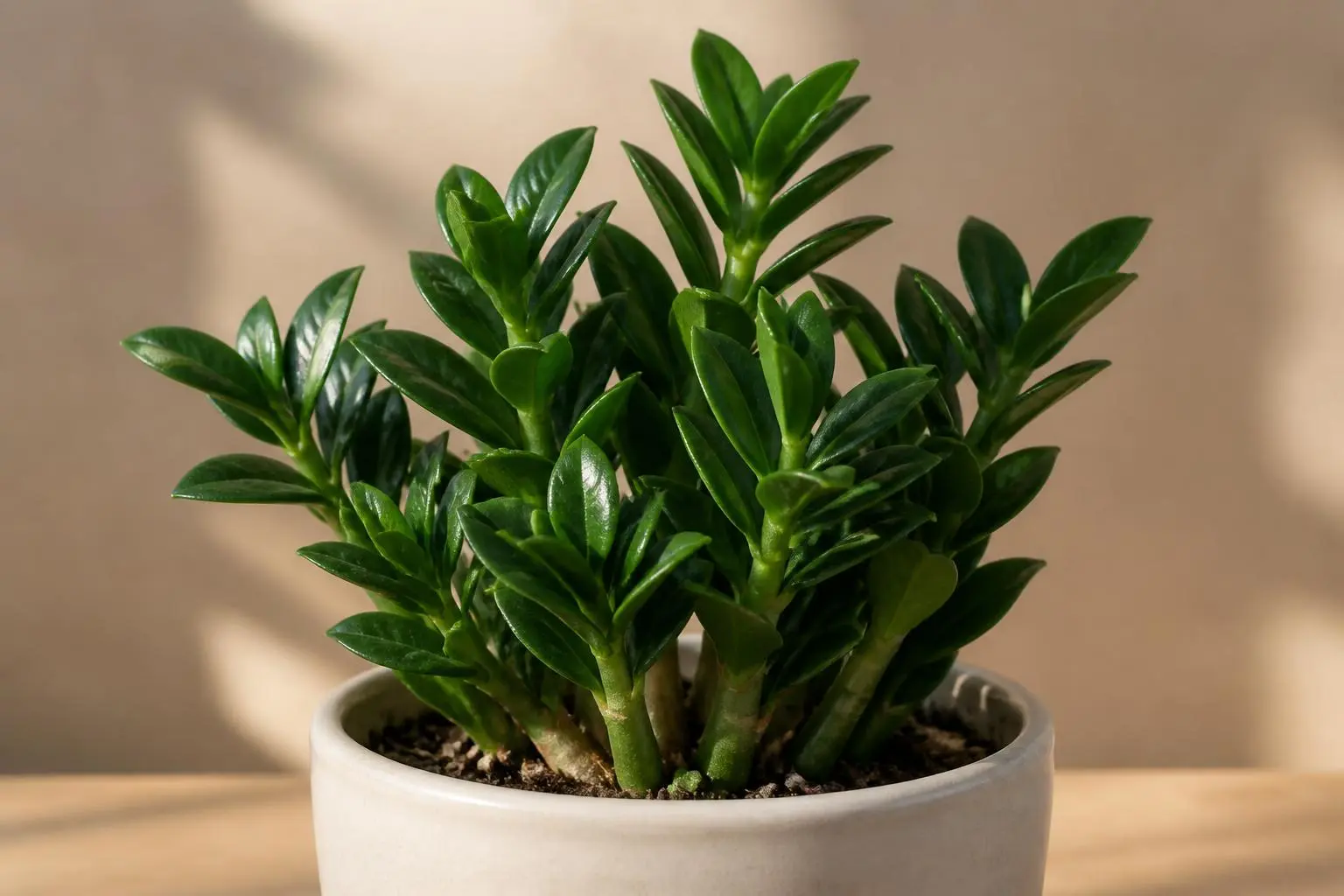
Compact, bushy habit with shorter, tightly spaced leaves; rarely exceeds 18 inches tall
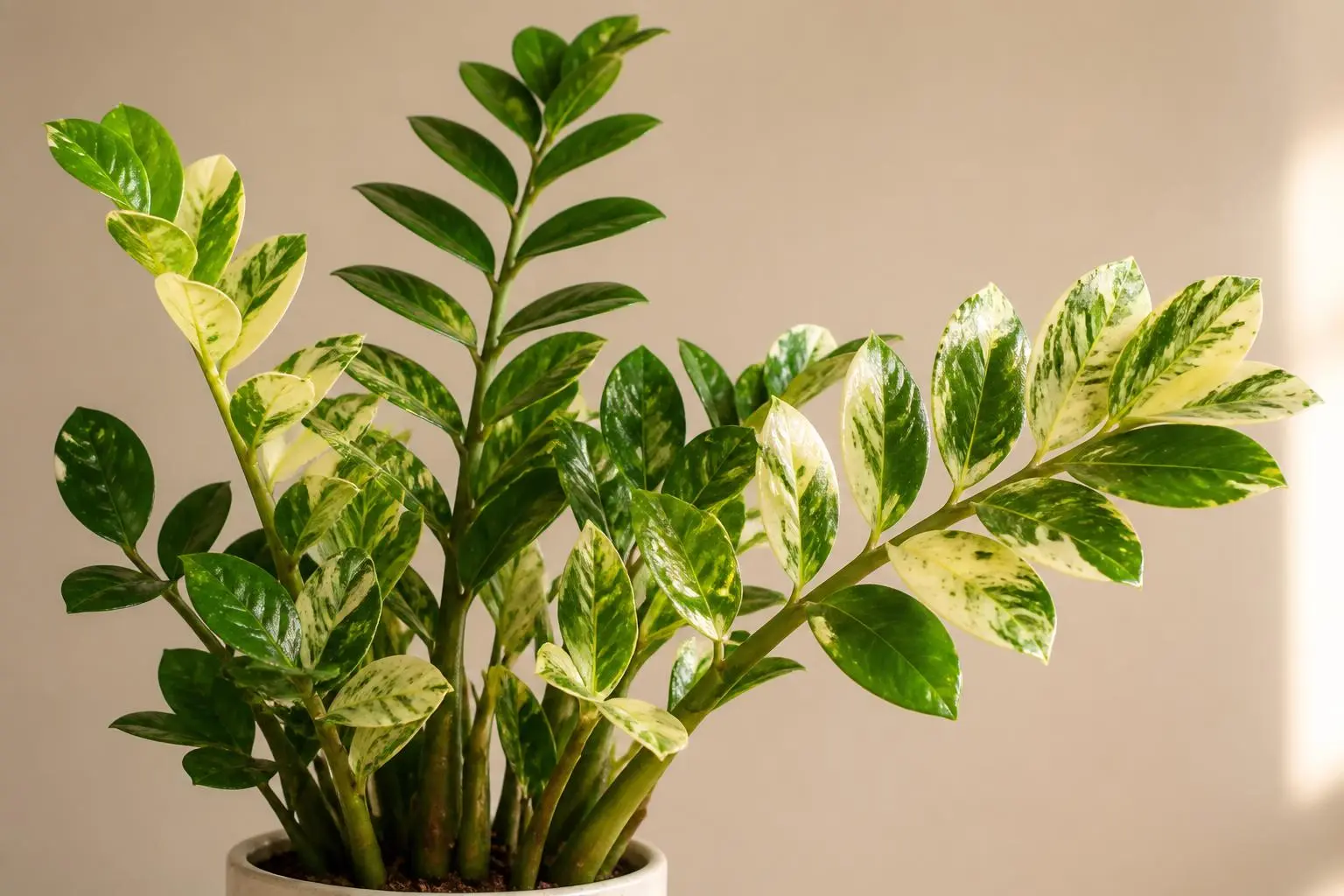
White and green variegated leaves with unpredictable patterning; no two leaves are exactly alike
4 varieties compared
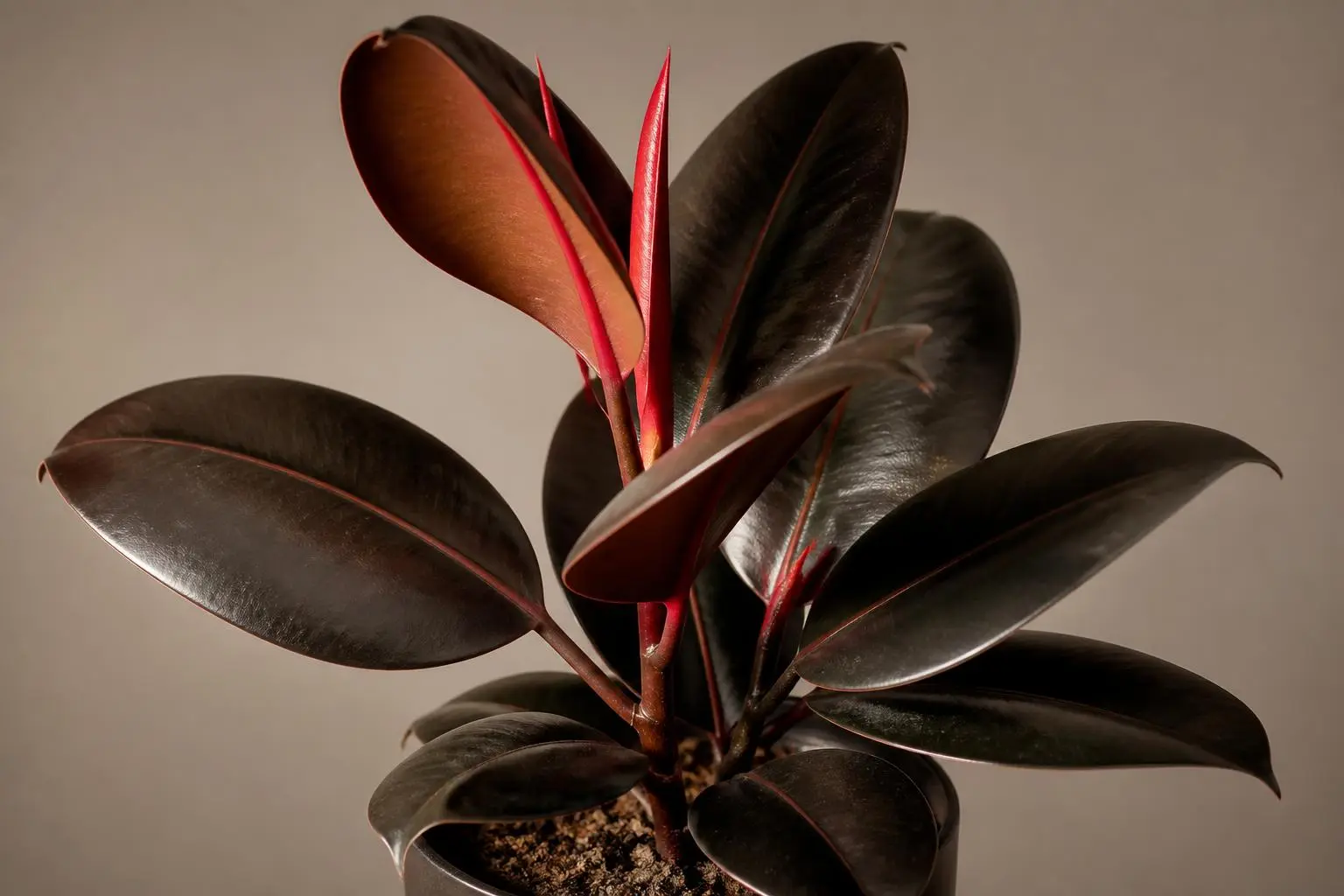
Deep dark red-black leaves with a glossy sheen; the darkest of all rubber plant varieties
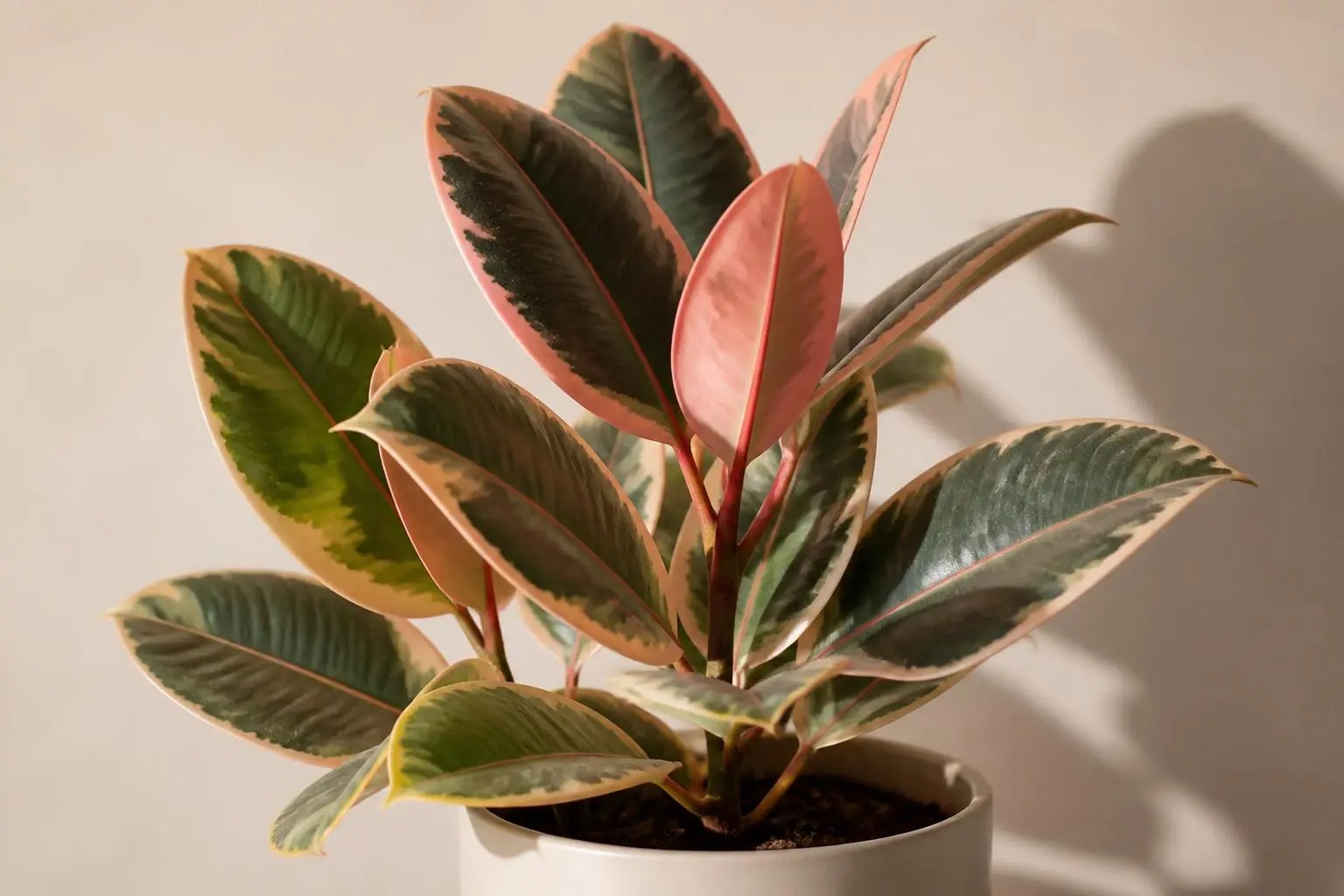
Variegated green, cream, and pink leaves with painterly splotches and margins
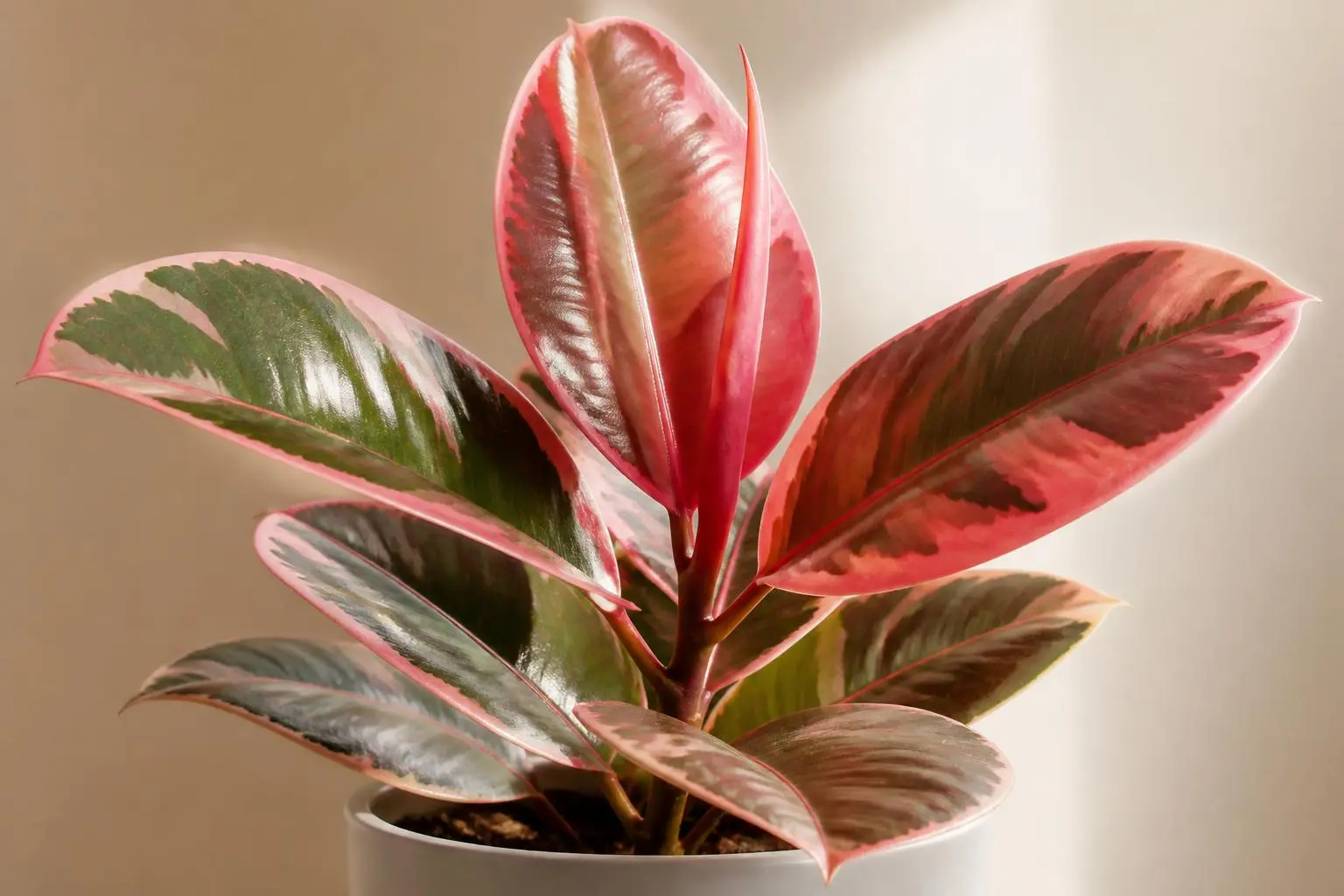
Pink and burgundy variegated leaves with vivid pink new growth
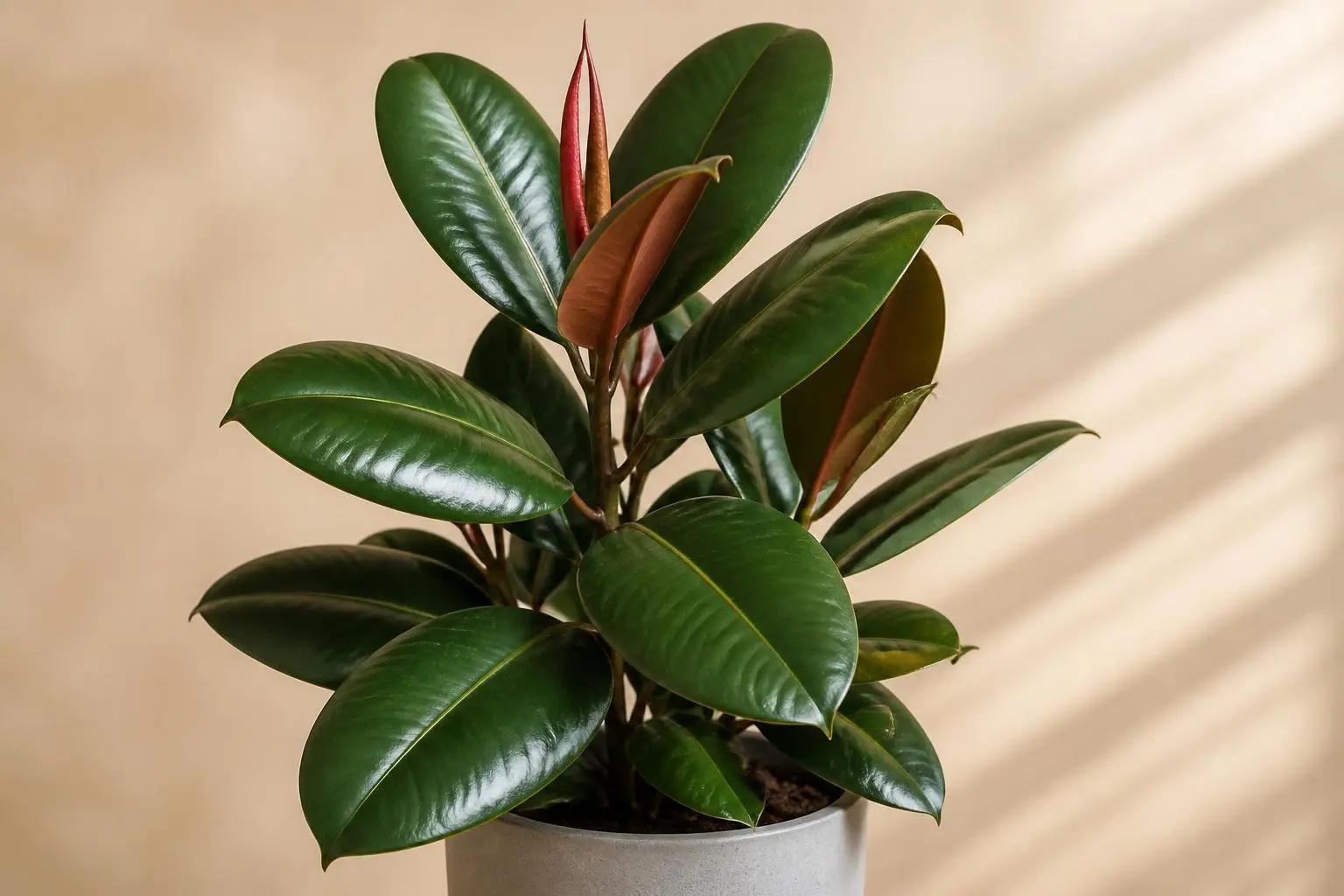
Classic dark green glossy leaves with prominent central vein; the traditional rubber plant look
3 varieties compared
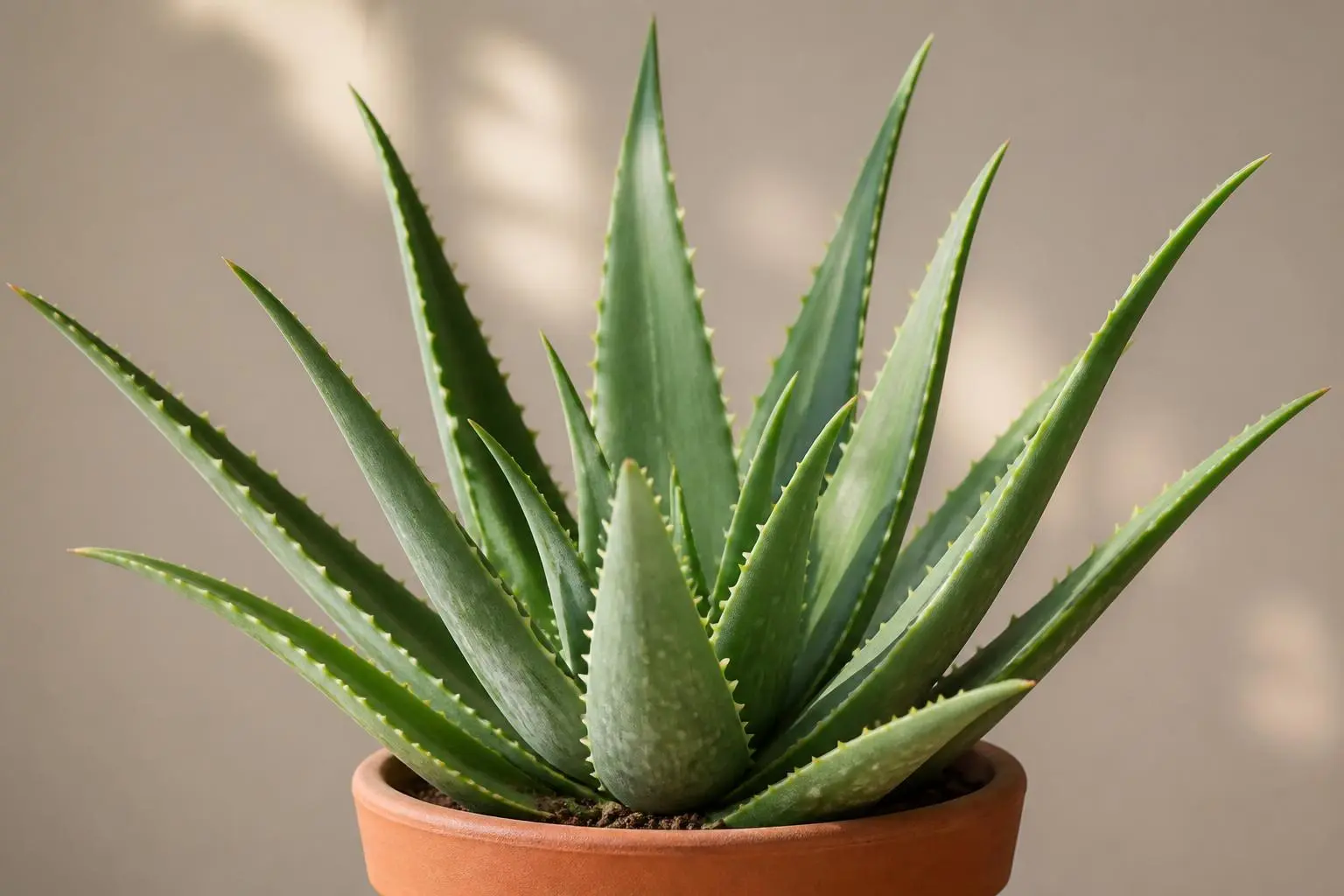
Thick, broad green leaves with occasional white spots; large rosette form up to 2 feet across
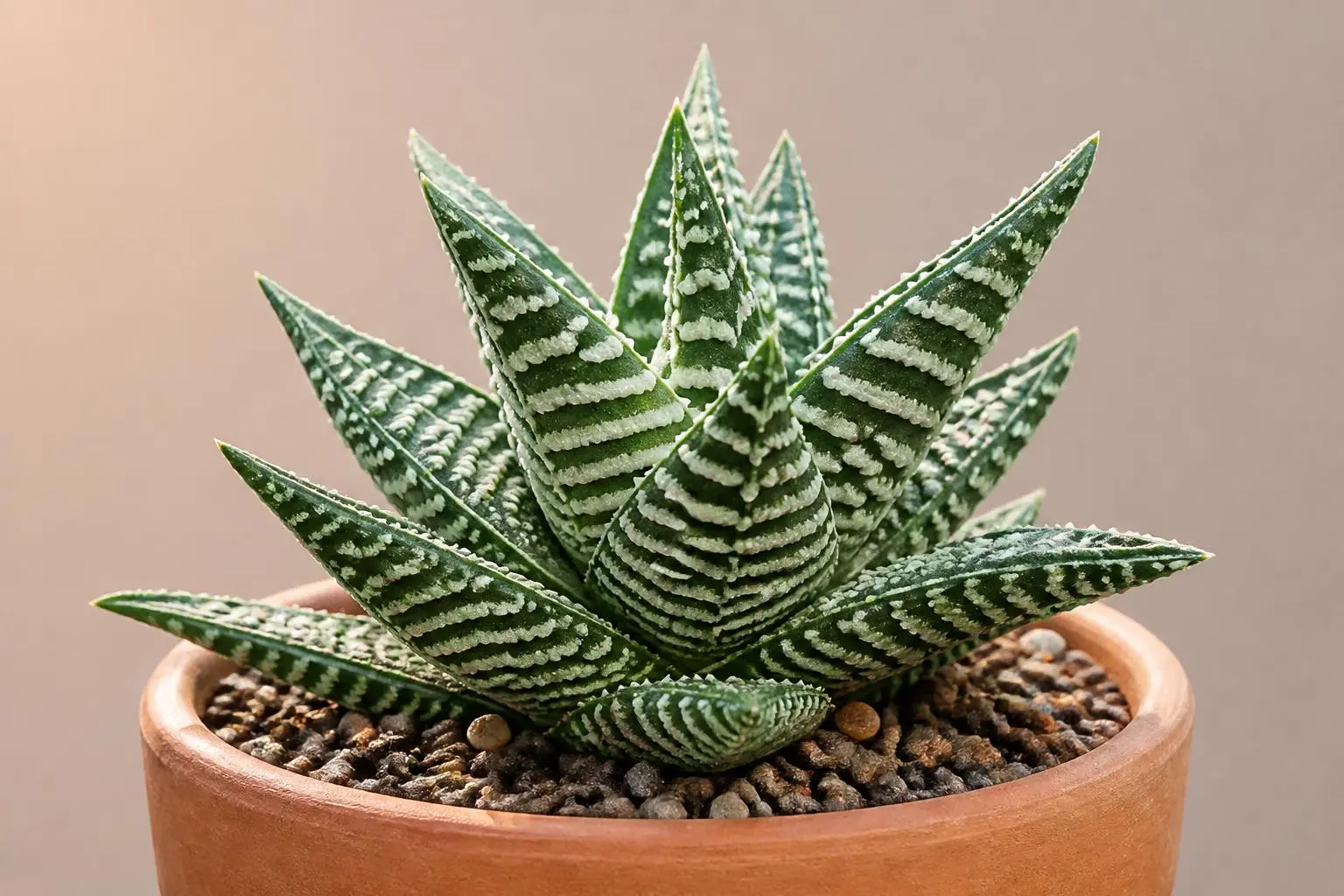
Short, triangular leaves with bold white horizontal stripes and smooth edges; stays under 8 inches tall
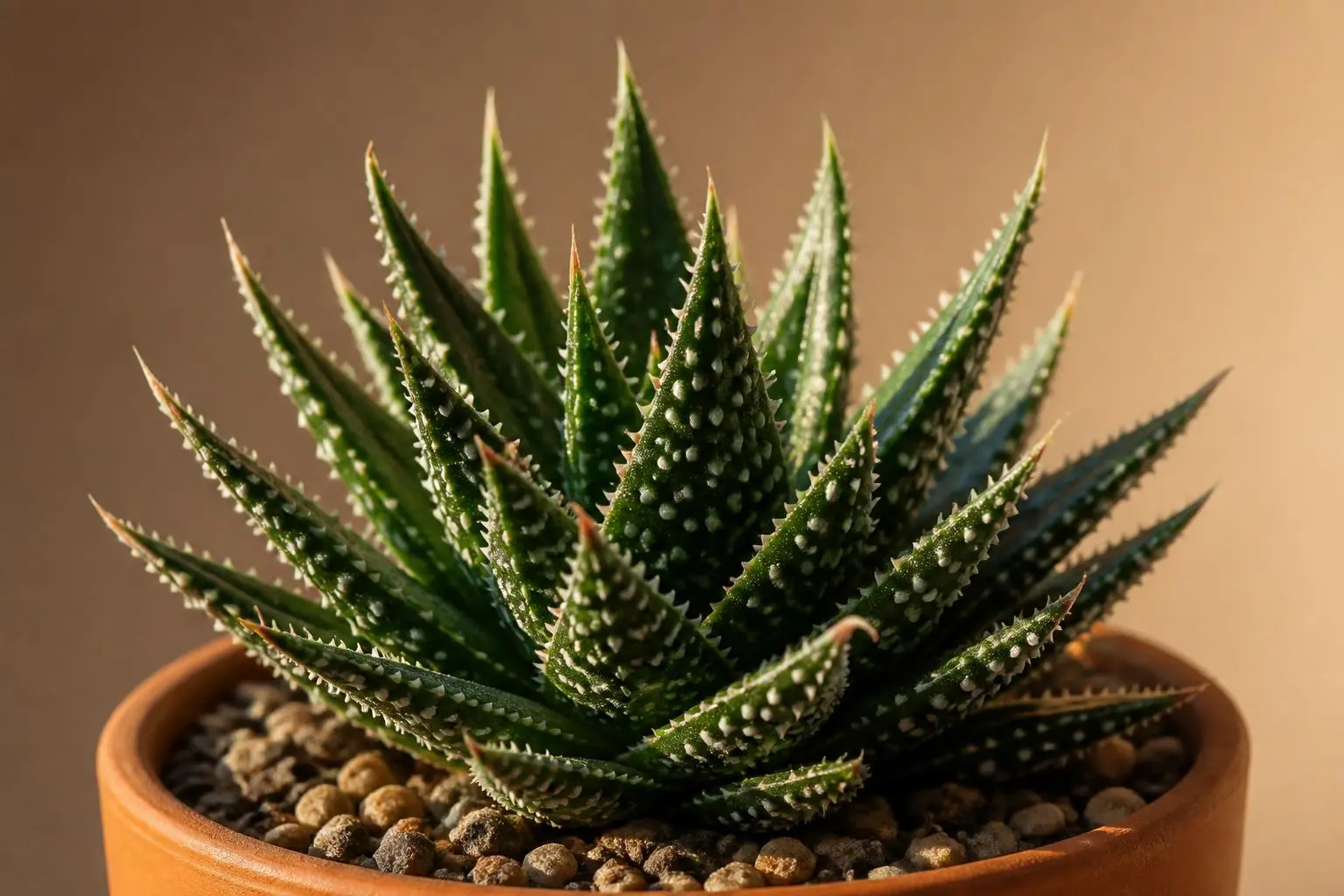
Small rosette with lance-shaped leaves covered in white tubercles and soft white marginal teeth; cold-hardy to 20°F
3 varieties compared
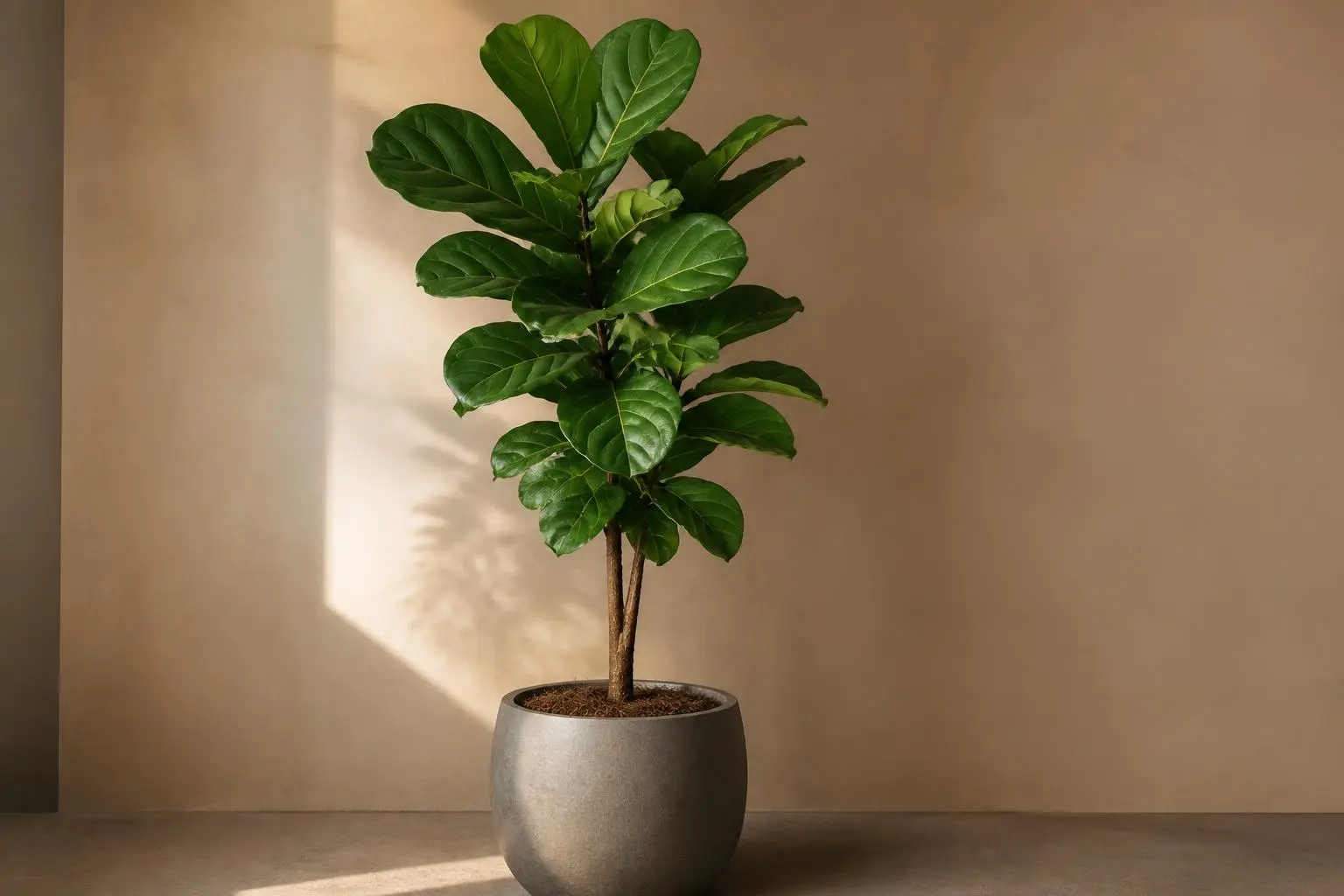
Large fiddle-shaped leaves up to 18 inches long on a tall, upright trunk
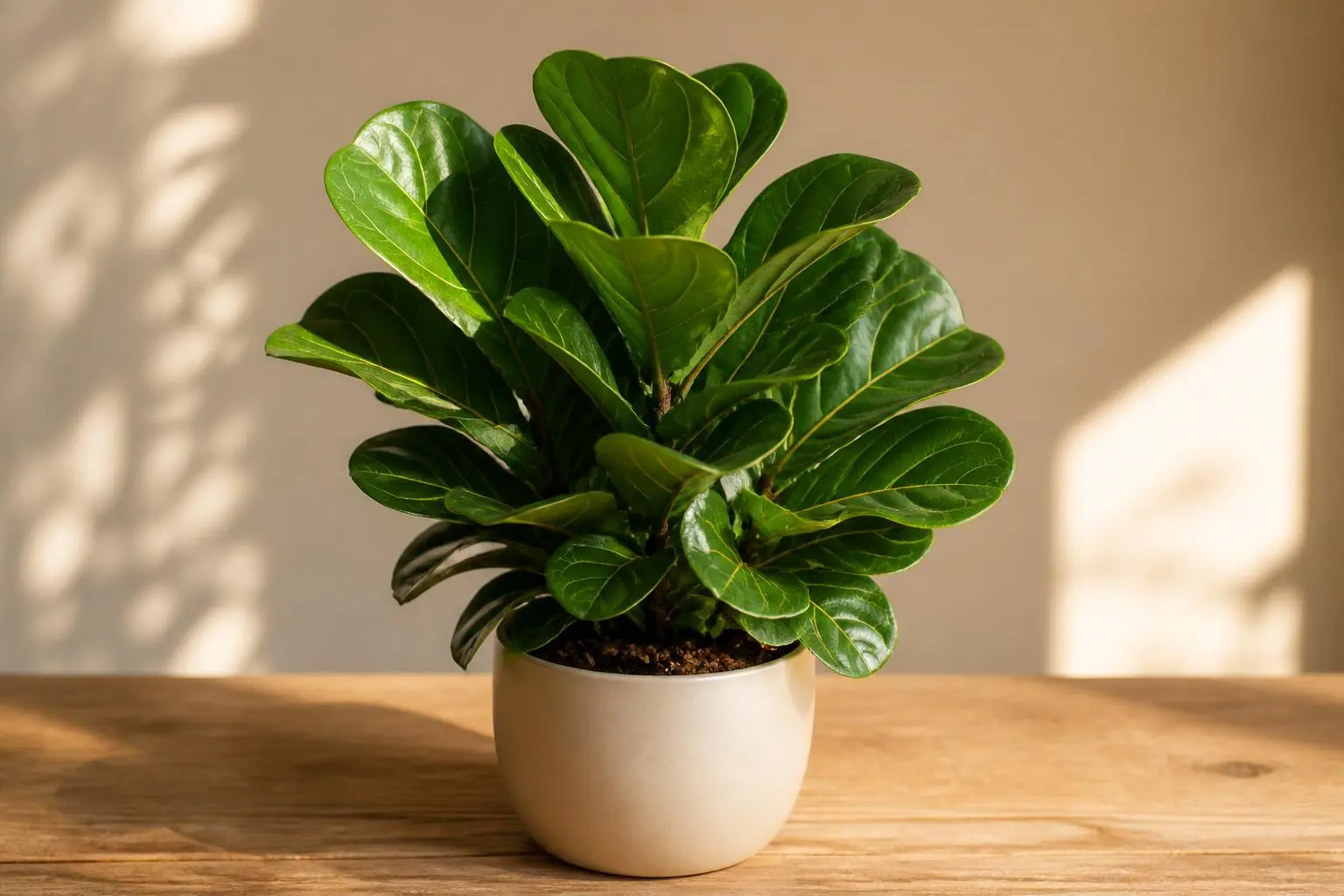
Compact, bushy growth habit; smaller leaves clustered densely on short stems; rarely exceeds 3 feet
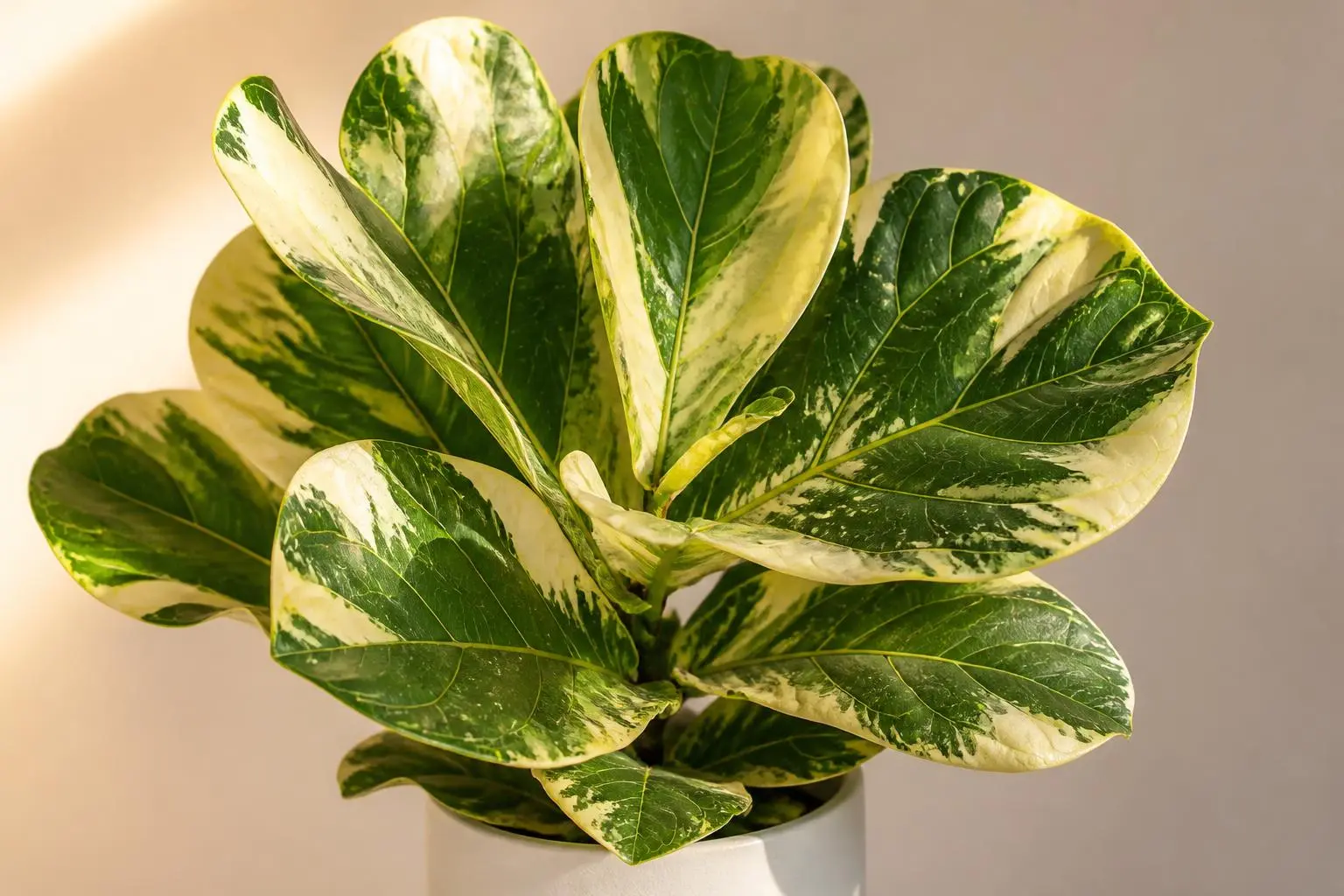
Creamy white and green variegated leaves; each leaf pattern is unique
4 varieties compared
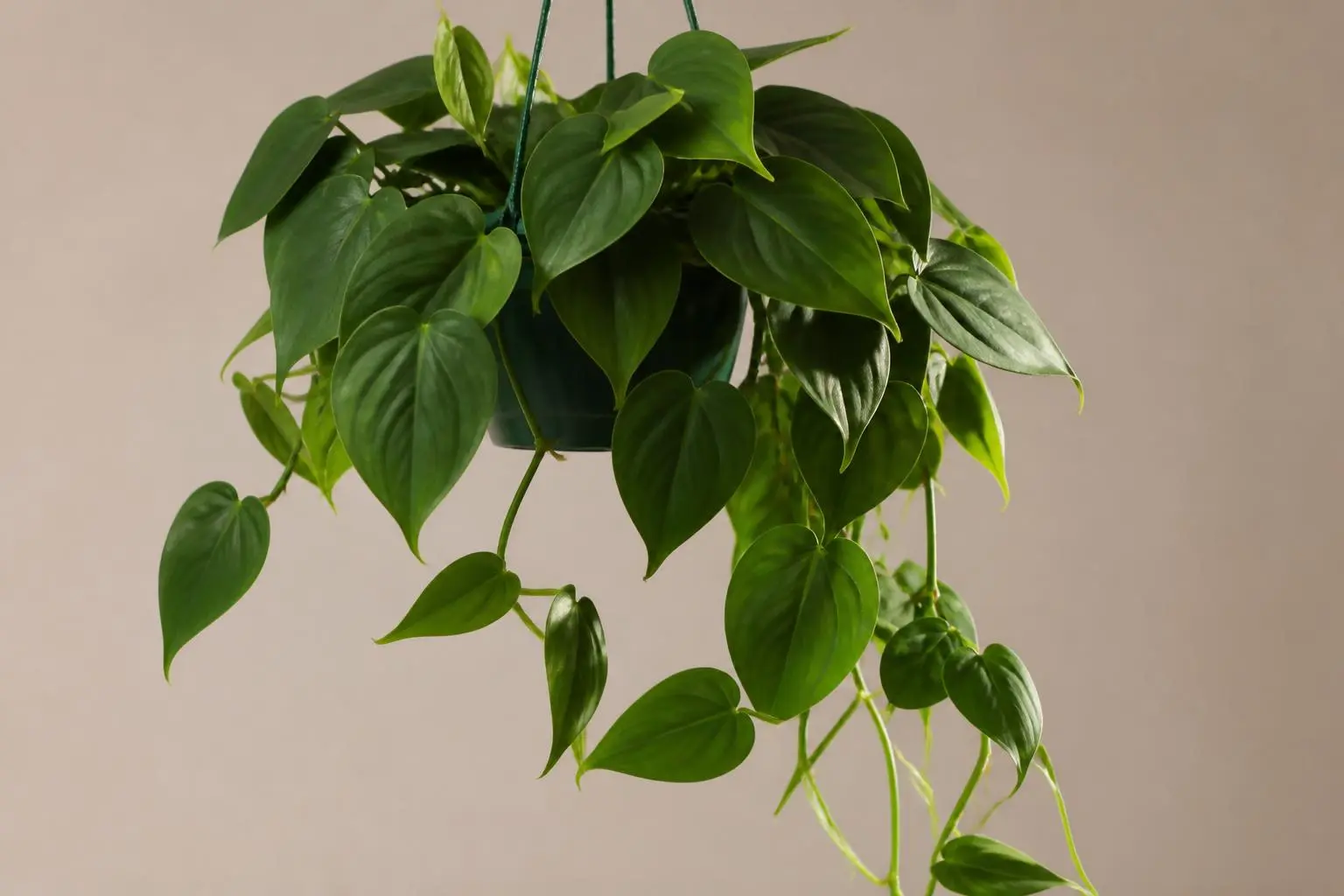
Glossy, uniformly green heart-shaped leaves on long trailing vines
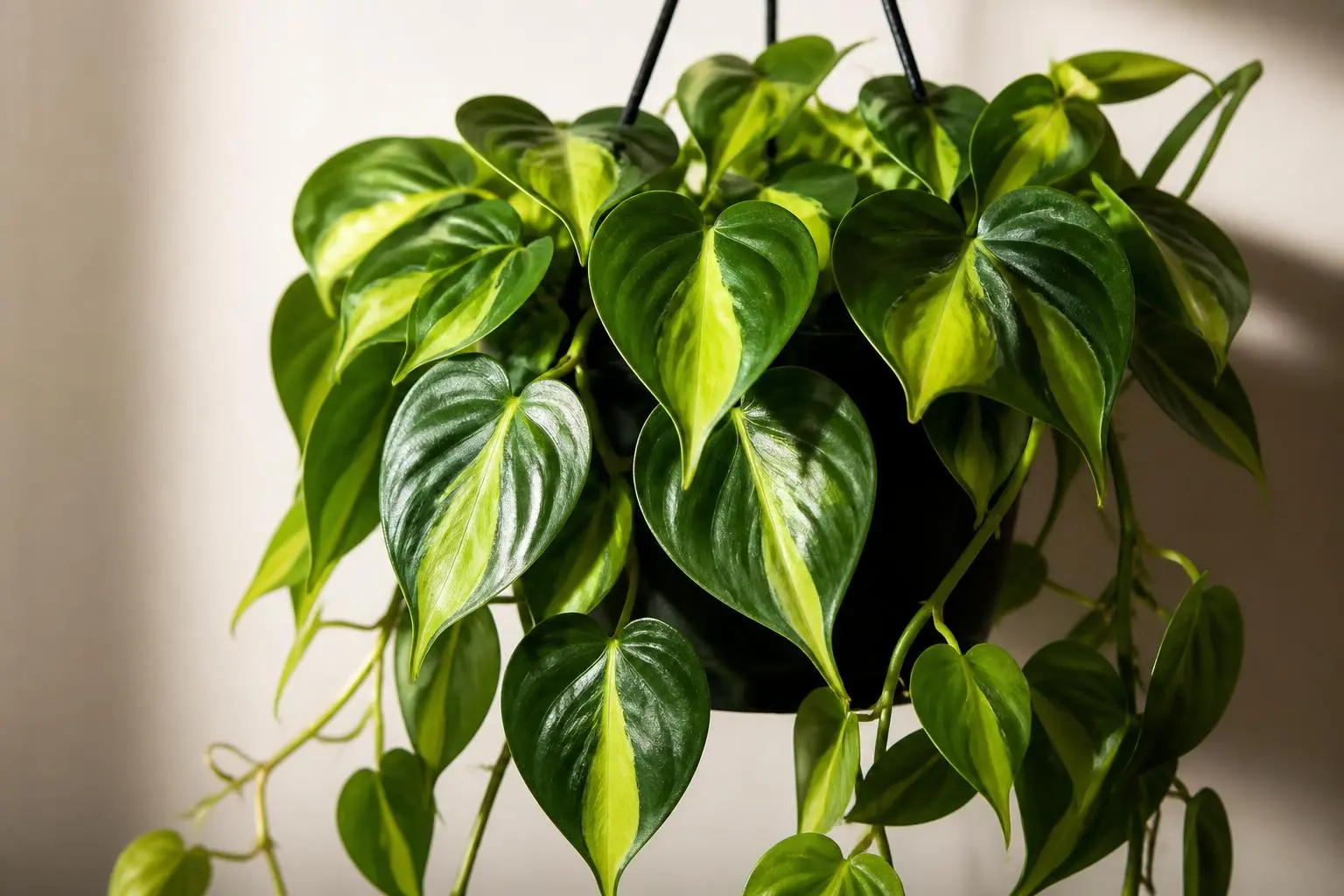
Variegated green and yellow-green leaves with striking longitudinal stripes
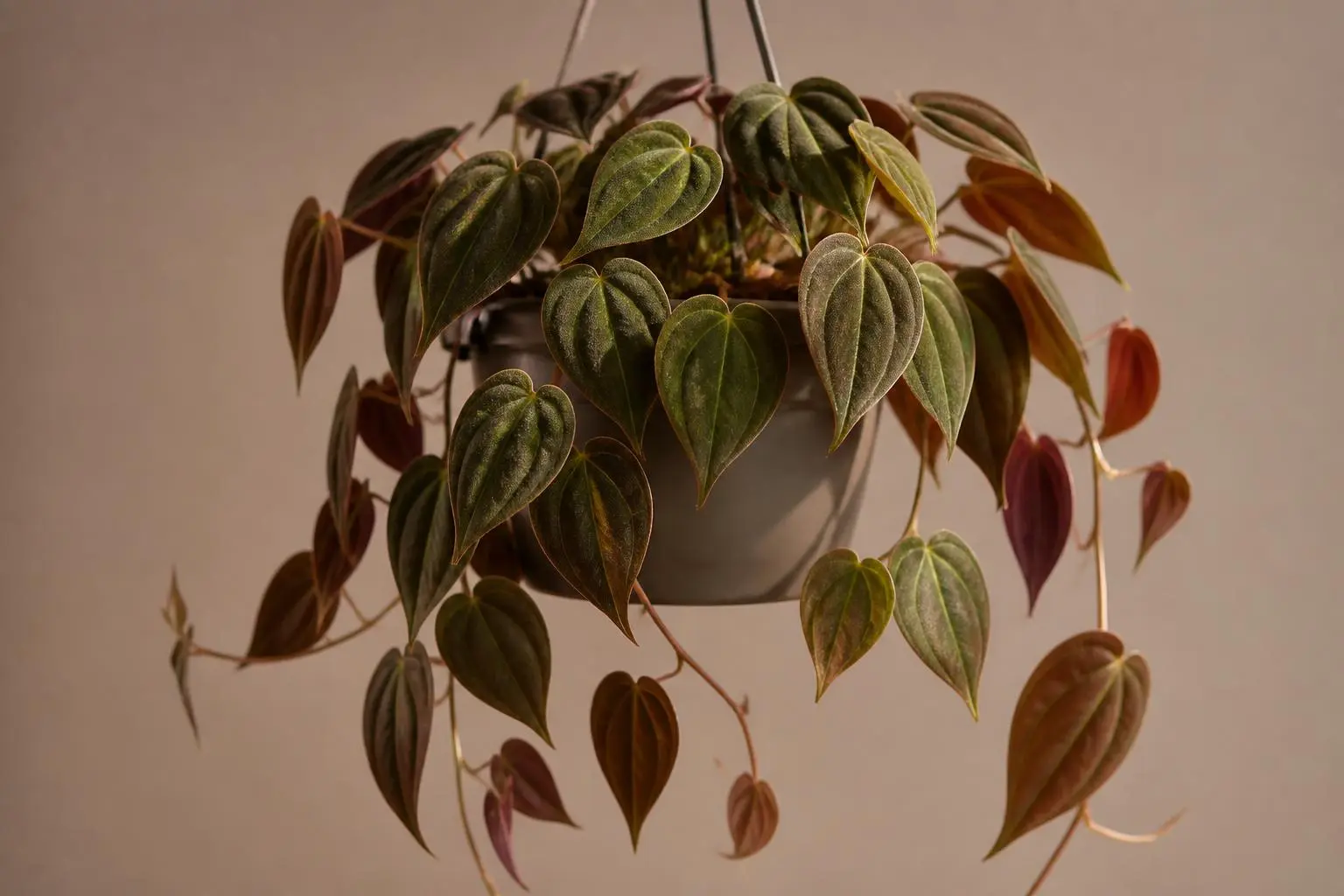
Velvety deep green leaves with bronze undersides and a soft, iridescent sheen
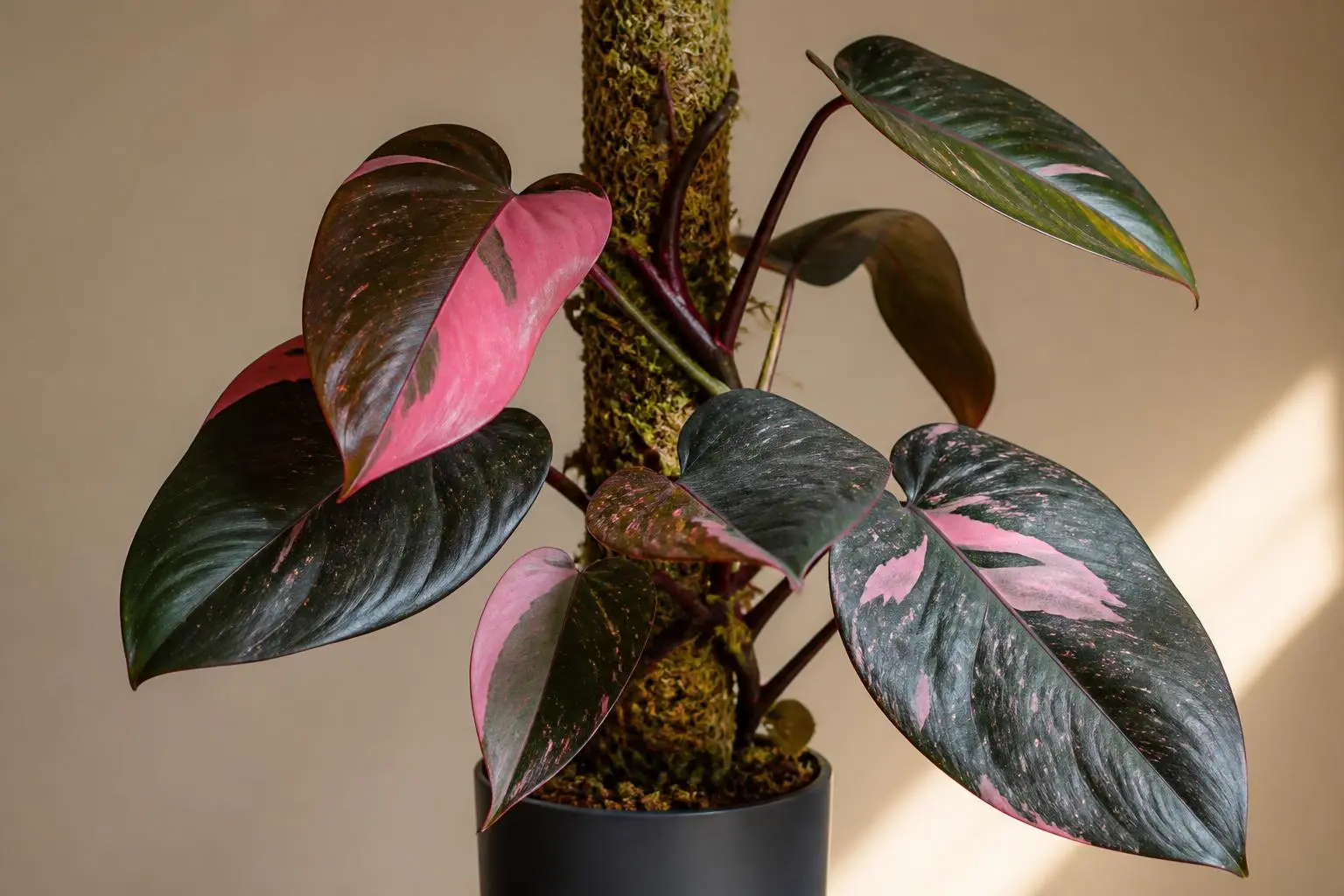
Dark leaves with striking pink variegation patches; upright, self-heading growth habit rather than trailing
4 varieties compared
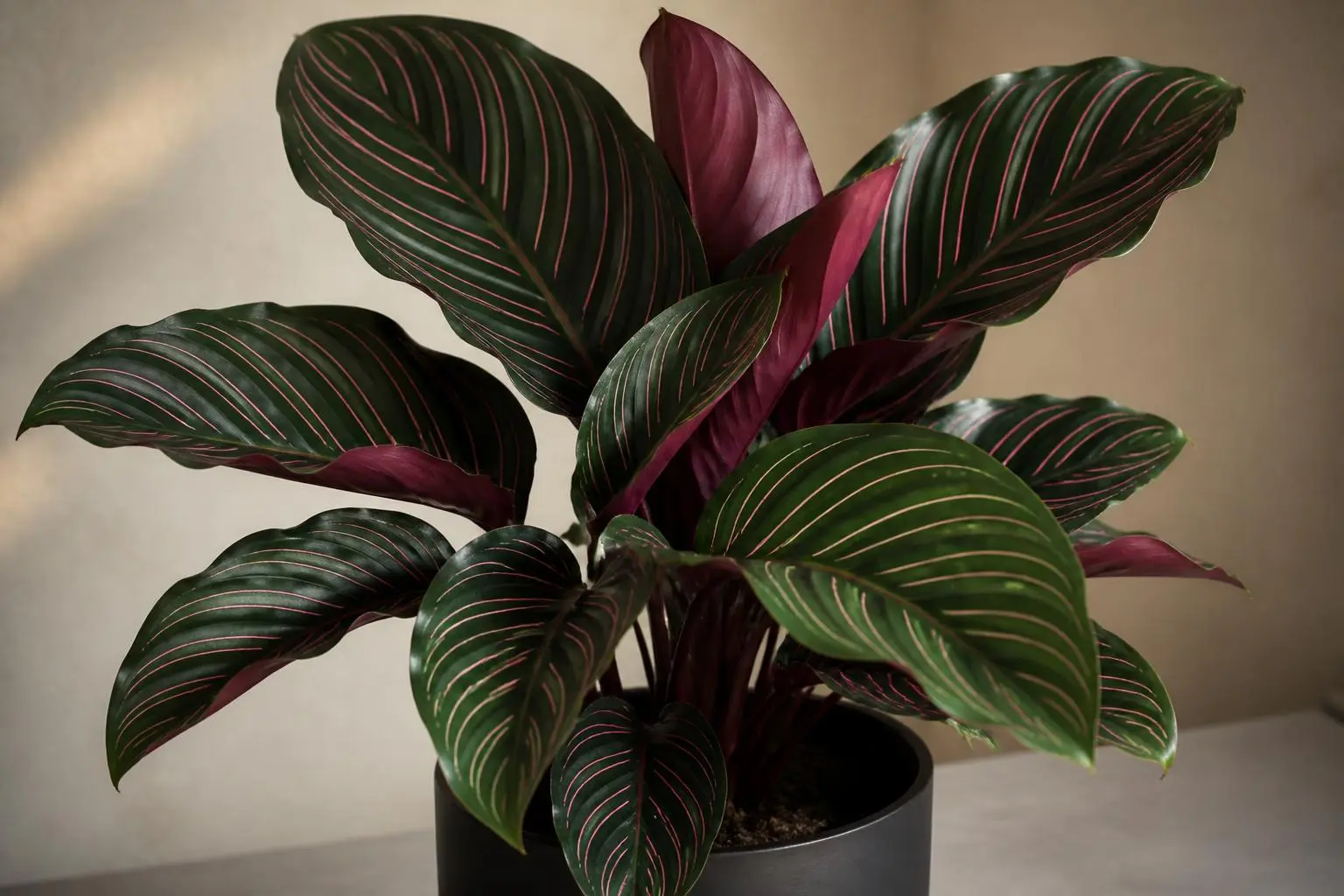
Dark green leaves with thin pink pinstripes; purple undersides
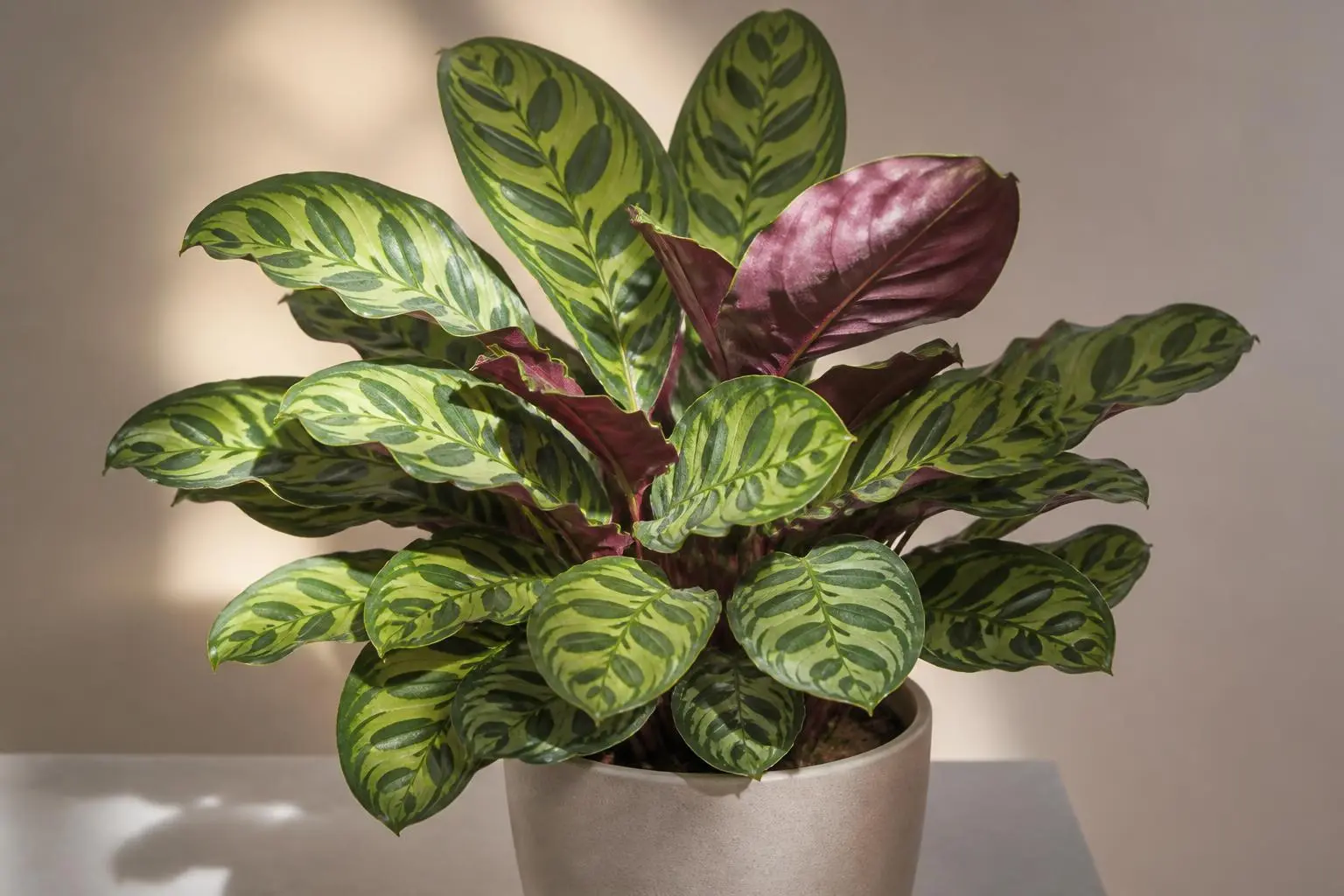
Oval leaves with feather-like green and cream patterns; thinner leaves than Ornata
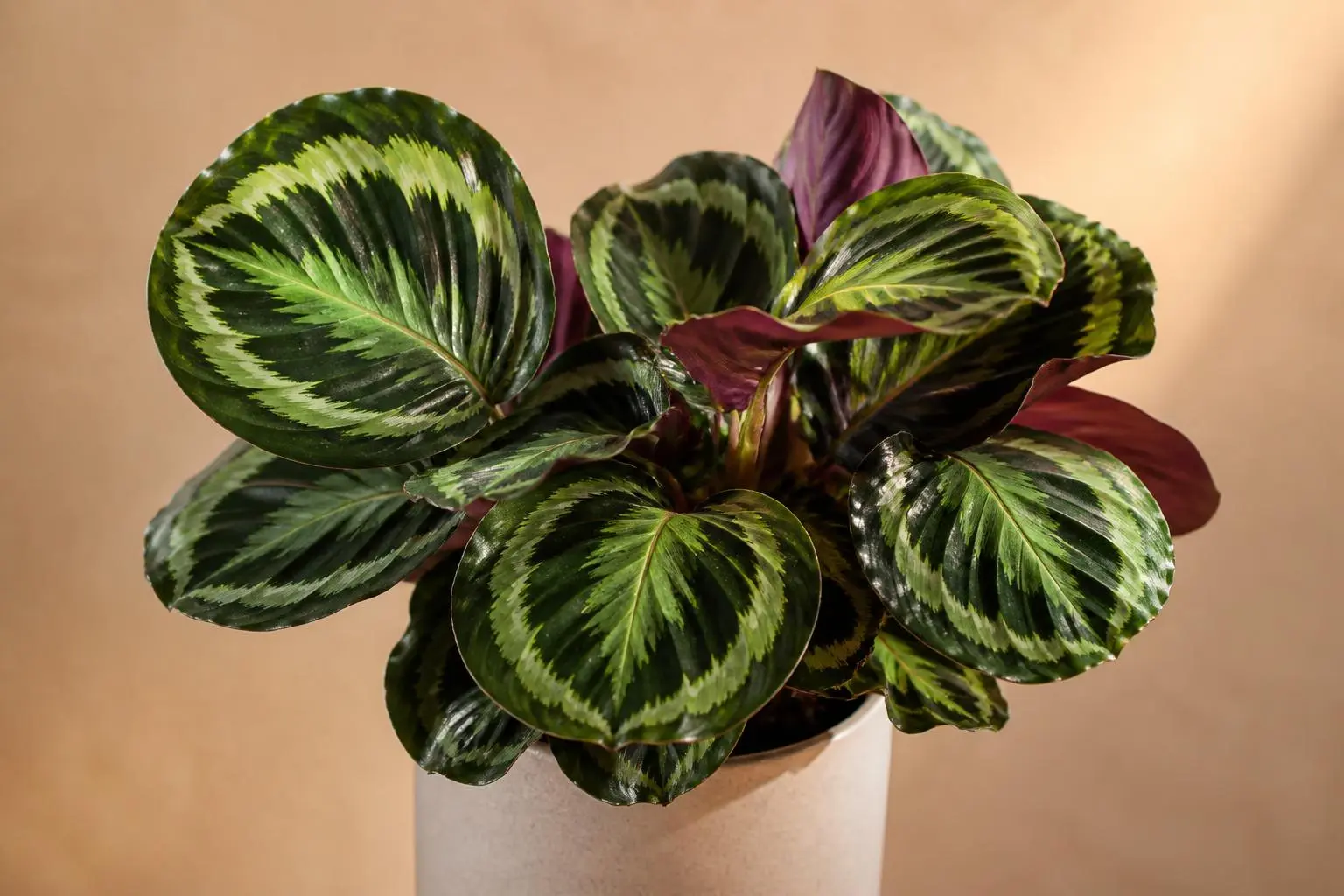
Round, broad leaves with dark green medallion patterns on light green; large leaf size
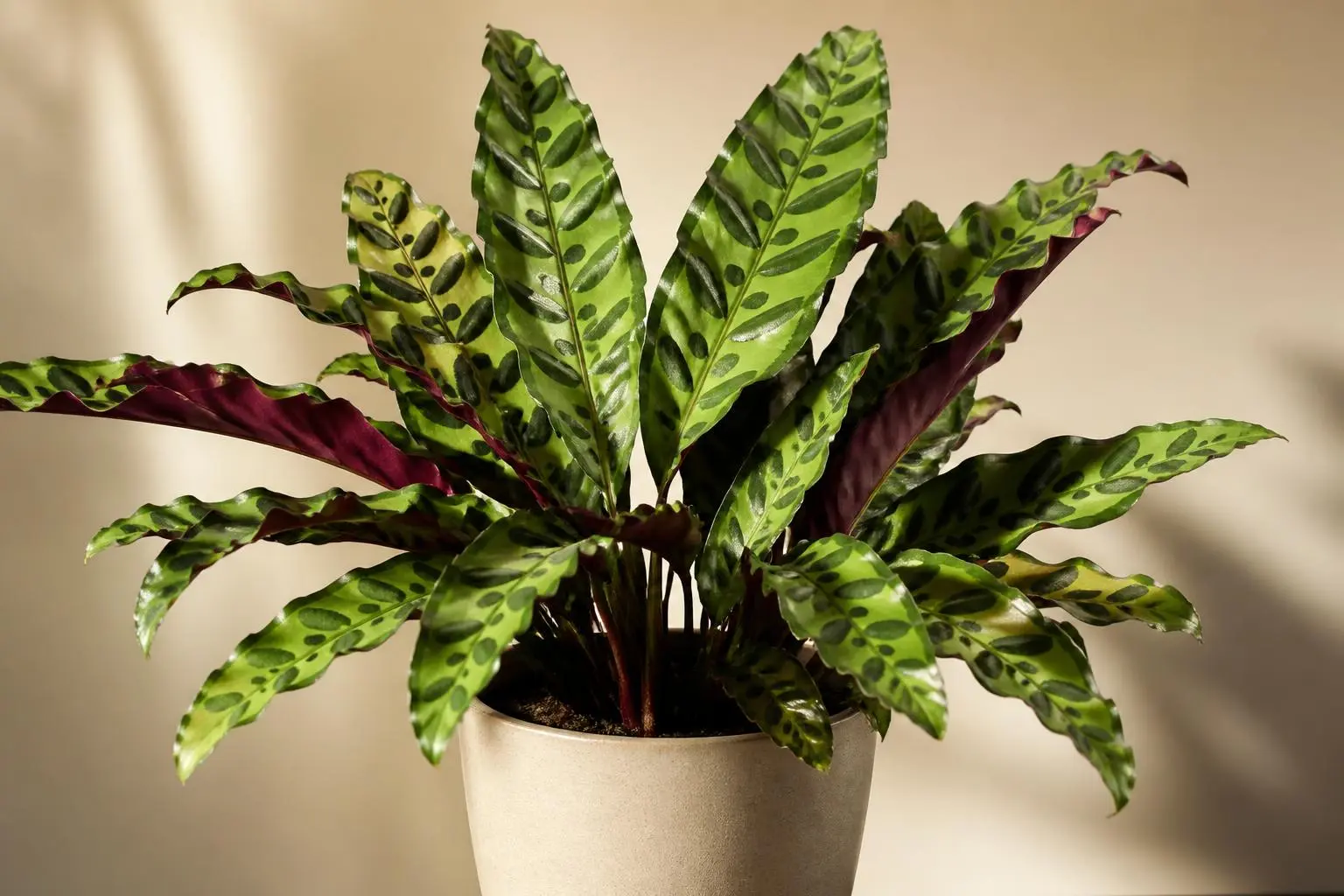
Long, wavy, lance-shaped leaves with dark green spots; purple undersides
4 varieties compared
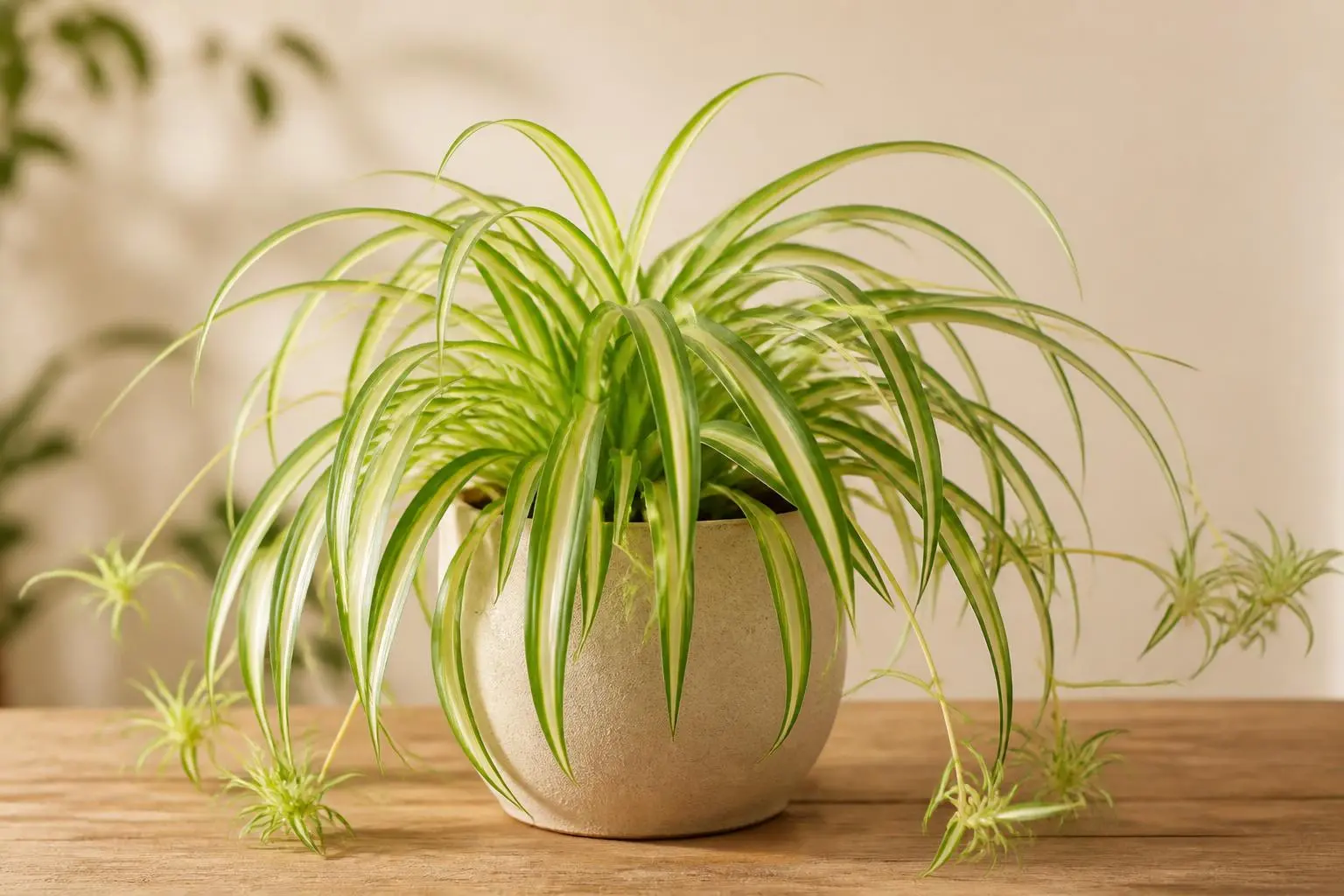
Broad creamy-white central stripe on green arching leaves; the most recognized Spider Plant form worldwide; prolific baby production on long stolons
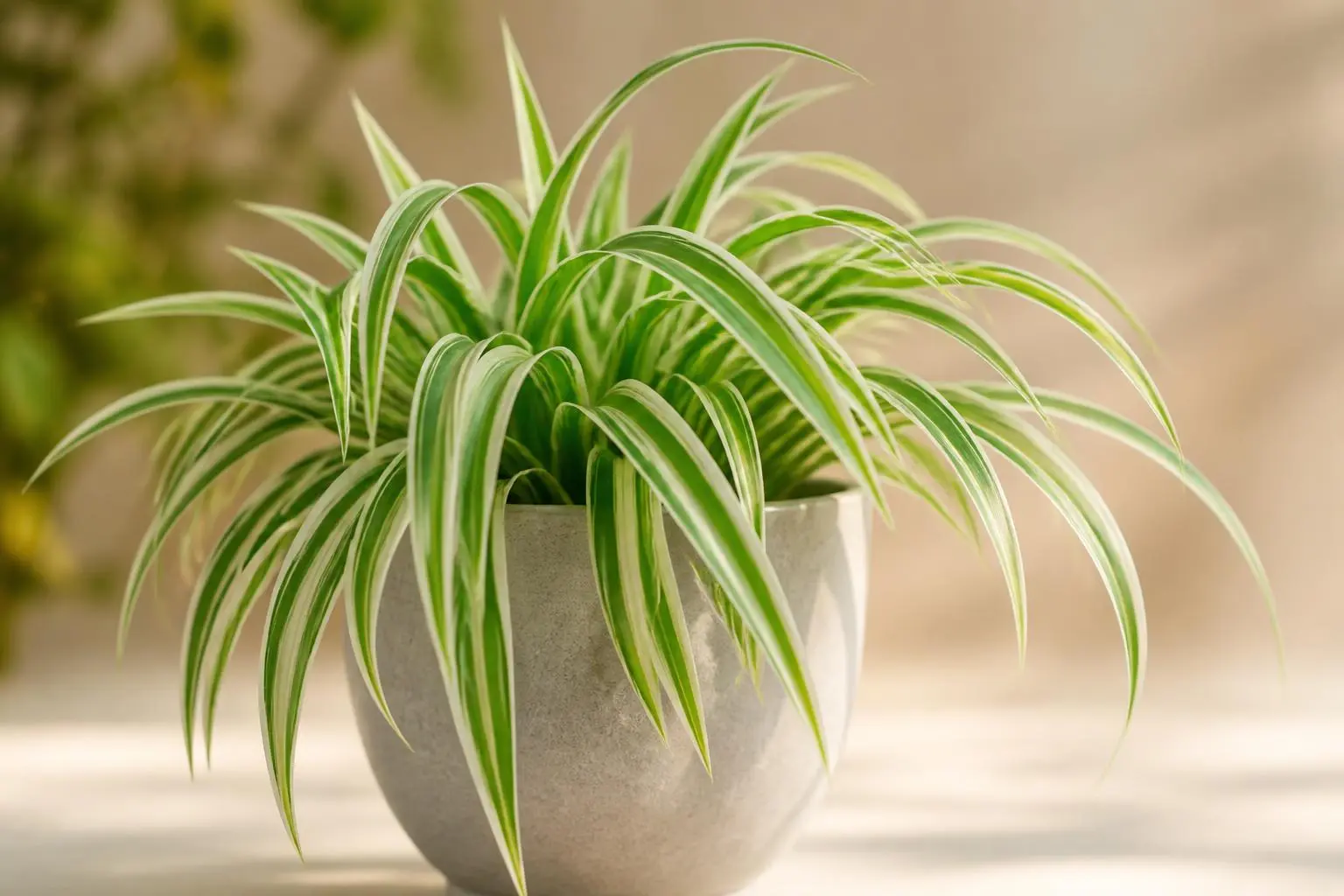
Green leaf centers with crisp white margins creating a reverse variegation pattern; RHS Award winner; narrower more numerous leaves than Vittatum
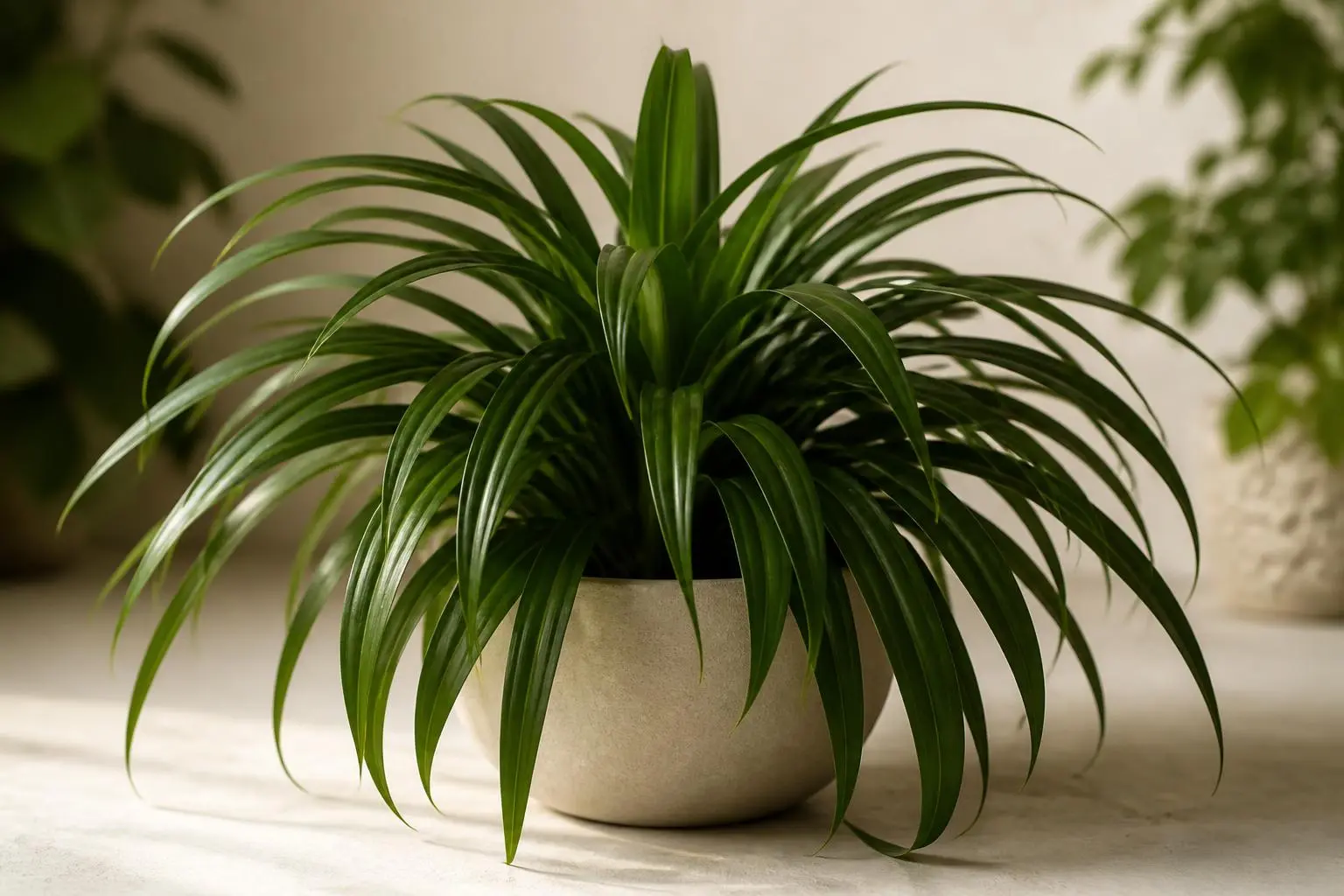
Solid deep green leaves without any white or cream variegation; the original wild species form; noticeably faster growth and more robust constitution than all variegated cultivars
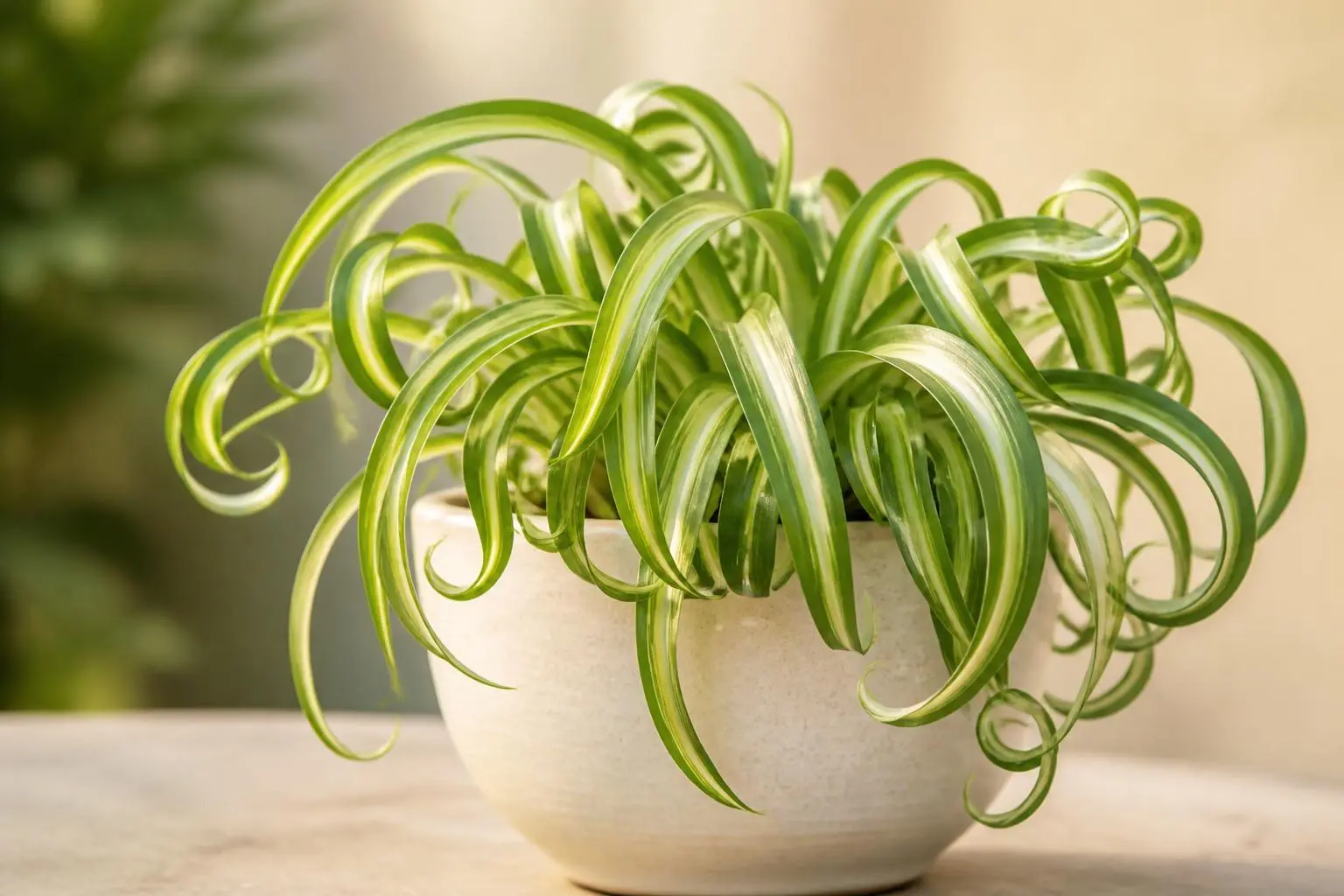
Curly spiraling leaves with a Vittatum-style central white stripe; compact mounding habit; playful whimsical appearance unique among Spider Plants
4 varieties compared
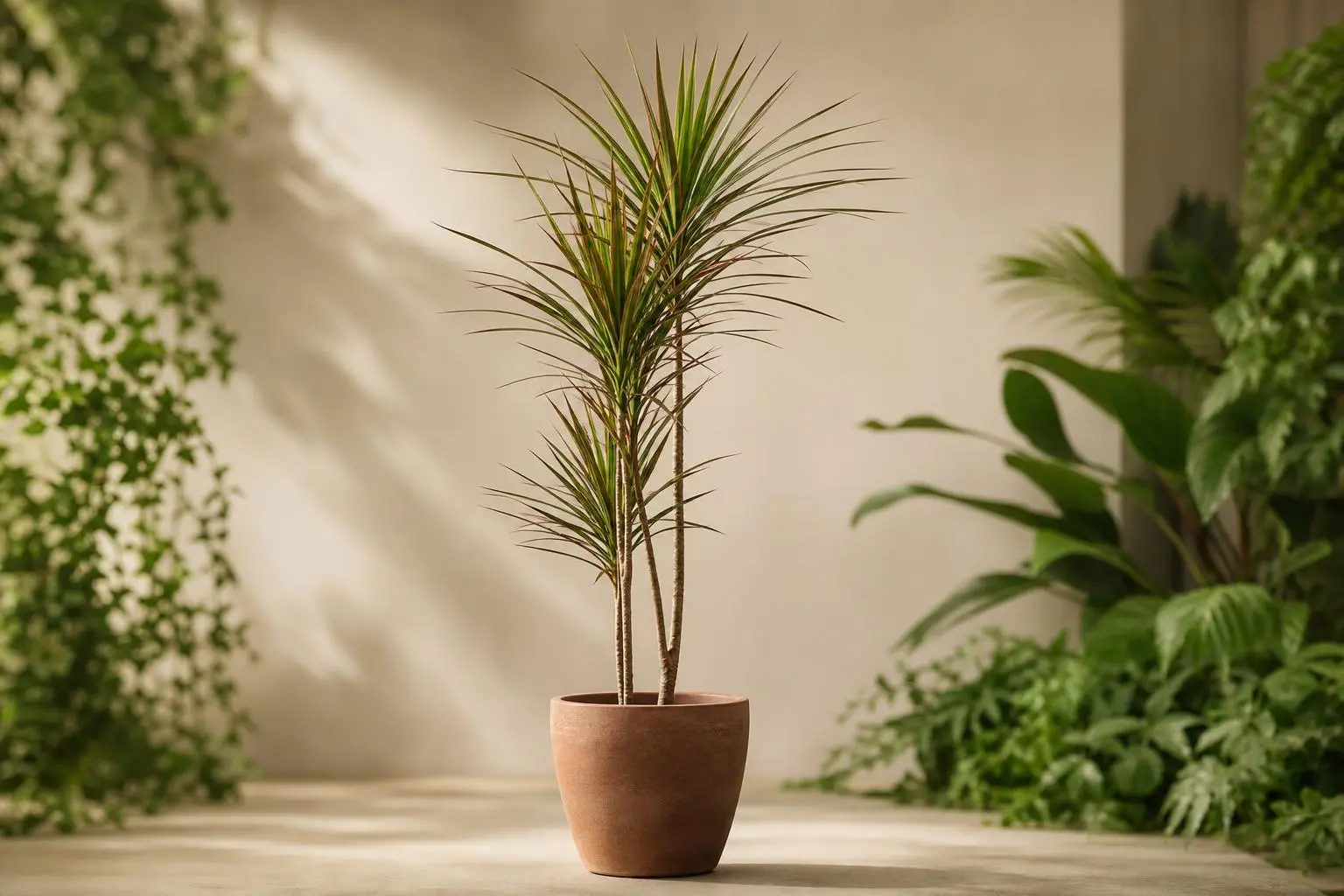
Narrow sword-shaped green leaves with thin red-purple margins; slender woody stems developing leaf scars with age; elegant palm-like silhouette reaching 4–6 feet indoors
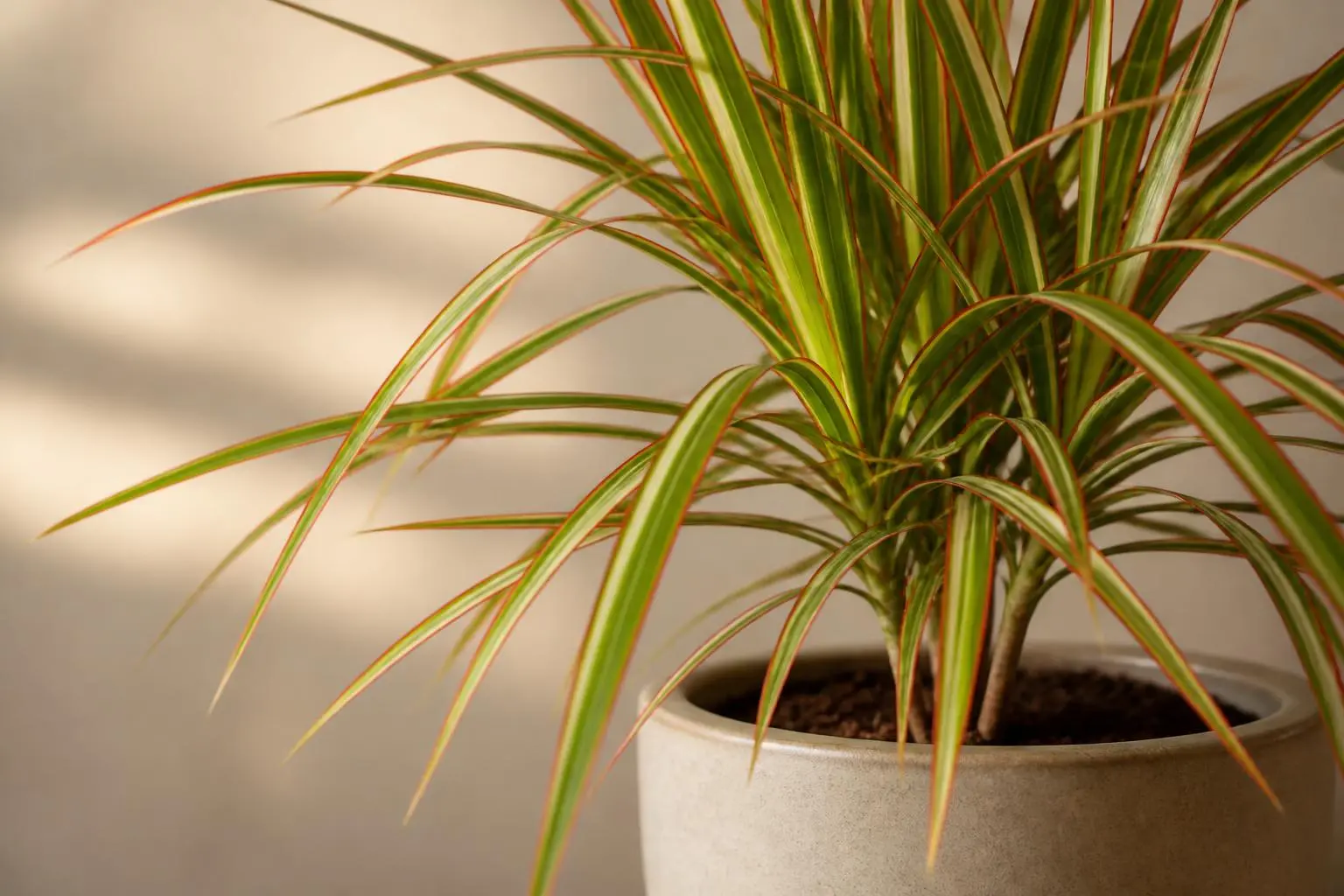
Three distinct colors per leaf — green and creamy-yellow longitudinal stripes bordered by thin red margins; significantly brighter and more decorative than the standard form
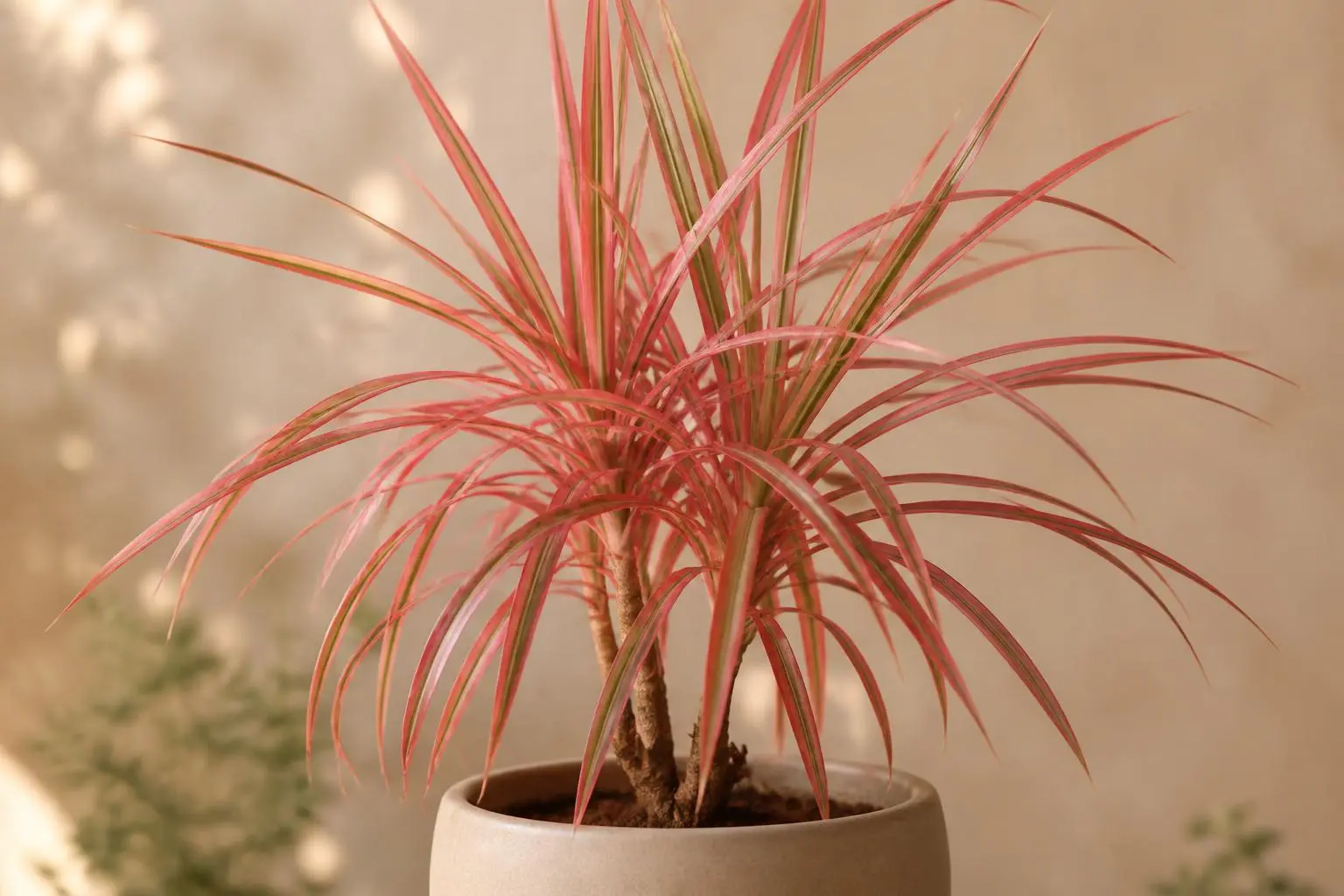
Predominantly red-pink leaf blades with only a narrow green center stripe; the most intensely colored of all marginata varieties, appearing almost entirely crimson in bright light
Deeper magenta-red leaf margins noticeably bolder than the standard variety; slightly darker green leaf centers creating stronger visual contrast between the two colors
4 varieties compared
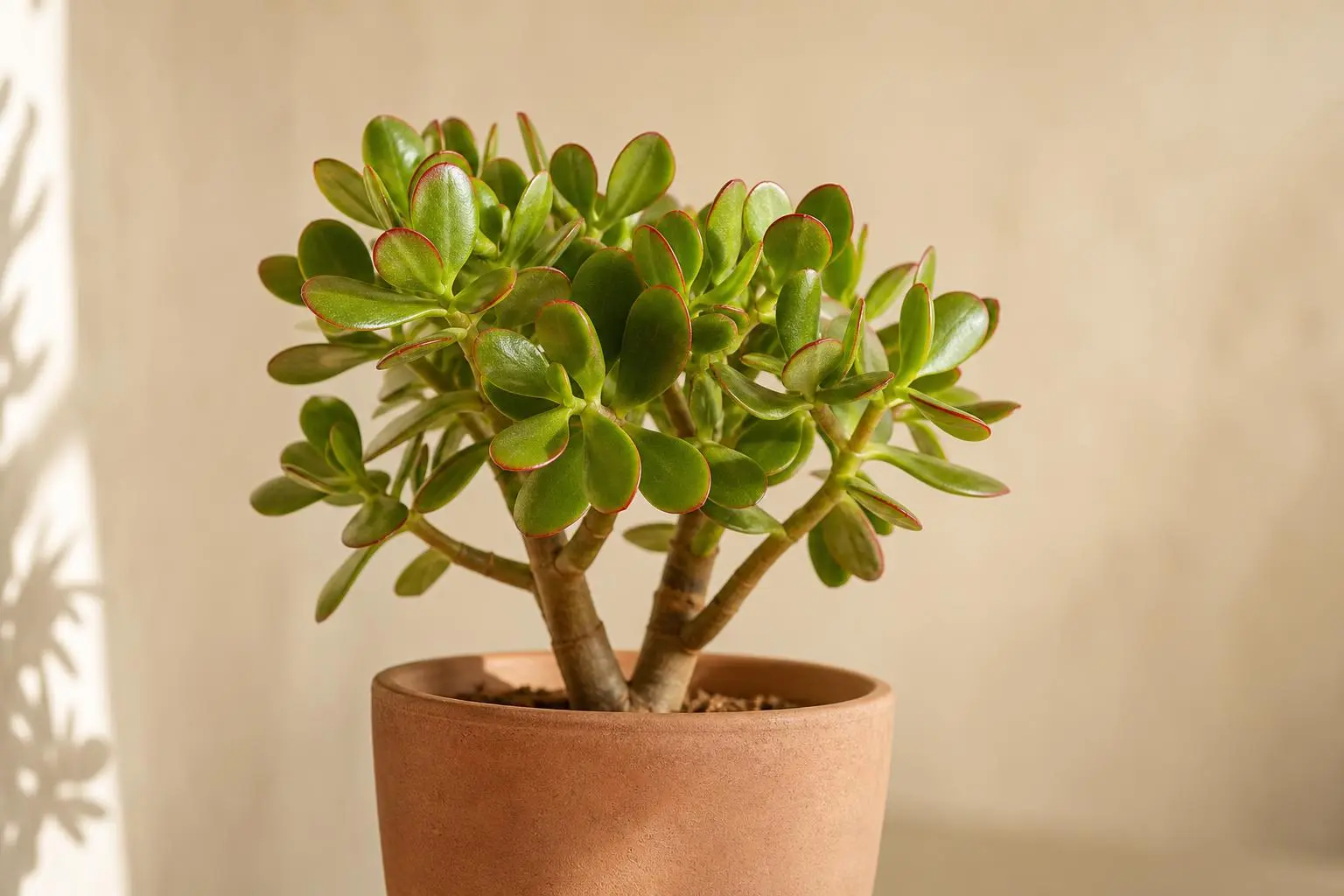
Glossy dark green oval leaves with red-tinted edges in bright light; develops a thick woody trunk with age forming a natural miniature tree shape
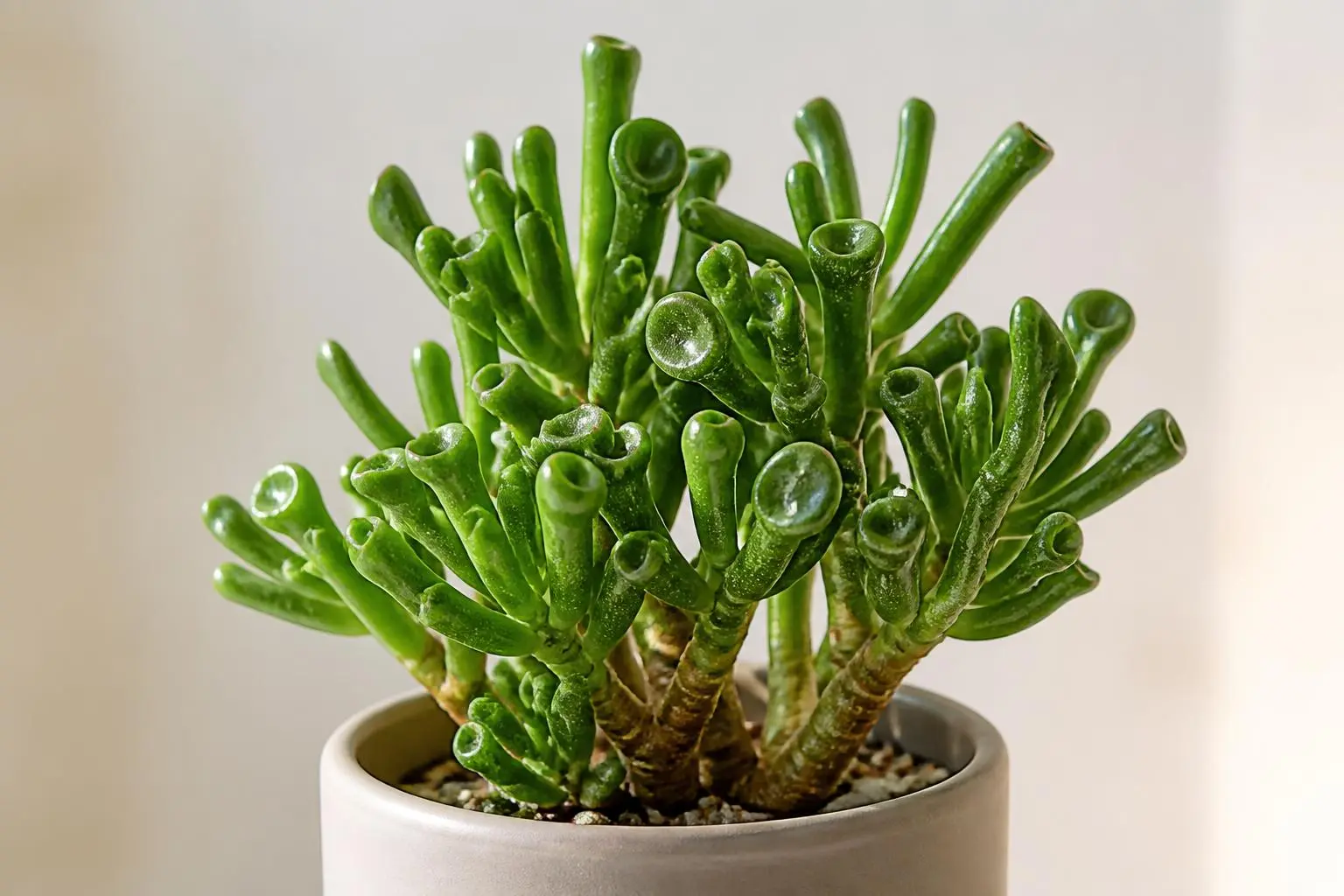
Tubular trumpet-shaped leaves with concave suction-cup tips giving a finger-like appearance; reddish tips in bright light; develops a sculptural contorted trunk with age
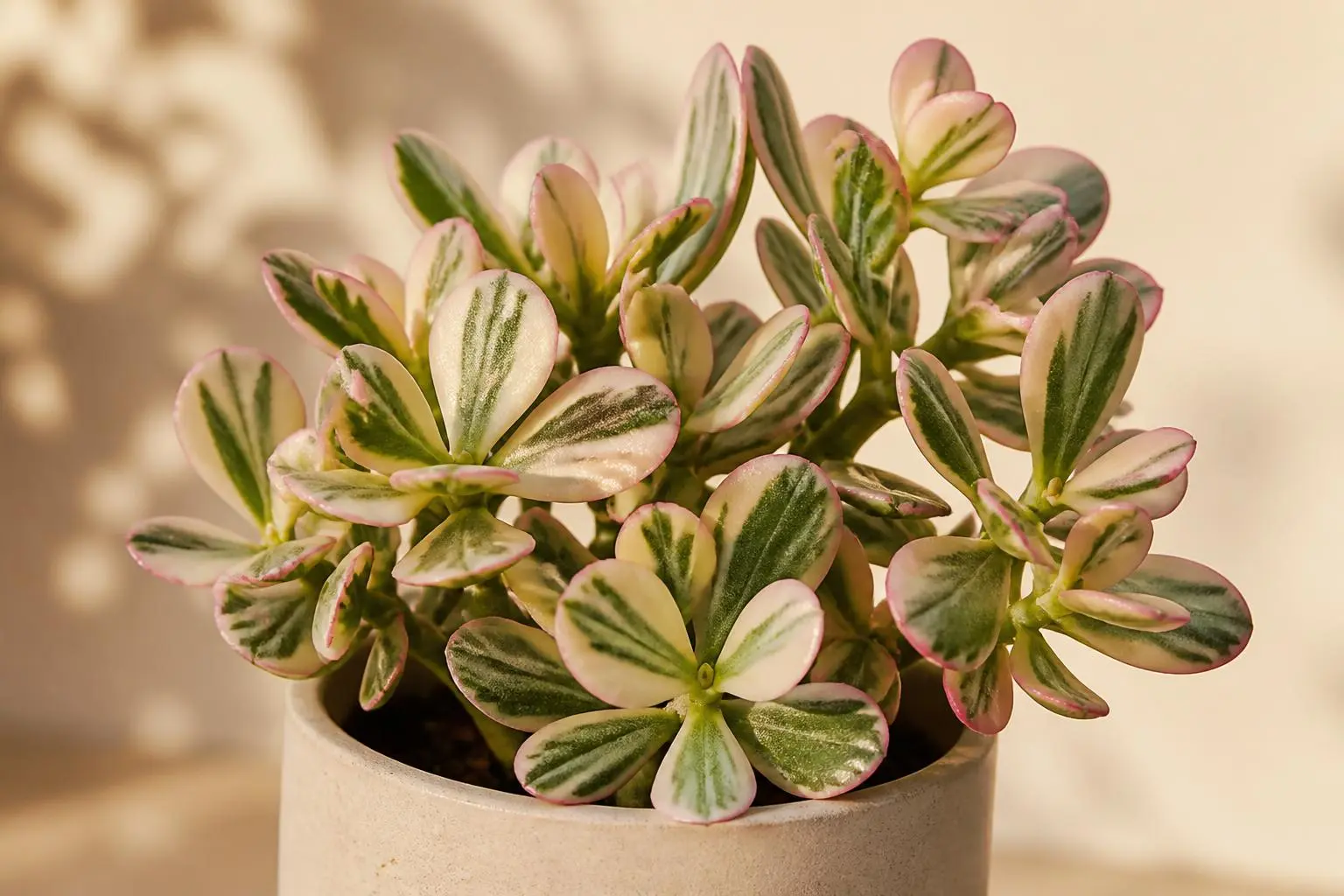
Creamy white and pale yellow variegation on green leaves with pink-blushed new growth; each leaf has a unique pattern; significantly slower growing and more compact than standard
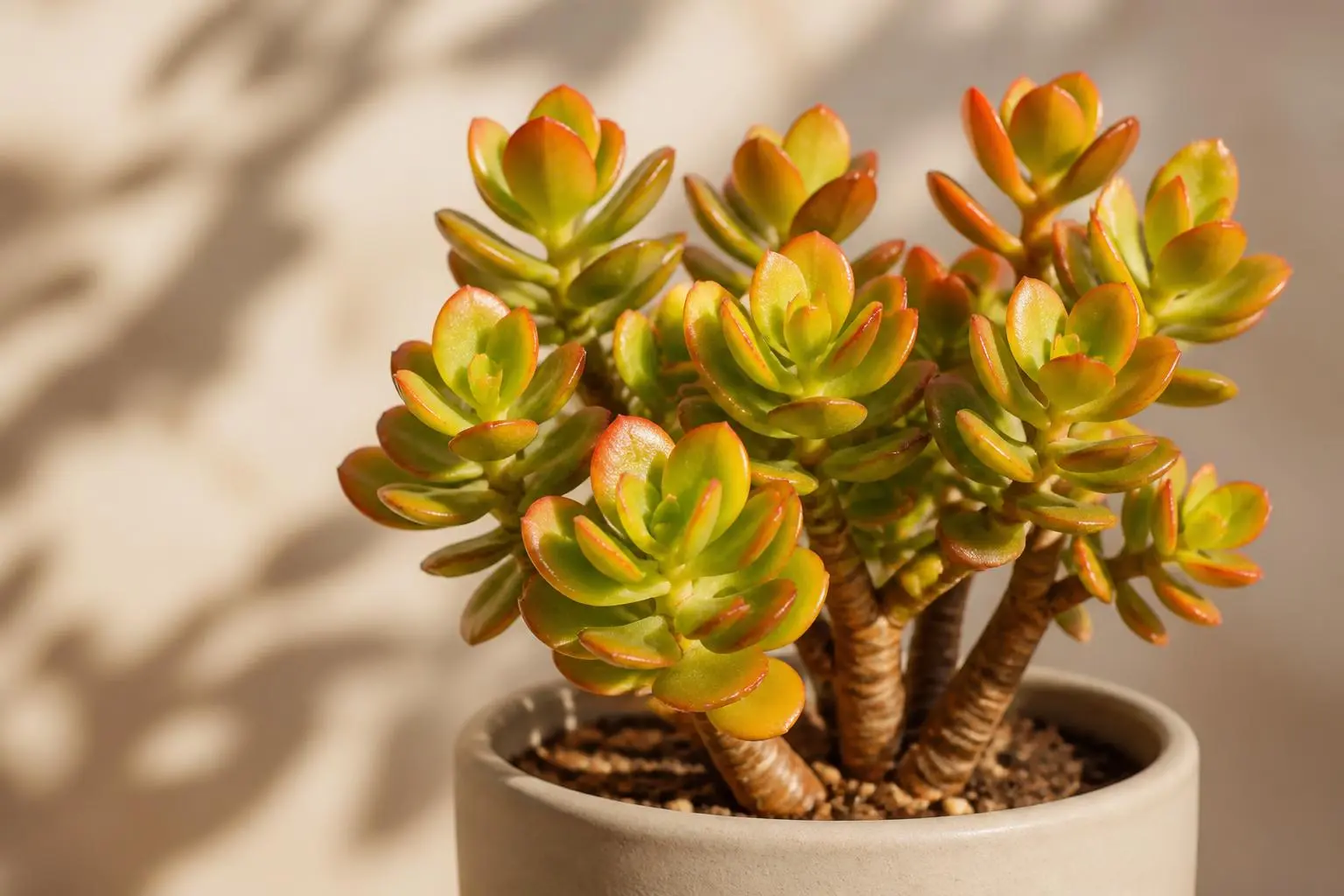
Golden-yellow and fiery red leaf margins that intensify dramatically with sun exposure; RHS Award winner with a sunset gradient from green through yellow to red
4 varieties compared
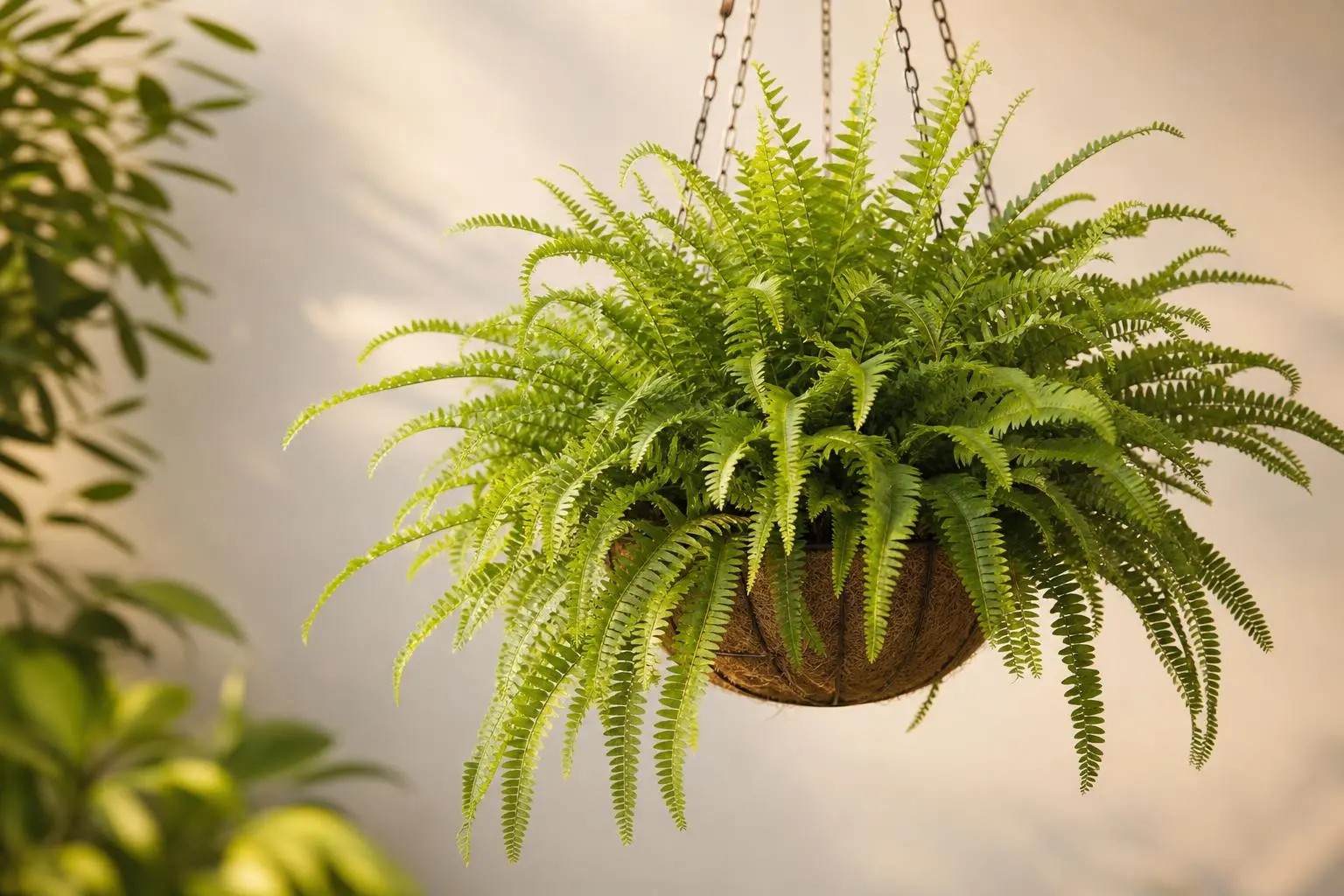
Long gracefully arching fronds up to 3 feet long with evenly spaced medium-green leaflets arranged along the rachis; classic fountain-shaped silhouette ideal for hanging baskets
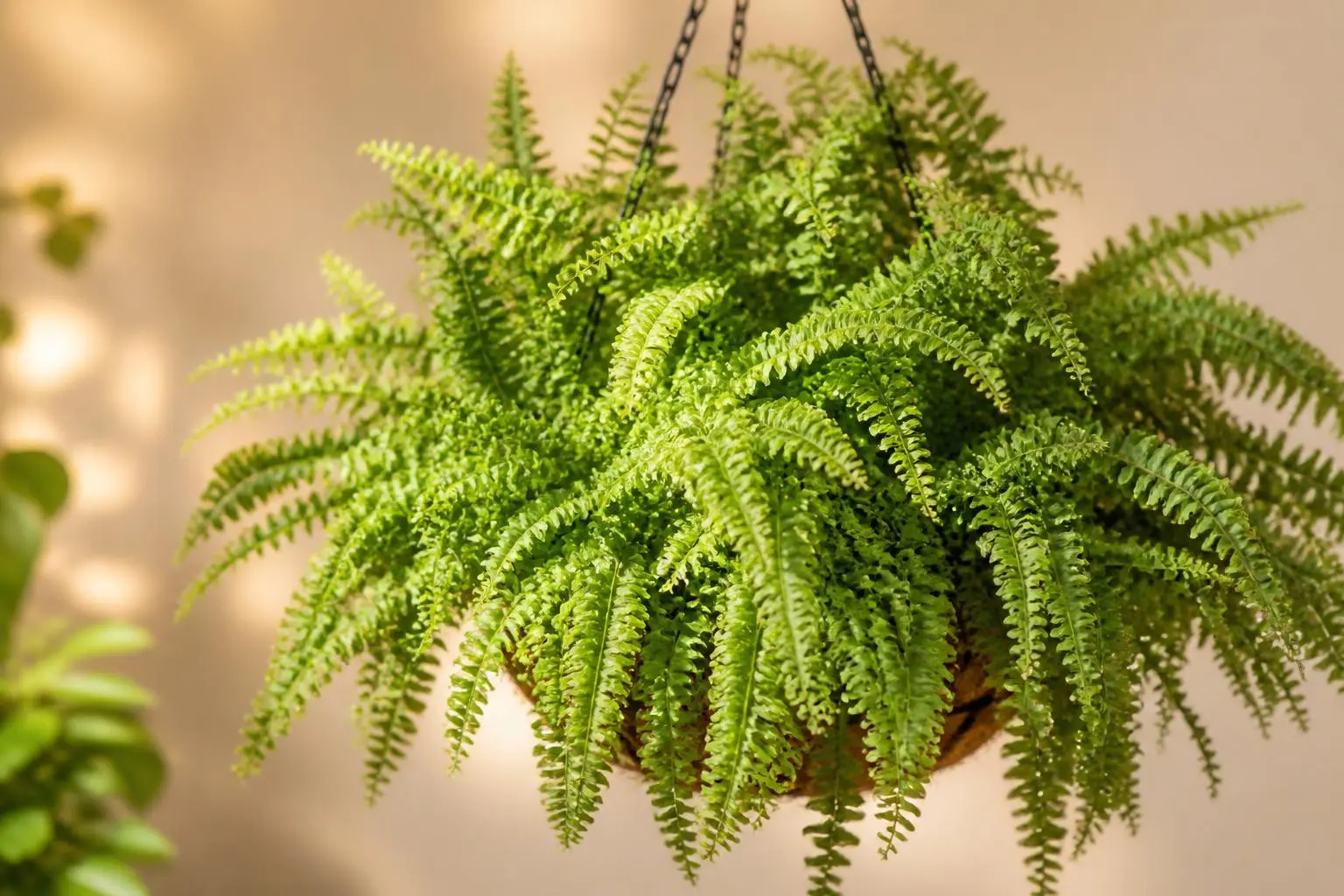
Densely ruffled and frilly leaflets that curl and overlap each other creating a soft cloud-like texture; compact mounding habit with shorter 18–24 inch arching fronds
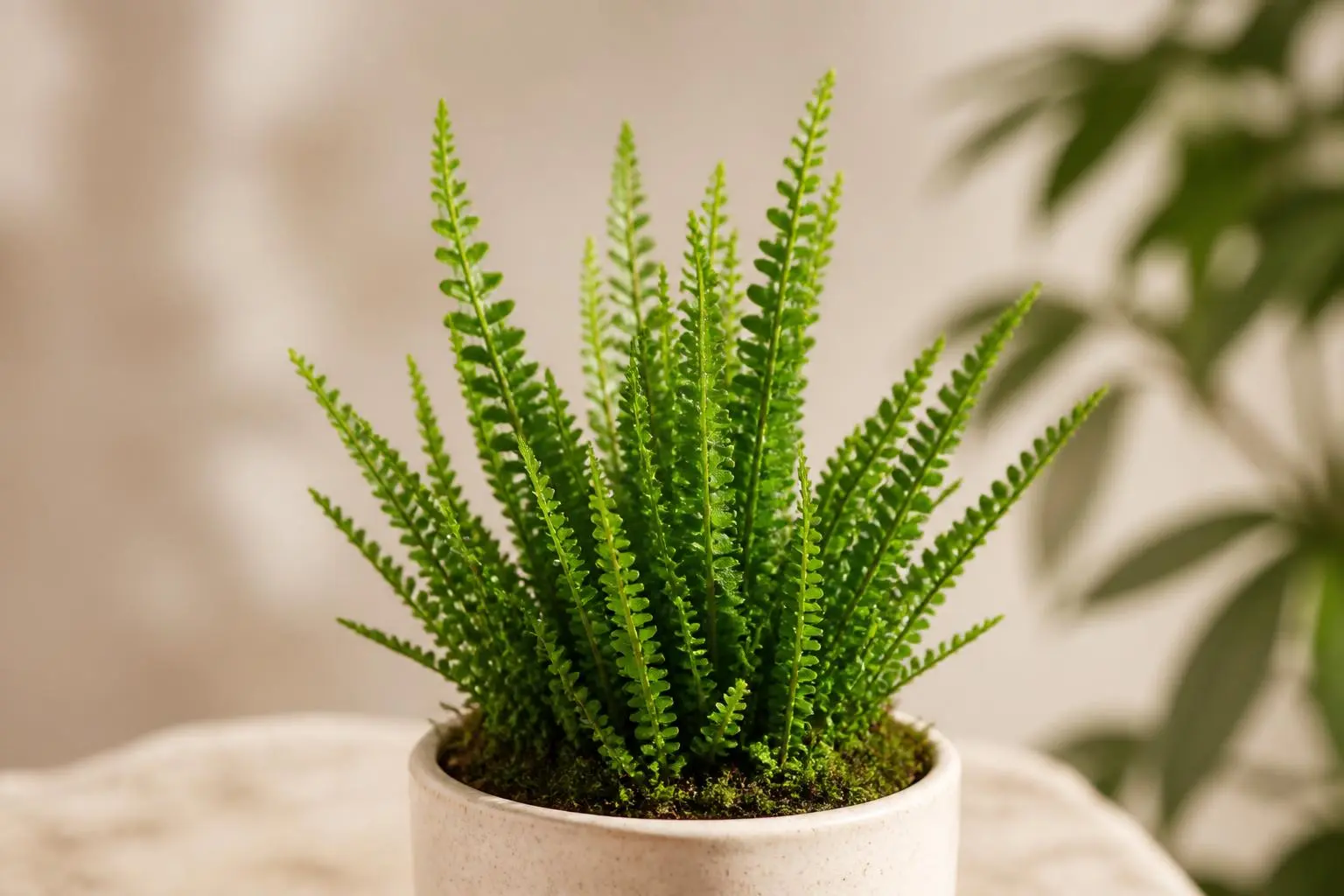
Shorter 12–18 inch upright-to-arching fronds with smaller finely cut leaflets; compact dwarf form ideal for tabletops, windowsills, and small hanging baskets where space is limited
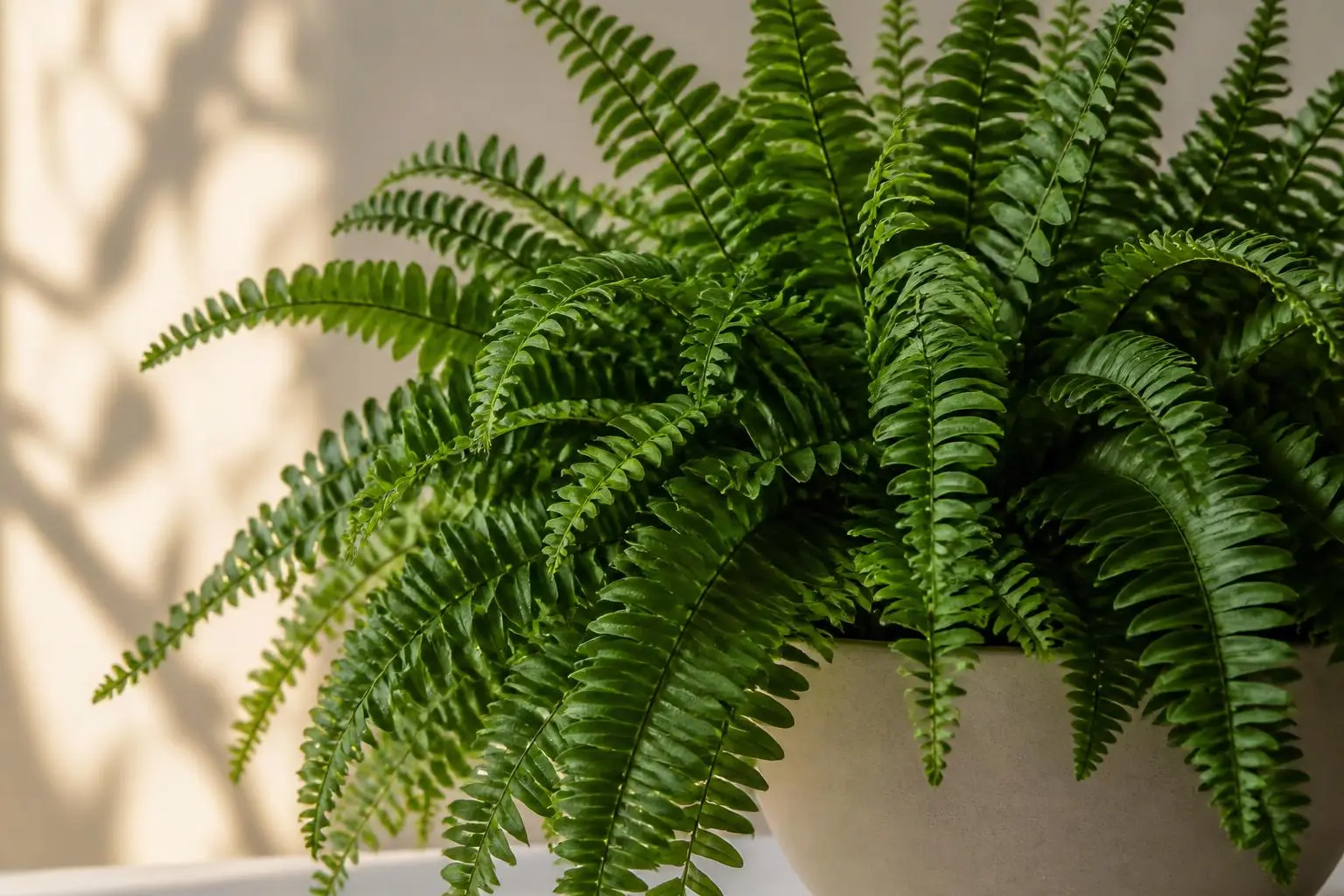
Wider thicker leaflets packed densely along each frond with slight overlap between them; deeper richer green coloration; remarkably full and voluminous fountain shape
4 varieties compared
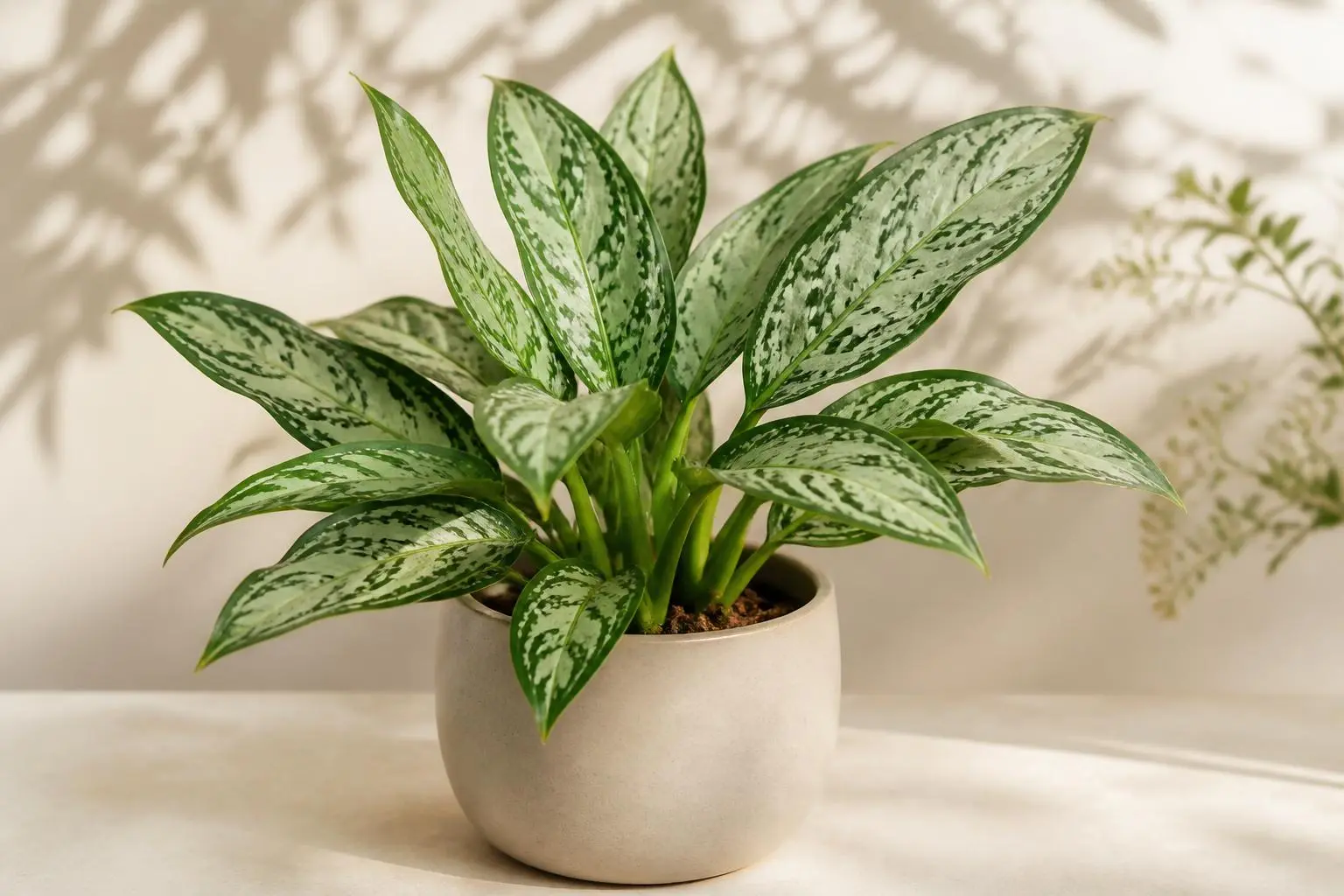
Heavily silver-mottled lance-shaped leaves over a green base with variable patterning on each leaf; elegant muted silver-green palette that is unique to every specimen
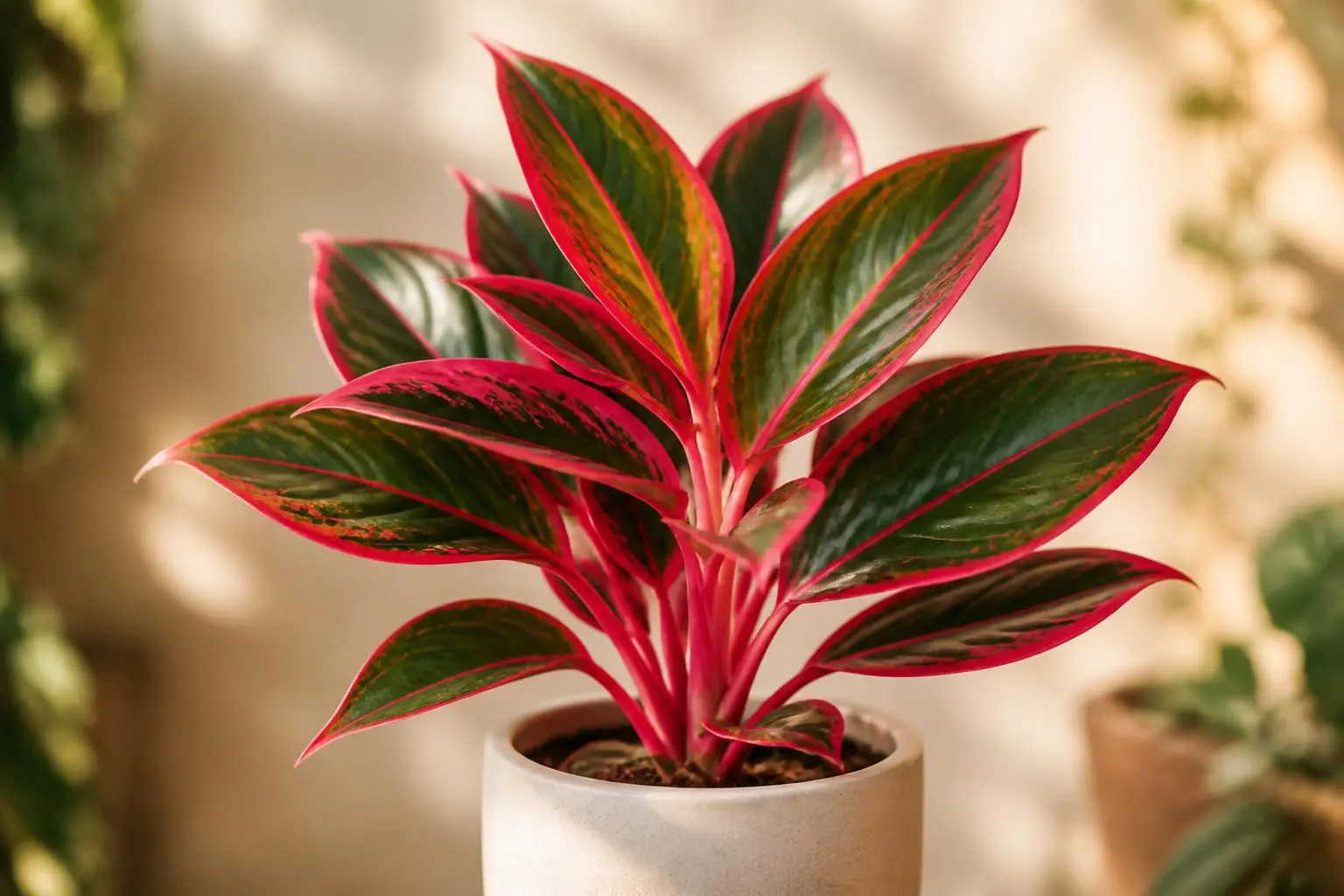
Deep green leaves with vivid red-pink margins and red stems; new growth emerges with bright crimson edges that deepen to rich burgundy as they mature
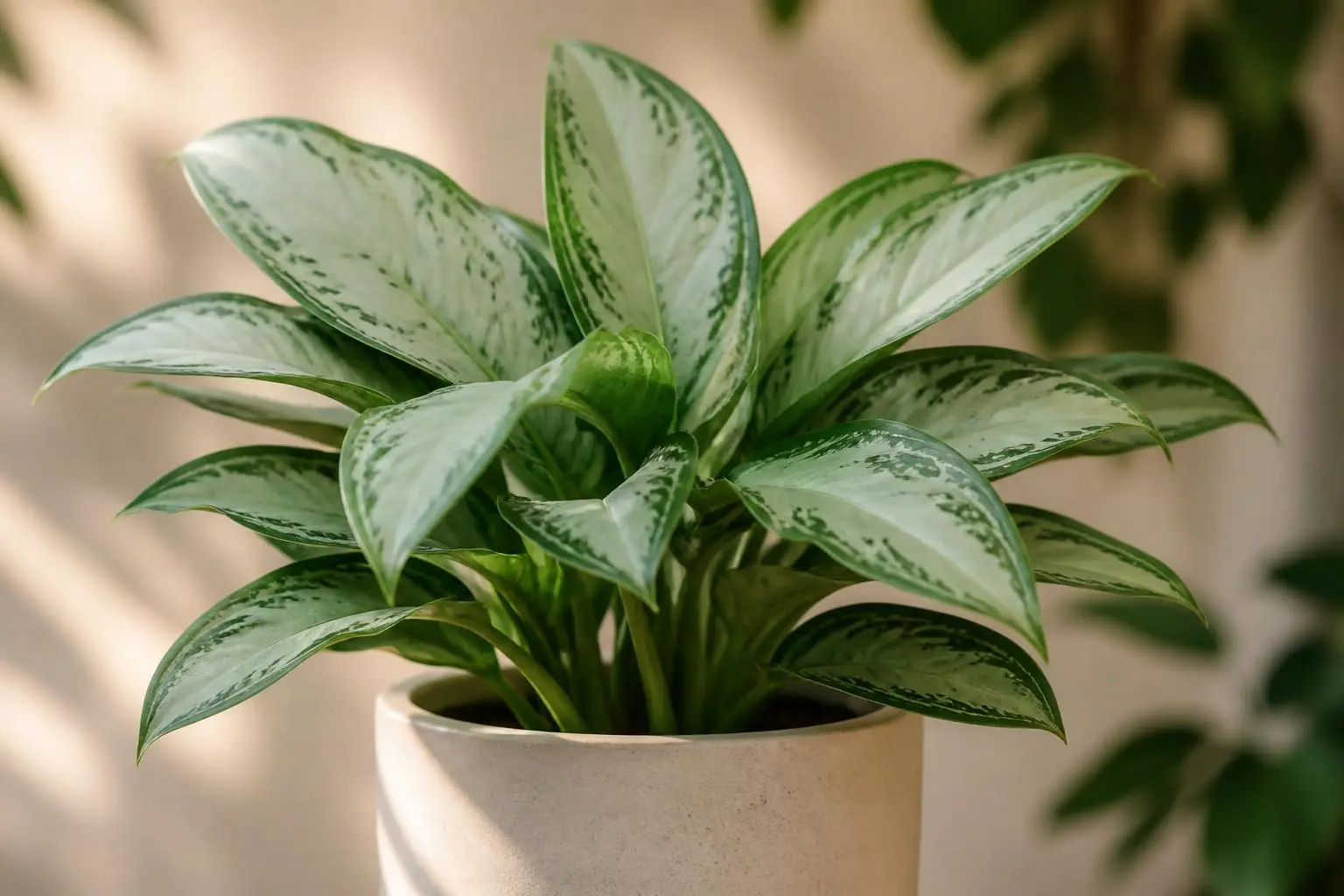
Broad silvery-green leaves up to 12 inches long with darker green margins; large bushy habit reaching 24–30 inches tall and nearly as wide at maturity
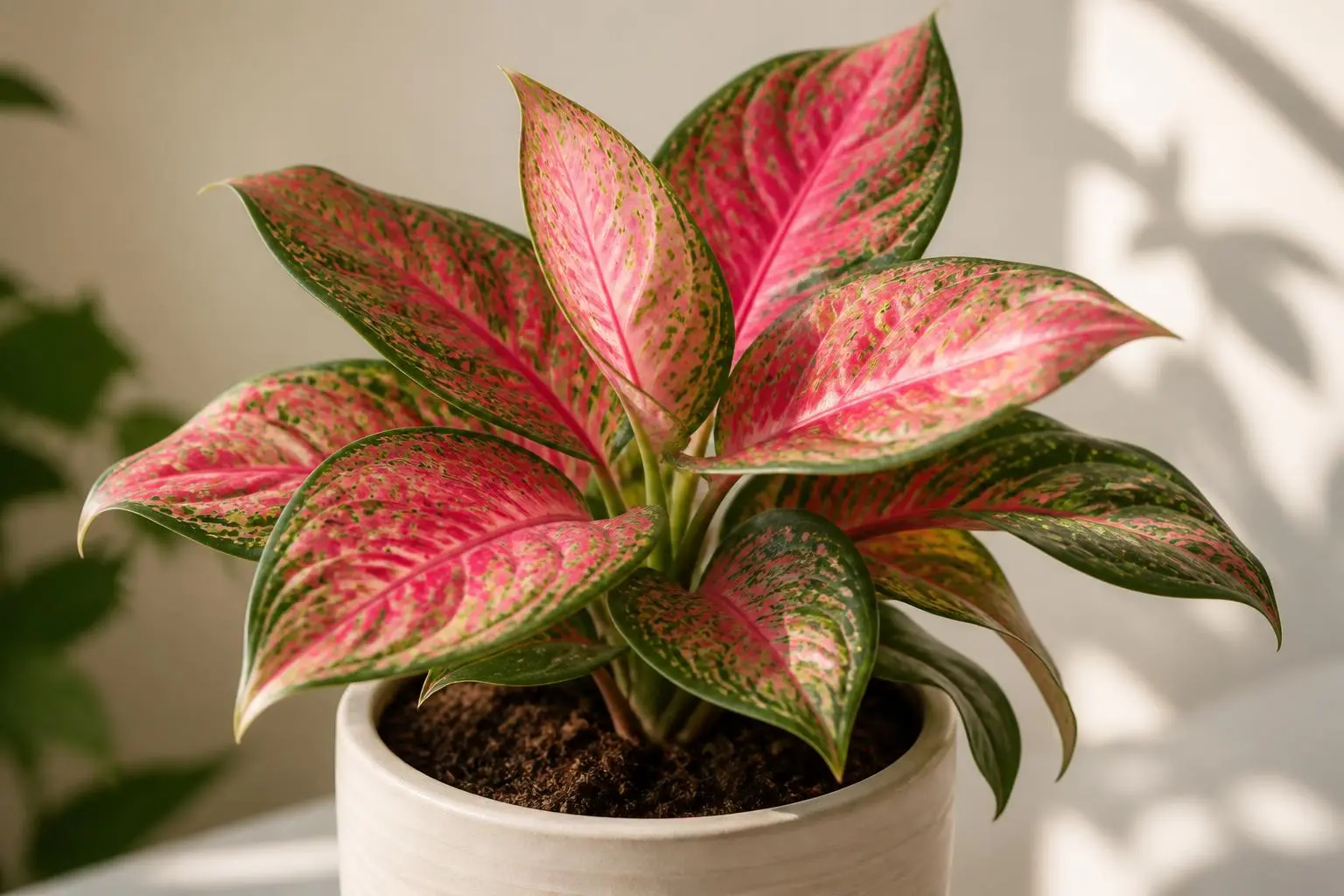
Green leaves boldly splashed with rose, hot pink, and deep red variegation; each leaf has unique patterning ranging from broad crimson swaths to delicate pink speckles
4 varieties compared
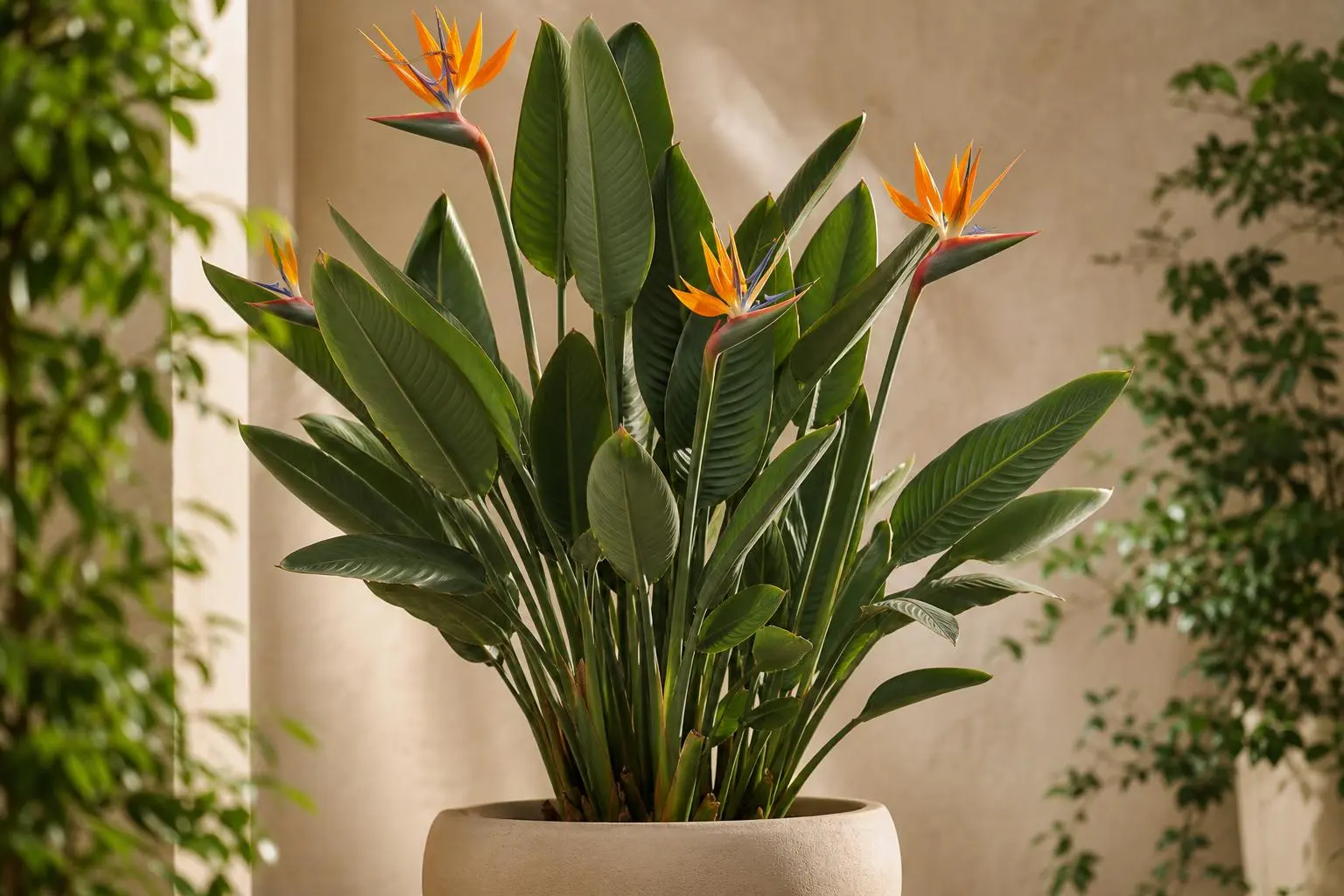
Vibrant orange and blue crane-shaped flowers emerging from boat-shaped green spathes; compact 3–5 foot clumping habit with upright blue-green paddle-shaped leaves forming a basal fan
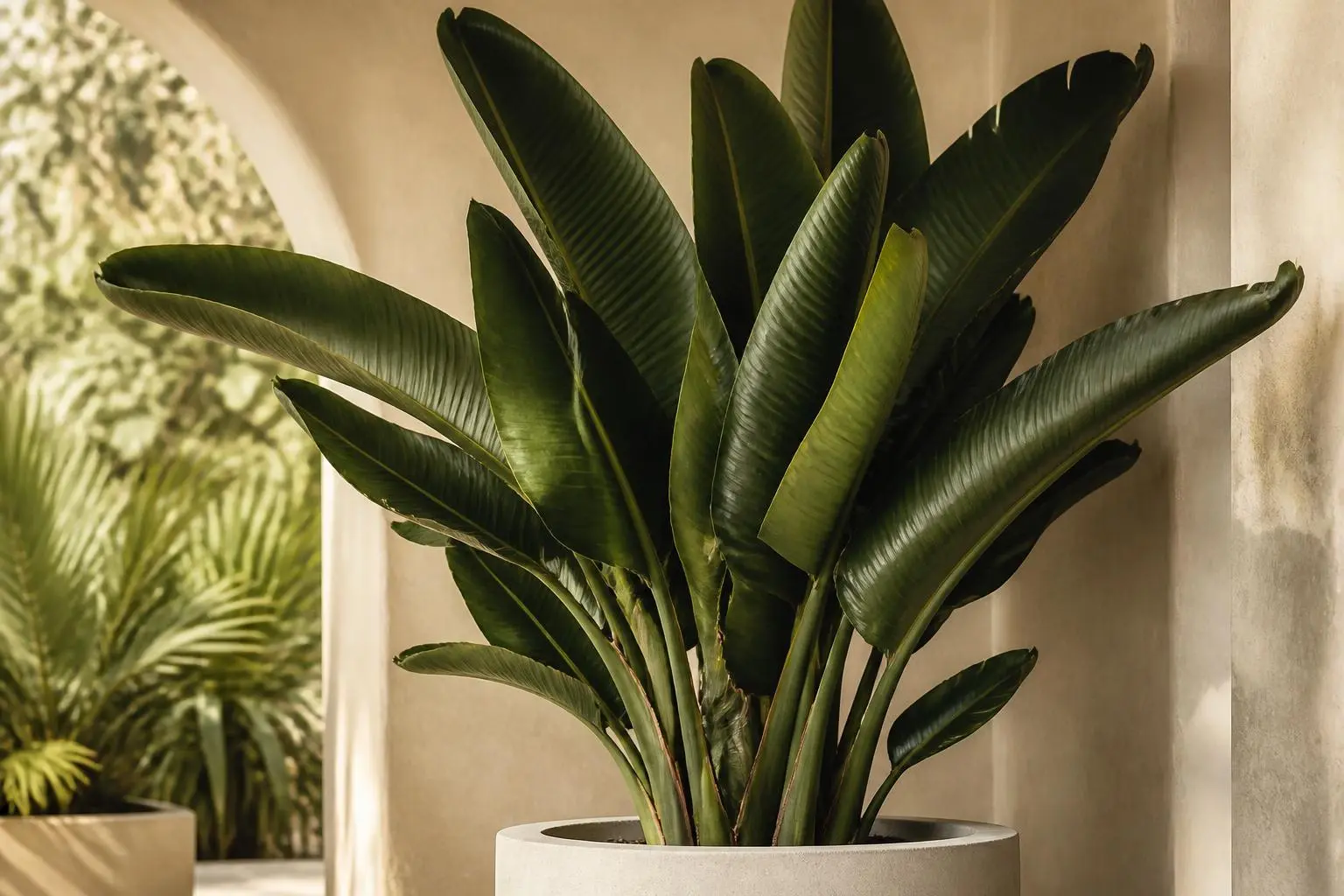
White and blue flowers emerging from a dark purple-black spathe; enormous dark green leaves up to 6 feet long and 2 feet wide; tree-like trunk with leaf scars
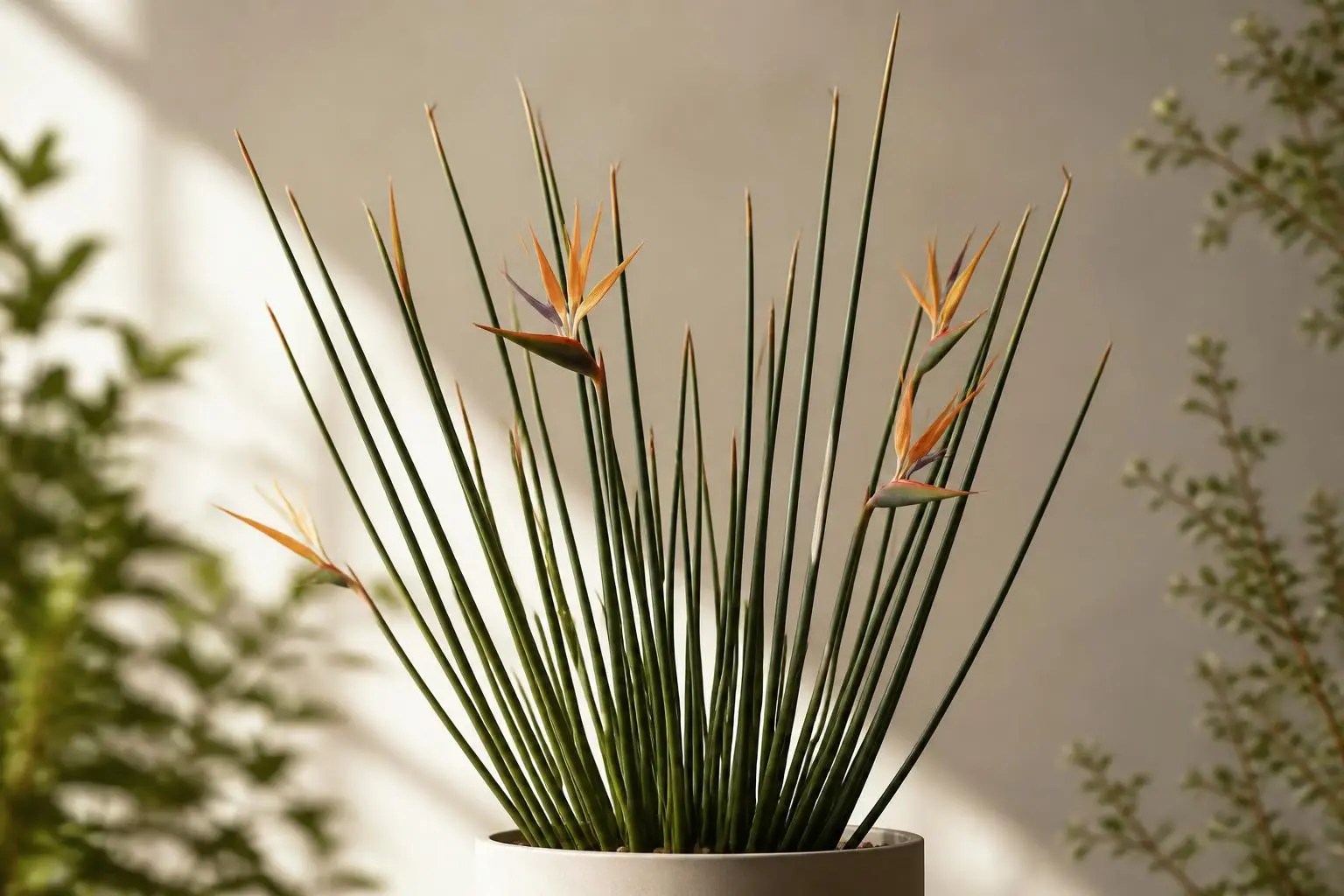
Narrow cylindrical rush-like leaf blades instead of broad paddles; same vibrant orange and blue crane-shaped flowers on a tidy upright clumping form reaching 3–4 feet tall
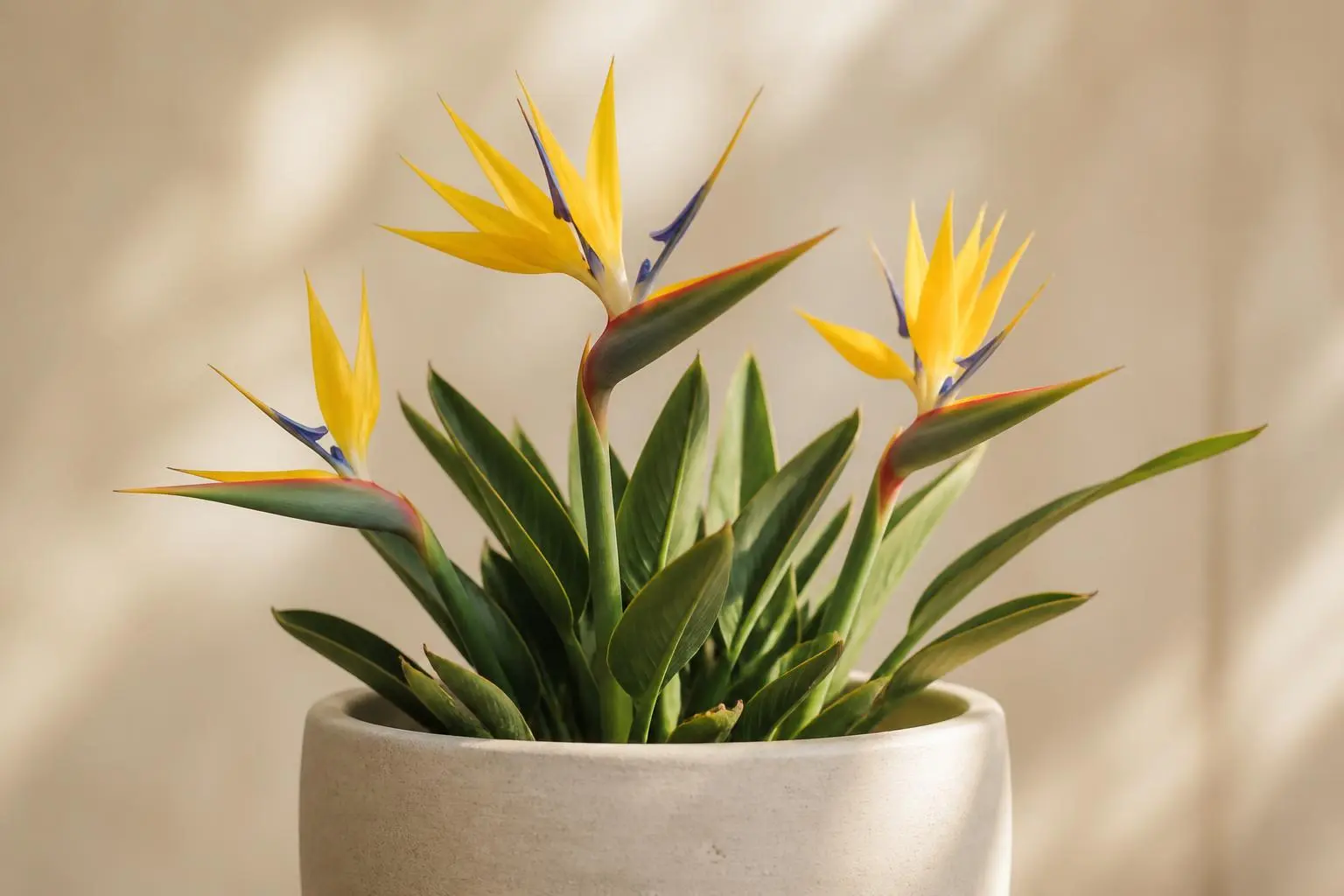
Golden yellow and blue crane-shaped flowers replacing the standard orange; otherwise identical compact blue-green paddle-leaf form and 3–5 foot clumping habit as standard reginae
4 varieties compared
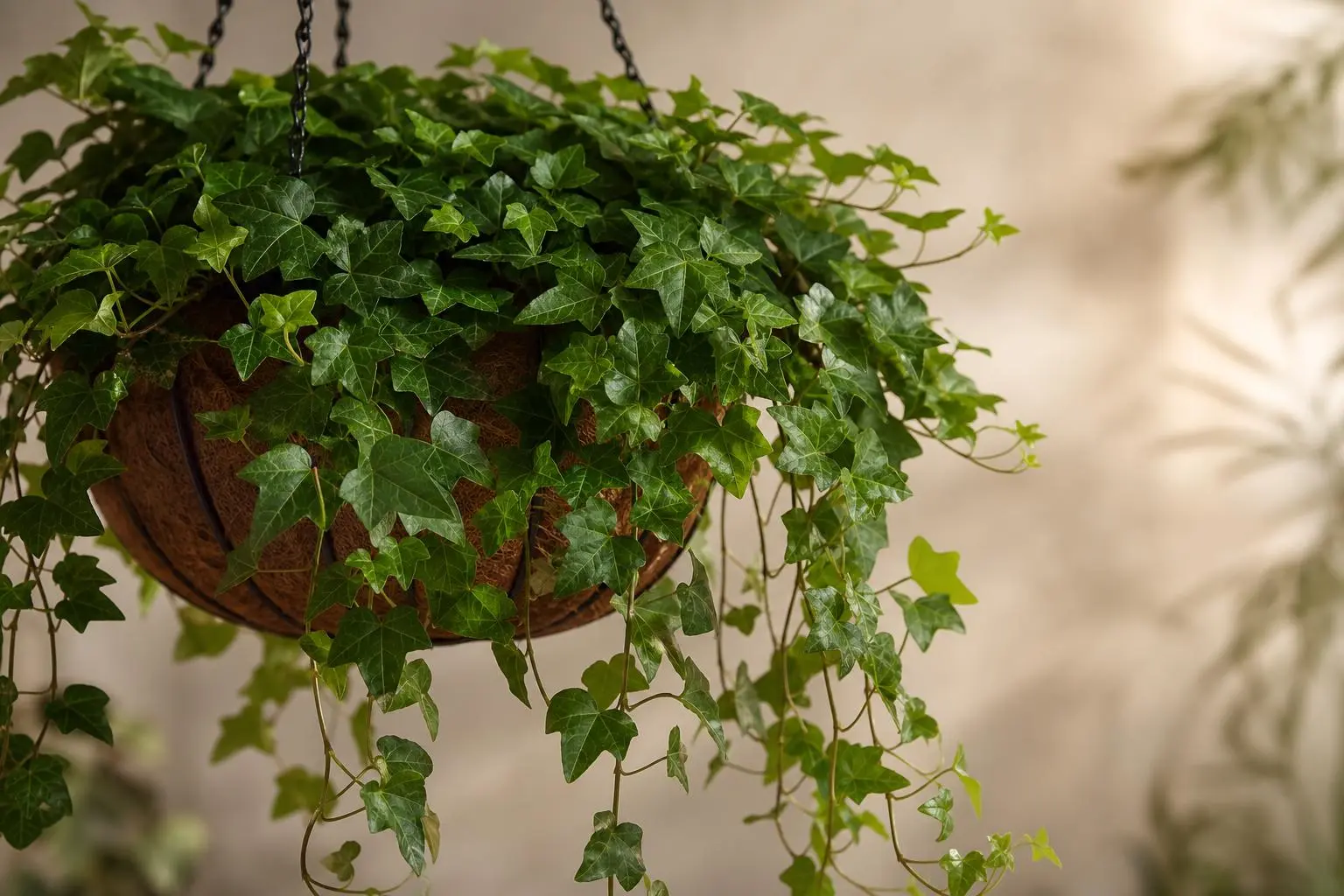
Classic 3-5 lobed dark green leathery leaves with sharp-pointed tips; the most vigorous trailing growth of all English Ivy varieties, reaching six feet or more indoors
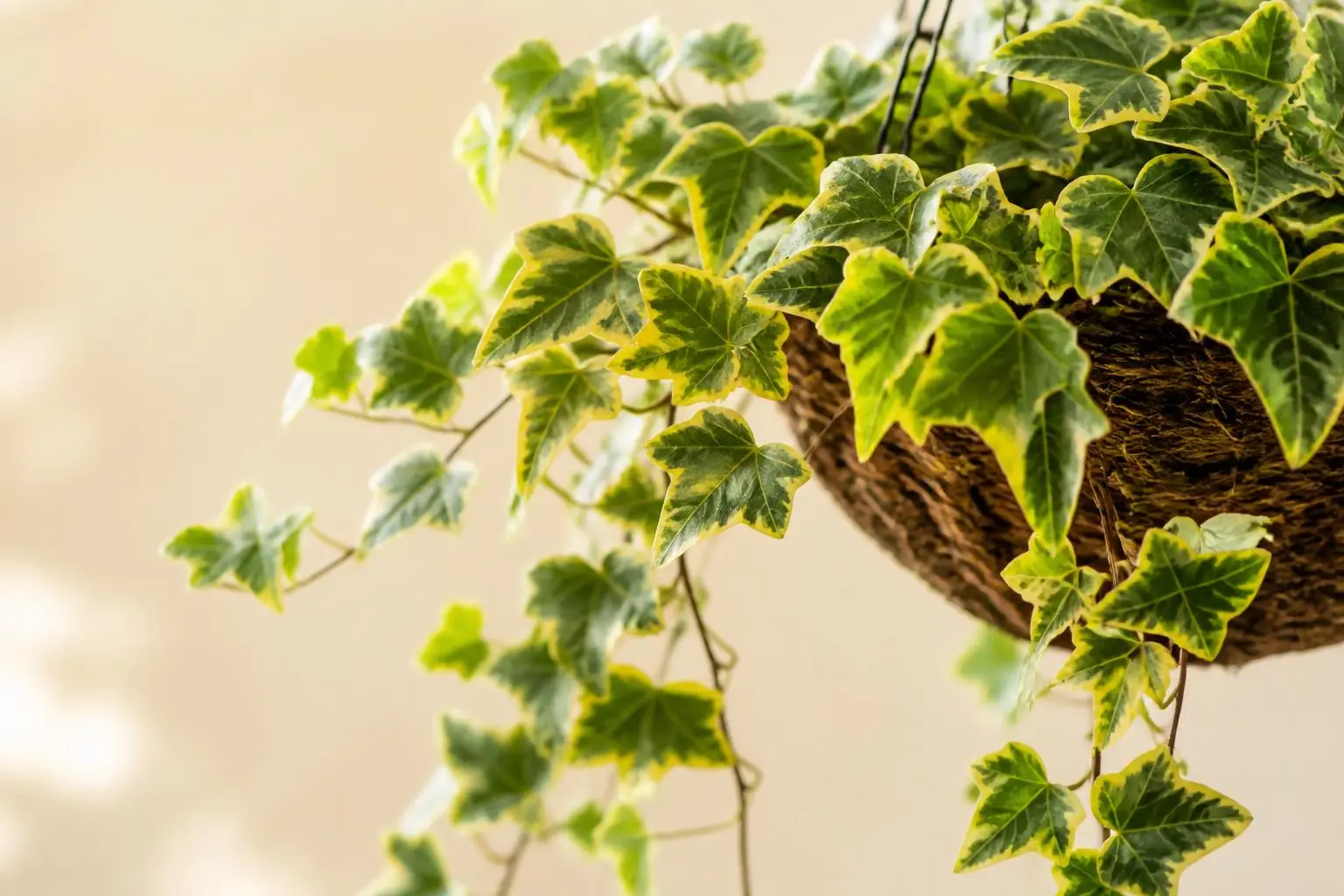
Broad golden-yellow leaf margins surrounding a green center; RHS Award of Garden Merit winner with notably stable variegation that brightens shaded indoor spaces
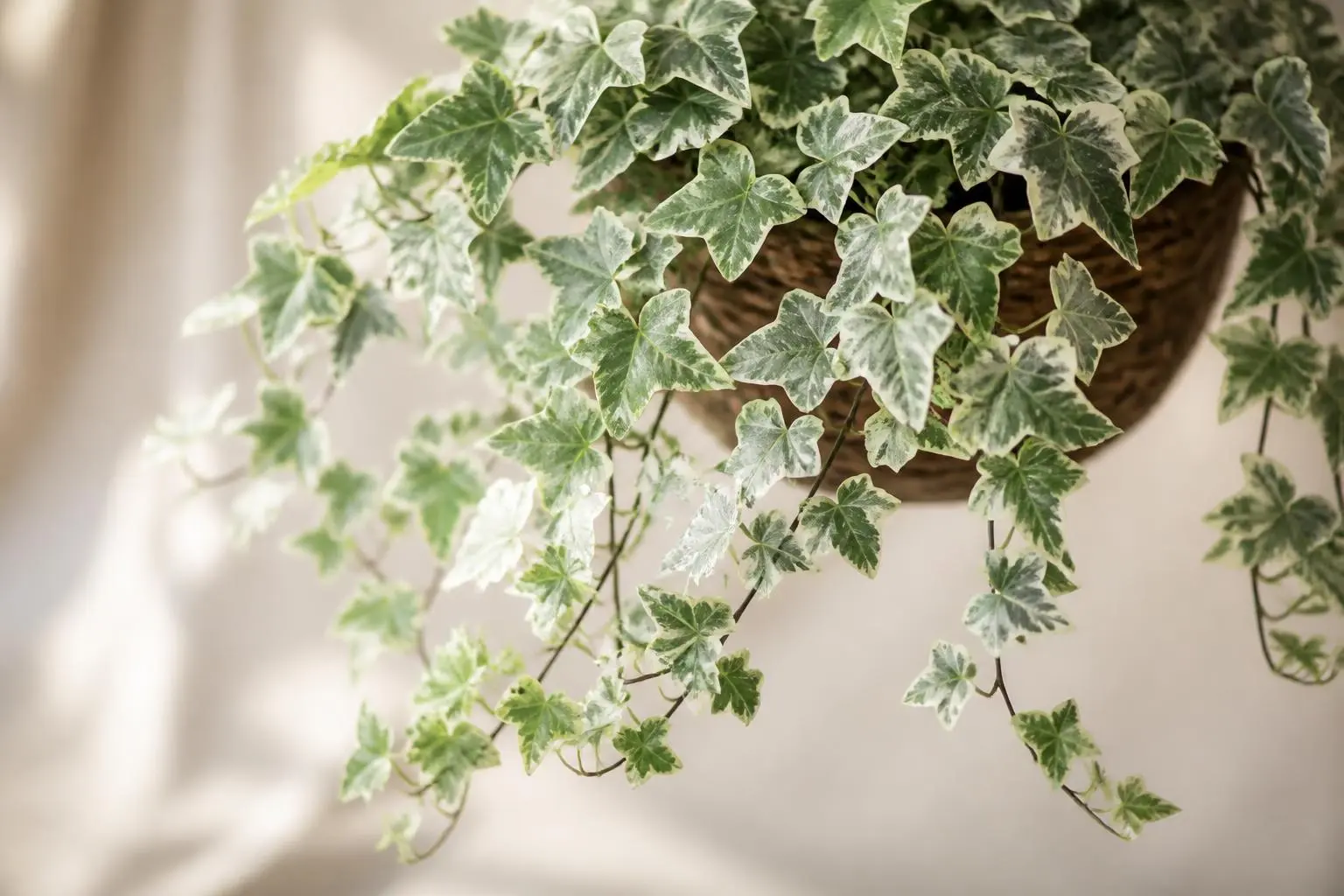
Silvery-gray and white patches on green leaves with crisp white margins creating a frost-like appearance; cooler-toned variegation; smaller finely lobed leaves ideal for modern interiors
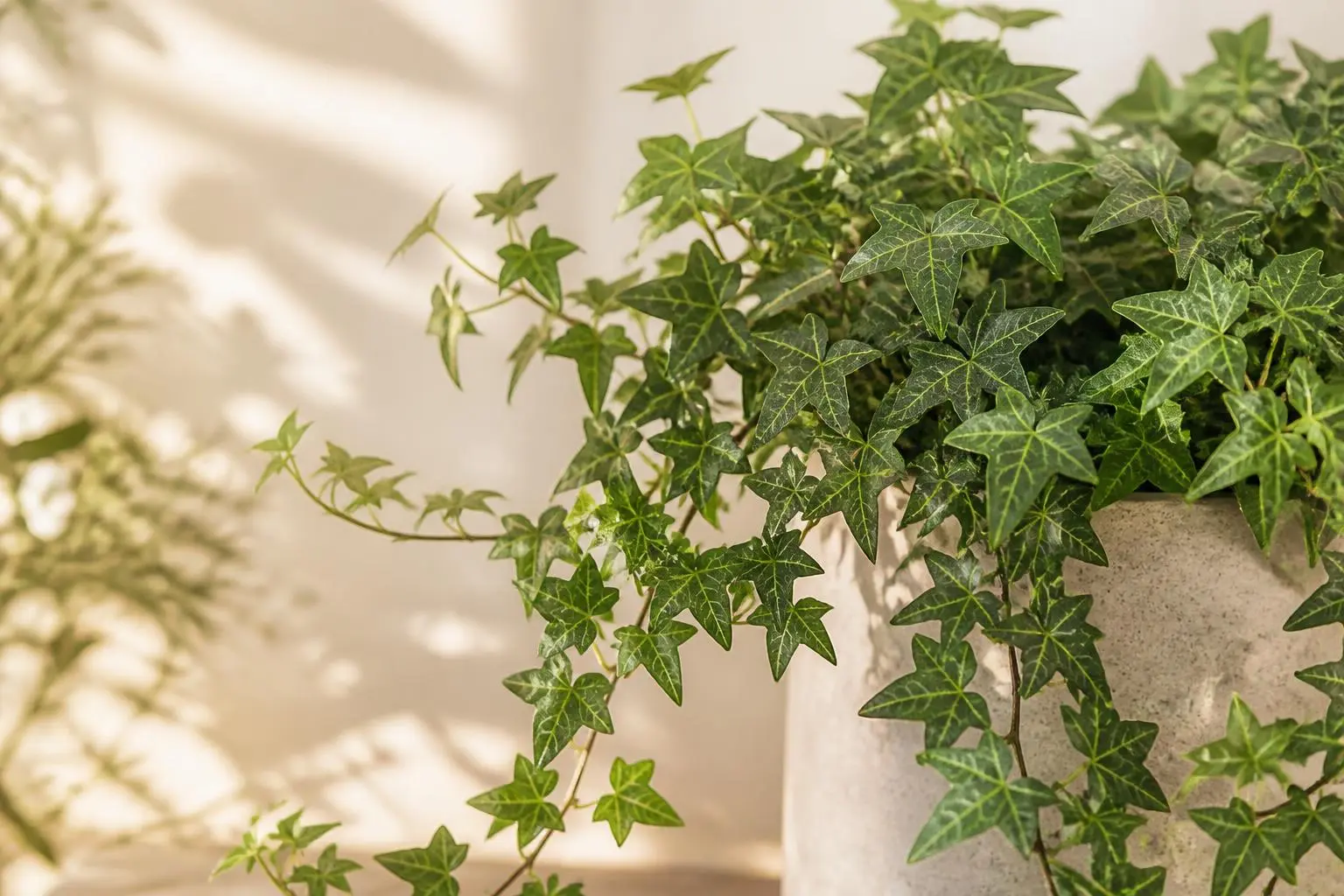
Narrow sharply pointed leaf lobes creating a finely cut feathery texture with five to seven needle-like lobes per leaf; a Victorian-era topiary favorite prized for intricate living sculptures
4 varieties compared
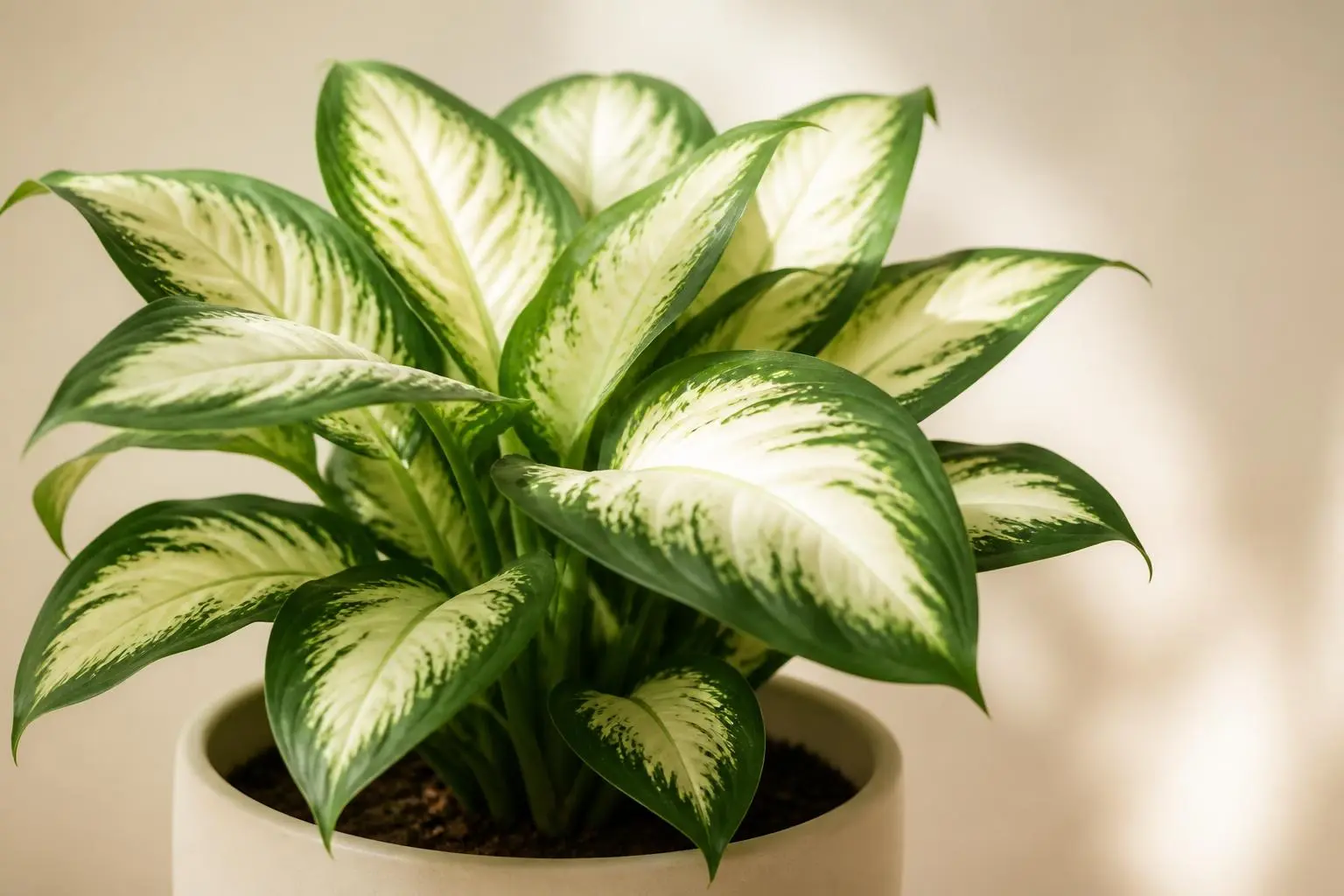
Broad creamy-white to pale yellow leaf centers occupying most of the surface with dark green margins; compact bushy multi-stem growth habit reaching 2–3 feet tall
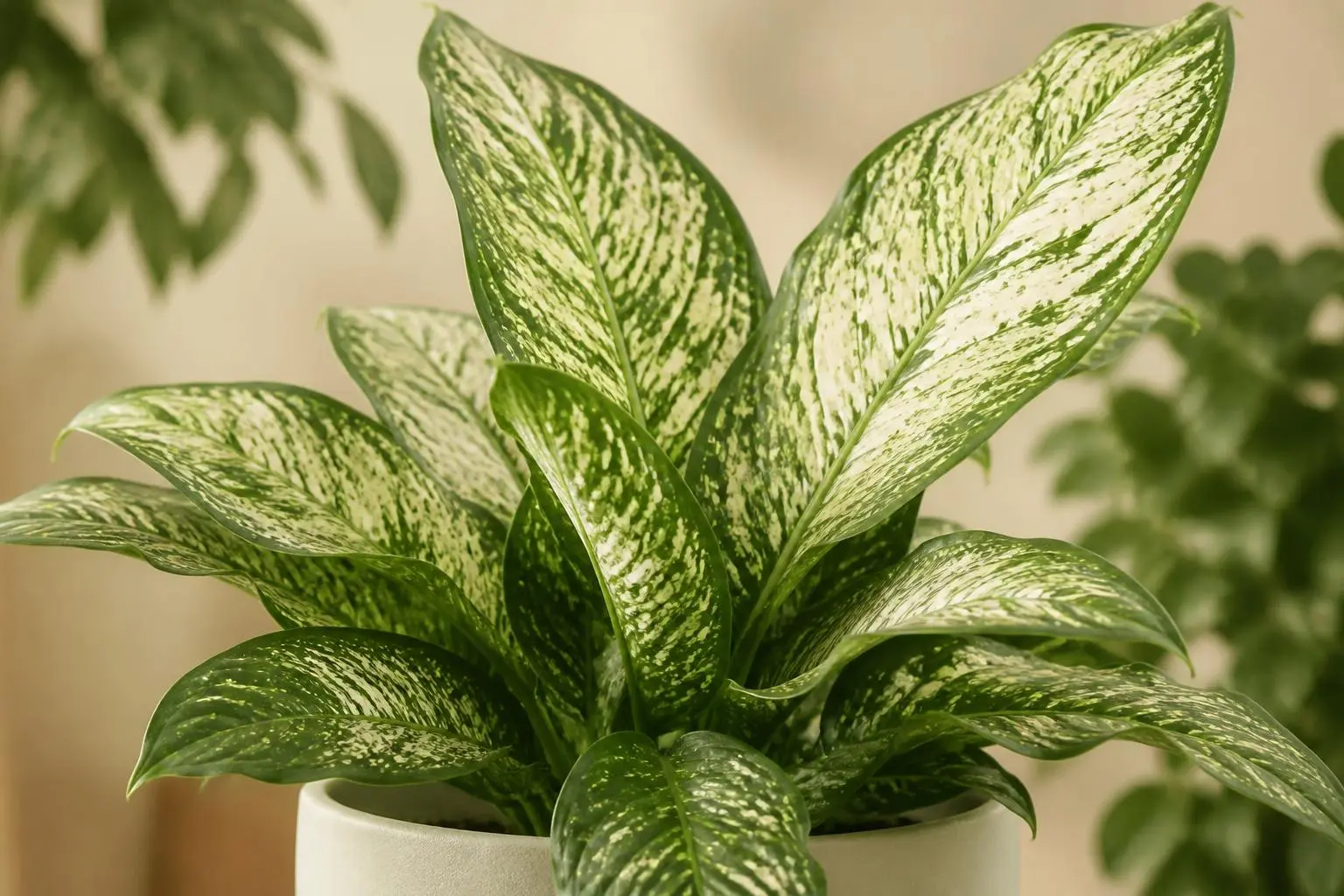
Green leaves heavily speckled and splashed with irregular creamy-white spots; larger upright cane-like growth reaching 3–5 feet tall with a snow-dusted tropical appearance
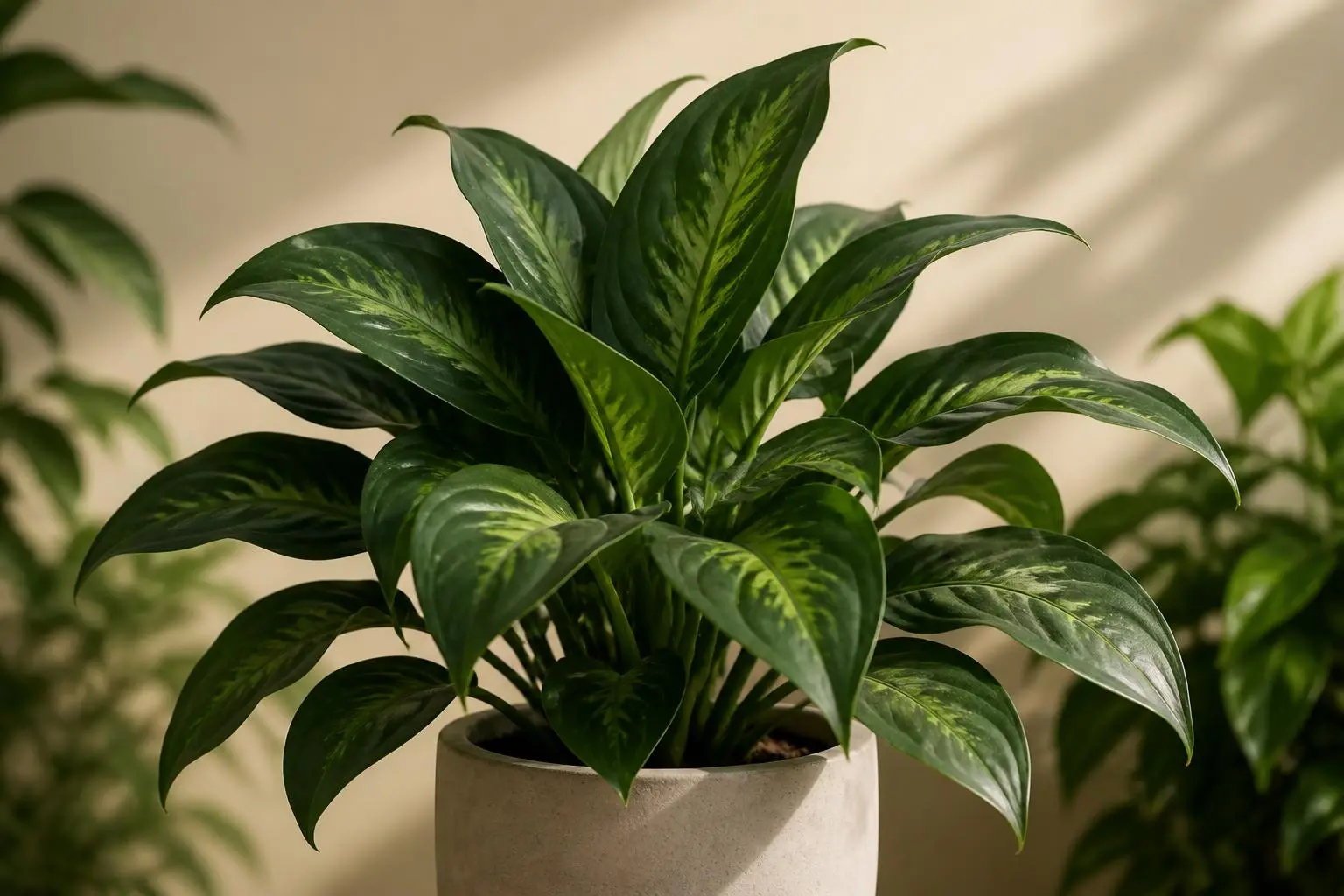
Solid dark green leaves with only occasional lighter mottling; the most vigorous and largest-growing Dieffenbachia species reaching 4–6 feet indoors with thick durable foliage
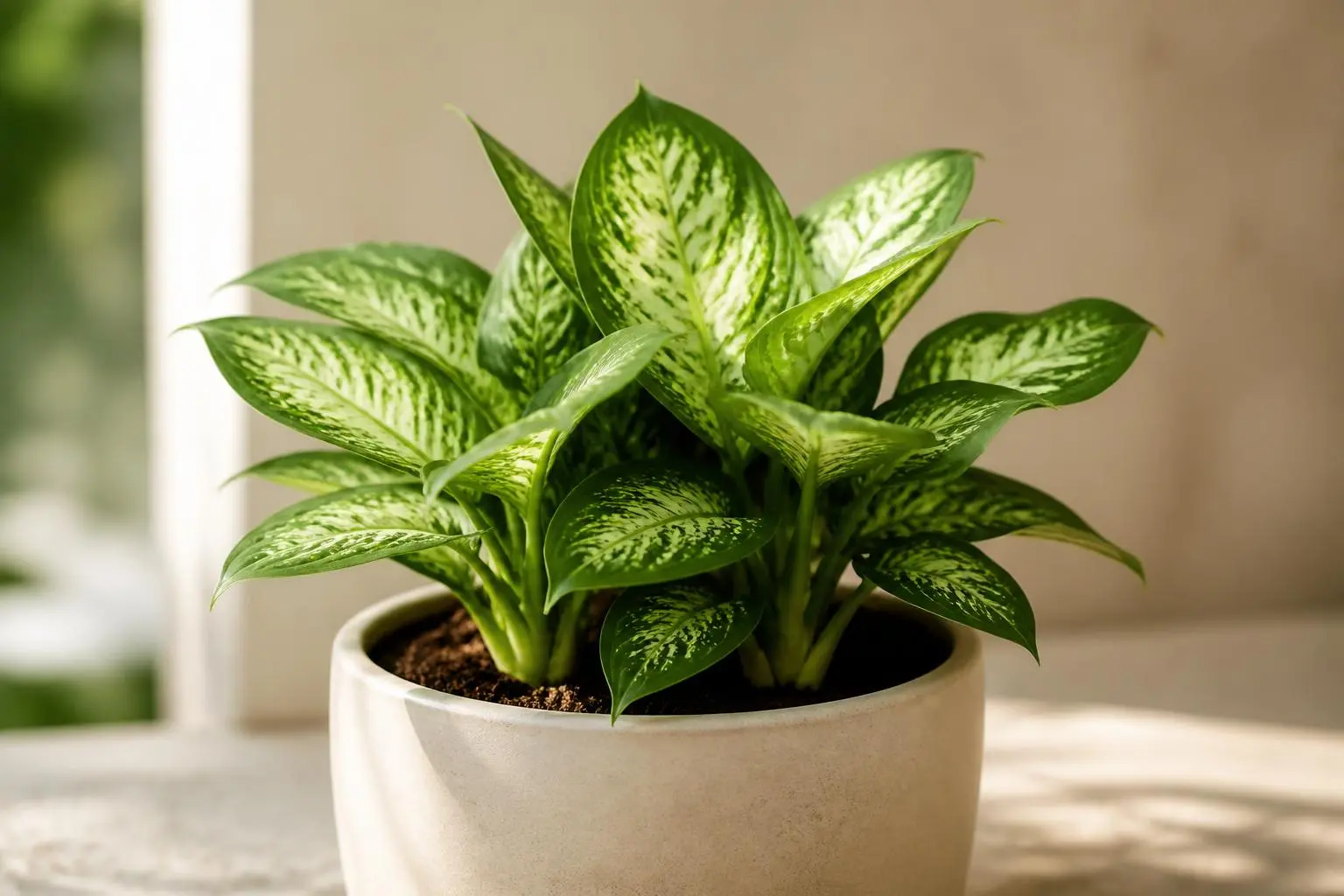
Smaller 4–6 inch leaves densely packed on short stout stems; dwarf bushy habit reaching only 12–18 inches tall that rarely develops bare trunks over time
4 varieties compared
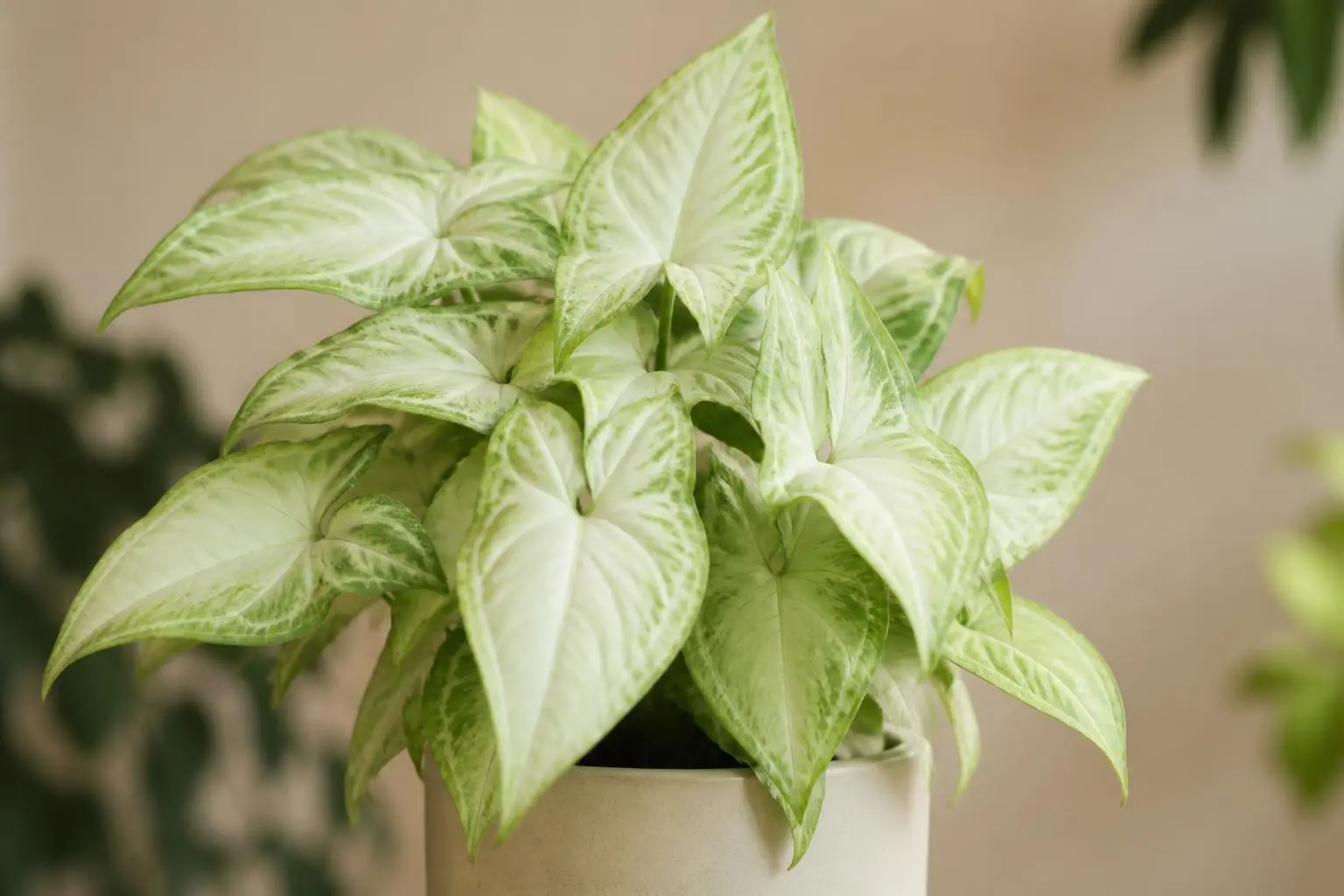
Pale green leaves heavily marked with white in a butterfly-wing pattern; most common and widely available variety; bright, airy appearance
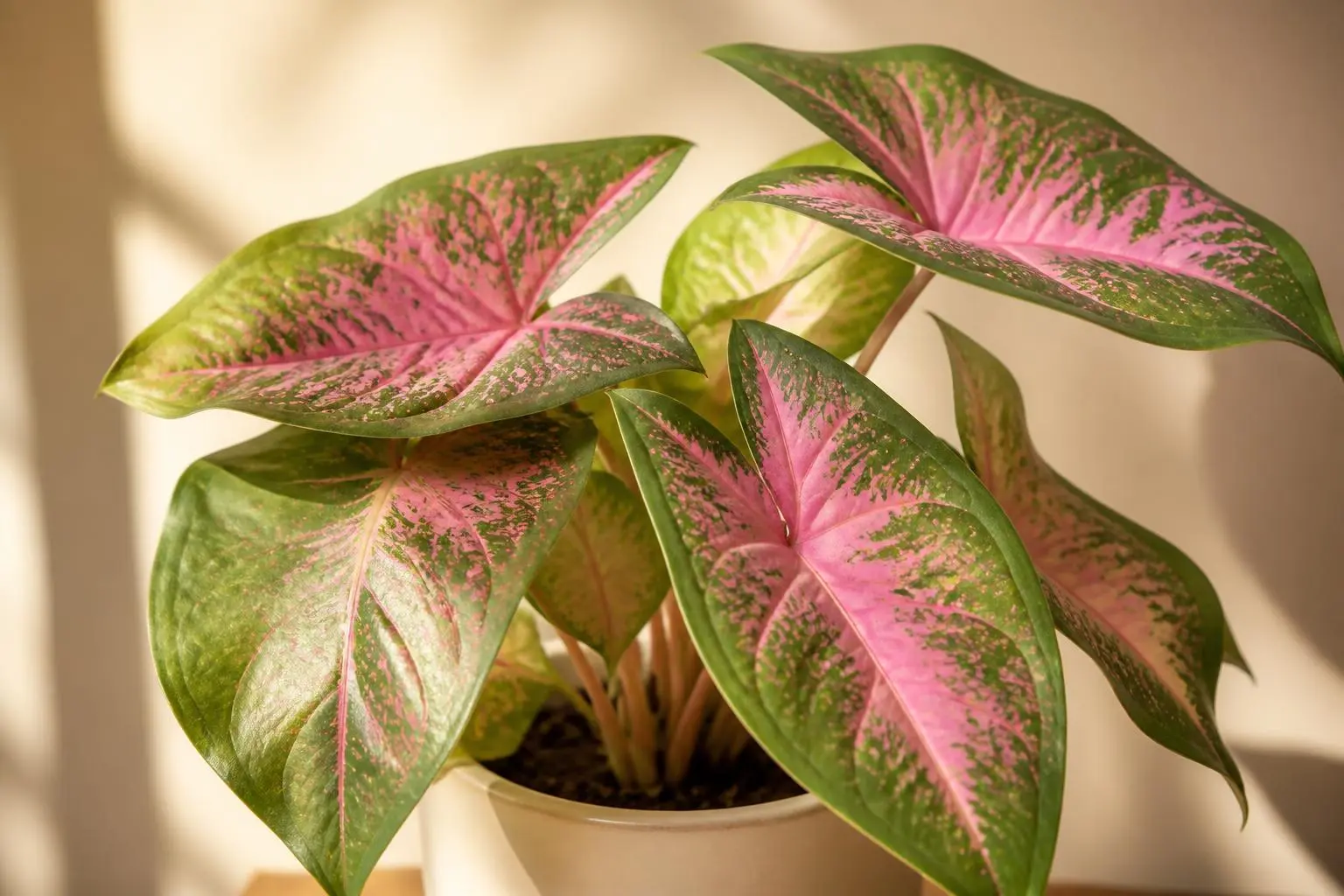
Green leaves with bright pink splotches and splashes; each leaf has a unique pattern ranging from speckles to large bold patches; vivid colorful accent plant
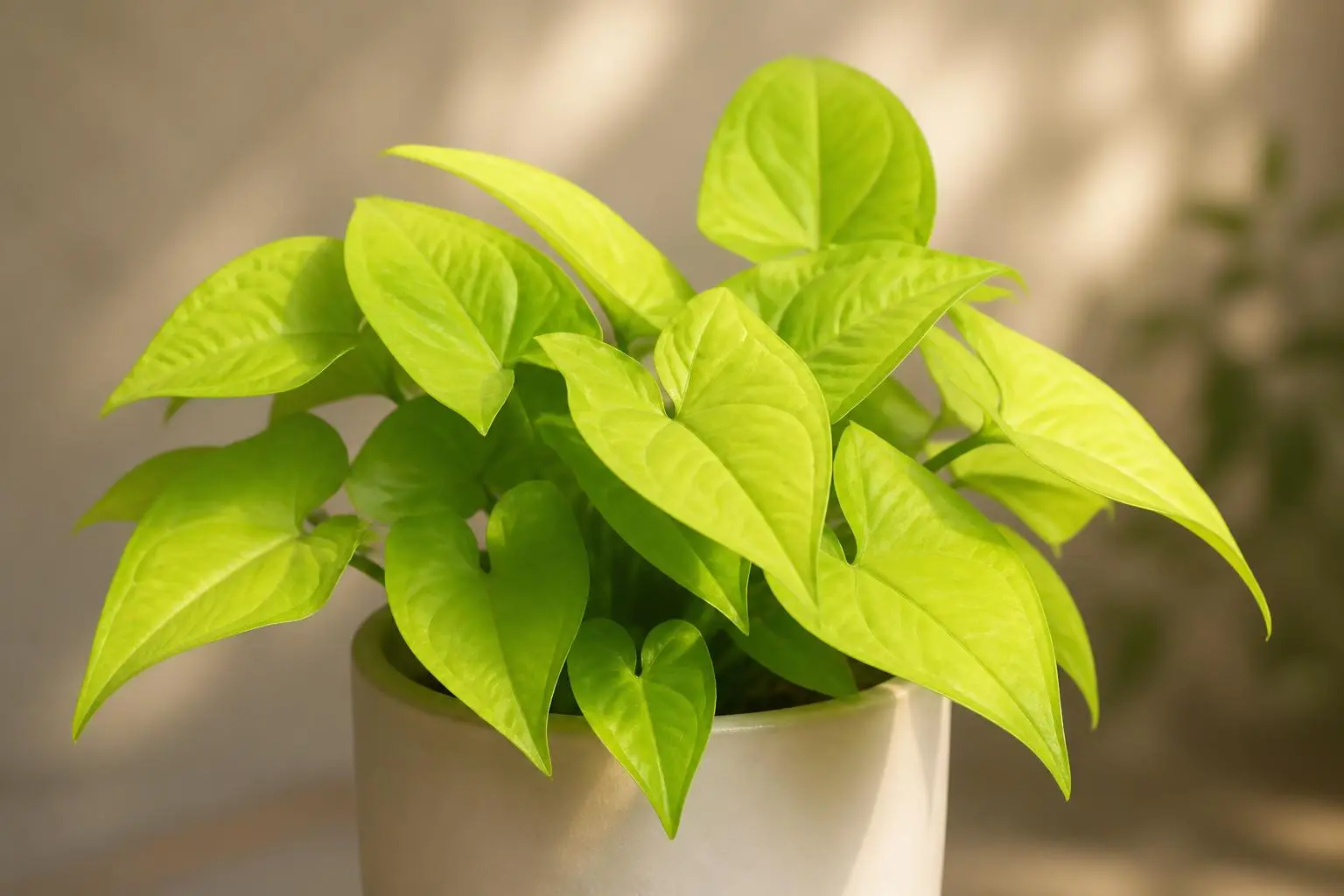
Solid bright chartreuse-lime green leaves with no variegation; vivid neon coloring; all-green variety that glows under natural light

Large pure white patches on green leaves; unstable variegation that varies dramatically between leaves; rare collector variety with high-contrast blocks of white and green
4 varieties compared
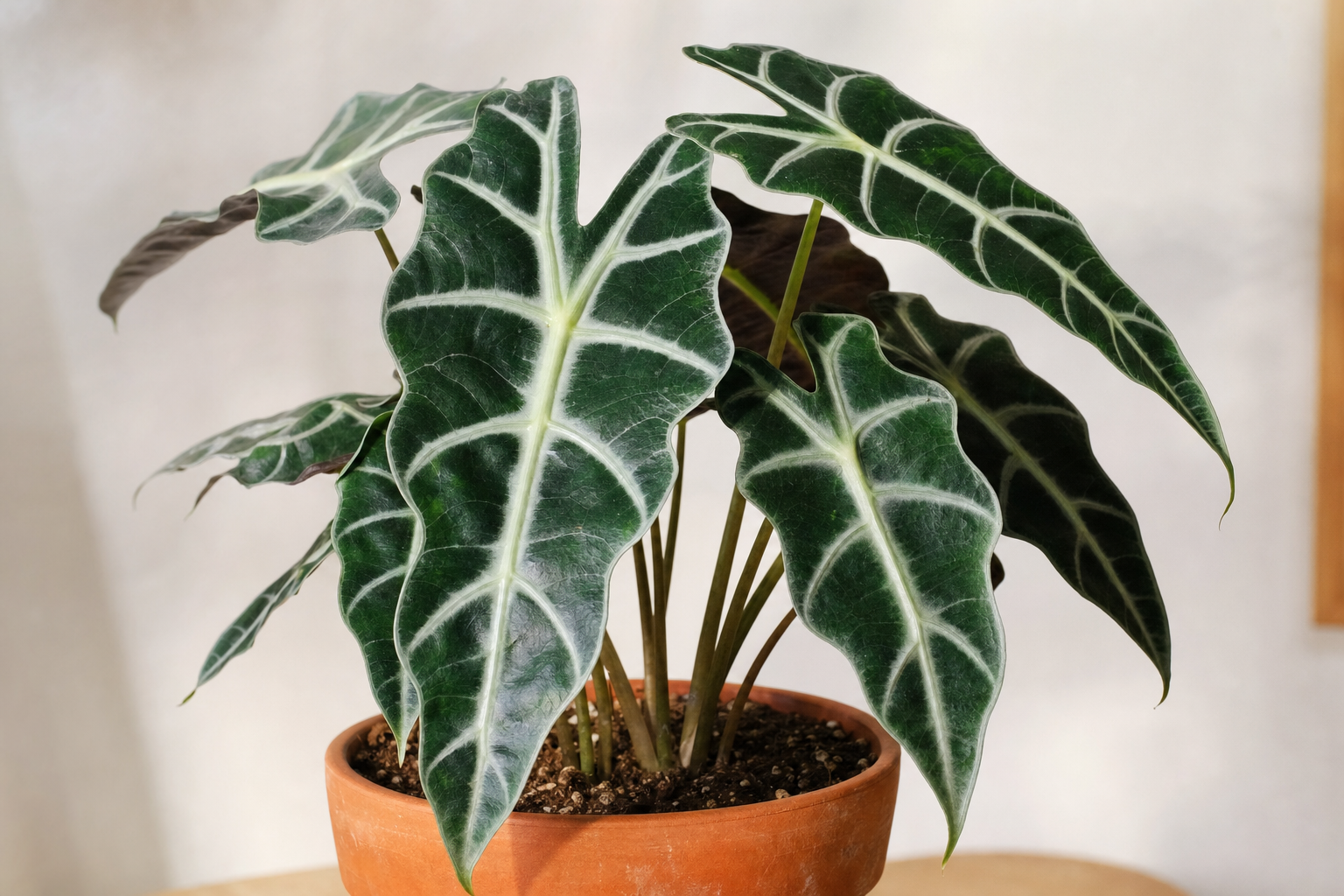
Arrow-shaped leaves with dark green coloring and bold silvery-white veining; compact growth habit; purplish-red leaf undersides
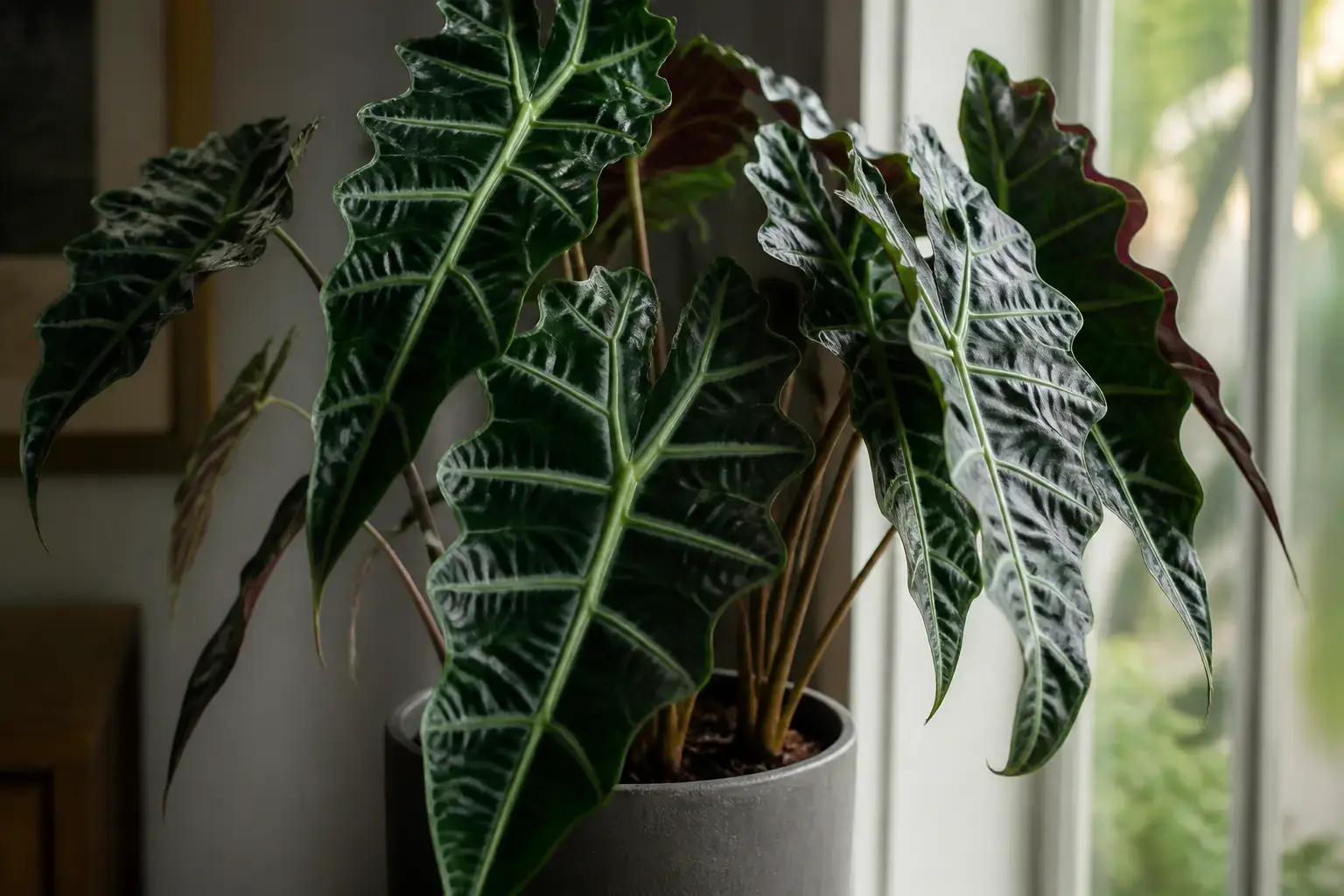
Larger, more deeply lobed arrow-shaped leaves with metallic silver veining; more pronounced leaf serrations than Polly
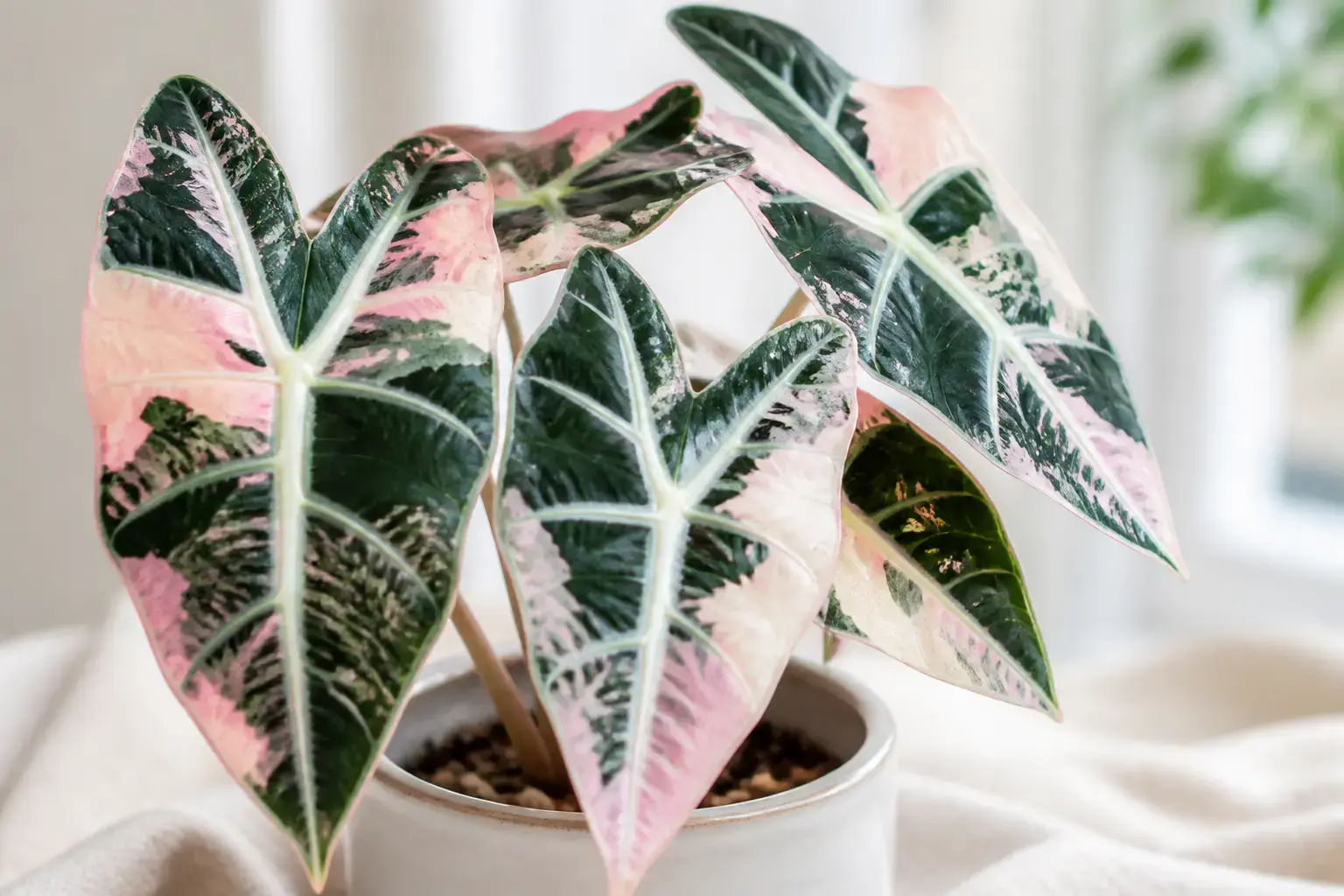
Unstable variegation with cream, white, or pink patches on leaves; each leaf has unique pattern
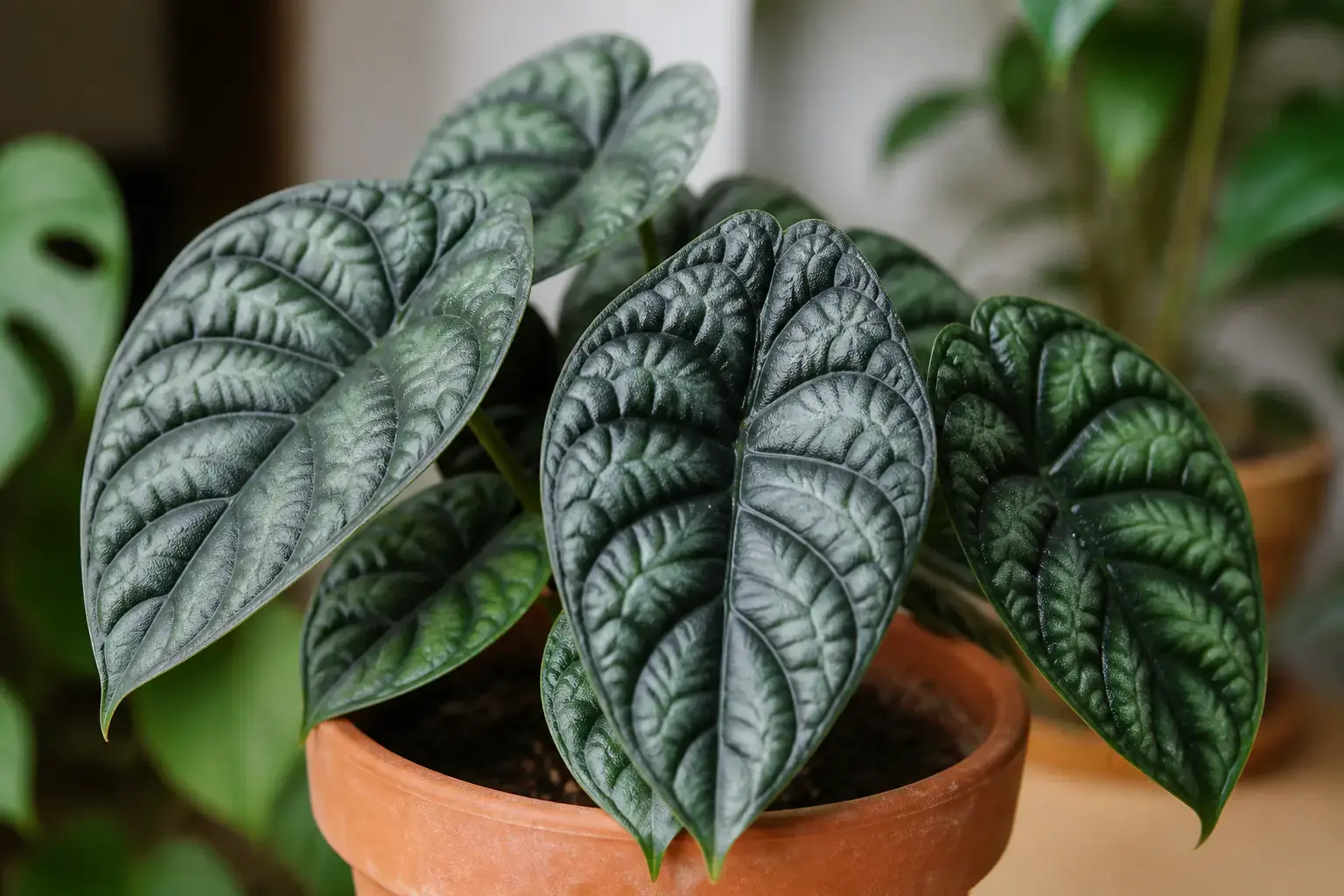
Thick, puckered "dragon scale" textured leaves; deep green with silvery veining; substantial, almost succulent leaf texture
4 varieties compared
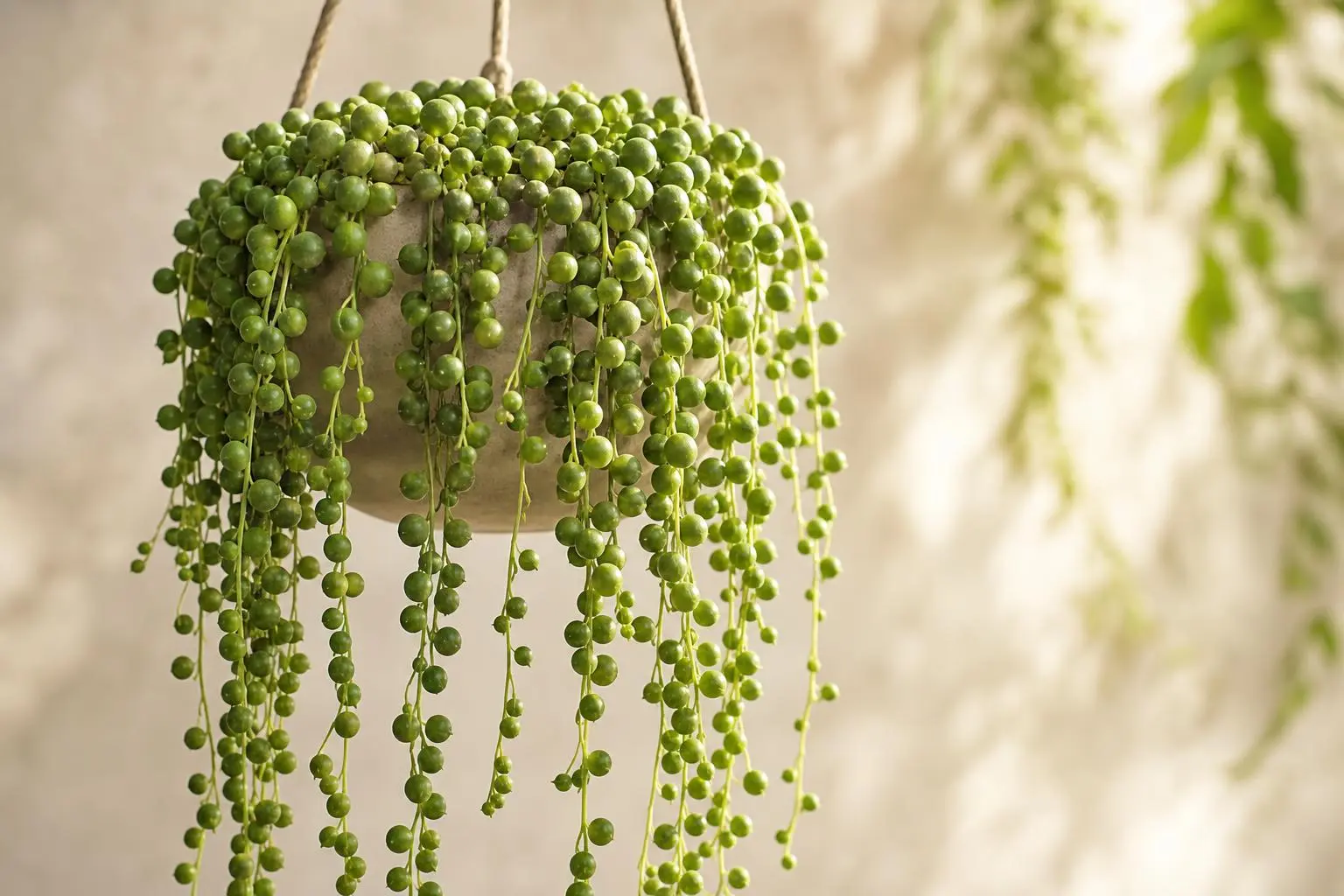
Perfectly round pea-sized green pearls with a translucent leaf window stripe; iconic beaded trailing appearance up to three feet long
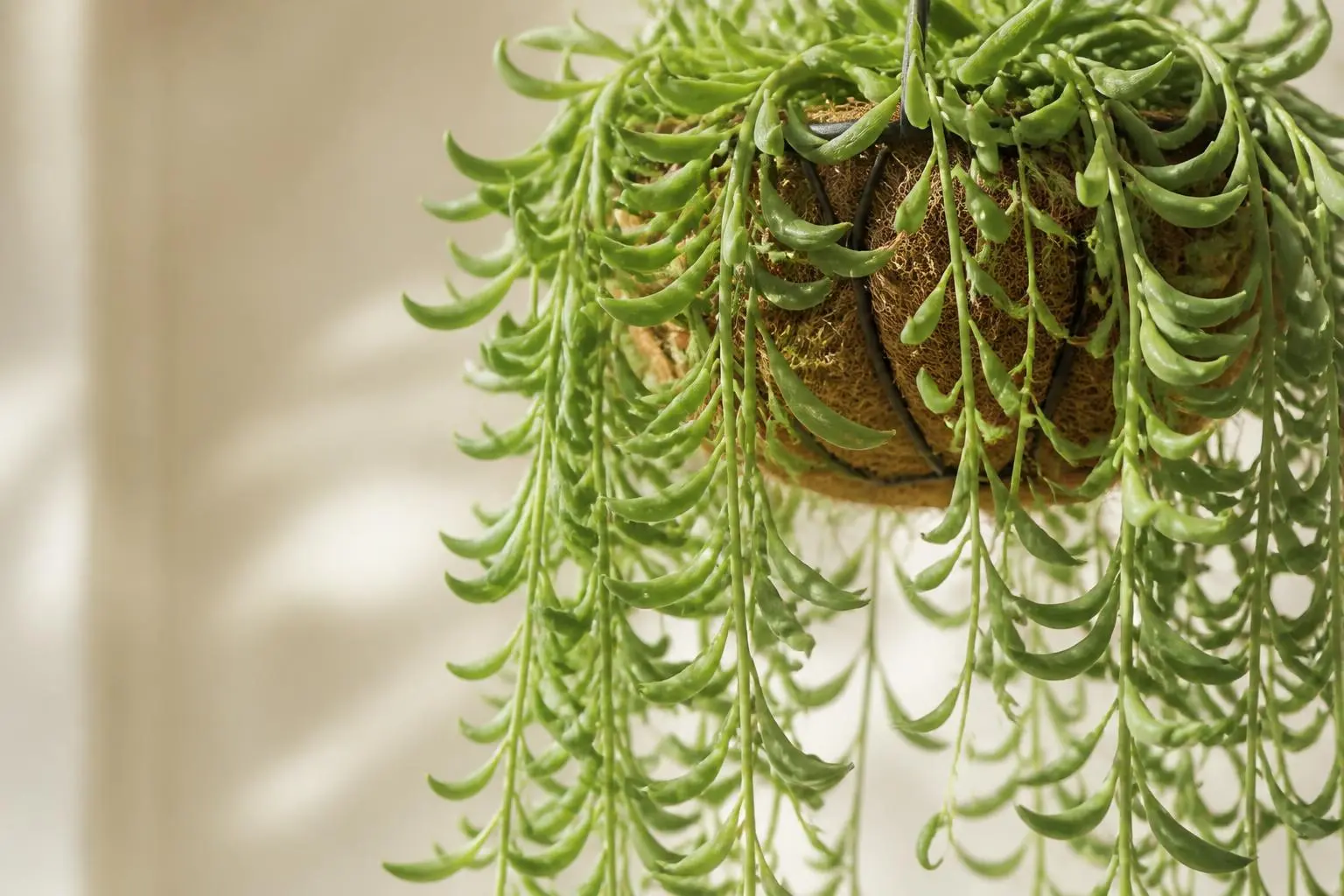
Elongated banana-shaped leaves instead of round pearls; larger thicker leaves with a translucent window; faster growing and more forgiving than standard
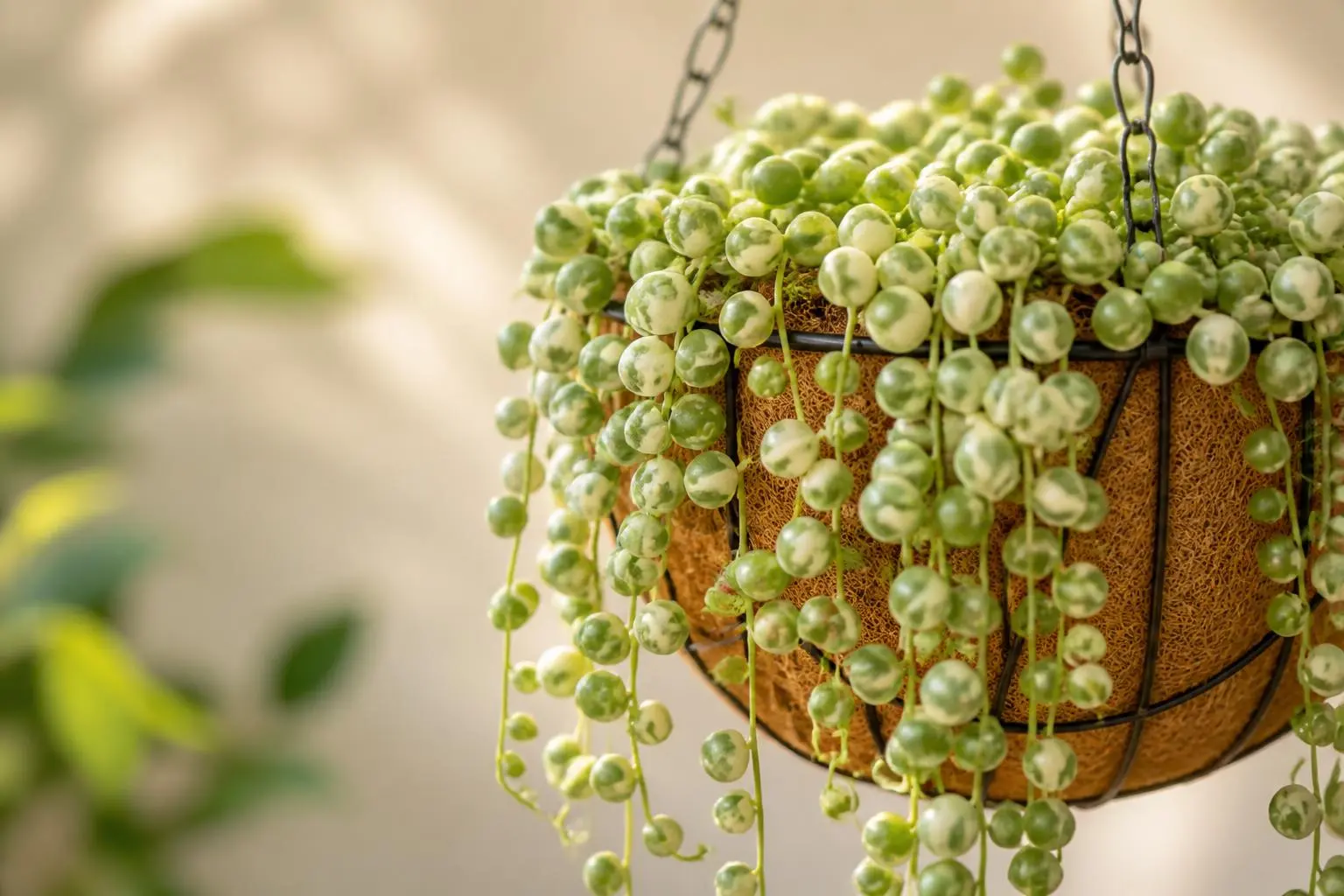
Green and creamy-white striped variegated pearls; each leaf displays a unique pattern; rare and significantly slower growing than standard
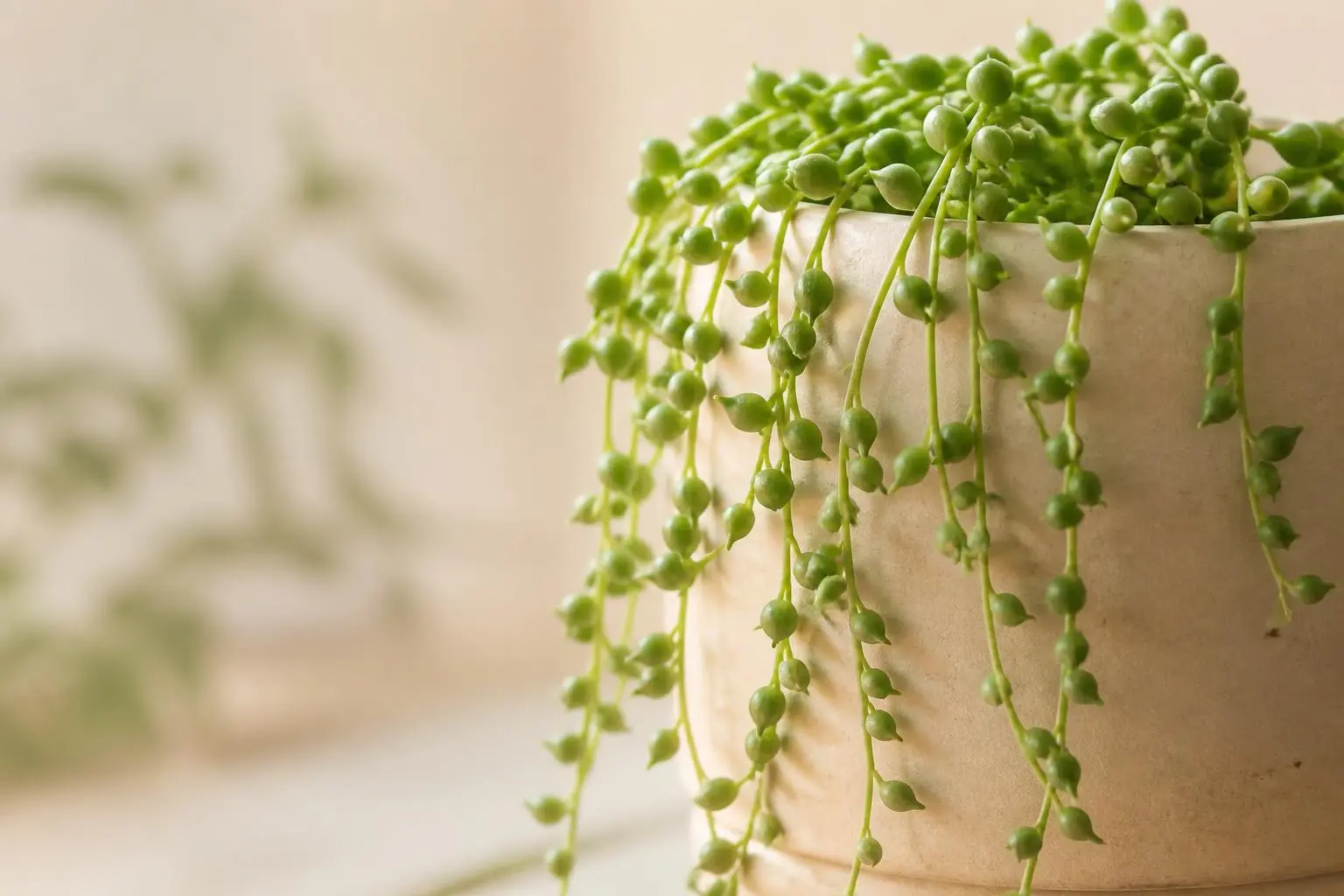
Teardrop-shaped leaves with pointed tips and wider rounded bases; translucent leaf windows visible when backlit; brush-like white flowers
4 varieties compared
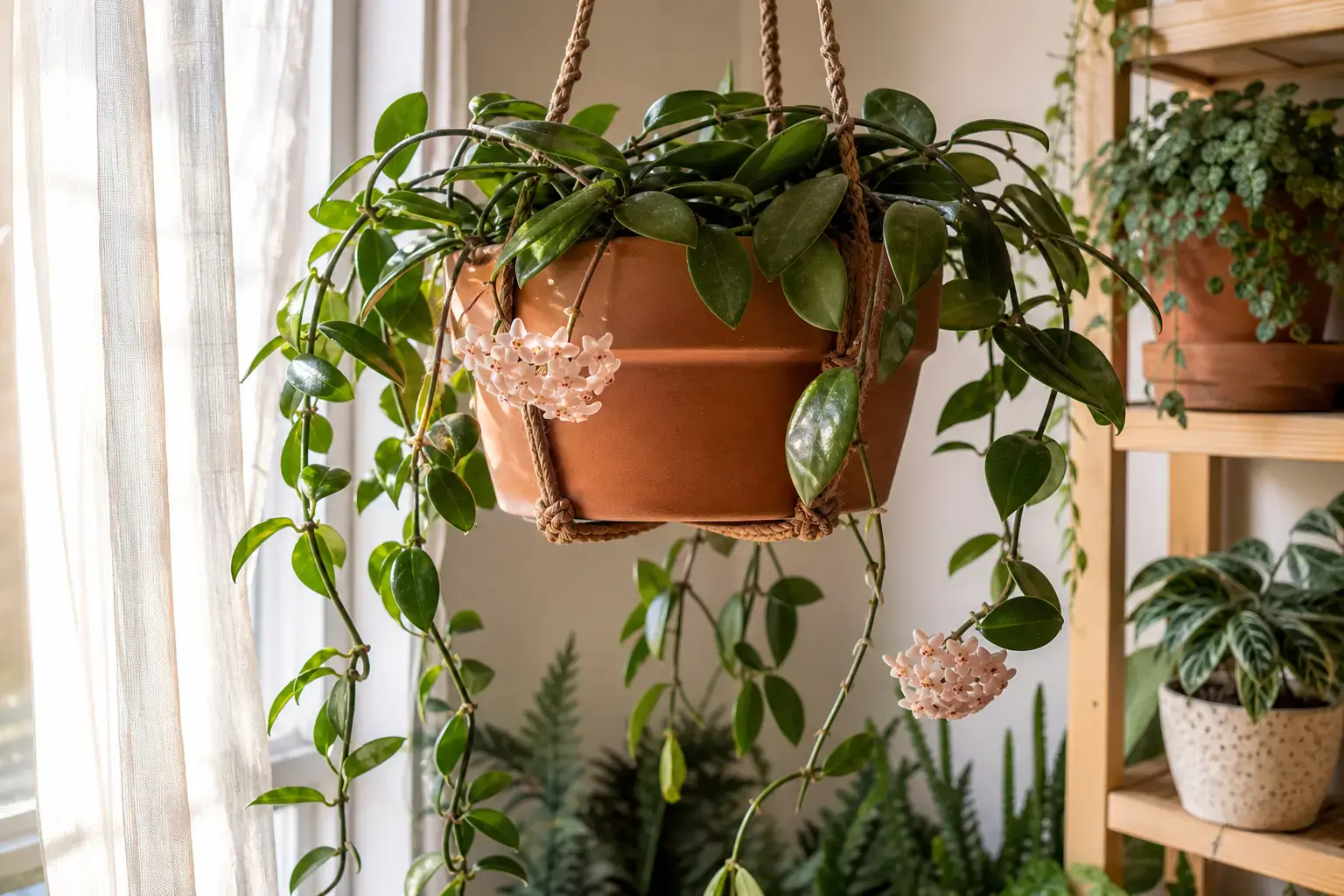
Plain green waxy oval leaves with vigorous trailing or climbing vines and fragrant porcelain-like flower clusters
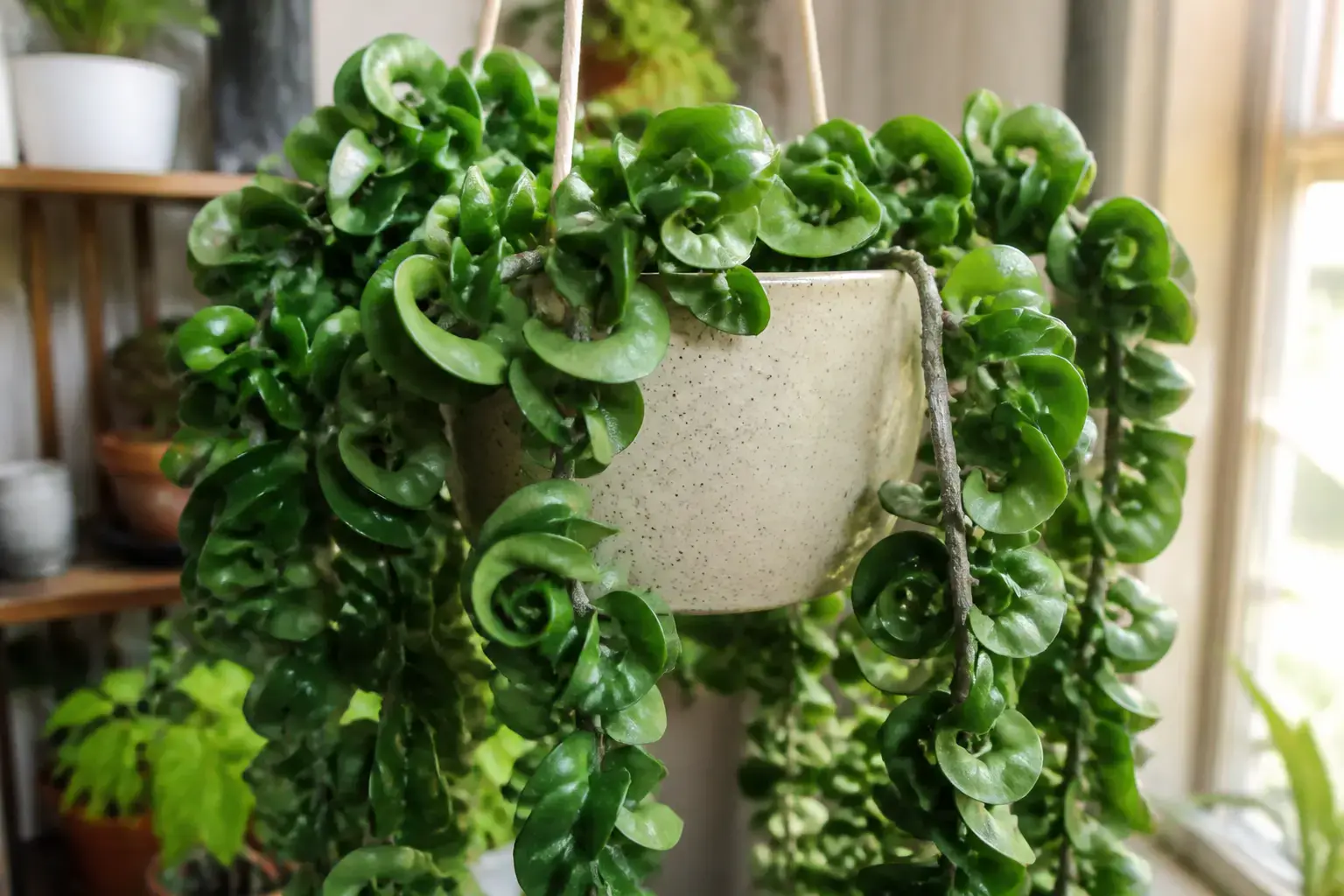
Curled rope-like vines with tightly folded waxy leaves
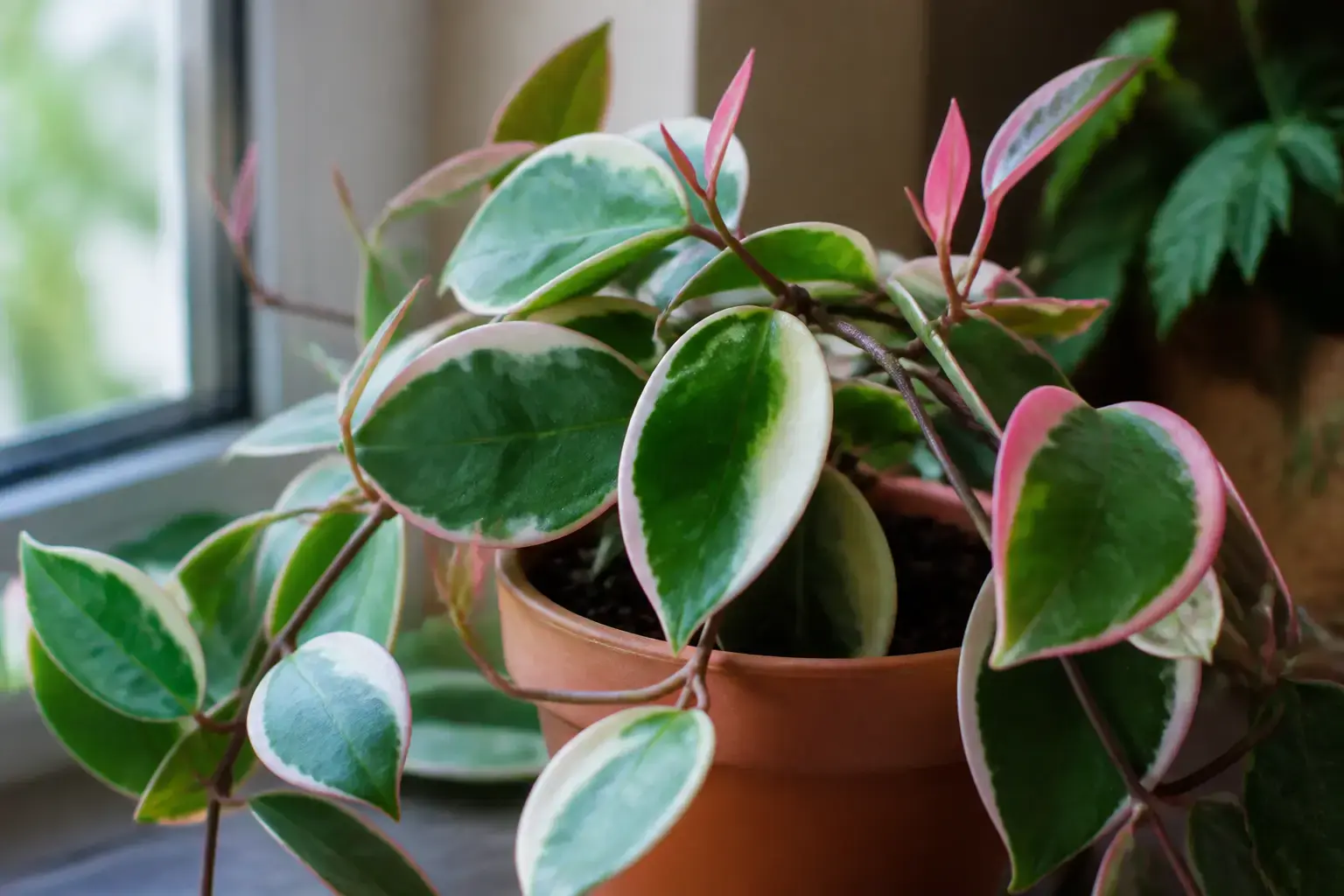
Creamy white and pink leaf margins with green centers and pink new growth
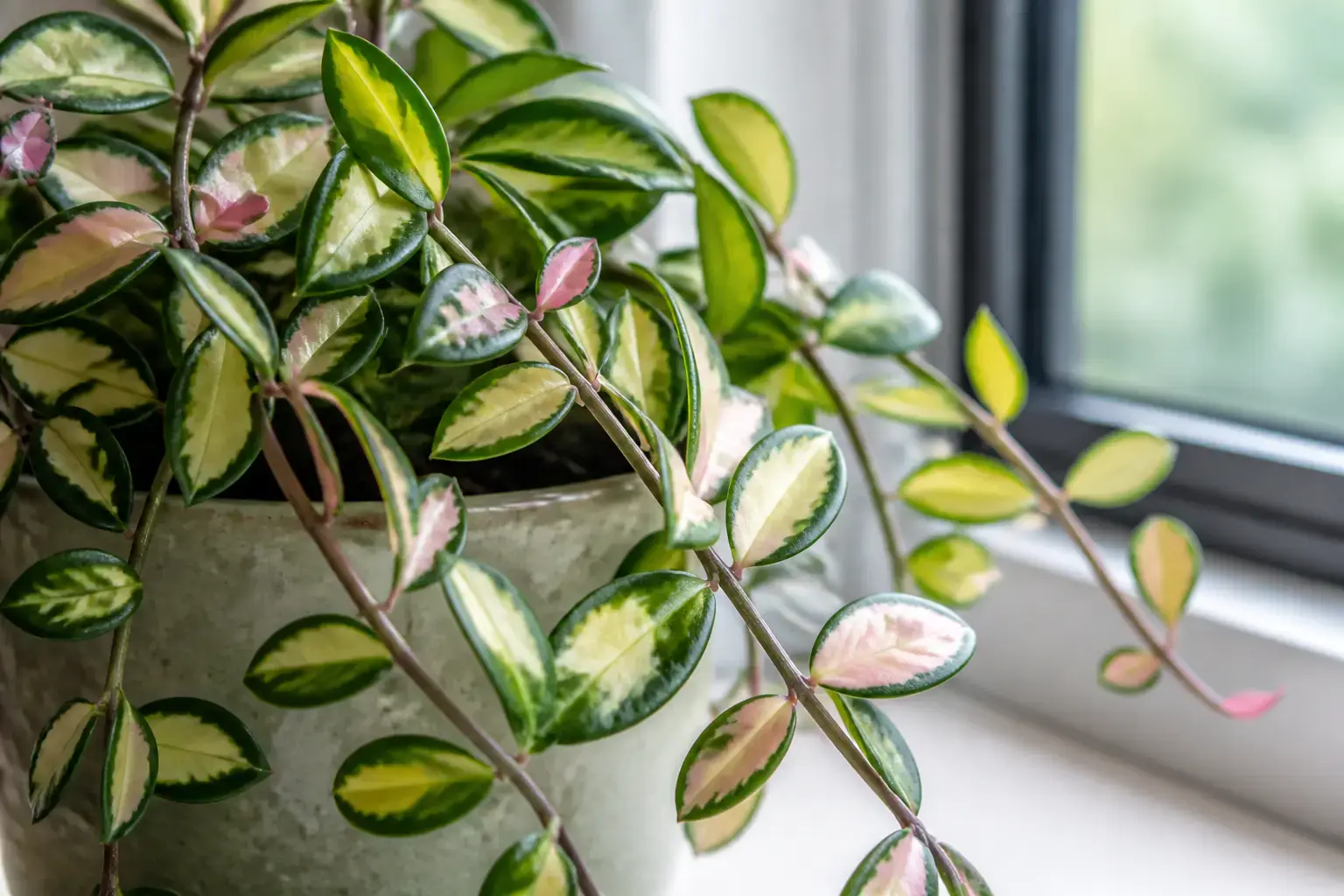
Creamy central leaf variegation framed by green margins
4 varieties compared
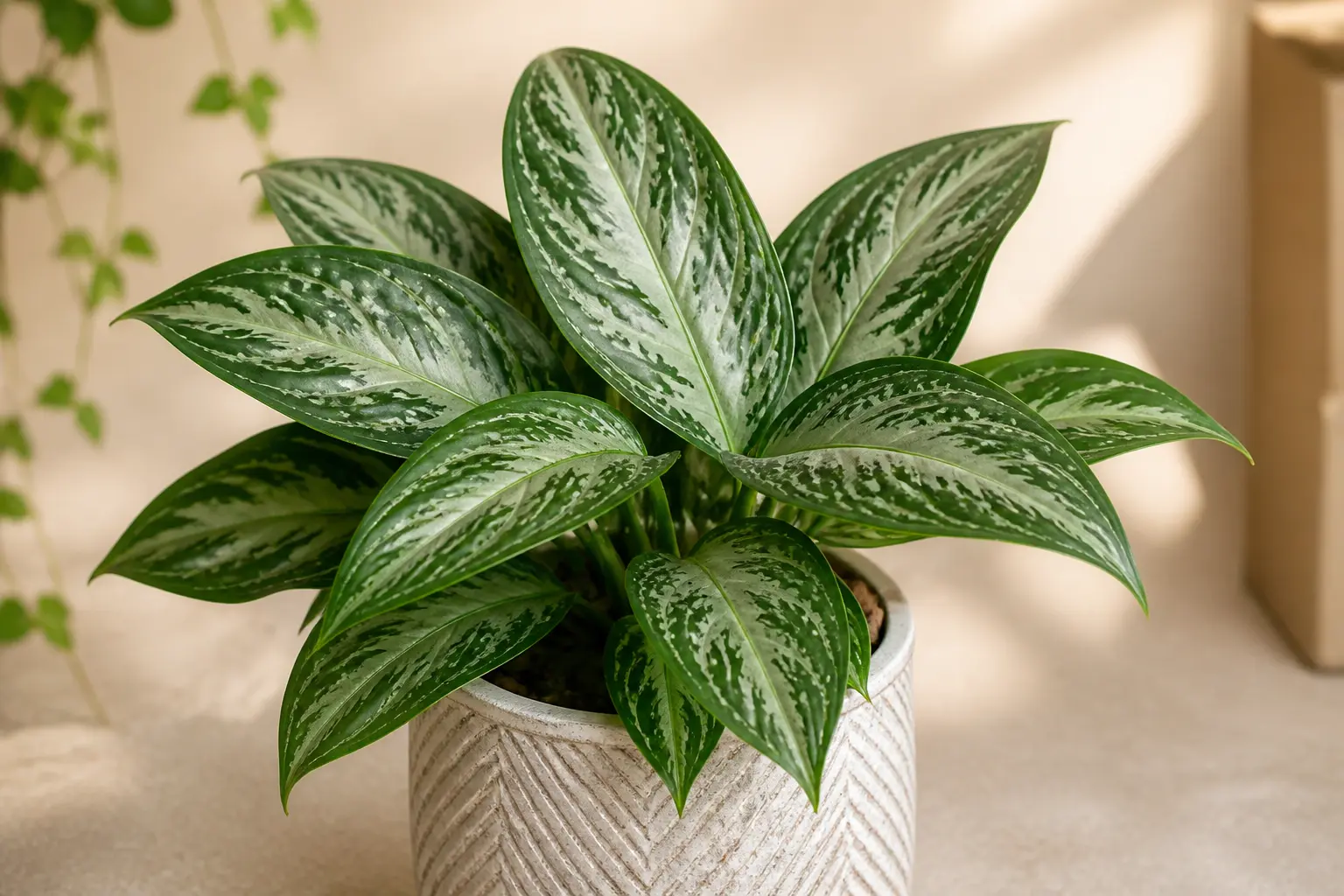
Deep green leaves with broad silver-gray center markings creating a luminous contrast
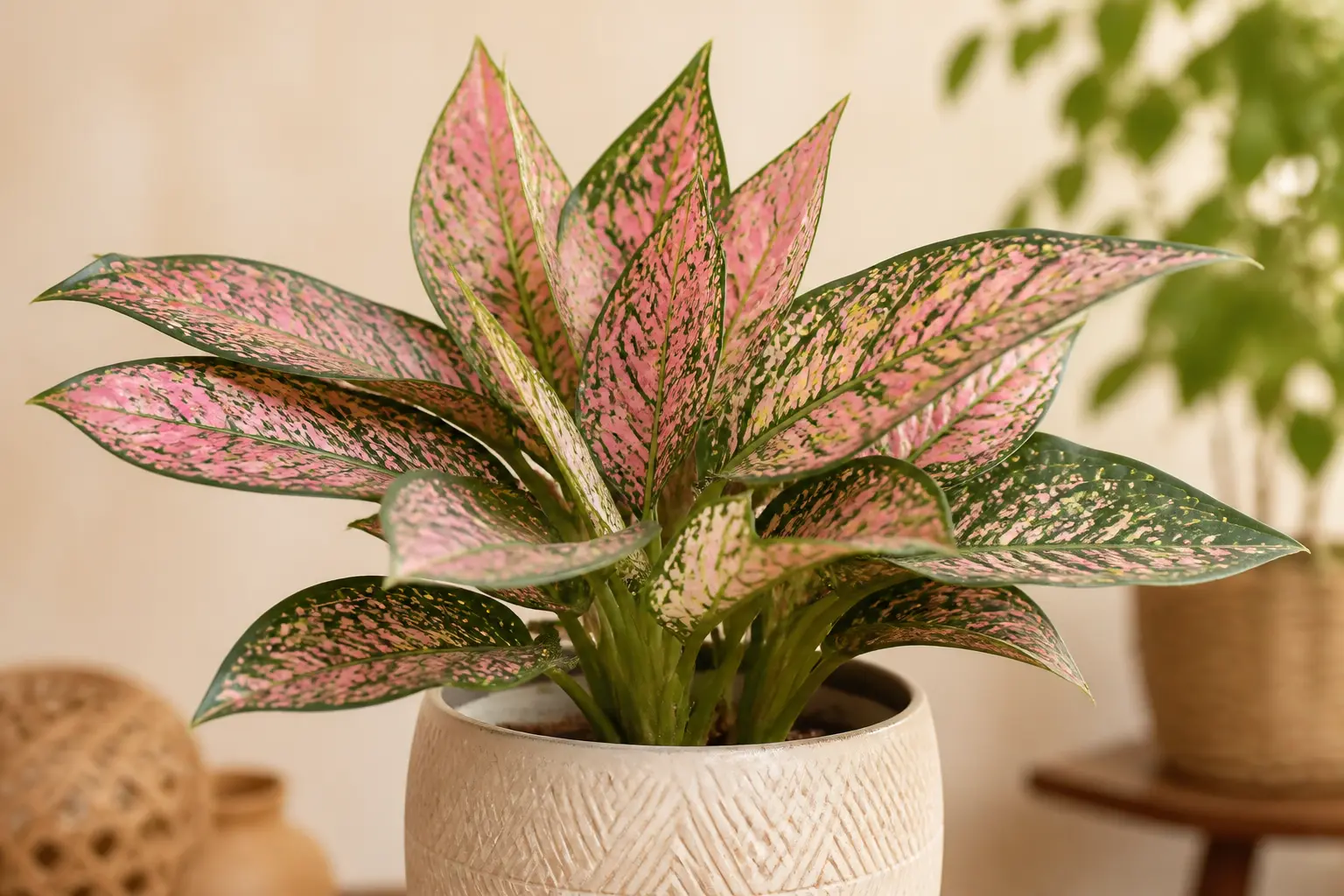
Dark green leaves heavily mottled with pink and cream spots resembling a dalmatian pattern
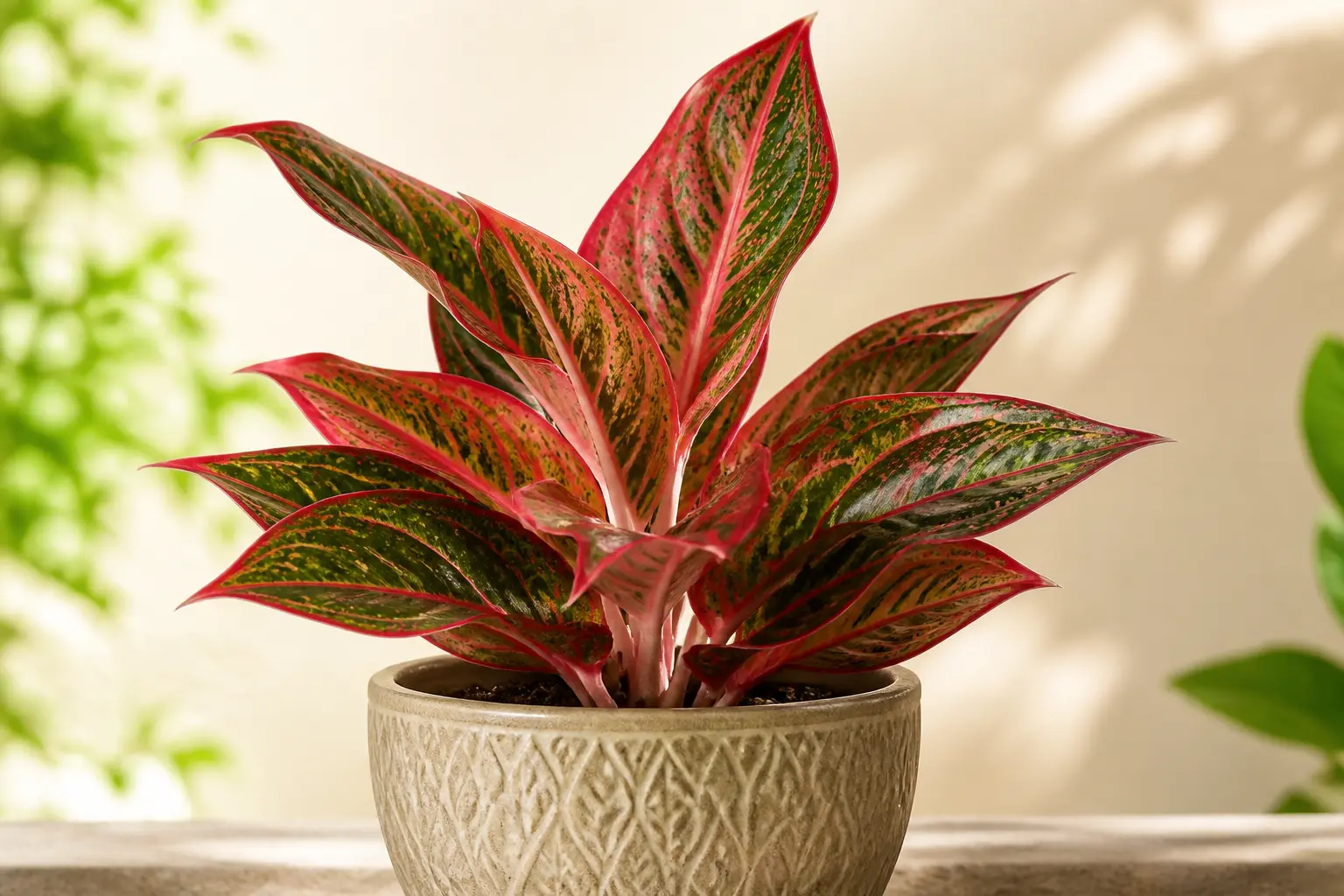
Bold red to pink leaf margins and midribs creating a romantic, layered color effect
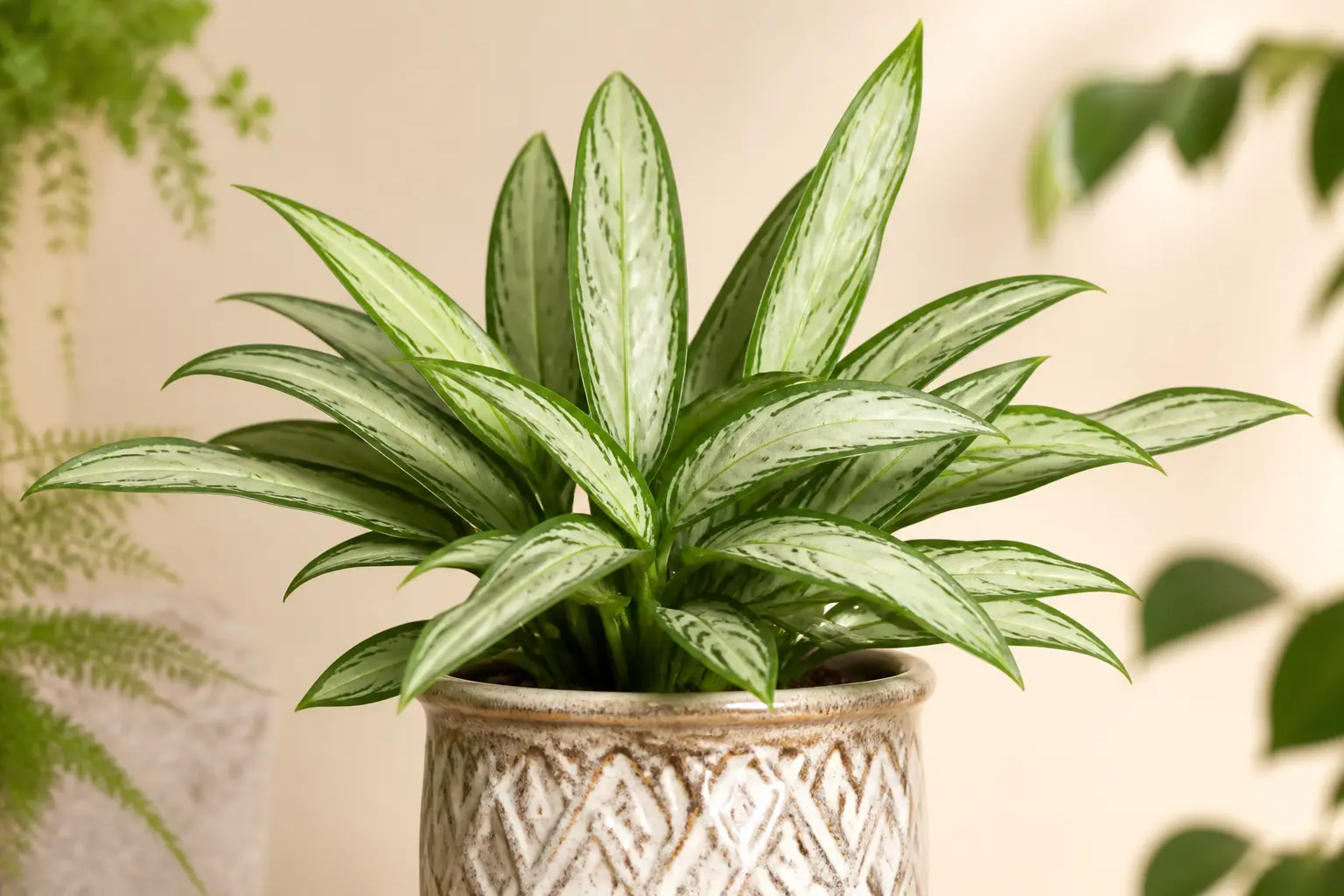
Slender silver-green leaves with dark green edges, creating a refined monochromatic appearance
4 varieties compared
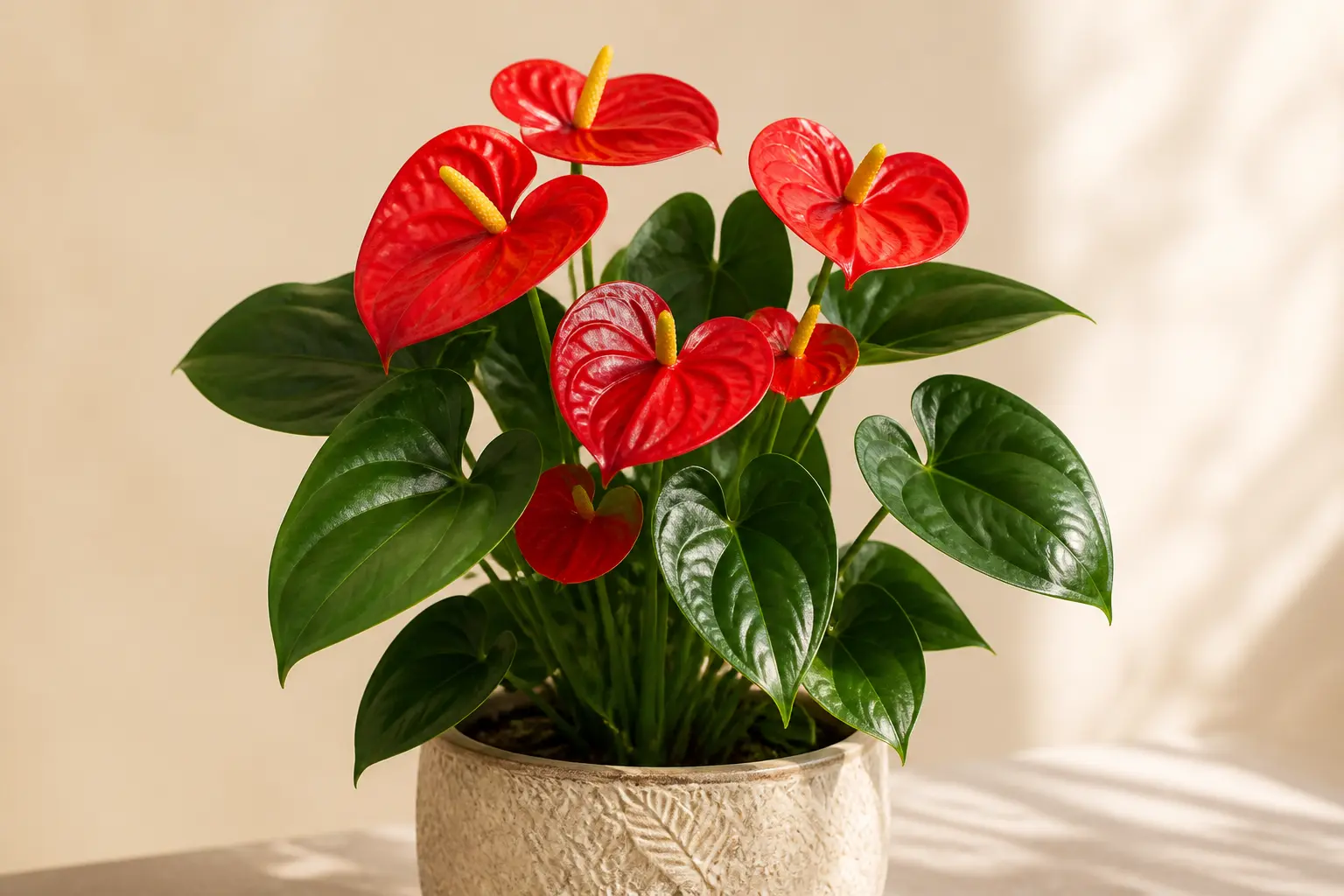
Glossy bright red heart-shaped spathes with yellow spadix
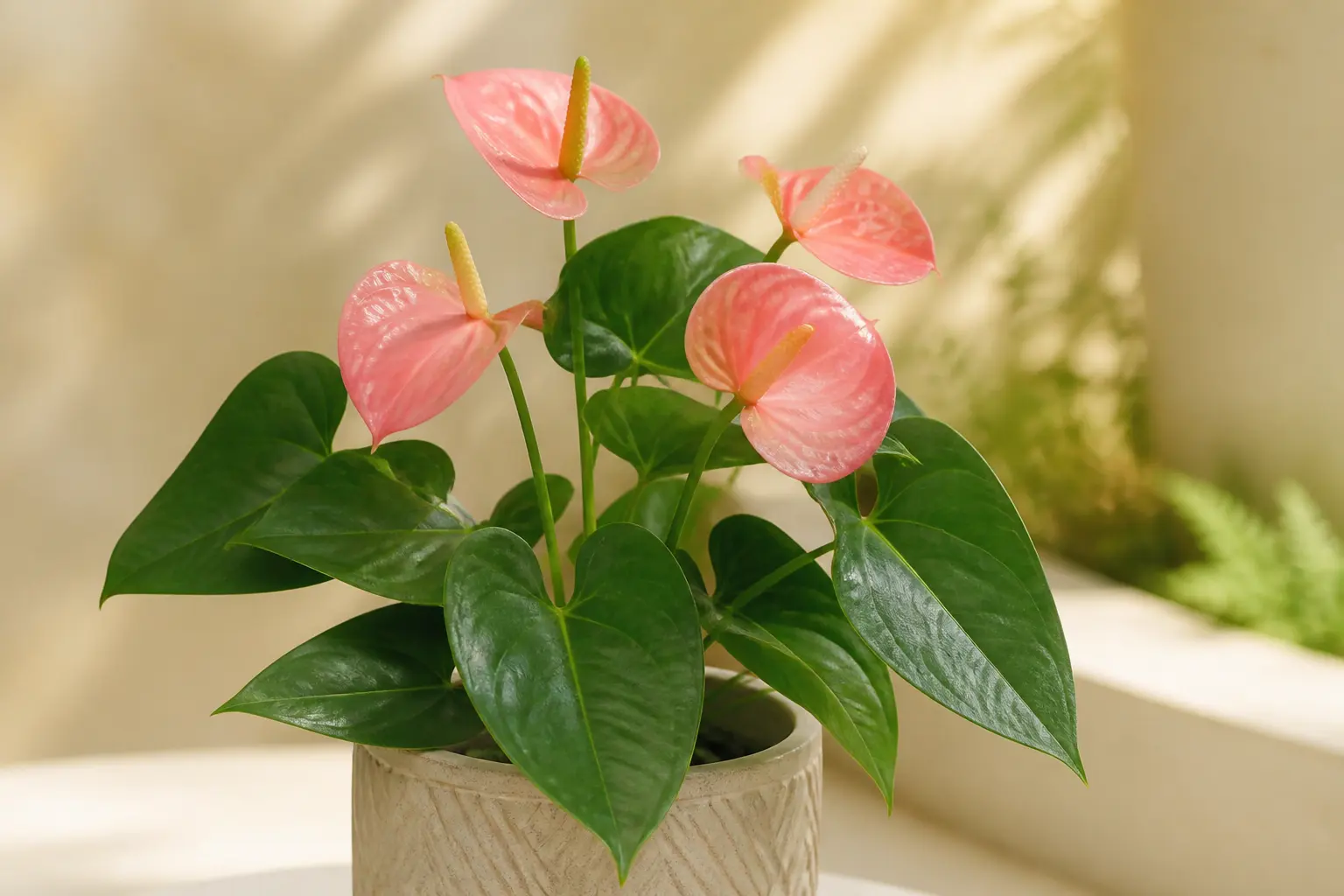
Soft pink to coral heart-shaped spathes with elegant gradient tones
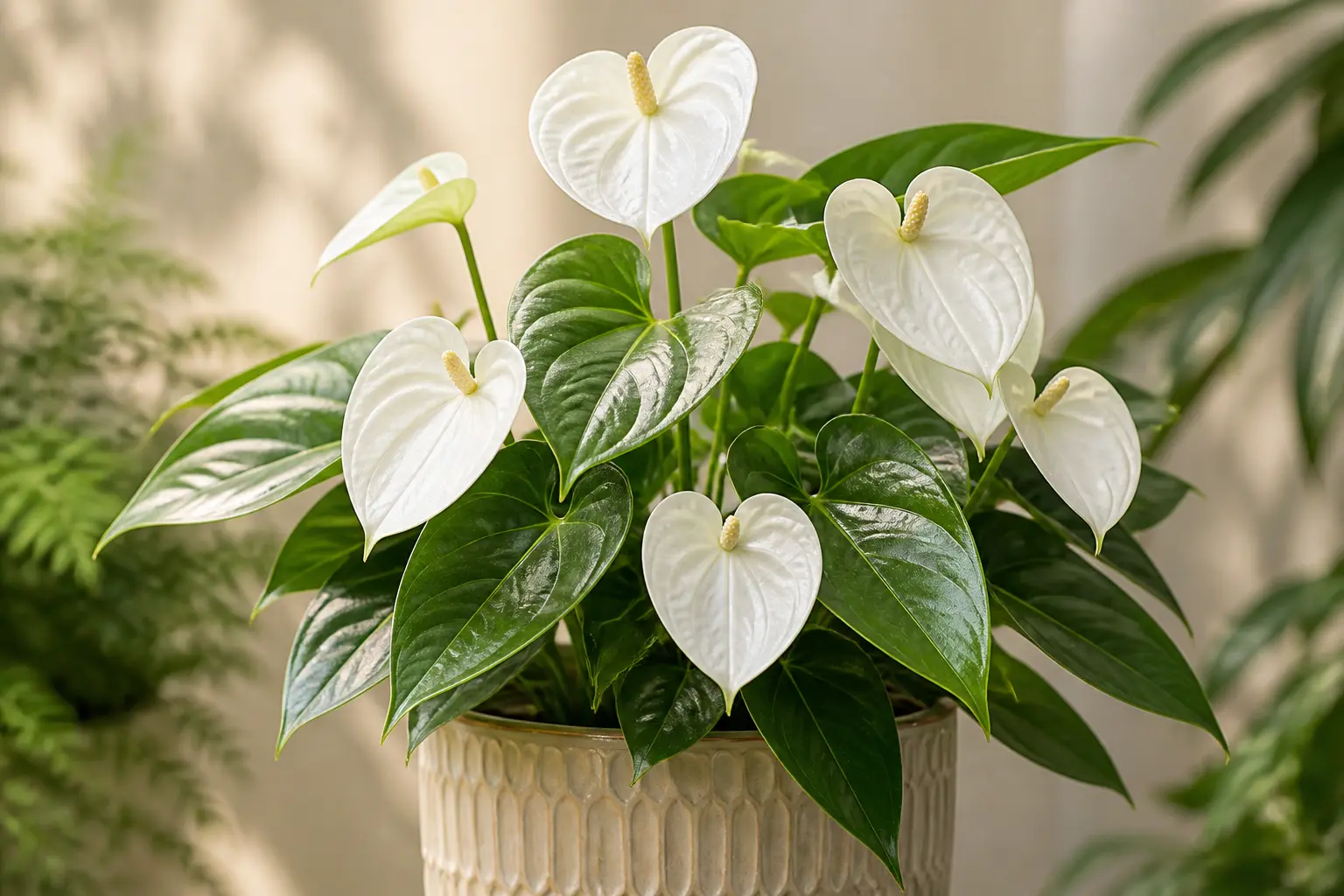
Pure white heart-shaped spathes creating a sophisticated, elegant look
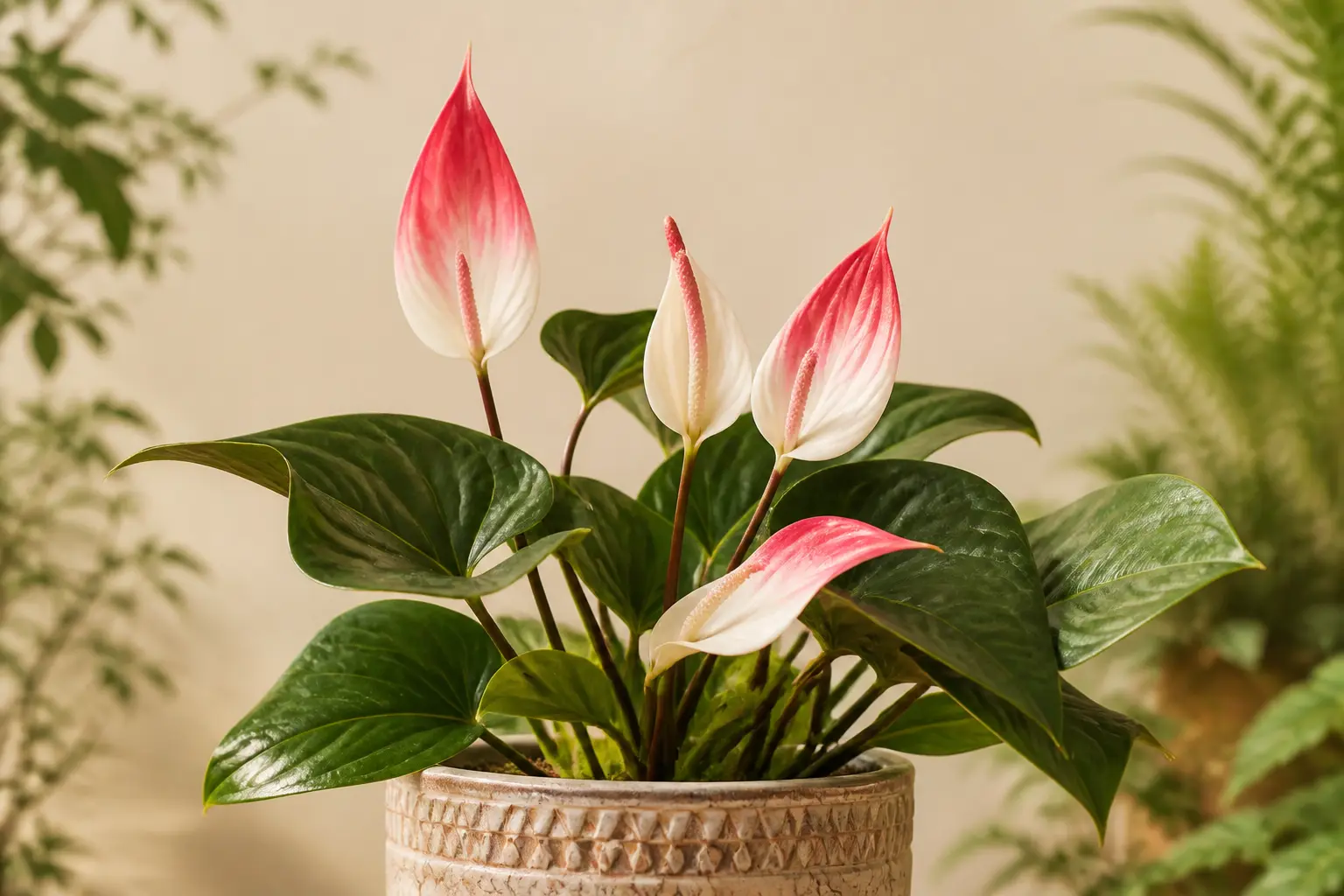
Bi-color spathes with gradient blending from white base to pink/red tips
4 varieties compared
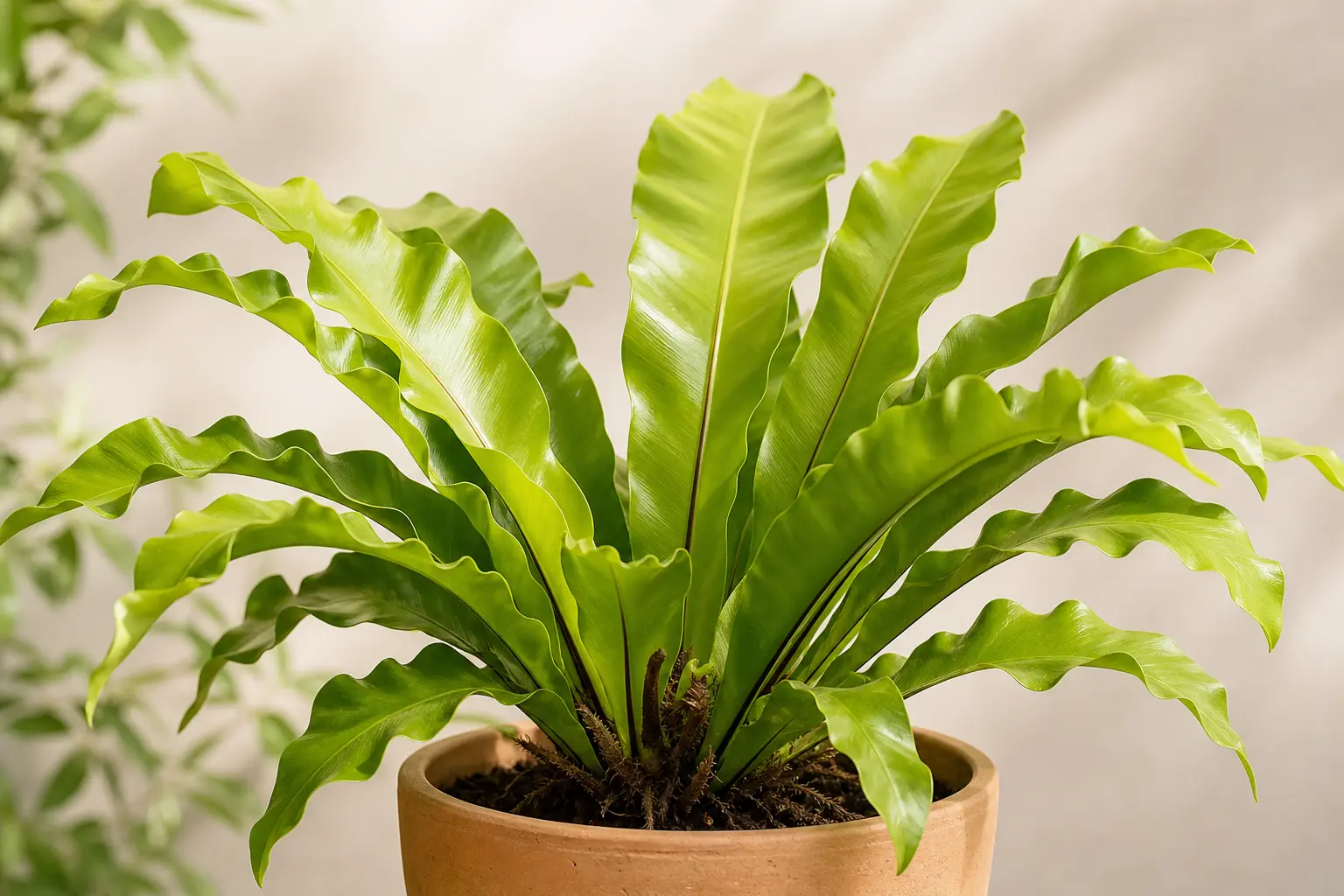
Smooth, undivided apple-green fronds with gently rippled edges and a black central rib
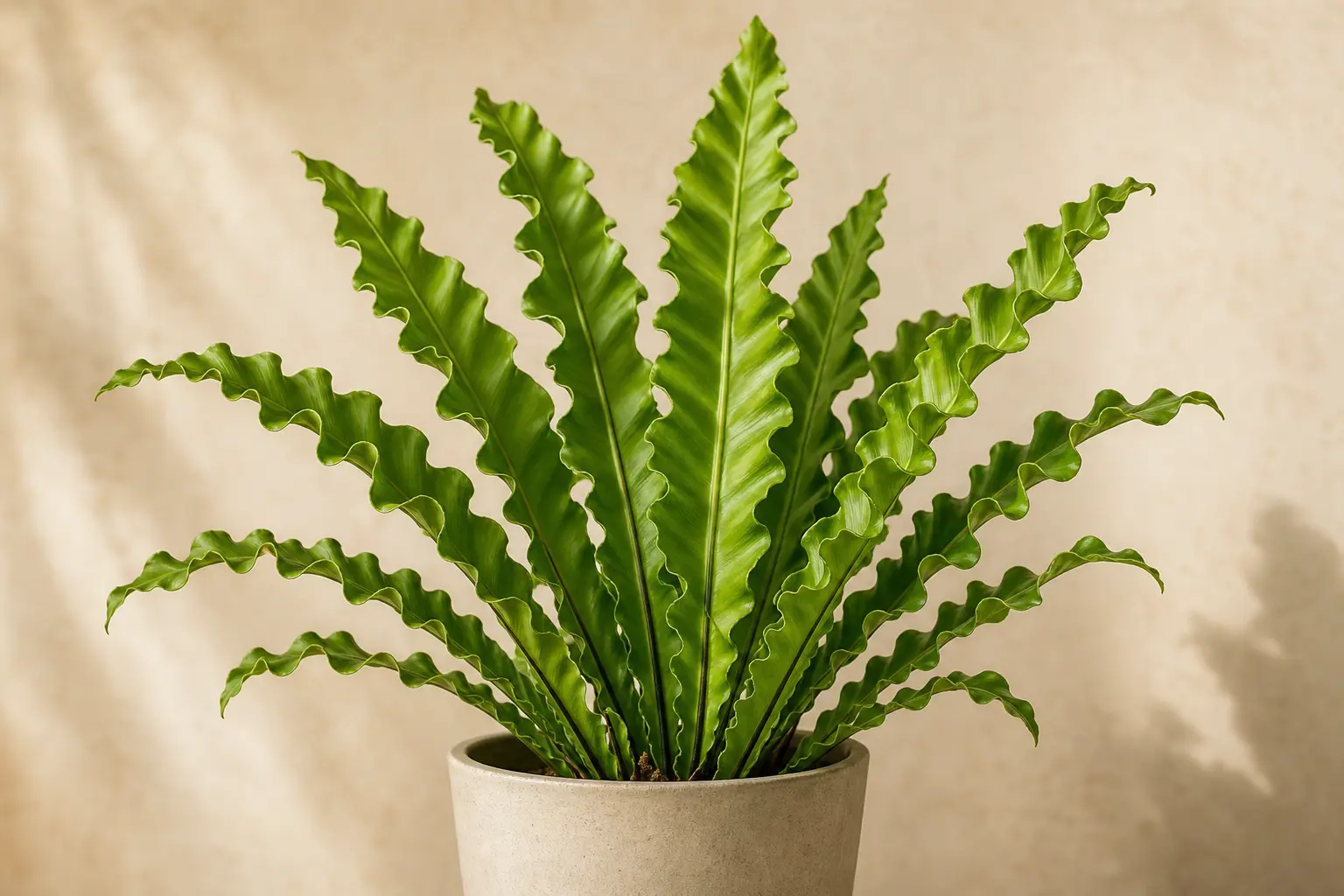
Heavily corrugated, accordion-pleated fronds with stiff upright posture and pronounced ripples
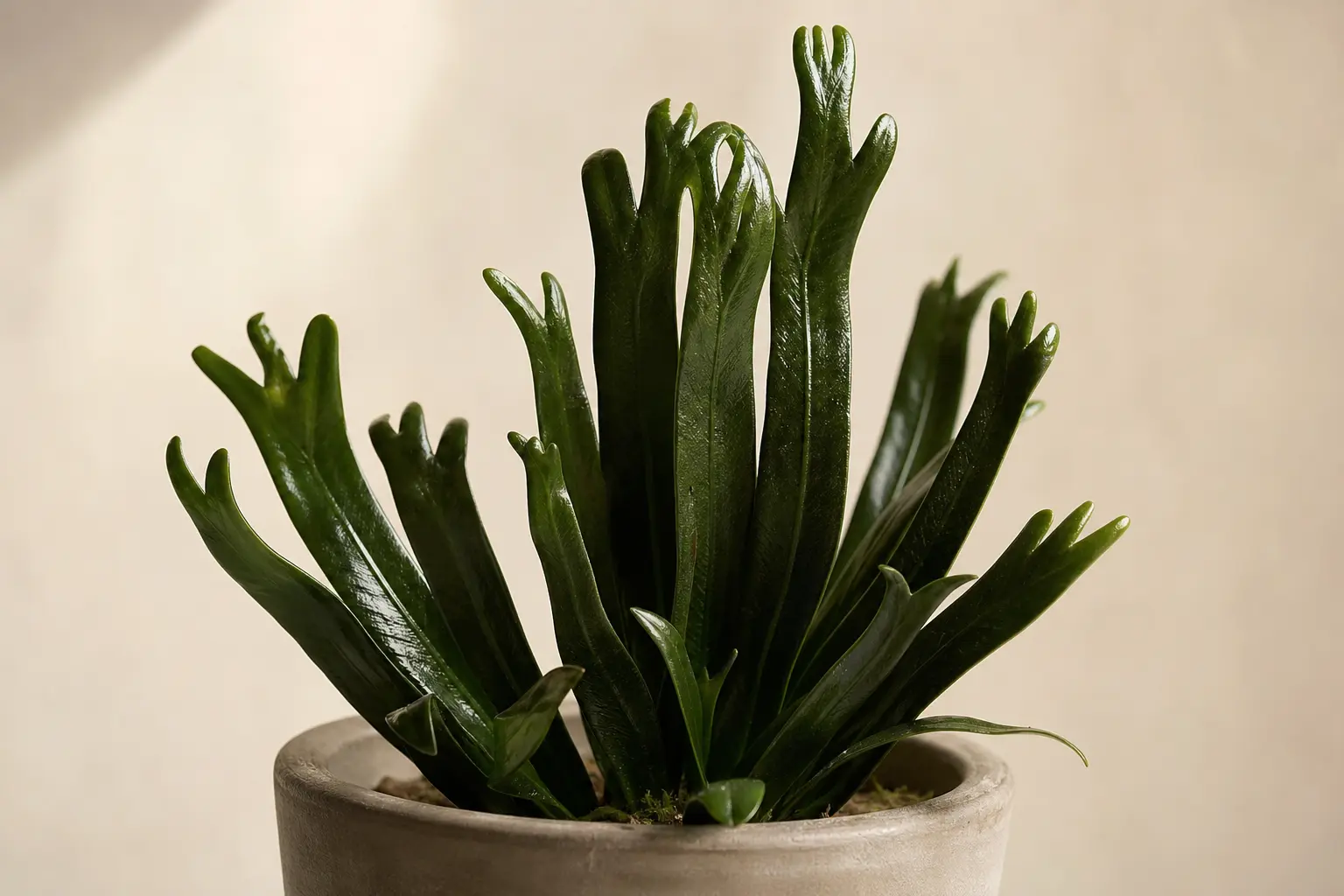
Long narrow fronds that fork into 2–4 finger-like tips, resembling a cobra hood
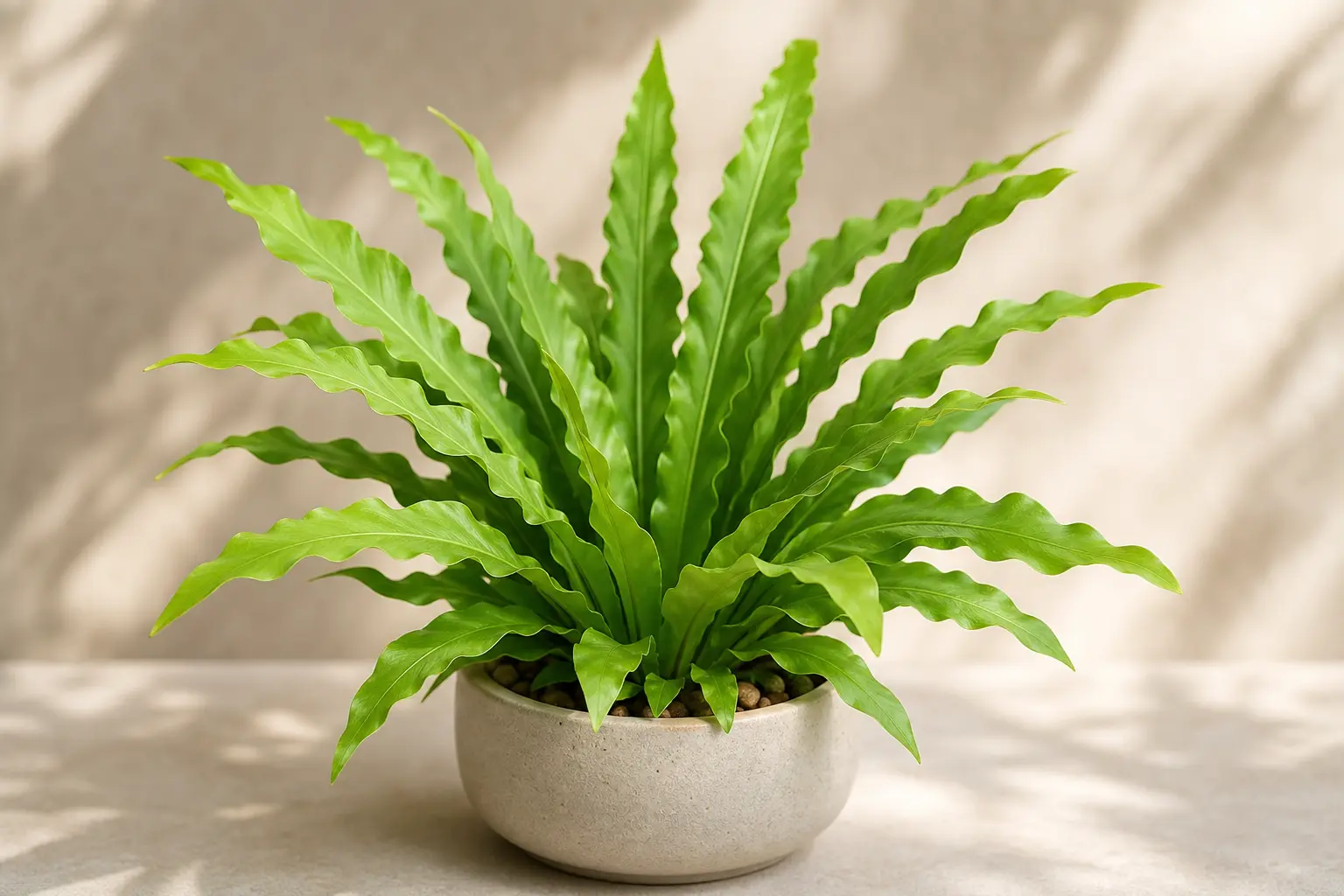
Narrow strap-shaped fronds with subtly wavy edges and compact tabletop-friendly size
4 varieties compared
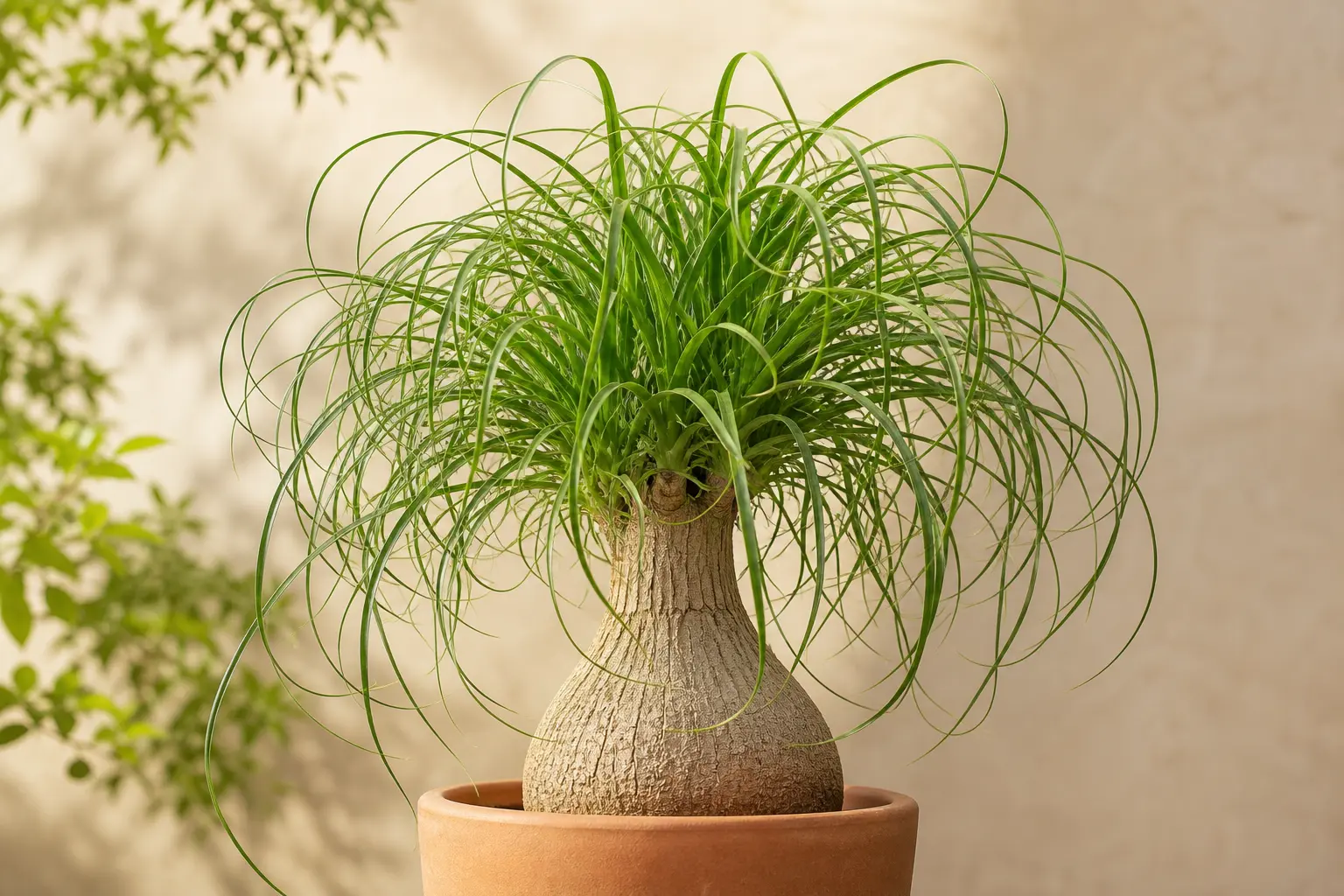
Single swollen caudex with cascading green leaves up to 3 feet long forming a fountain shape
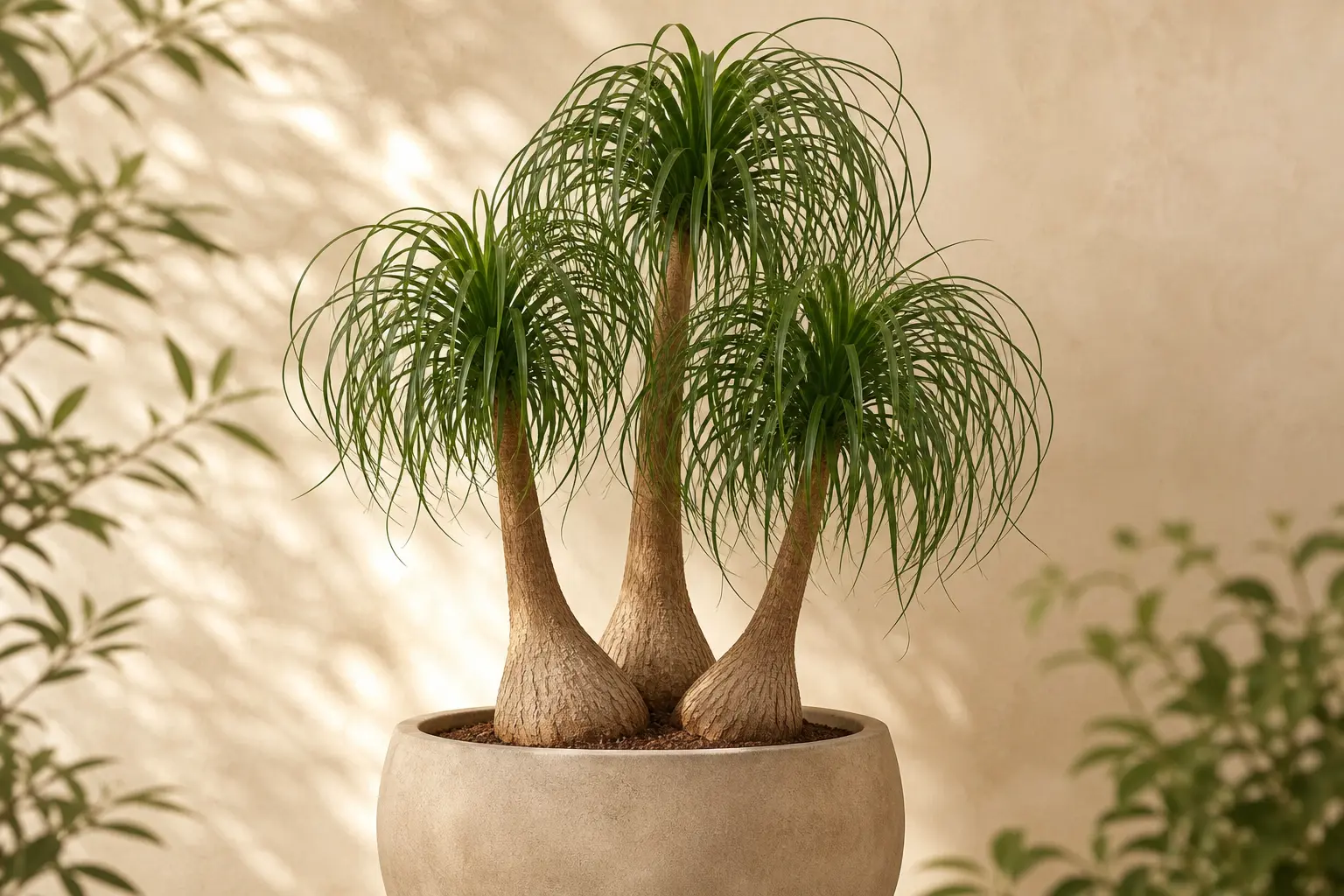
Multiple swollen trunks (2–4) emerging from a shared base, each topped with its own leaf crown
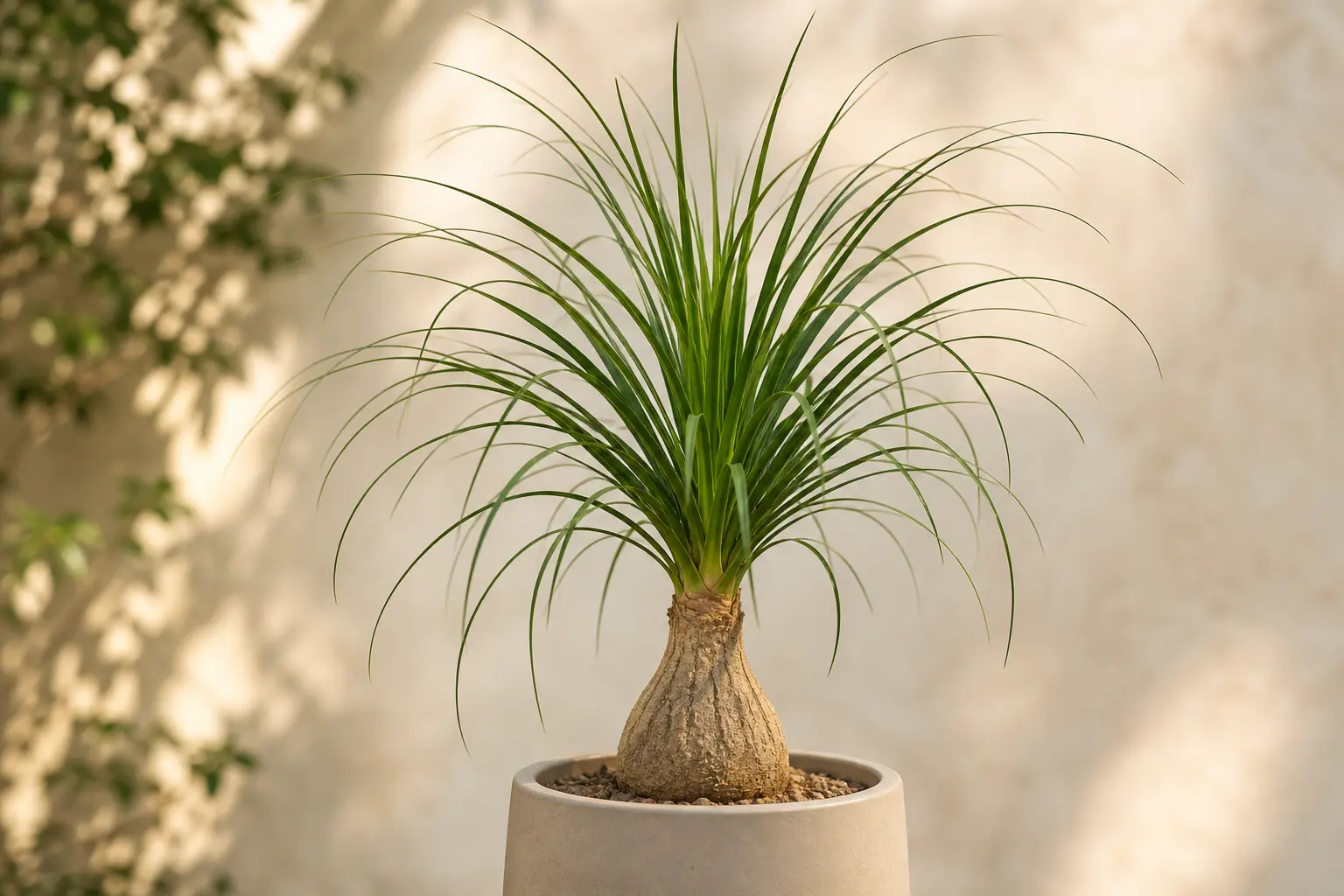
Narrower, straighter leaves with subtle bluish-green tint and more compact upright form
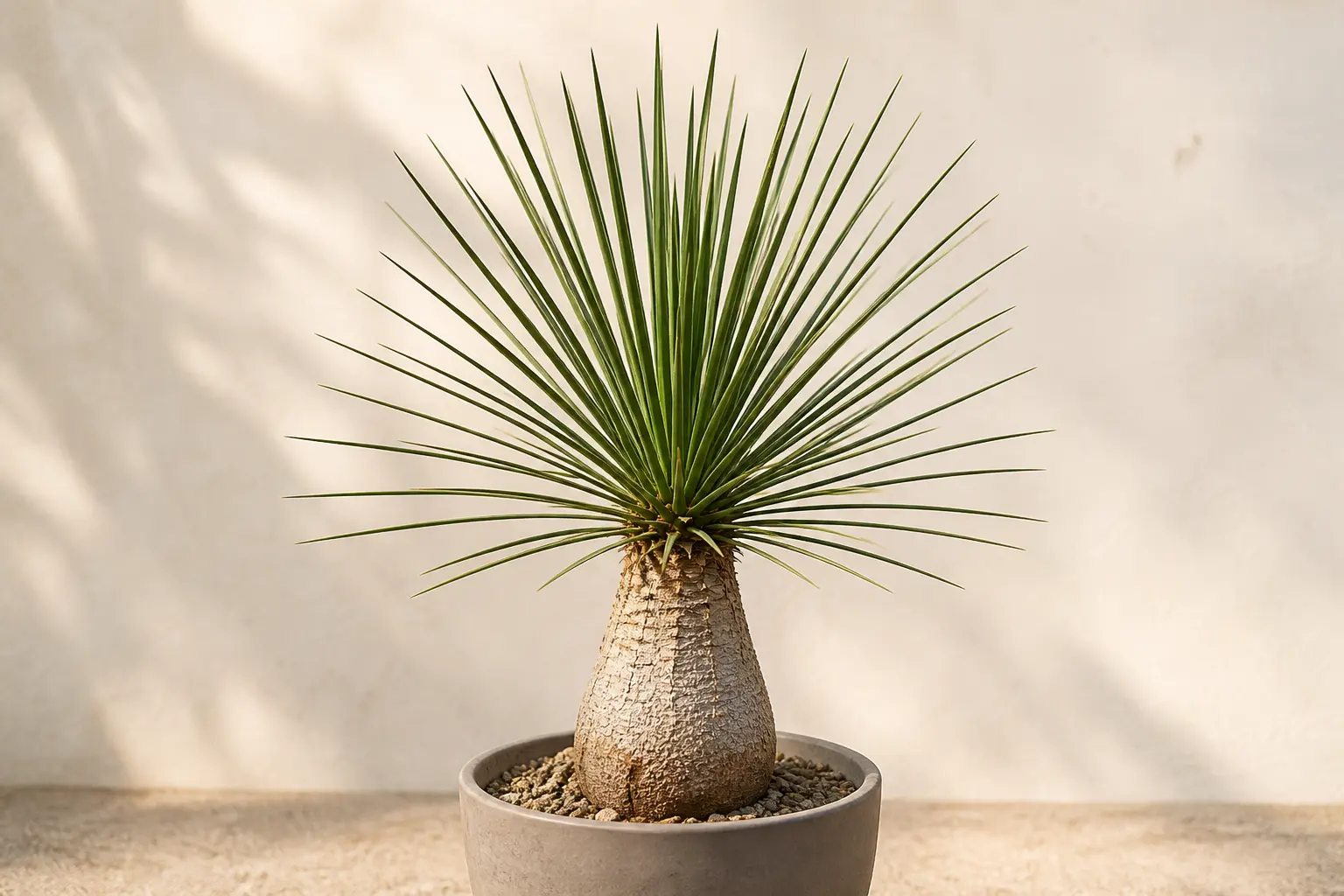
Stiff, narrow, outward-pointing leaves and a sharp architectural silhouette unlike the cascading recurvata
4 varieties compared
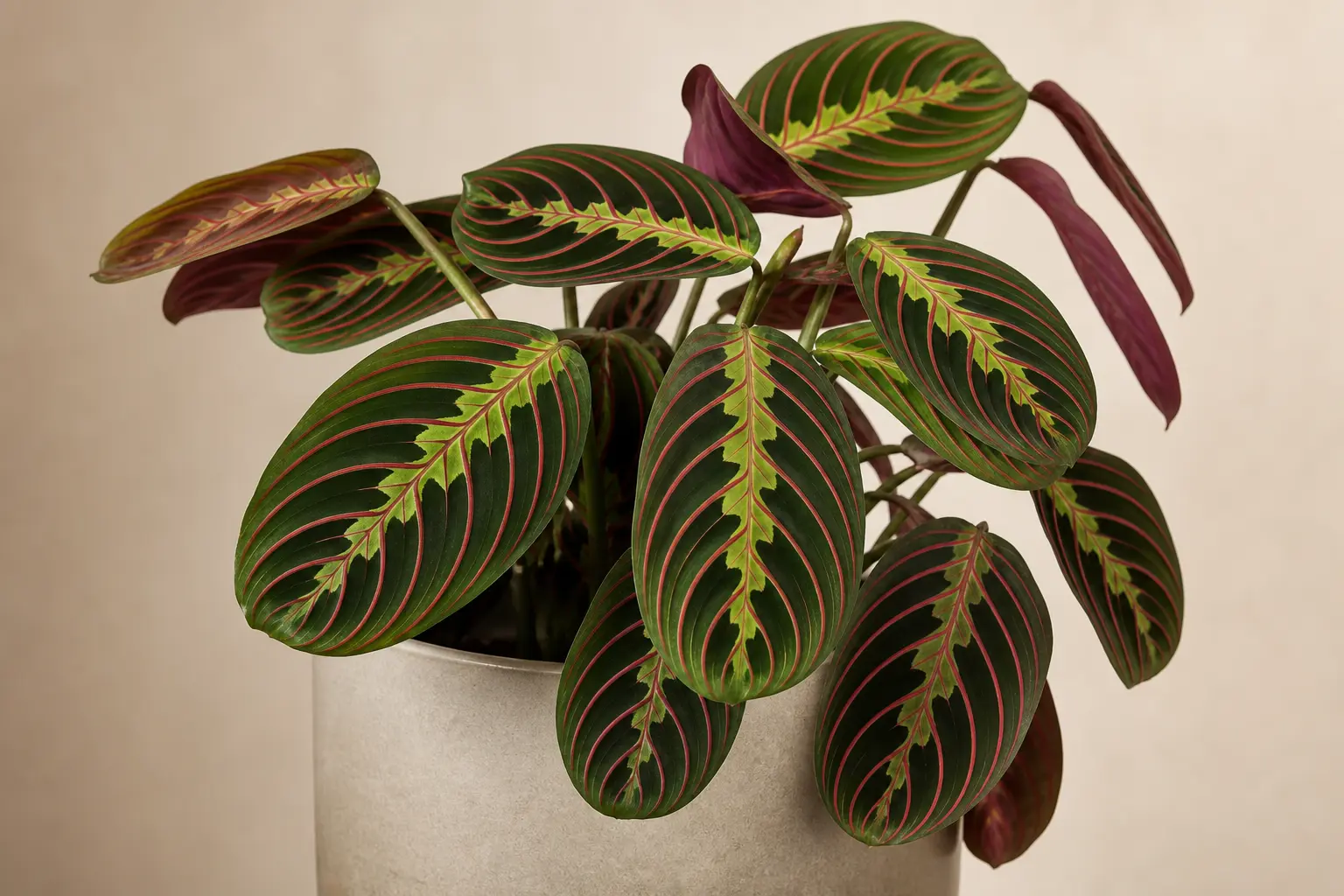
Bold red veins on dark green leaves with light-green herringbone center pattern and purple undersides
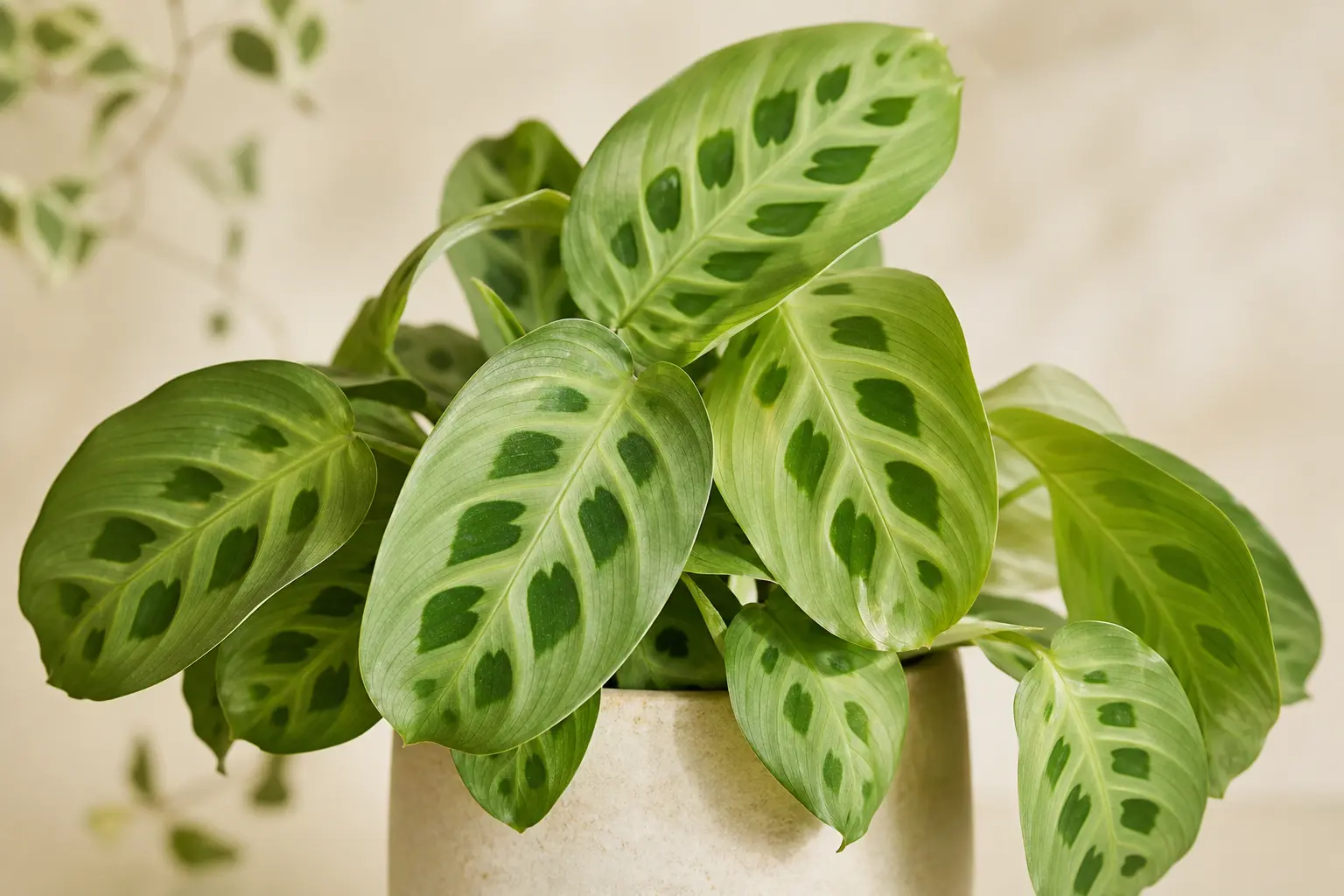
Pale green leaves with paired dark green oval blotches running along the central vein like rabbit tracks
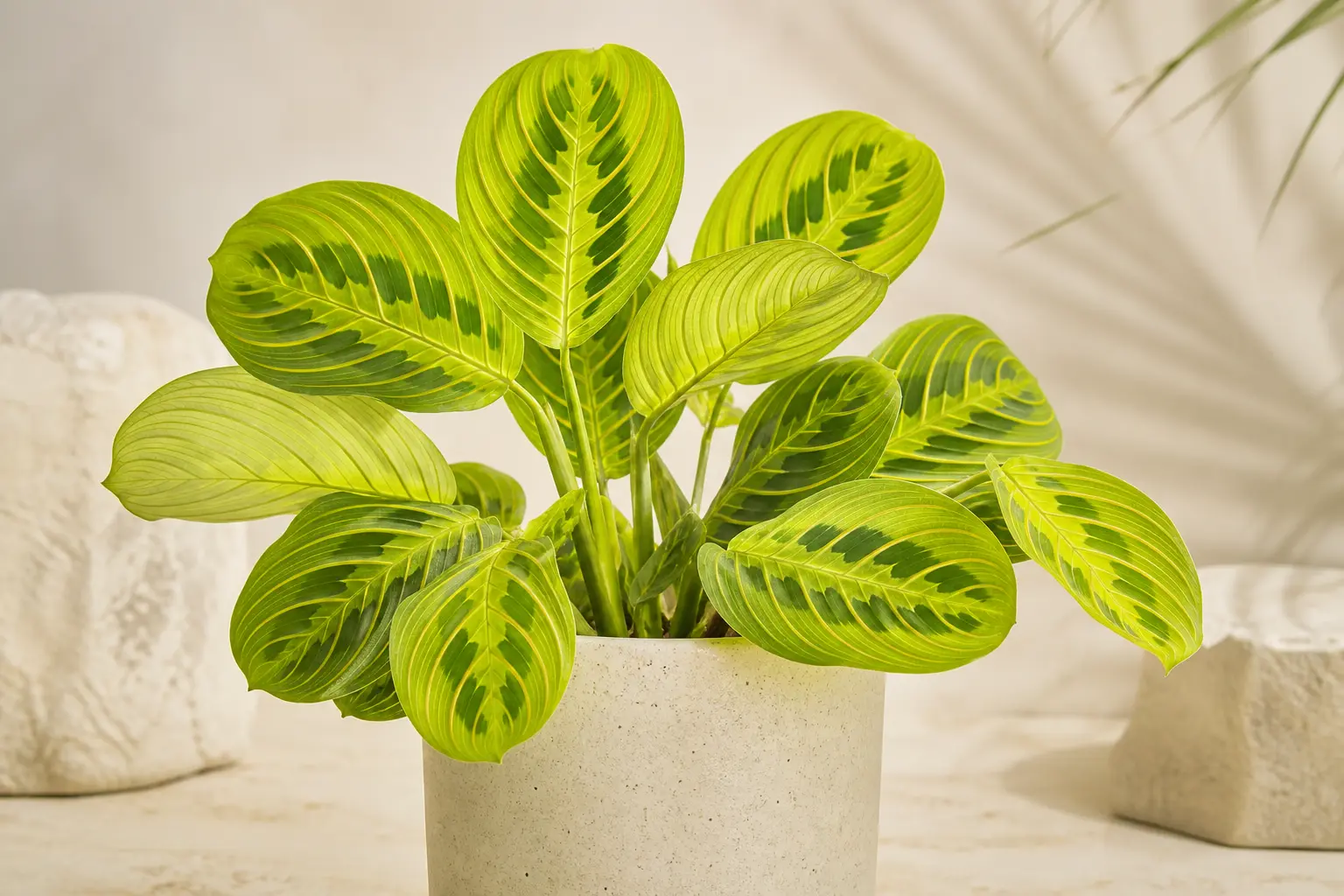
Vibrant lime-green leaves with bright yellow-green vein pattern — the lightest-colored Maranta variety
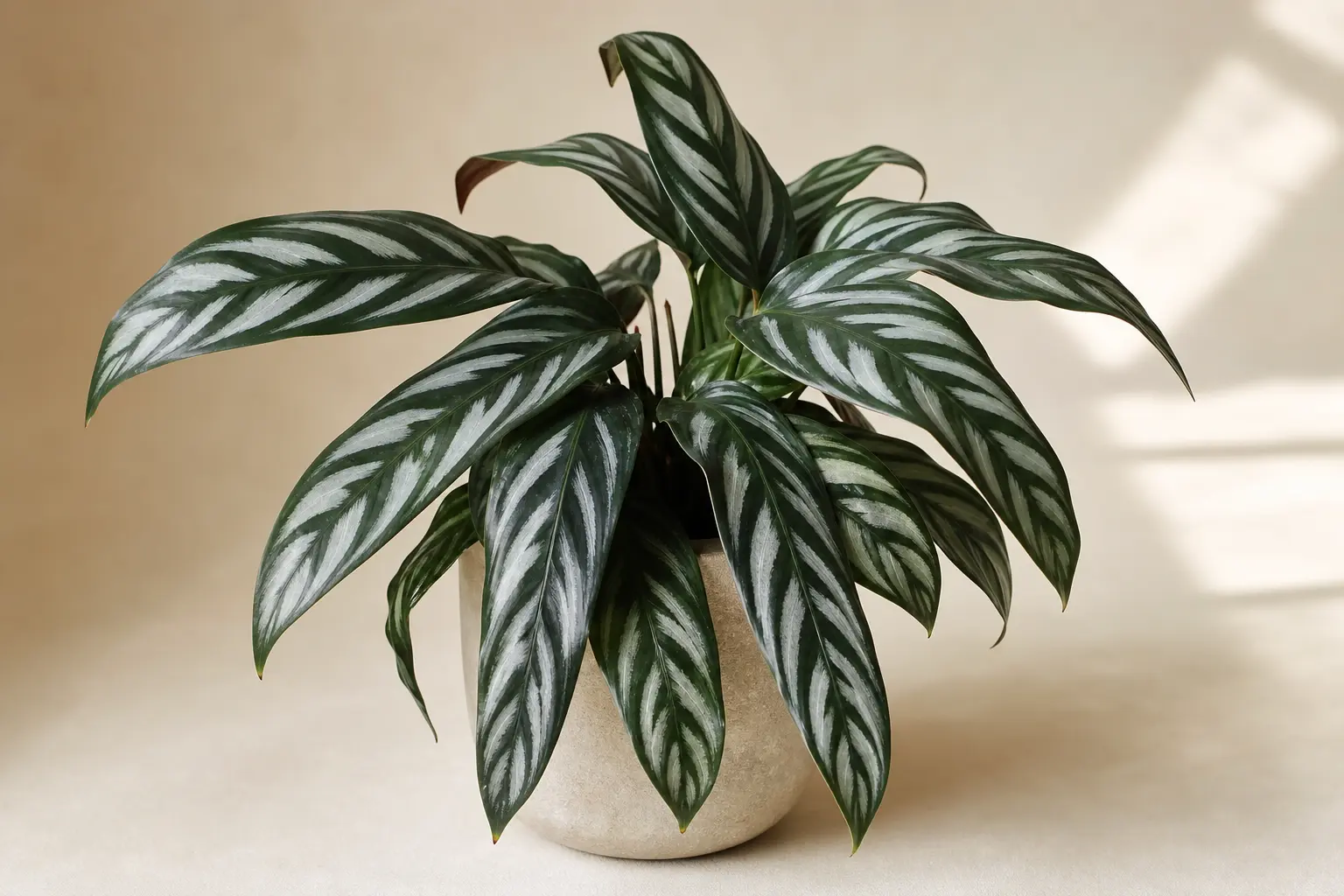
Dark green elongated leaves with silvery-white herringbone center pattern — refined and elegant
4 varieties compared
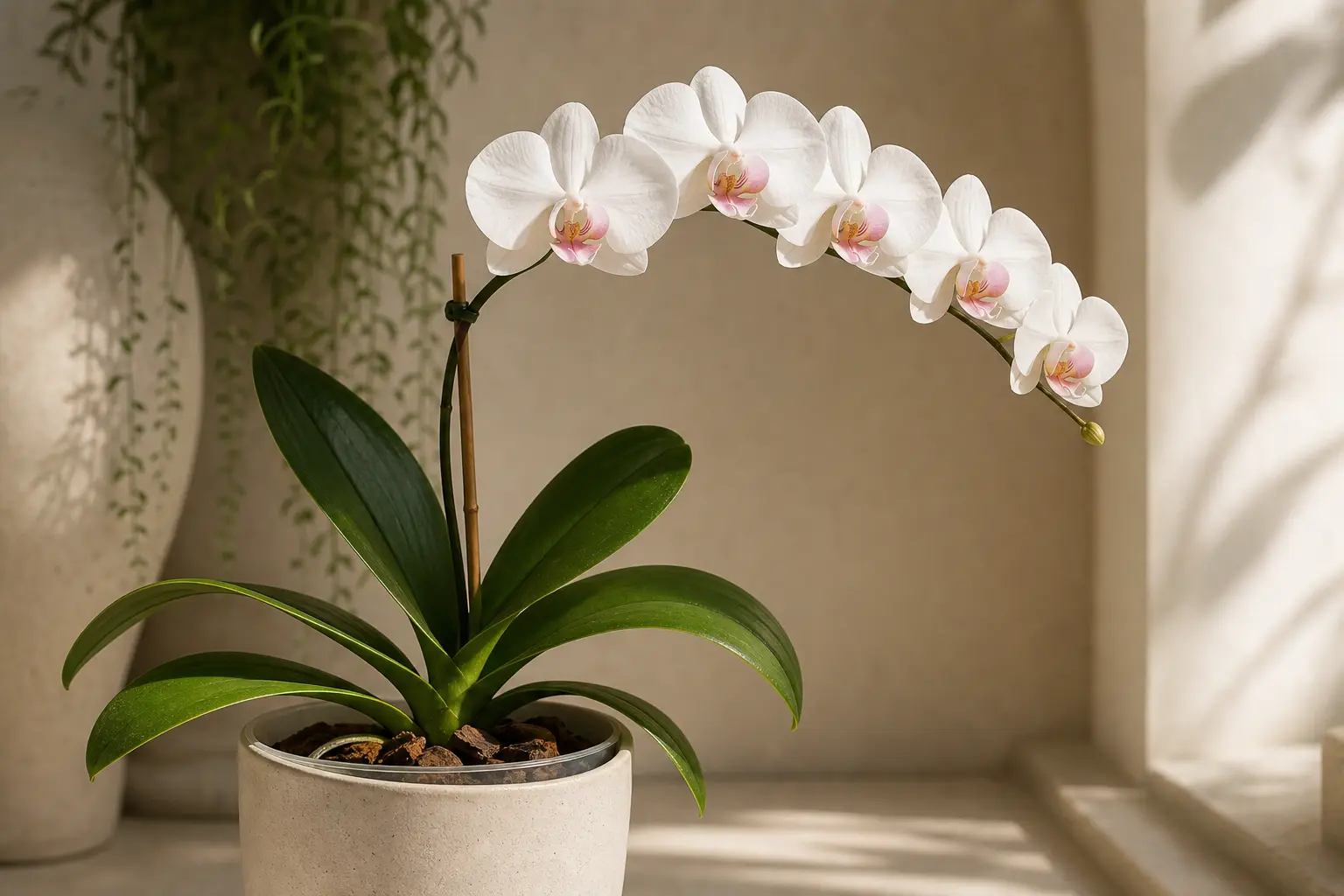
3–7 large round blooms on one arching spike; the familiar classic orchid shape
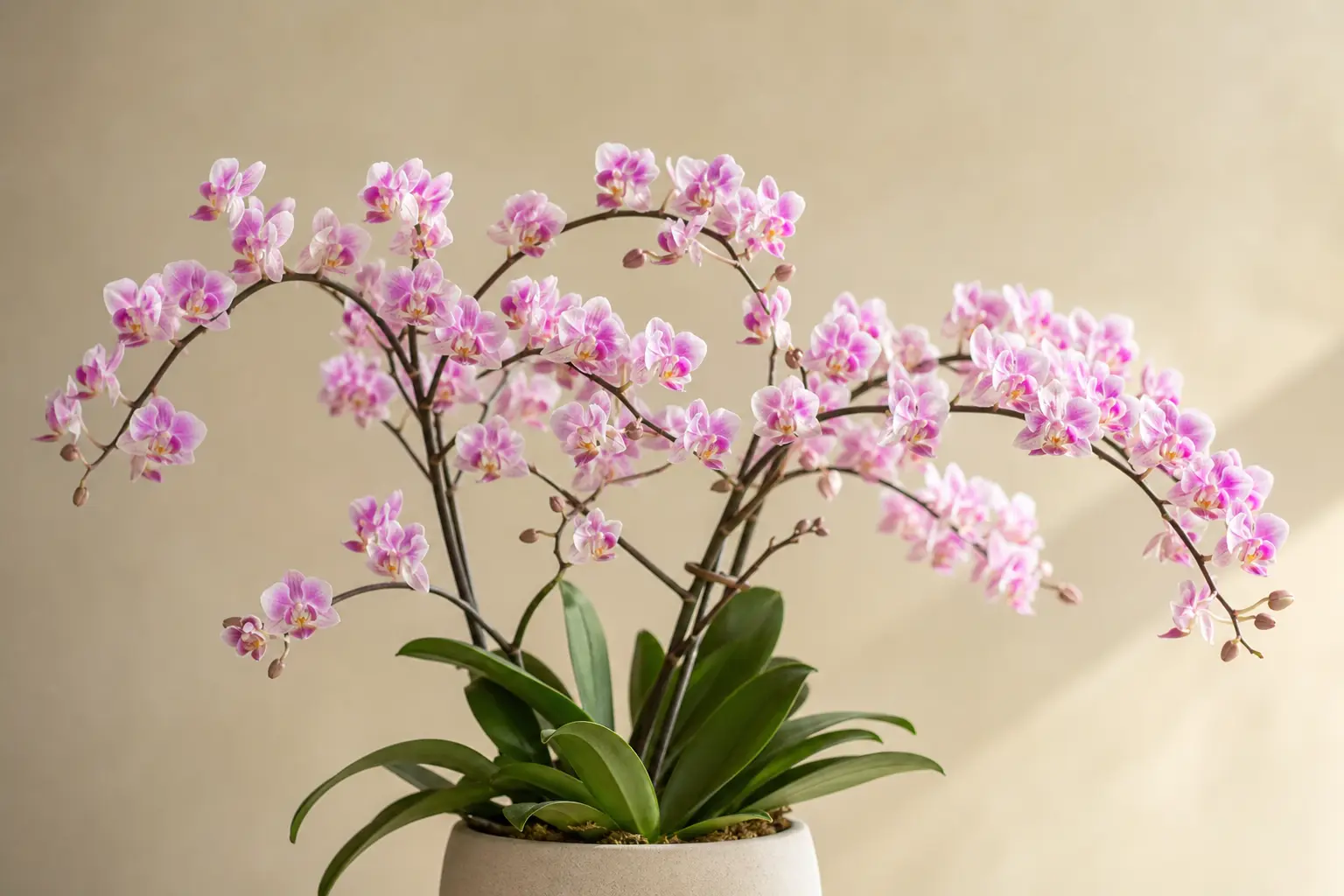
Many small blooms on branching spikes - a spray of dozens of flowers rather than a few large ones
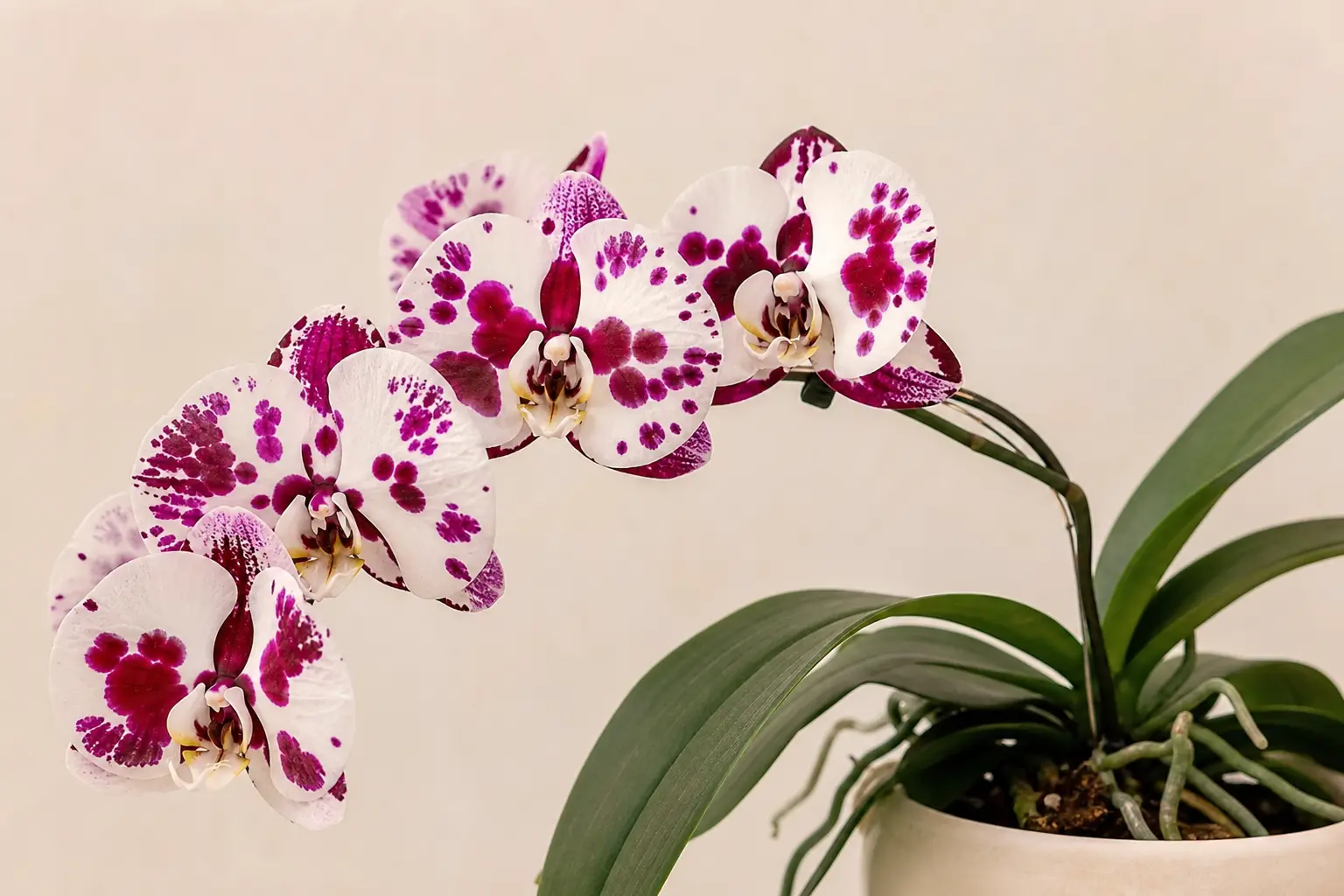
Irregular magenta/burgundy blotching on white petals, unique on every flower and darkening with age
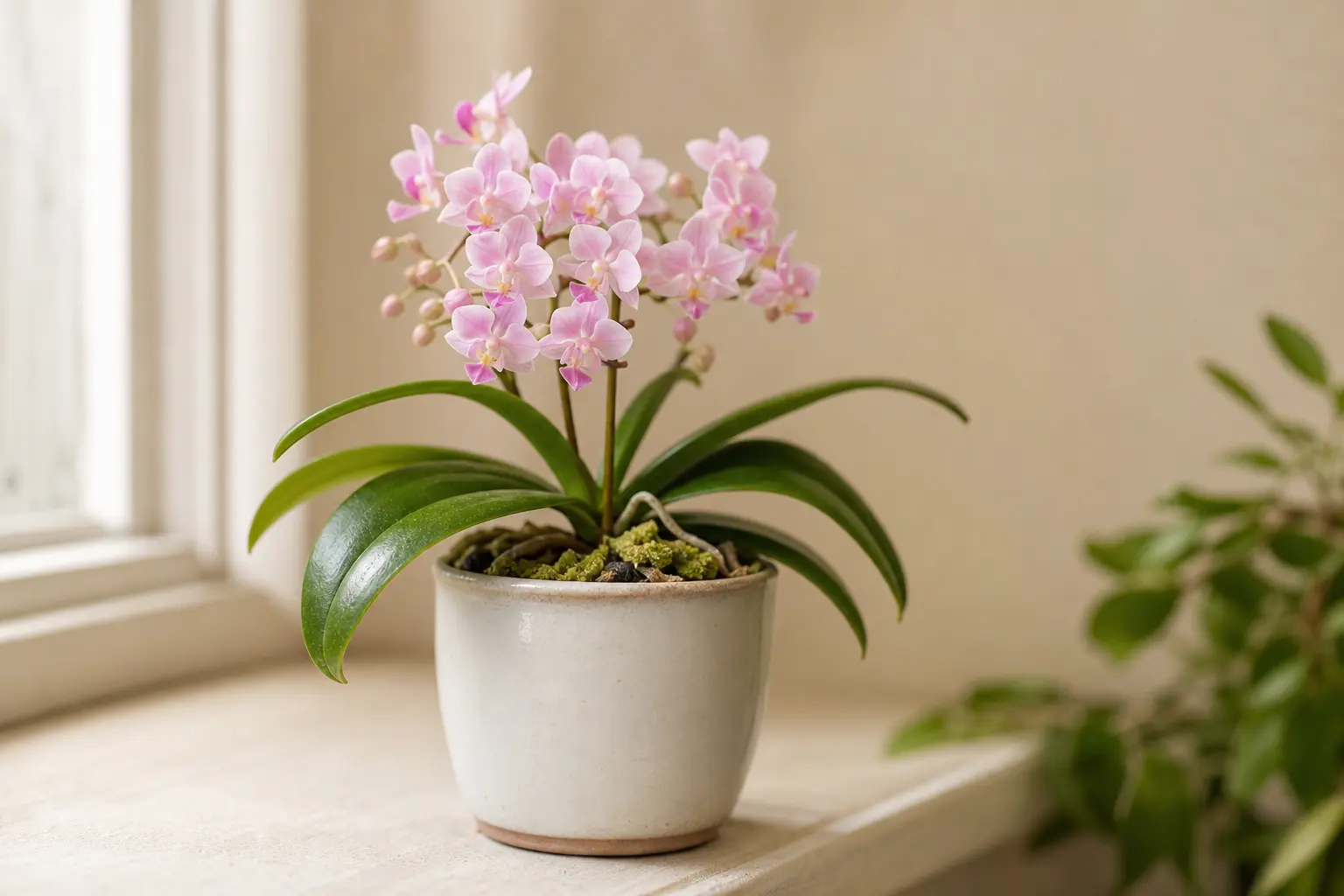
Under 6 inches tall at maturity; dozens of tiny long-lasting flowers, some lightly fragrant
4 varieties compared
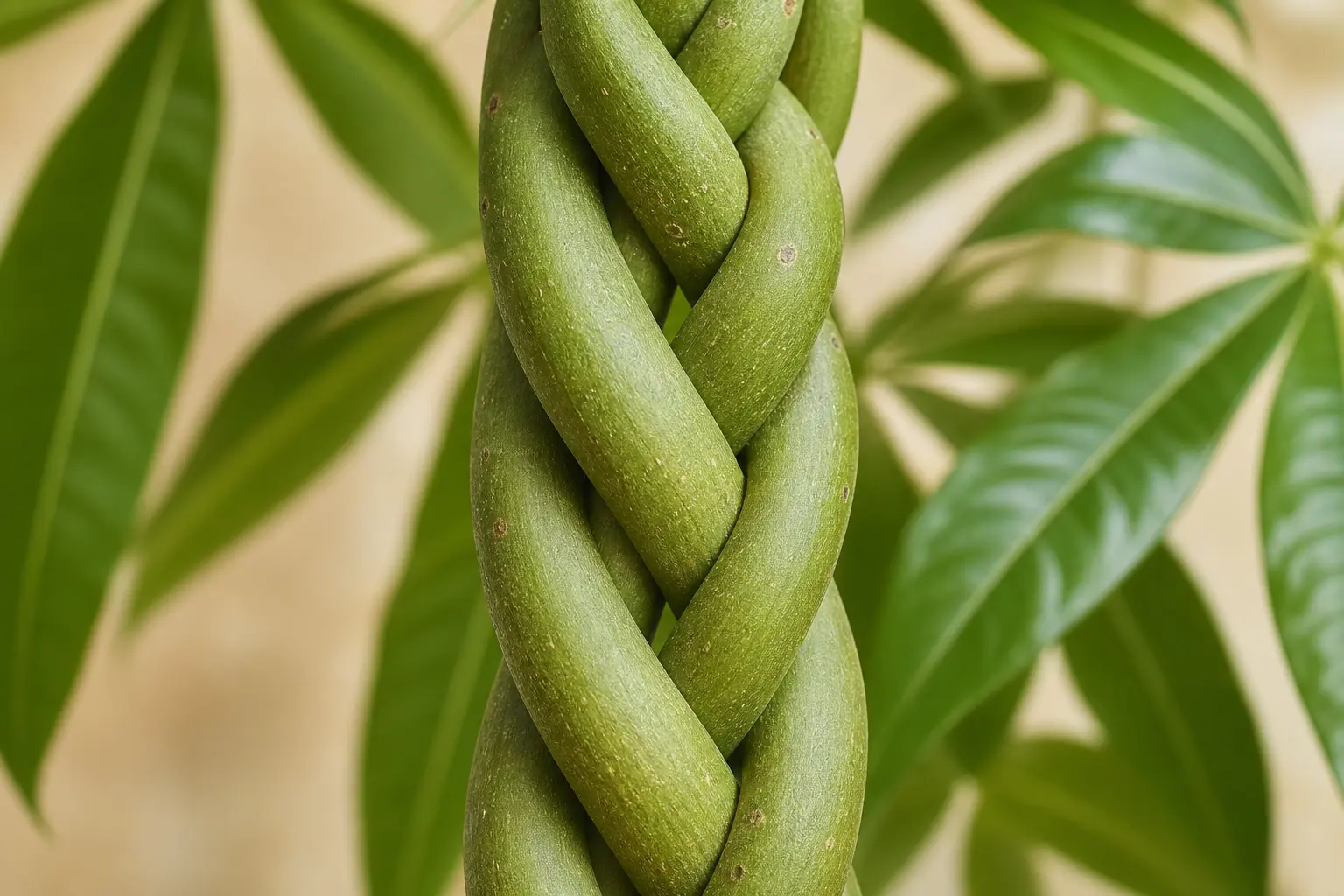
Multiple trunks braided into one thick plait with a leafy canopy on top; the standard money tree look
Several separate slim trunks rising from one pot in a grove - no braid, denser canopy
Cream and yellow marbling on the palmate leaflets, different on every leaf
A thick tapered trunk and dense pruned canopy in a shallow bonsai dish under 18 inches
Monstera deliciosa
Monstera adansonii
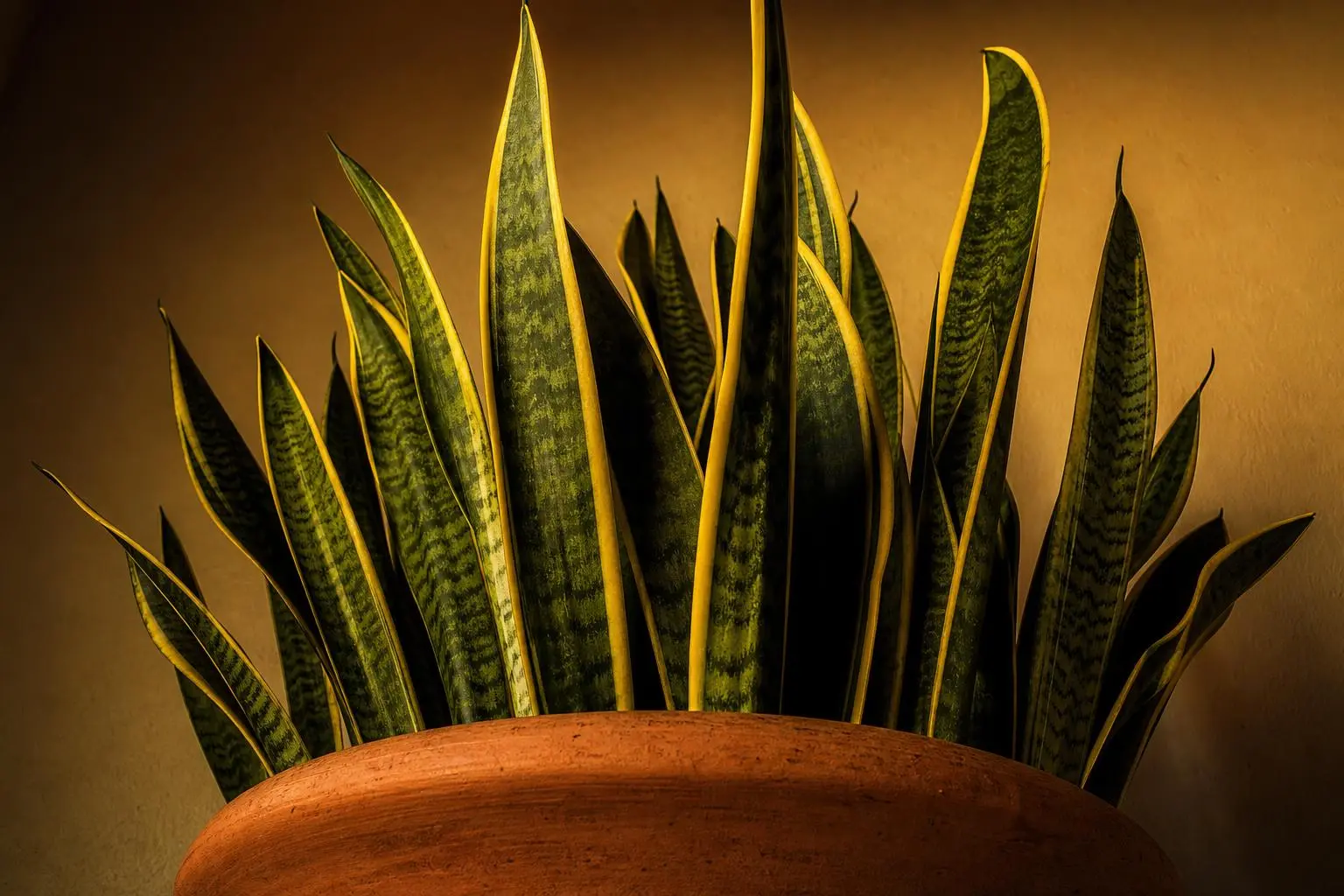
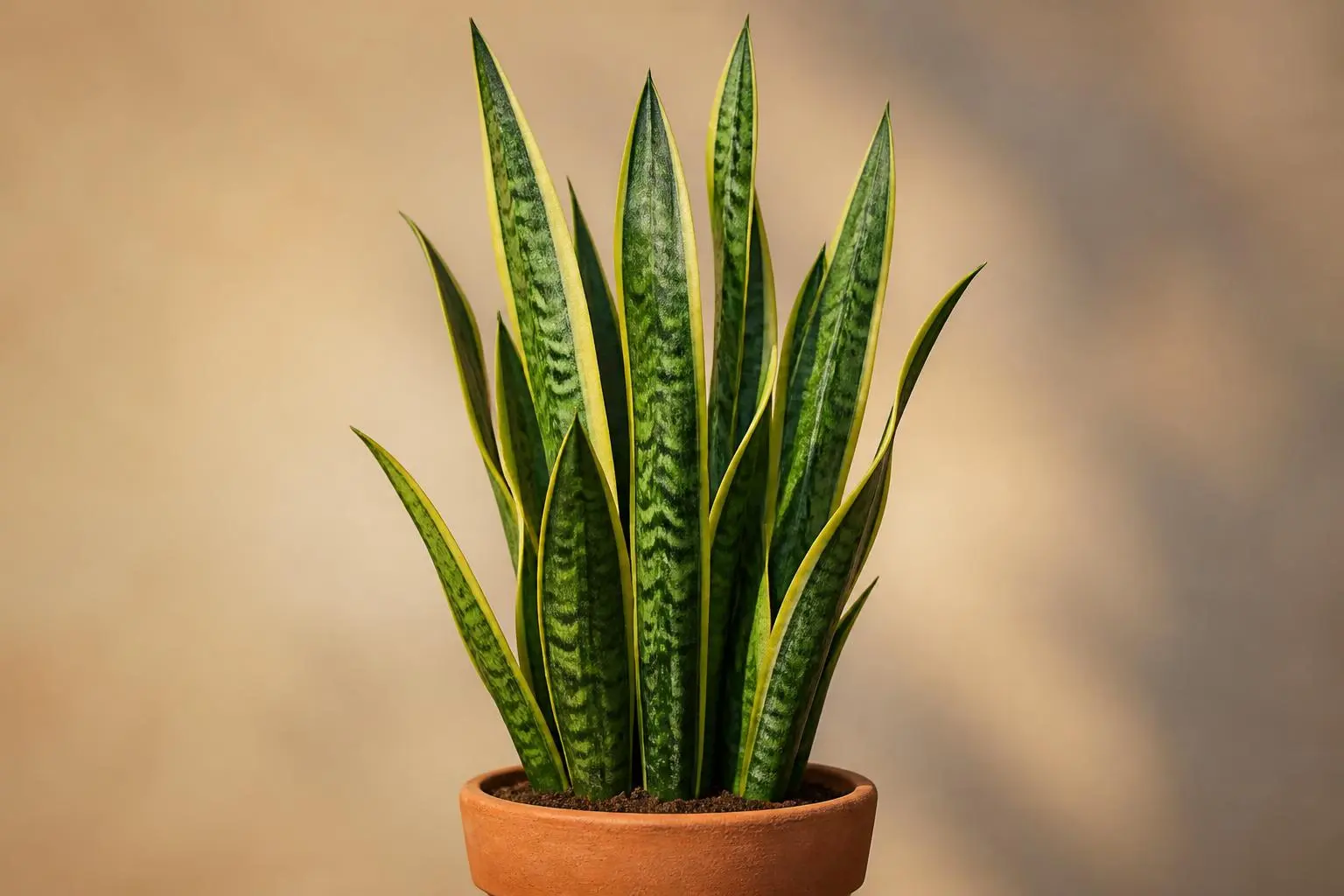
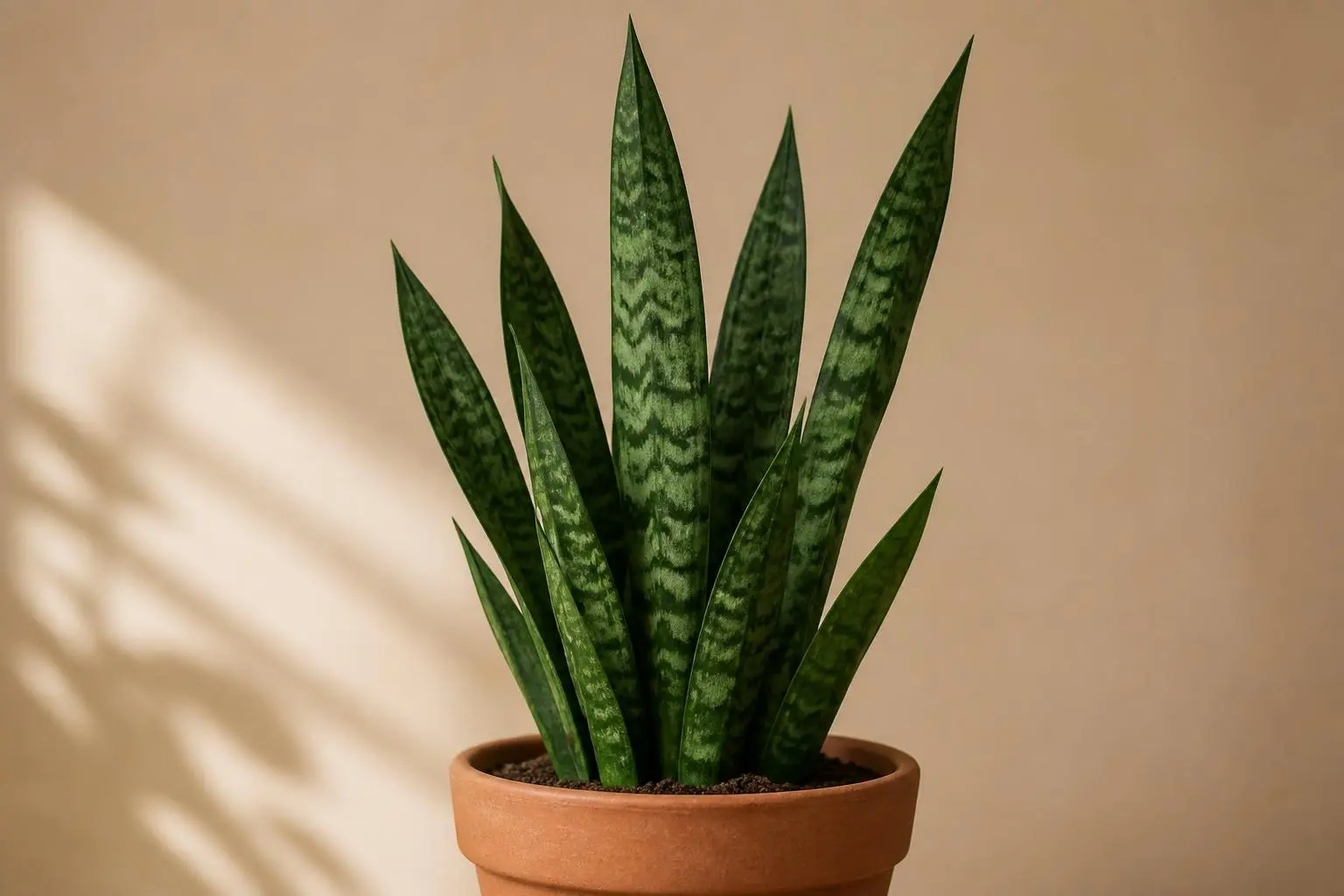
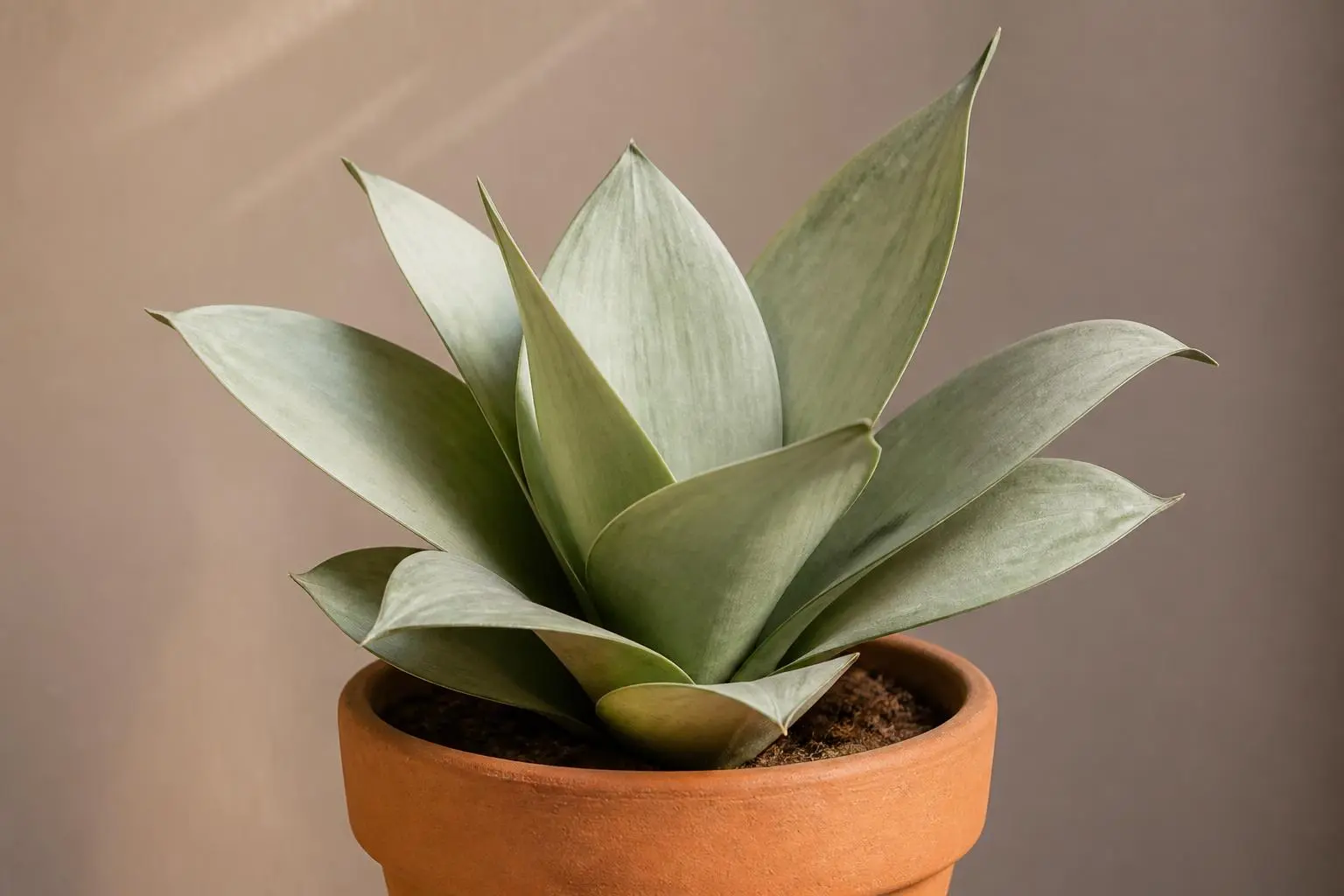
Dracaena trifasciata
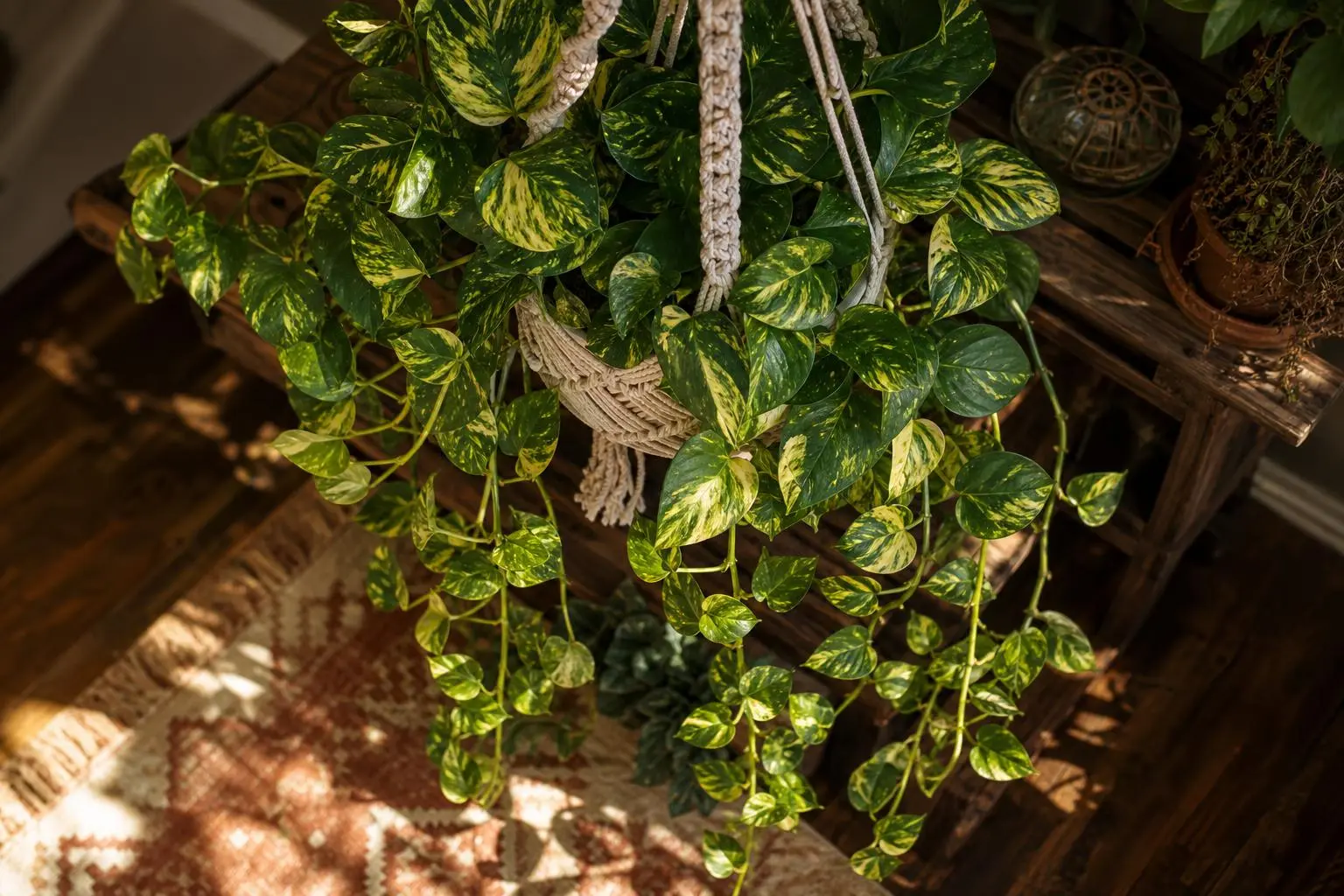
Epipremnum aureum
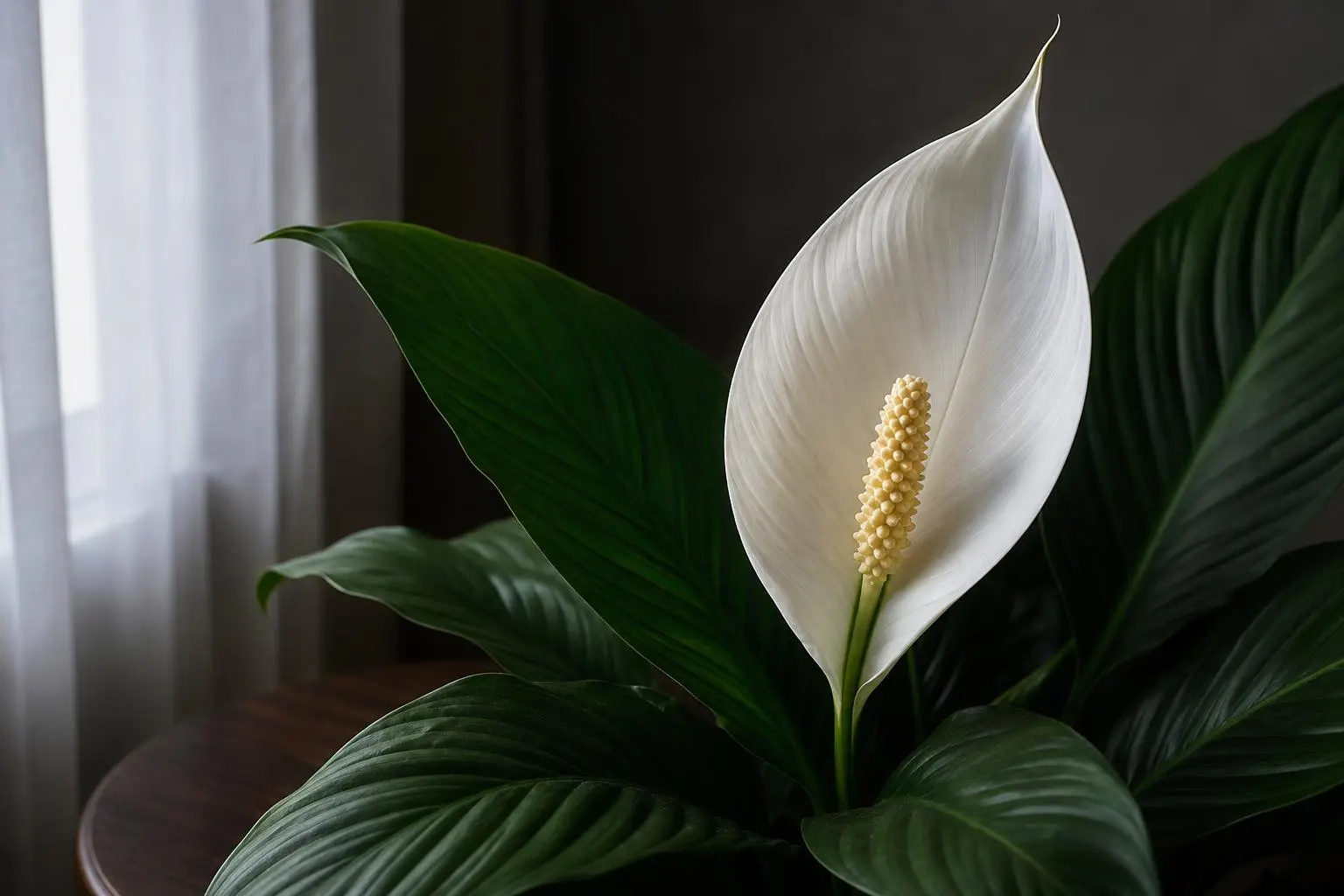
Spathiphyllum wallisii
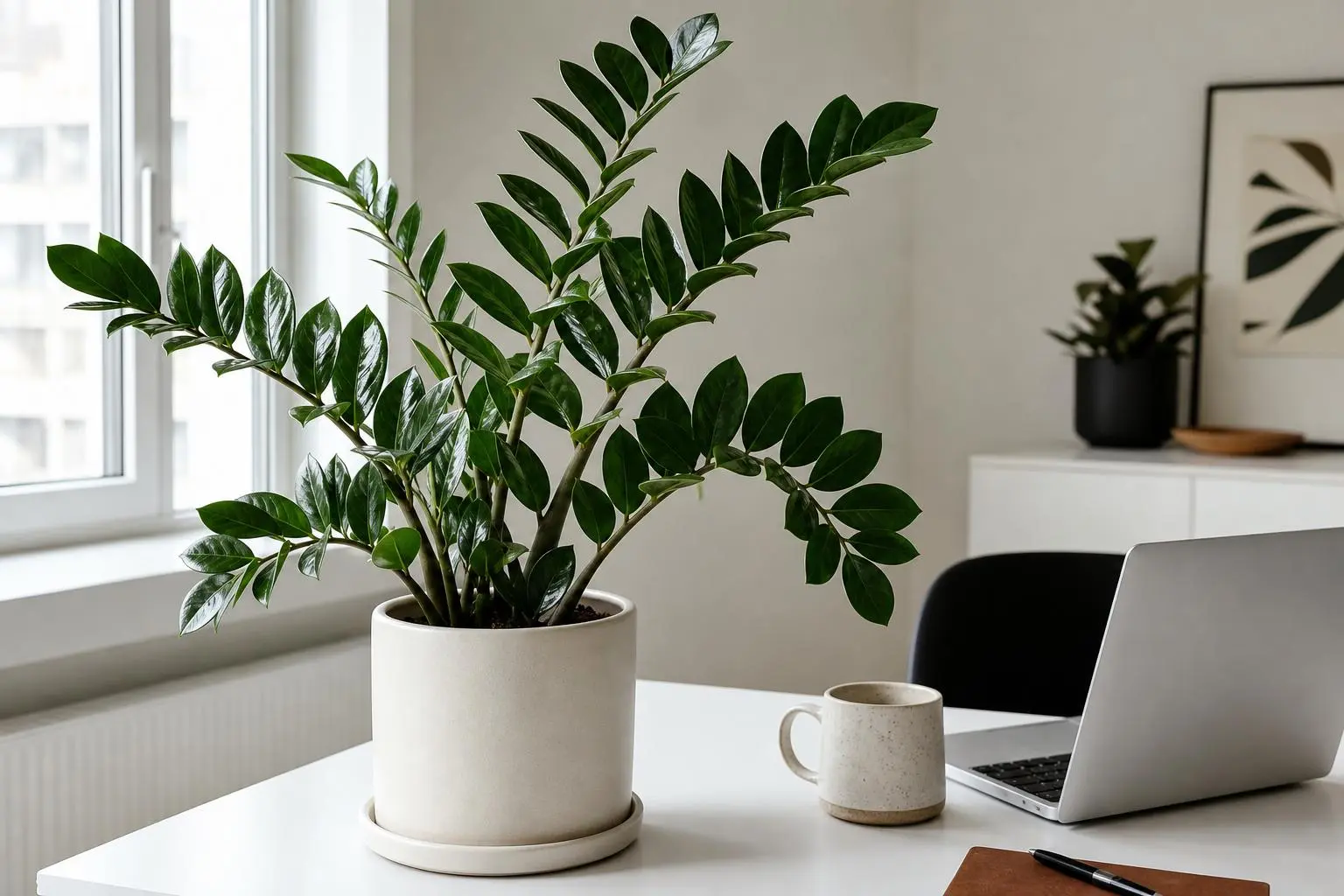
Zamioculcas zamiifolia
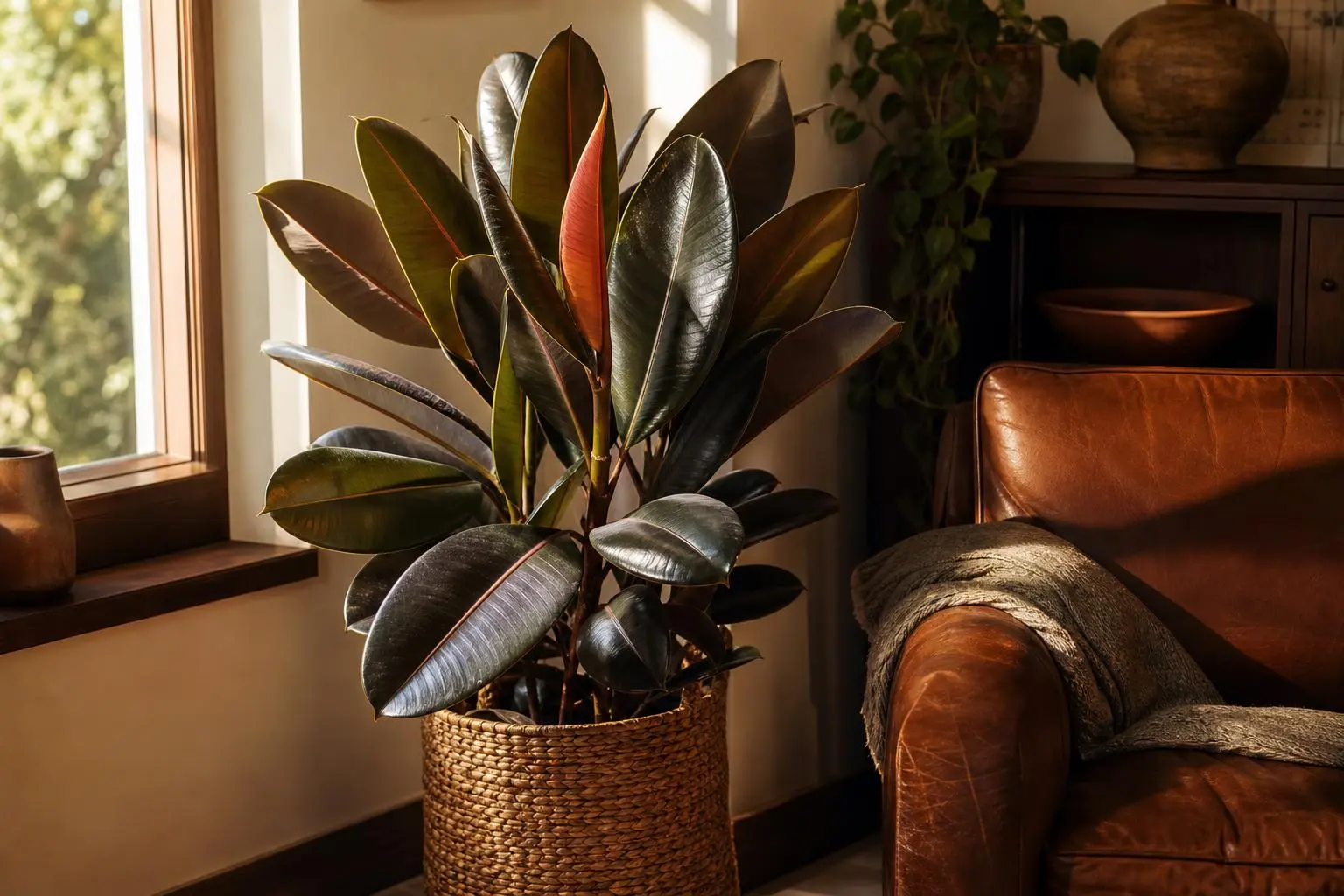
Ficus elastica
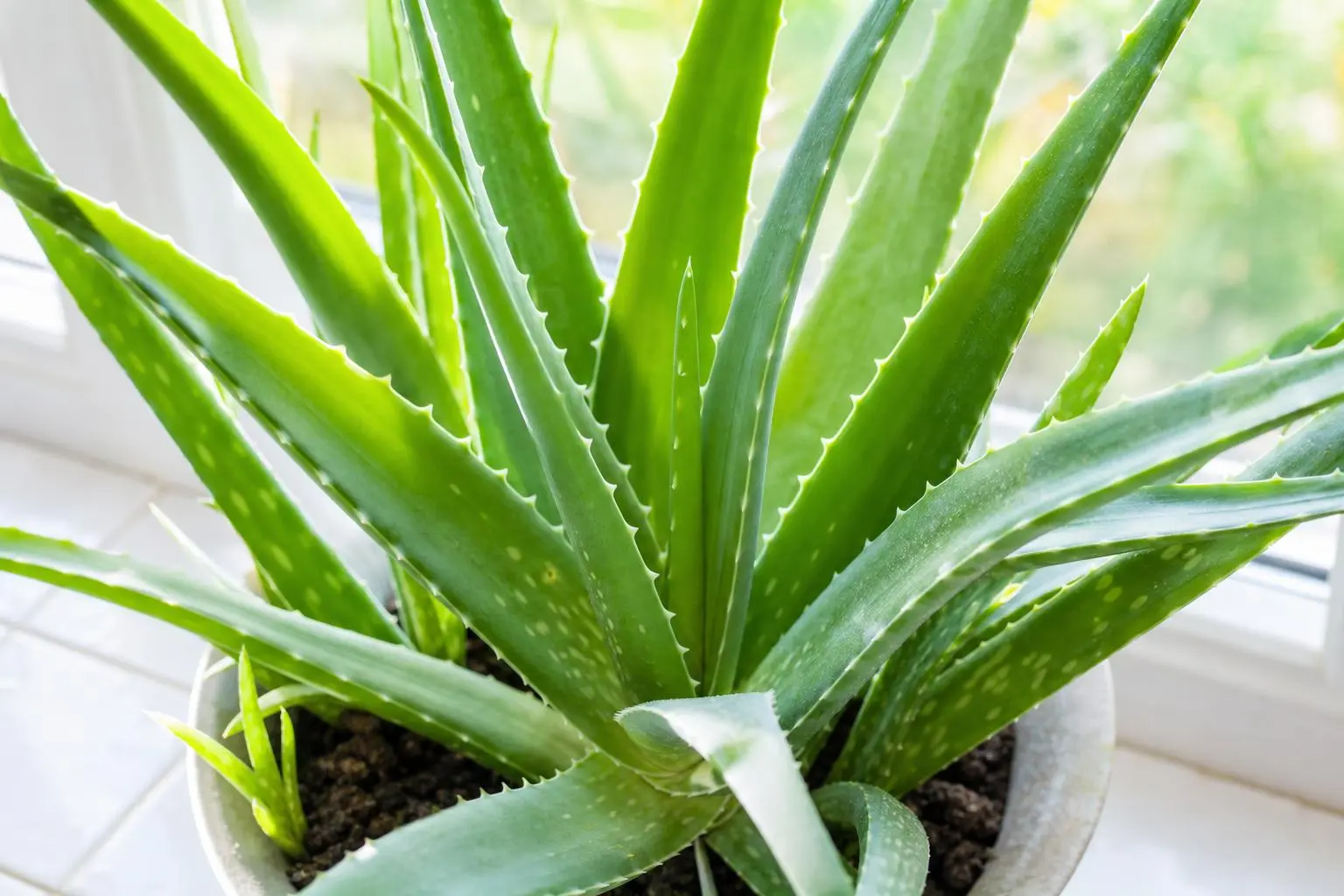
Aloe barbadensis miller
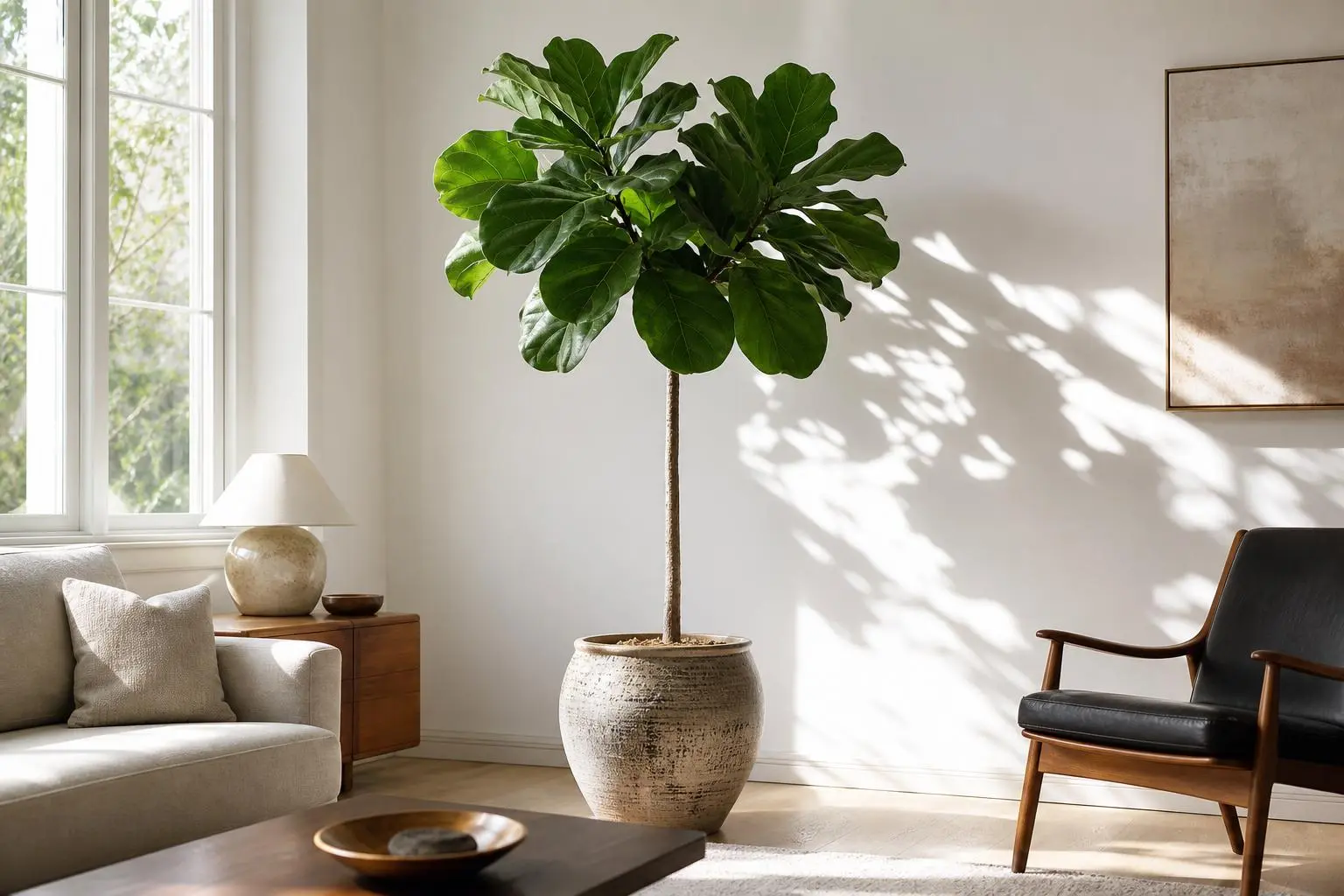
Ficus lyrata
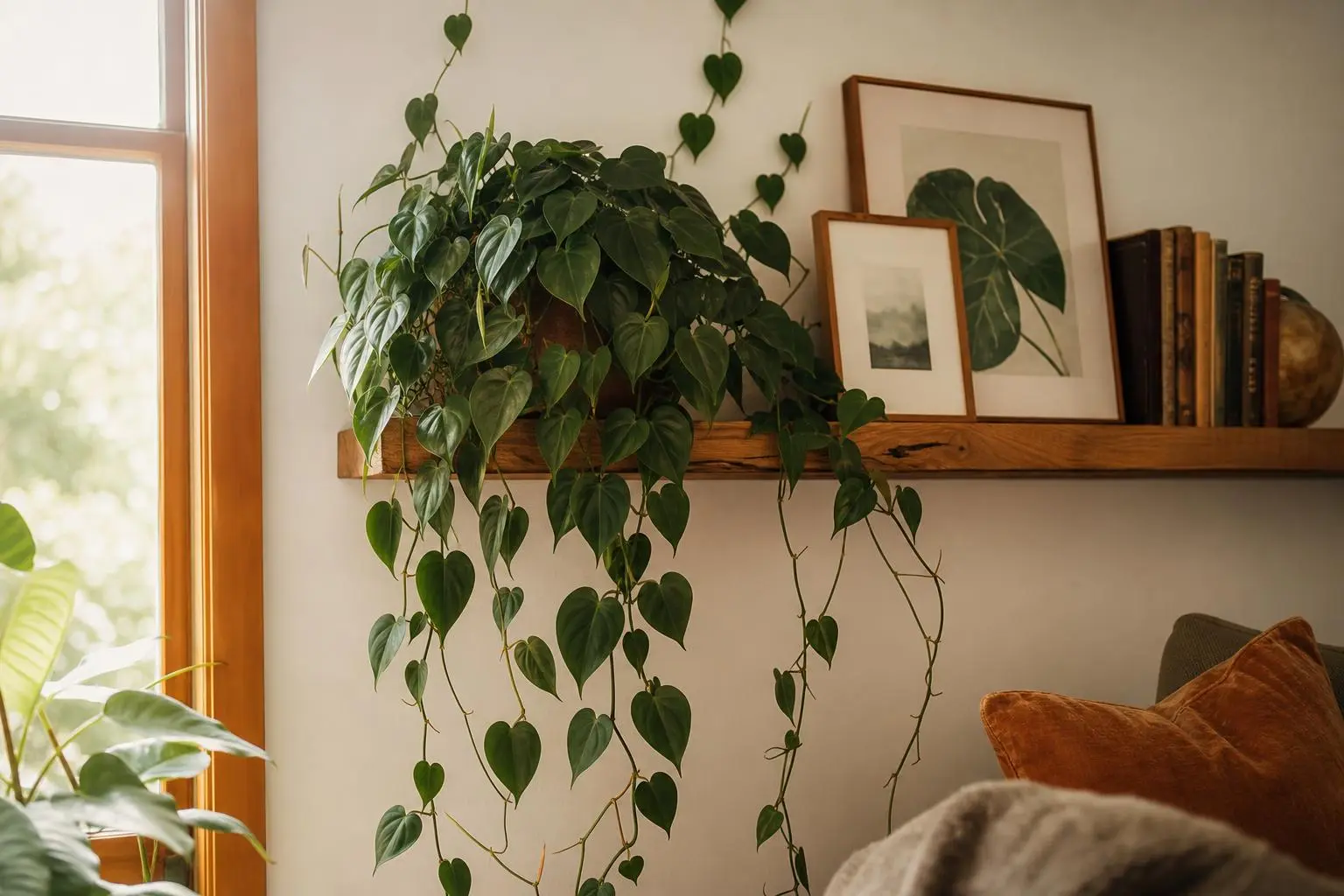
Philodendron hederaceum
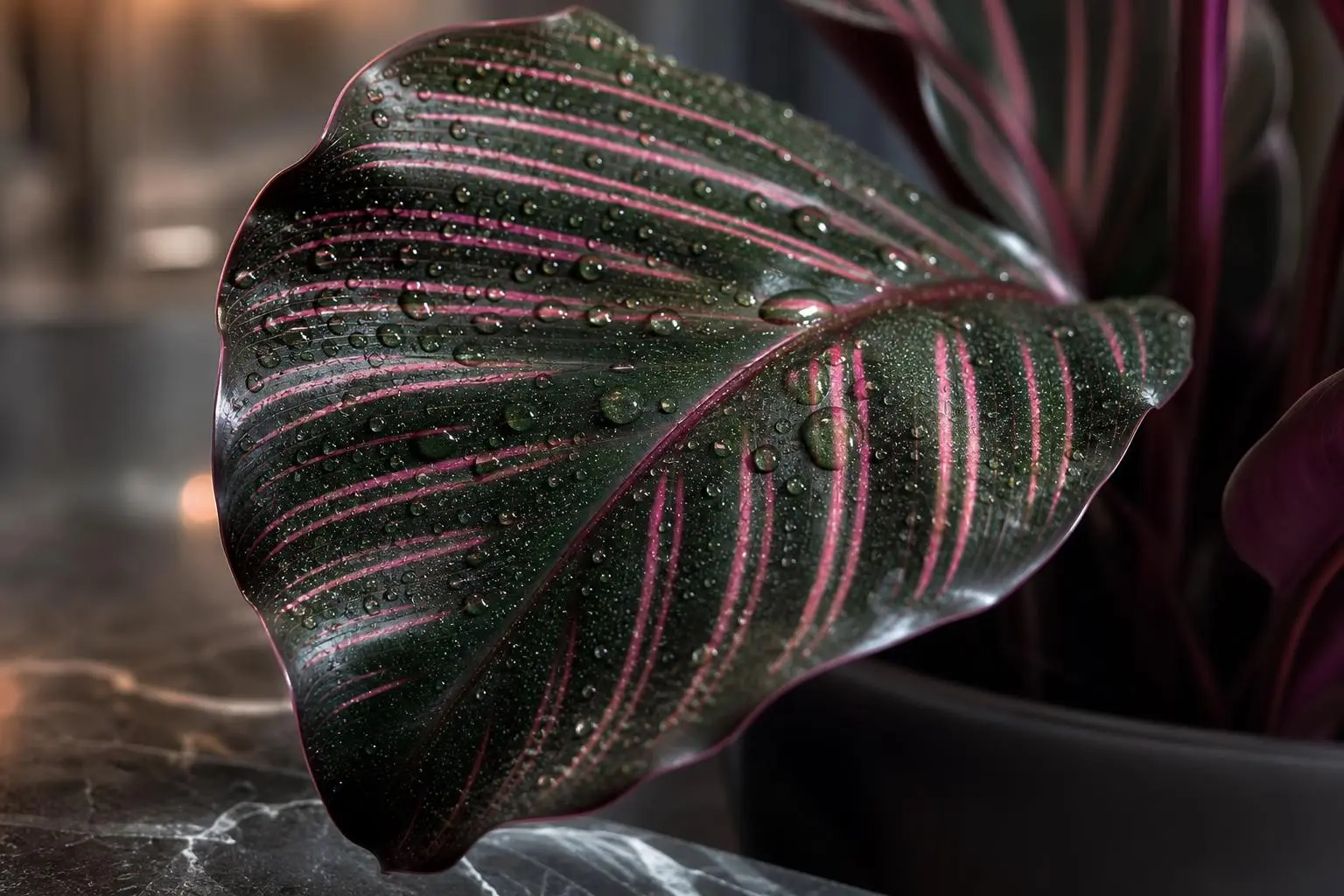
Calathea ornata
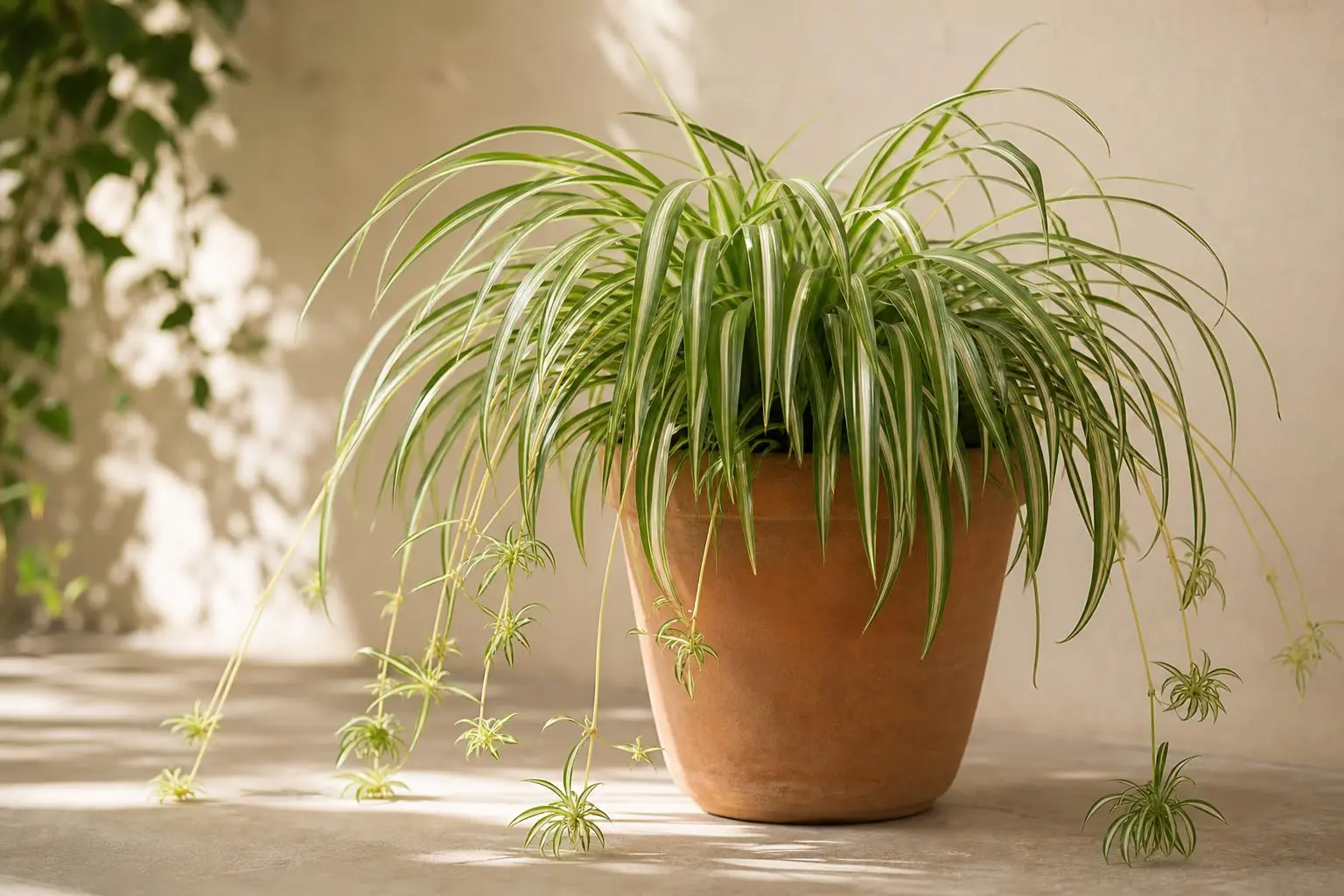
Chlorophytum comosum
Dracaena marginata
Crassula ovata
Nephrolepis exaltata
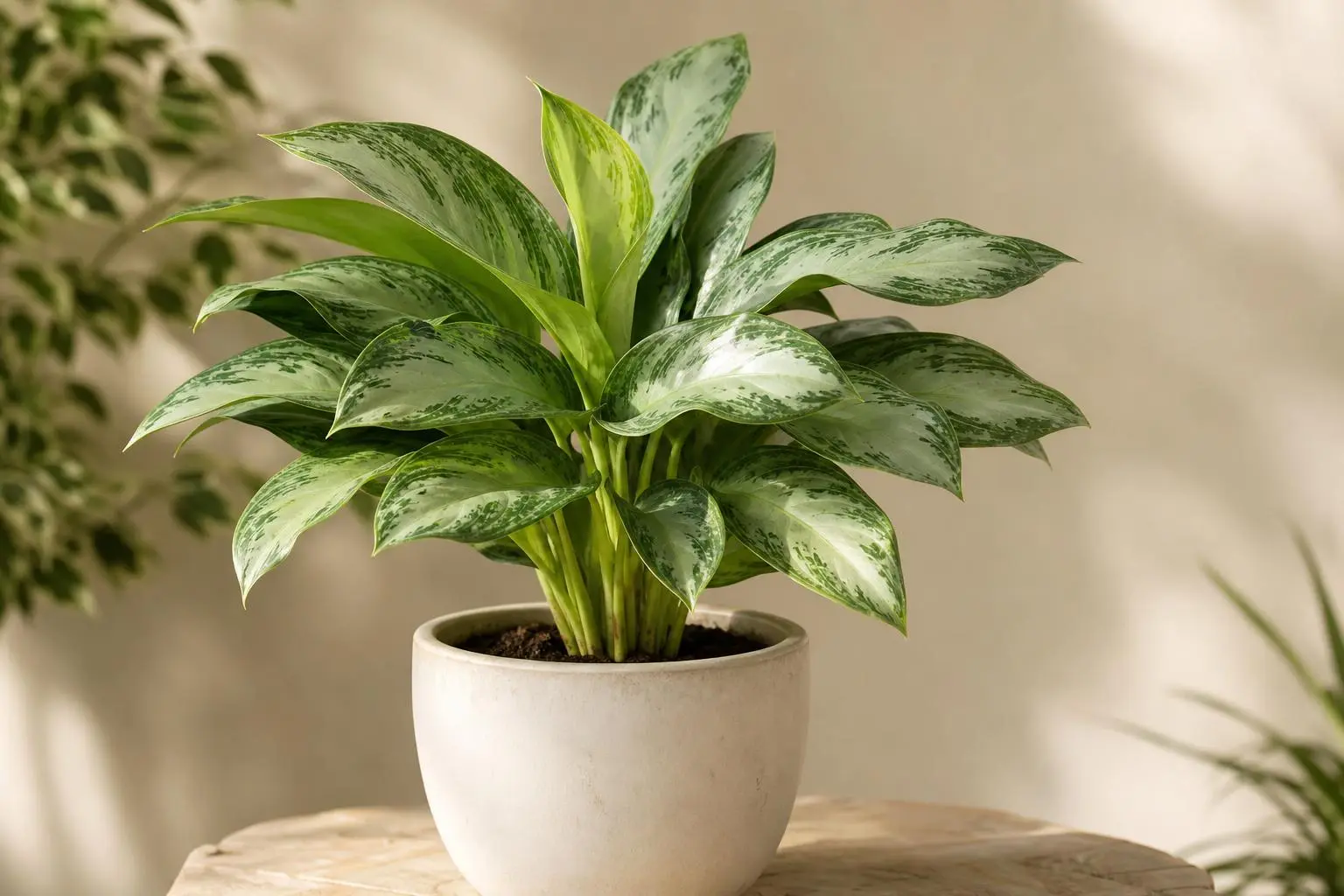
Aglaonema
Strelitzia reginae
Hedera helix
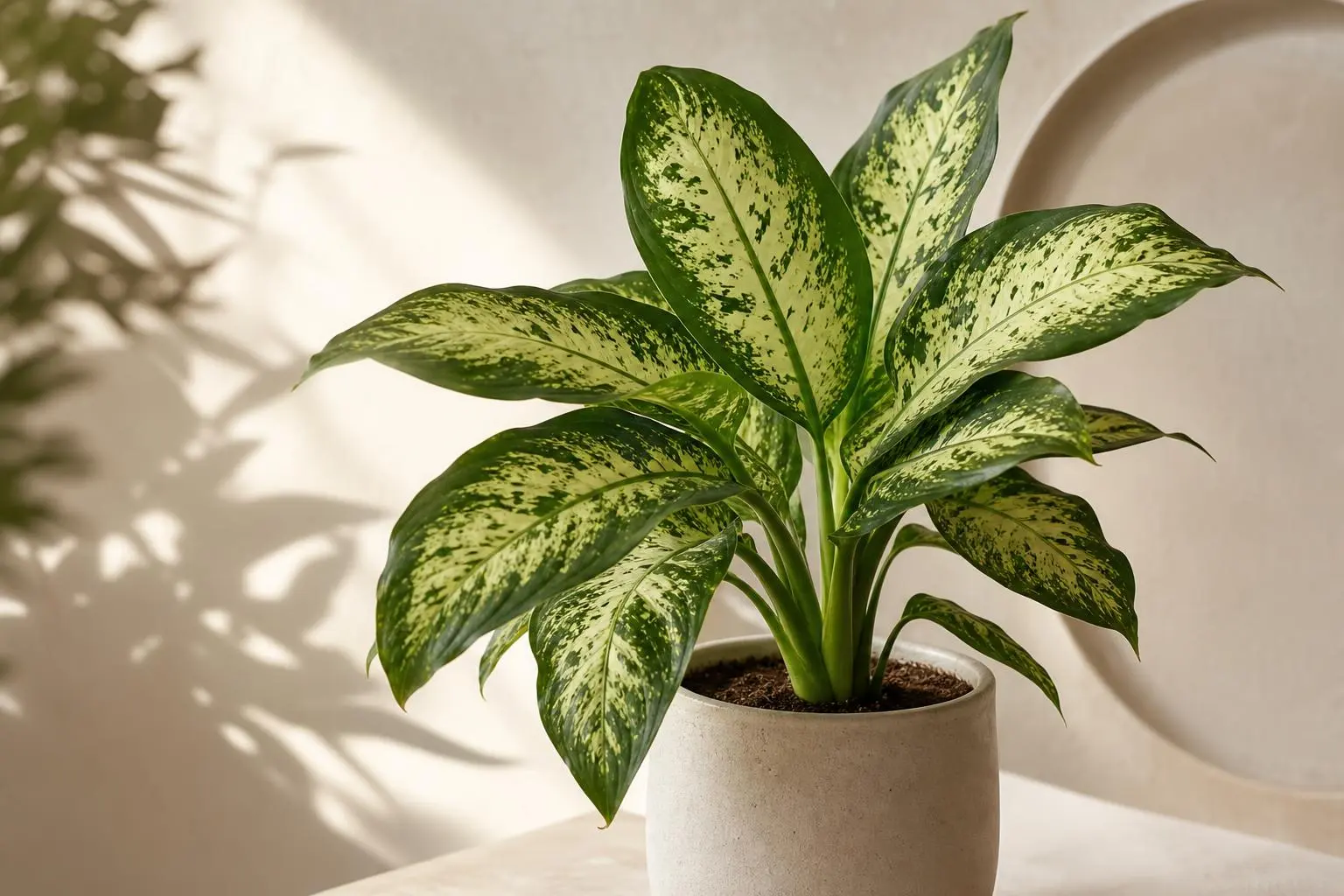
Dieffenbachia
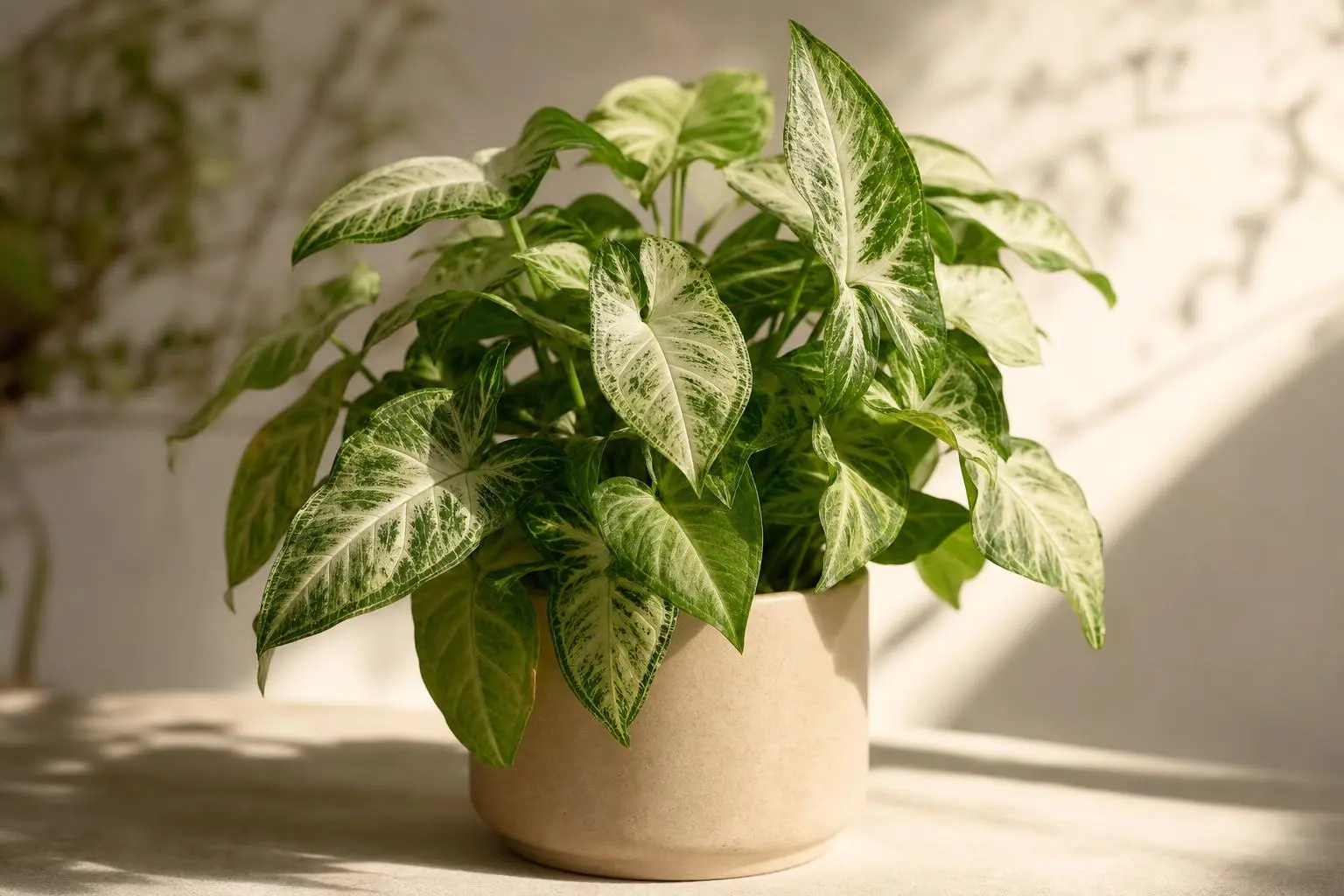
Syngonium podophyllum
Alocasia amazonica "Polly"
Senecio rowleyanus
Hoya carnosa
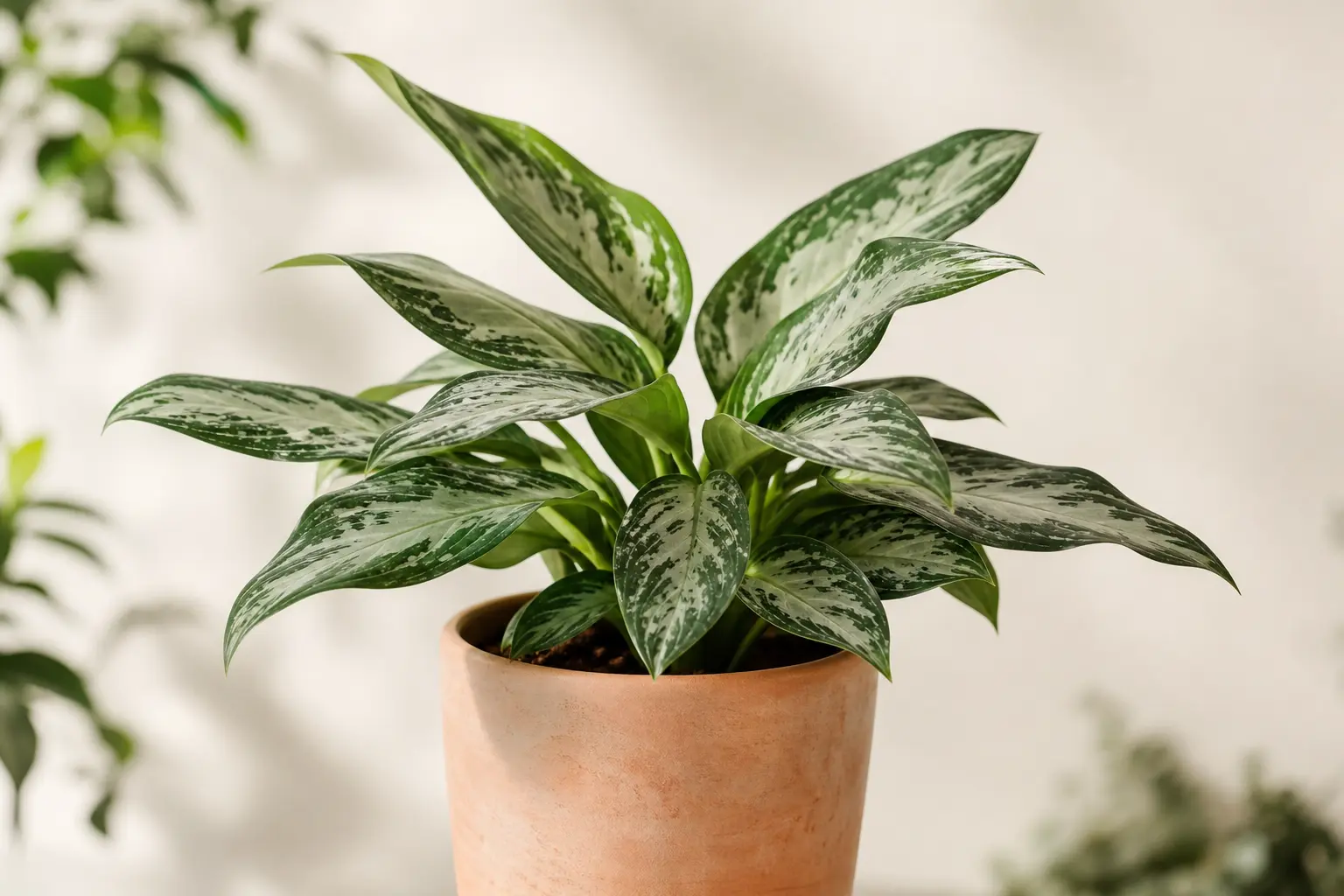
Aglaonema spp.
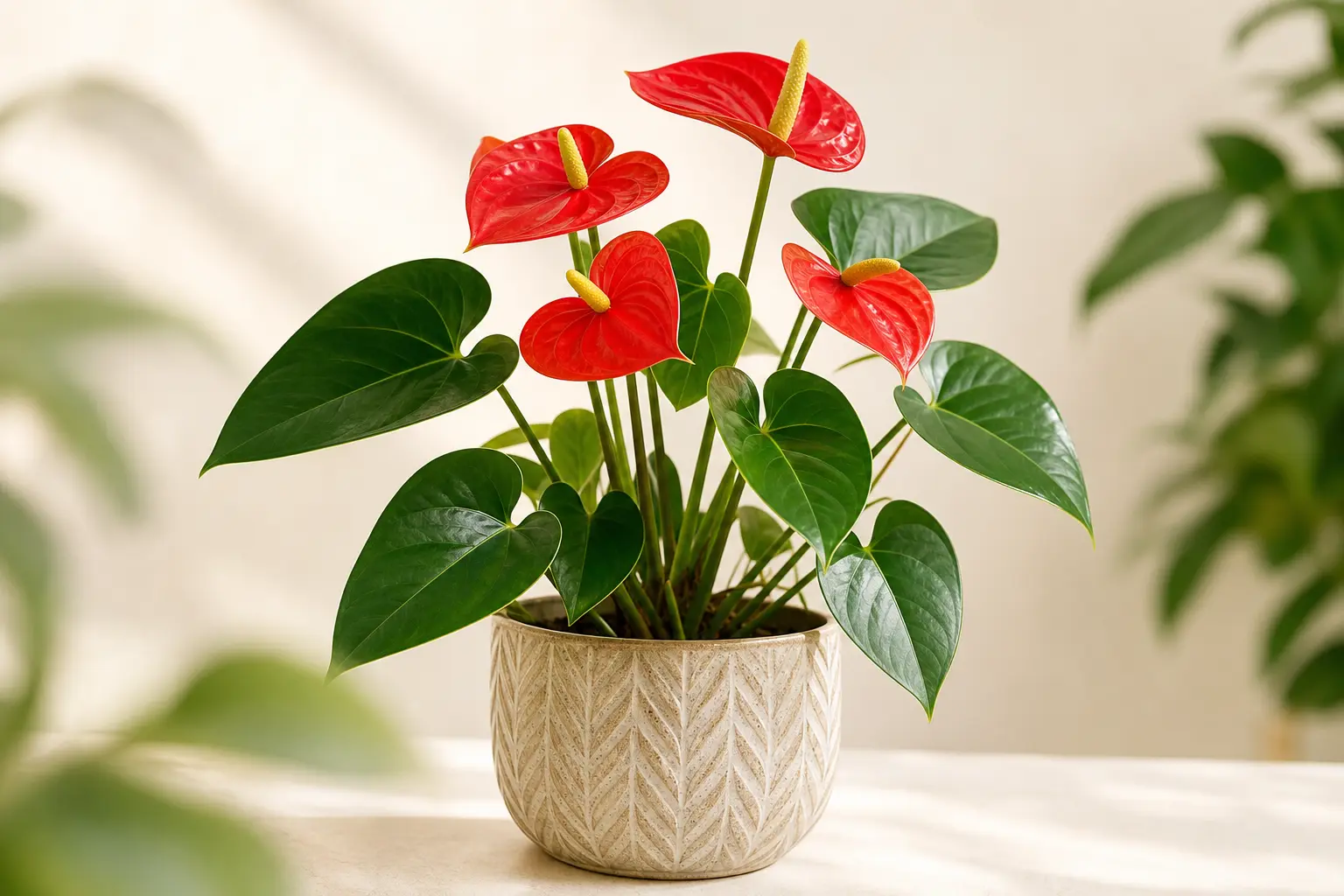
Anthurium andraeanum
Asplenium nidus
Beaucarnea recurvata
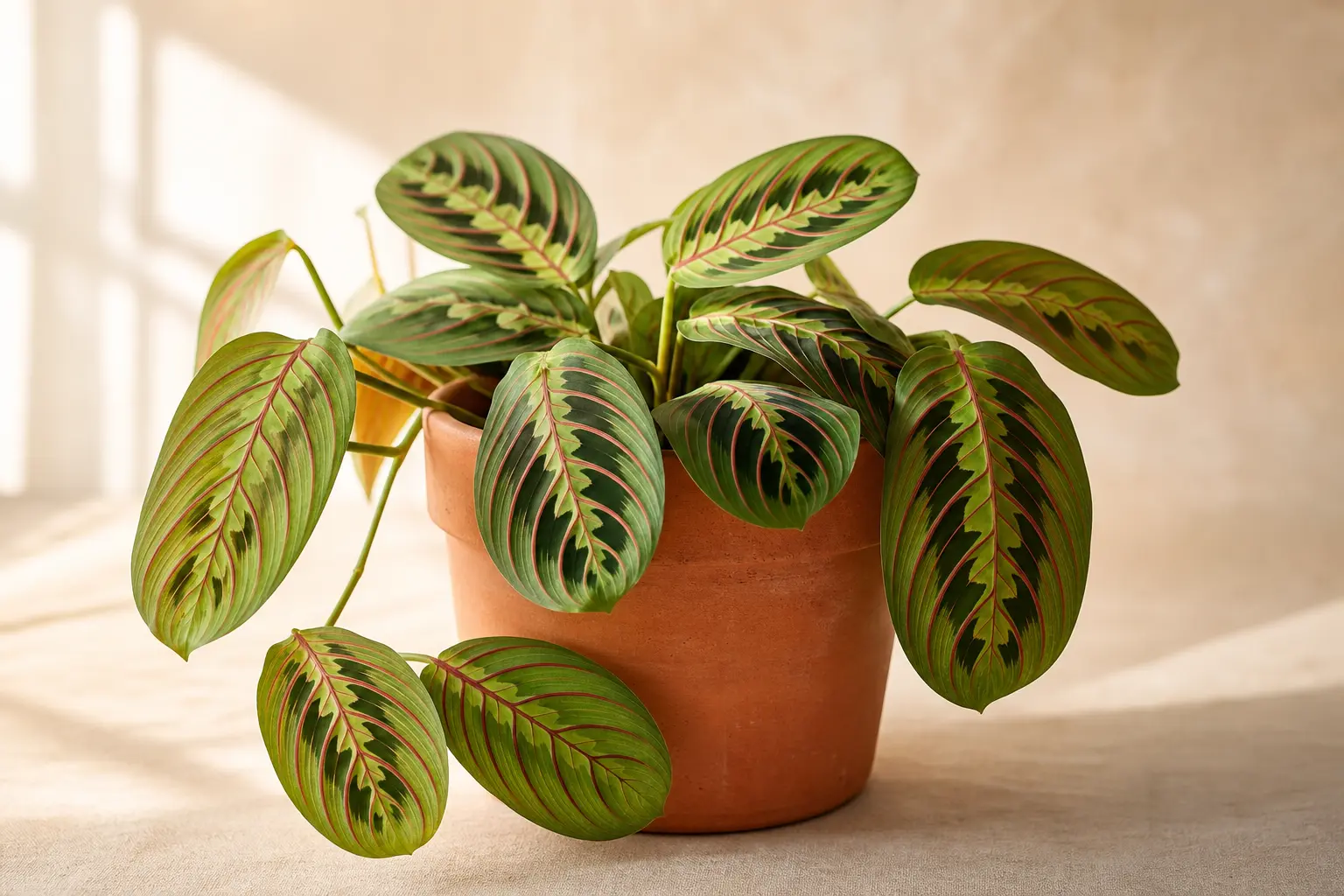
Maranta leuconeura
Phalaenopsis spp.
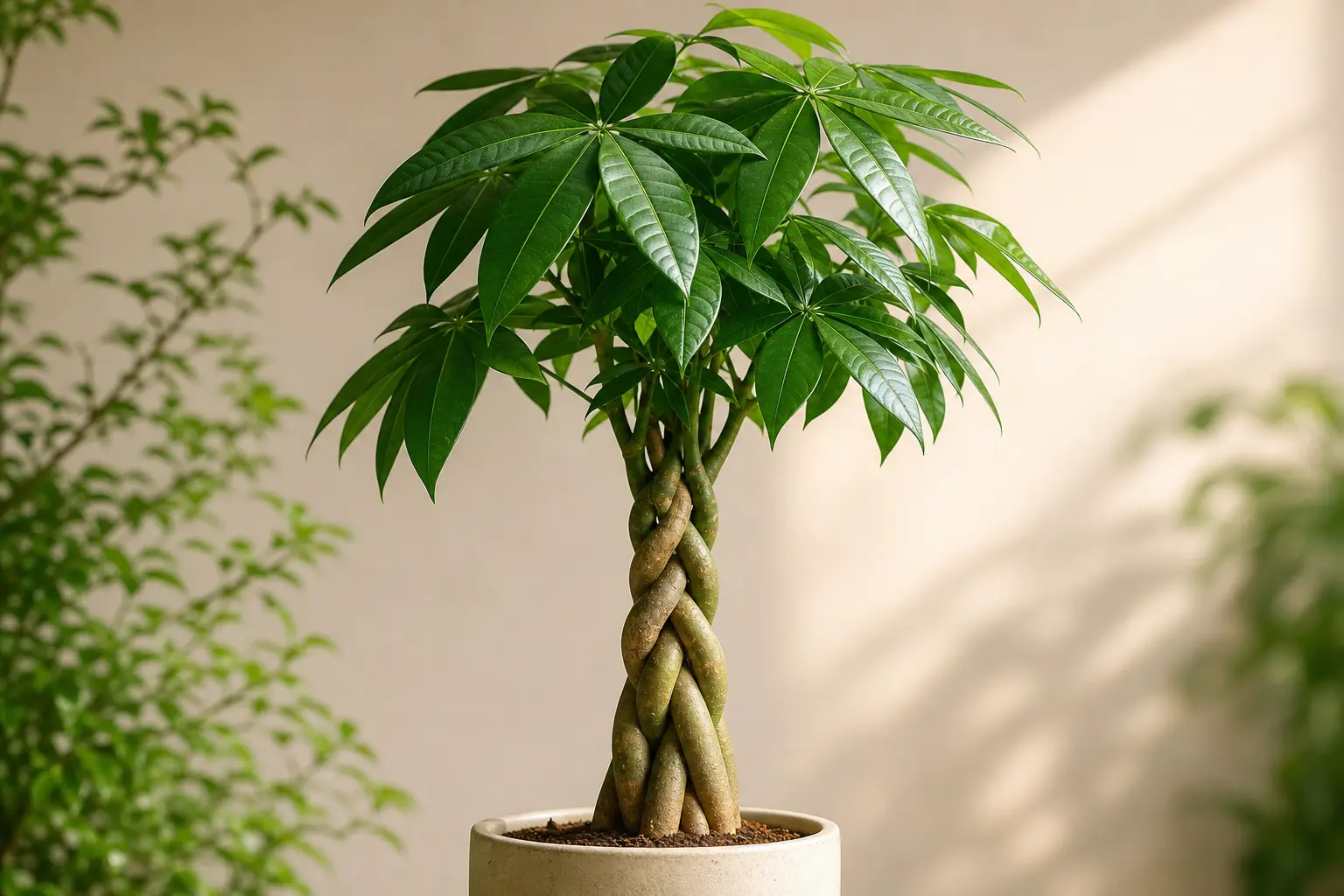
Pachira aquatica