
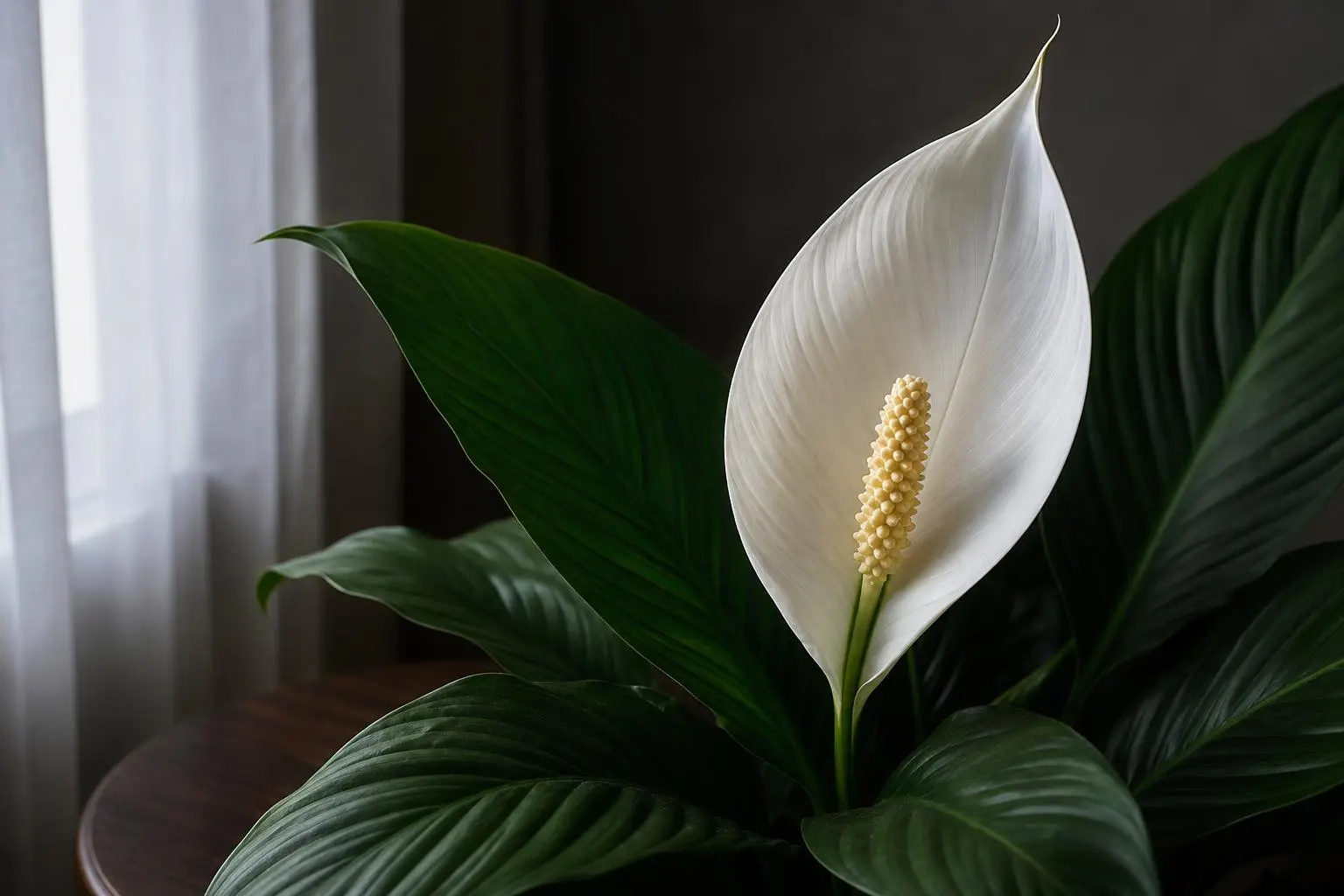
Peace Lily
Spathiphyllum wallisii
Also known as: Spath, White Sails, Closet Plant, Snow Flower
Last updated: Sep 10, 2026
Low to medium indirect light
When top inch of soil is dry; droops when thirsty
50–60%
65–80°F (18–27°C)
Well-draining potting mix with peat moss and perlite
Balanced liquid fertilizer every 6–8 weeks in spring/summer
Beginner friendly
Toxic to pets
Toxic to Pets
Contains calcium oxalate crystals. Chewing or ingesting causes oral irritation, burning of lips and tongue, difficulty swallowing, and nausea. Keep away from curious pets and children.
Source: ASPCA Toxic Plant List
Seasonal Care Calendar
| Season | Watering | Fertilizer | Notes |
|---|---|---|---|
| Spring | Every 5–7 days | Start feeding every 6–8 weeks | Best time to repot and divide. Resume regular watering as growth picks up. |
| Summer | Every 5–7 days | Every 6–8 weeks | Active growth and blooming period. Watch for brown tips from dry air. Can move outdoors to a shaded spot. |
| Fall | Every 7–10 days | Reduce to once, then stop | Growth slows. Reduce watering frequency. Stop fertilizing by mid-fall. |
| Winter | Every 10–14 days | None | Dormant period. Keep away from cold drafts and heating vents. Minimal watering — check soil before adding water. |
Detailed Care Guide
Everything you need to know to keep your Peace Lily thriving.
Light Requirements
Peace lilies are celebrated for their ability to survive in low-light conditions, making them one of the best houseplants for dim offices, north-facing rooms, and spaces far from windows. They are understory plants in their native Central and South American rainforests, adapted to the dappled shade that filters through the canopy above.
However, there is an important distinction between surviving and thriving. In very low light, a peace lily will maintain its foliage but rarely produce those iconic white spathe flowers. If you want blooms, provide medium indirect light — a spot near an east- or north-facing window is ideal, or a few feet back from a filtered south- or west-facing window. The brighter the indirect light, the more flowers you will see, and the more vigorously the plant will grow.
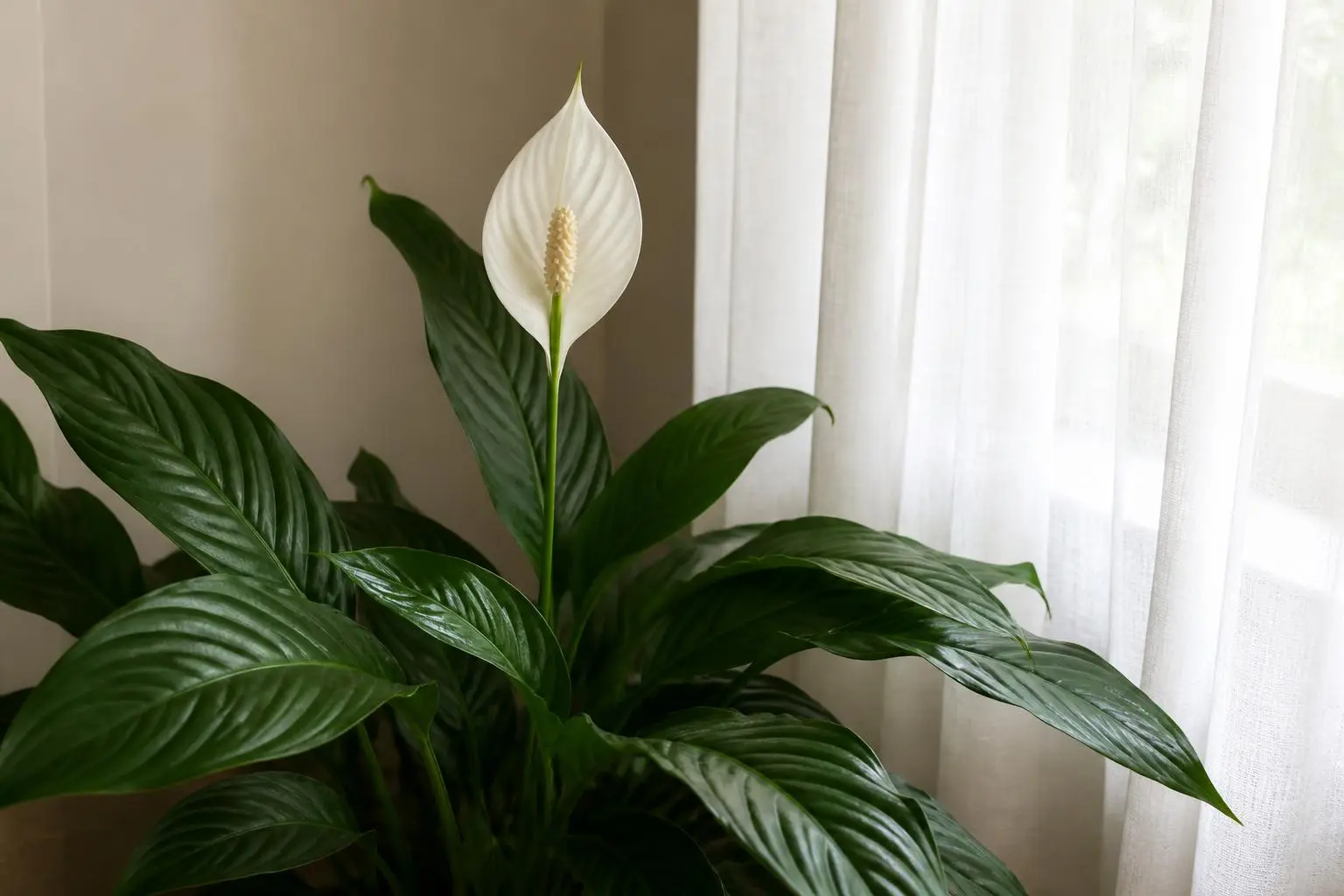
Avoid direct sunlight at all costs. Even a few hours of direct sun, especially afternoon rays, will scorch the leaves, turning them pale, then brown, and crispy. If the only available spot gets strong sun, use a sheer curtain as a filter. If your peace lily is not producing any flowers despite otherwise healthy growth, try moving it to a slightly brighter location. The change often triggers blooming within a few weeks to a couple of months.
Watering
Peace lilies have a dramatic and helpful habit: they wilt conspicuously when they need water. The leaves droop noticeably, sometimes almost folding in half, making it very easy to tell when the plant is thirsty. This drooping is not harmful if caught within a day or two — the plant perks back up within hours of a good watering. However, letting it droop repeatedly over weeks will stress the plant and shorten its lifespan.
A better approach is to water when the top inch of soil feels dry to the touch, rather than waiting for the dramatic wilt. In spring and summer, this typically means watering every 5–7 days. In fall and winter, reduce to every 10–14 days as growth slows. Always use room-temperature water — cold water can shock the roots.
When you water, give the soil a thorough soaking until water drains freely from the bottom. Empty the saucer after 15 minutes; peace lilies do not tolerate sitting in standing water. Overwatering is the most common mistake — it leads to root rot, which causes leaves to yellow from the bottom up, and the plant develops a generally wilted appearance that does not improve after watering. If the soil feels wet and the plant looks droopy, do not add more water. Instead, check the roots for rot and adjust your schedule.
Humidity
Native to tropical rainforest floors, peace lilies prefer humidity levels between 50–60%. They tolerate average home humidity (around 30–40%) reasonably well, which is one reason they are such popular houseplants. However, in dry environments — especially homes with forced-air heating or air conditioning — you may notice brown, crispy tips on the leaves, which is the plant's signal that it wants more moisture in the air.
The most effective solution is a small humidifier placed within a few feet of the plant. Running it for several hours a day, especially during dry winter months, makes a noticeable difference in leaf quality. A pebble tray filled with water beneath the pot (ensuring the pot sits on the pebbles, not in the water) provides a modest but steady humidity boost. Grouping plants together also helps by creating a shared microclimate.
Misting is a common recommendation but largely ineffective for raising humidity — the water evaporates within minutes and does not meaningfully change the ambient moisture level. If you do mist, do it in the morning so the foliage dries before evening, as prolonged wetness can encourage fungal issues. Bathrooms with showers naturally provide higher humidity, making them excellent locations for peace lilies, provided they still receive adequate light.
Temperature
Peace lilies prefer temperatures between 65–80°F (18–27°C), which aligns well with typical indoor environments. They are genuinely tropical plants and have no cold tolerance — temperatures below 45°F (7°C) can cause serious damage, and even brief exposure to freezing temperatures will kill the plant. If you keep your peace lily on a patio during summer, bring it indoors well before nighttime temperatures dip below 50°F.
Within the home, the most common temperature-related problems come from placement near cold drafts or heat sources. Avoid positioning your peace lily next to air conditioning vents, frequently opened exterior doors in winter, or leaky window frames. Similarly, keep it away from radiators, heating vents, and fireplaces. Rapid temperature fluctuations stress the plant, causing leaf yellowing, bud drop, and general decline.
Consistent temperatures are ideal. If your home temperature drops significantly at night, consider moving the plant to a warmer spot for the evening. Peace lilies grown in consistently warm conditions produce more flowers and maintain healthier, glossier foliage. They also appreciate a slight temperature drop at night (about 5–10°F), which mimics their natural environment and can encourage blooming.
Soil
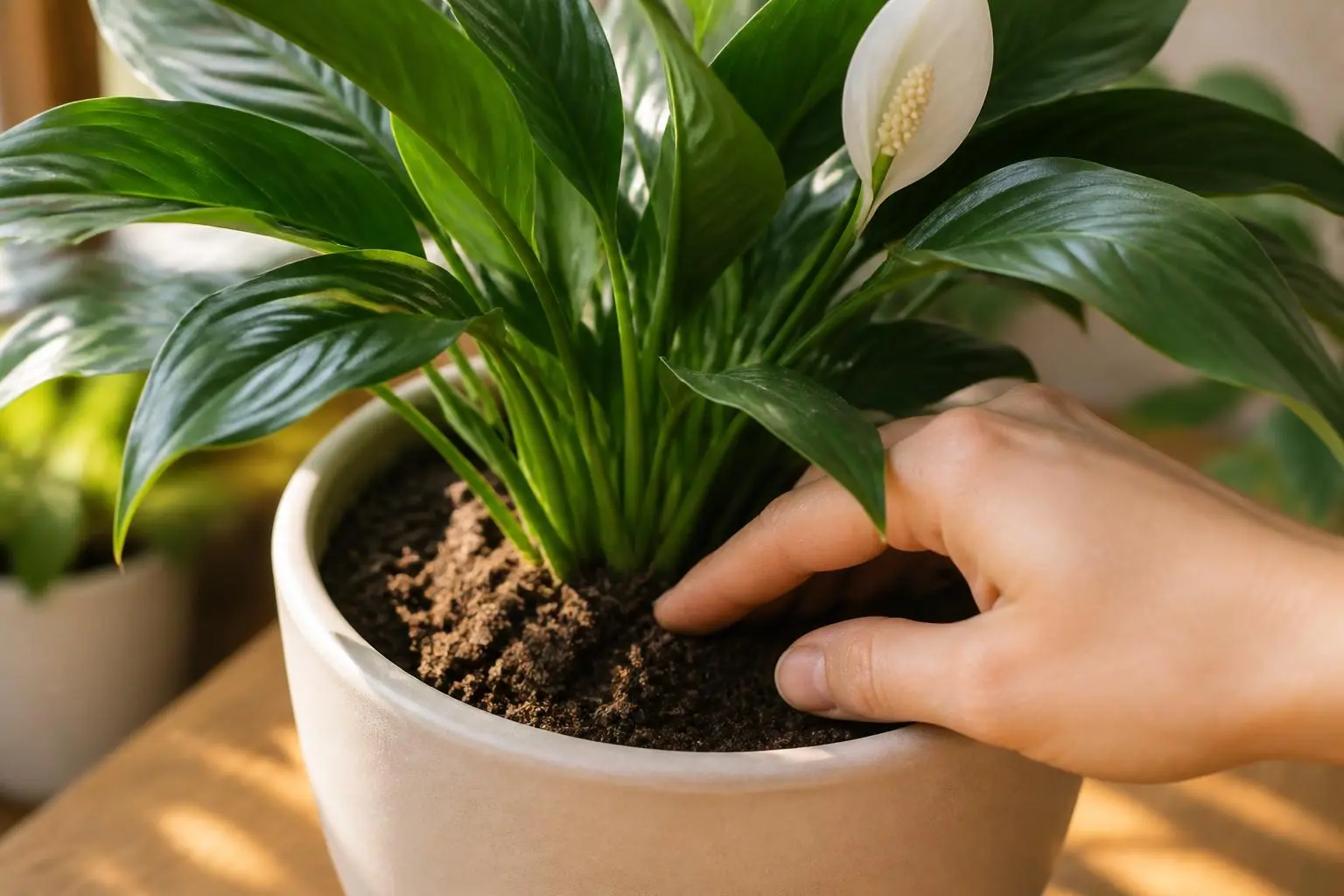
Peace lilies need a well-draining potting mix that retains some moisture without becoming waterlogged. The ideal balance is a mix that stays lightly moist between waterings but never feels soggy or saturated. A blend of standard potting soil with added perlite and peat moss works well — try a ratio of roughly 2 parts potting soil, 1 part peat moss, and 1 part perlite.
The peat moss provides moisture retention and slight acidity that peace lilies appreciate, while the perlite ensures adequate drainage and aeration. If you prefer a chunkier mix, you can substitute orchid bark for some of the perlite. A handful of horticultural charcoal mixed in helps prevent root rot by absorbing excess moisture and impurities.
Avoid using garden soil or topsoil, which compacts heavily in containers, suffocates roots, and drains poorly. Heavy, dense mixes are the fastest path to root rot in peace lilies. The soil pH should be slightly acidic to neutral, ideally between 5.8 and 6.5. If you notice water pooling on the soil surface and taking a long time to absorb, your mix is too dense — repot with a lighter, better-draining blend.
Fertilizer
Peace lilies are not heavy feeders, and over-fertilizing is more dangerous than under-fertilizing. Excess fertilizer causes salt buildup in the soil, which manifests as brown, crispy leaf tips and margins — one of the most common problems peace lily owners encounter. If you see brown tips and your watering and humidity practices are correct, fertilizer burn is the likely culprit.
During the spring and summer growing season, feed with a balanced liquid fertilizer (such as 20-20-20 NPK) diluted to half or even quarter strength, applied every 6–8 weeks. This conservative schedule is plenty for a plant that naturally grows in nutrient-poor forest floor conditions. If you prefer organic options, a light top-dressing of worm castings or a diluted fish emulsion every 6–8 weeks works well.
Stop fertilizing entirely from late fall through winter when the plant's growth naturally slows. If you notice a white, crusty buildup on the soil surface or around the drainage holes, that is accumulated mineral salt — flush the soil thoroughly with plenty of water to leach out the excess. Some growers report that peace lilies bloom better when slightly under-fertilized rather than over-fertilized, so err on the side of less.
Repotting
Repot your peace lily every 1–2 years, or when you see roots growing out of the drainage holes or circling visibly at the soil surface. Peace lilies actually prefer to be slightly root-bound and tend to produce more flowers when snug in their pots, so do not rush to upsize. The best time to repot is in spring or early summer when the plant is entering its active growing phase and can recover quickly.
Choose a new pot only 1–2 inches larger in diameter than the current one. Going too large means a lot of excess soil that stays wet for too long, which invites root rot. Always select a pot with drainage holes — there are no exceptions for peace lilies.
To repot, water the plant a day beforehand to make removal easier. Gently slide it out of the current pot, loosen any tightly circling roots with your fingers, and trim away any black, brown, or mushy roots with sterilized scissors. Place a layer of fresh potting mix in the new pot, position the plant at the same depth it was growing before, and fill in around the sides. Water thoroughly after repotting and keep the plant in a slightly shadier spot for about a week to reduce transplant stress before returning it to its usual location.
Our Experience
My peace lily used to get brown tips constantly no matter how I watered it. I finally realized the culprit was my tap water — the chlorine and dissolved minerals were building up in the soil. I switched to filtering the water or letting it sit out overnight, and within a month all new leaves came in with clean, green tips. Now I also flush the soil with filtered water every couple of months to wash out any accumulated salts.
— Grown indoors with municipal water supply, moderate humidity, year-round
I learned to stop worrying about the dramatic drooping. My peace lily would collapse every week like it was dying, then spring back to full perk within two hours of watering. Once I accepted this is just how the plant communicates, I actually started using the droop as my watering signal. It is way more reliable than sticking my finger in the soil. I just make sure I never let it go more than a day in the drooped state before watering.
— Grown in a warm, dry apartment, medium indirect light, year-round
If you want more flowers, move your peace lily to a brighter spot — not direct sun, but the brightest indirect light you can give it. Mine sat in a dim corner for a year with zero blooms. I moved it about six feet closer to a north-facing window, and within two months it pushed up three new flower spathes. The difference was just a modest increase in light, but it made all the difference for blooming.
— Grown indoors, north-facing window, spring and summer growing season
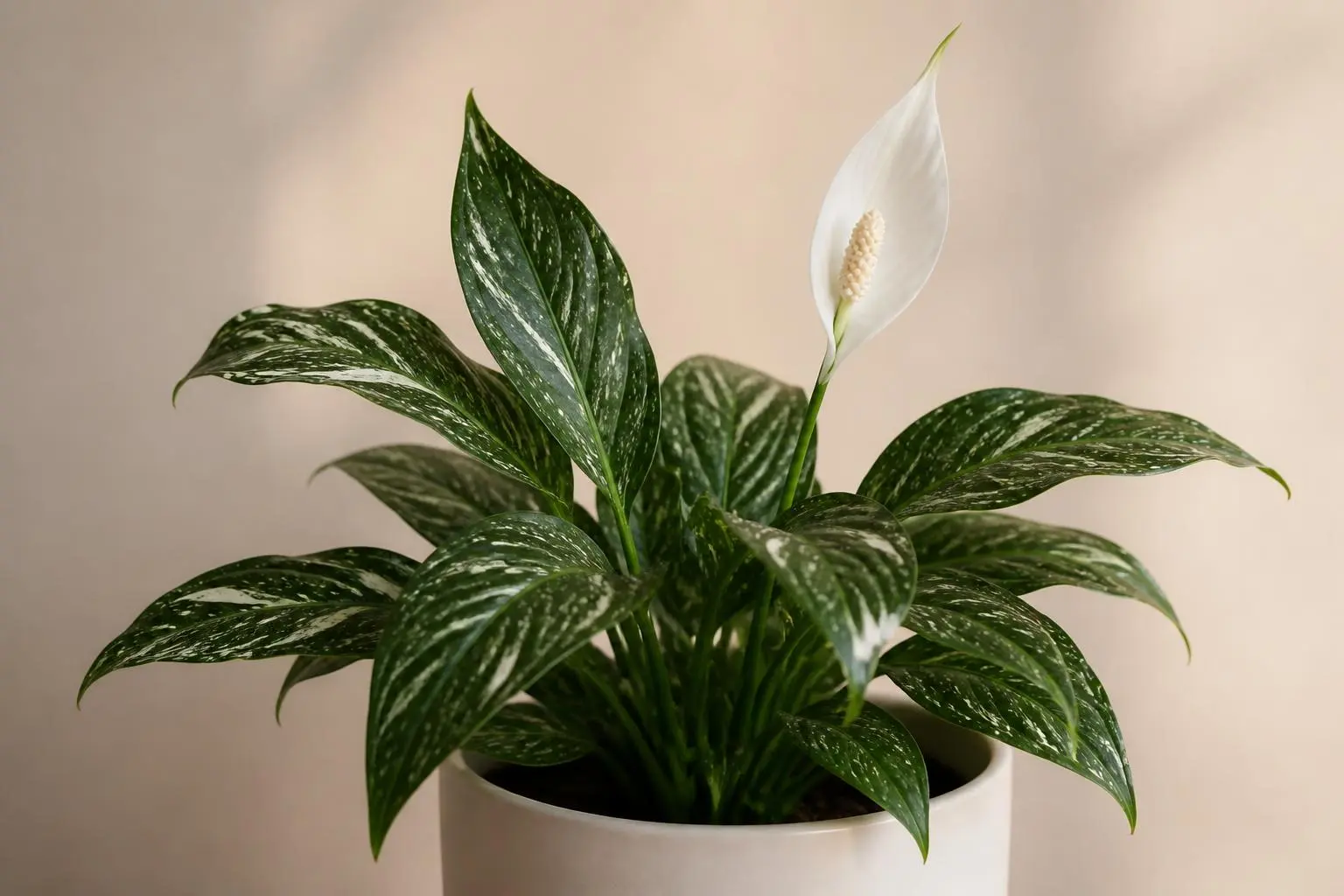 Domino
 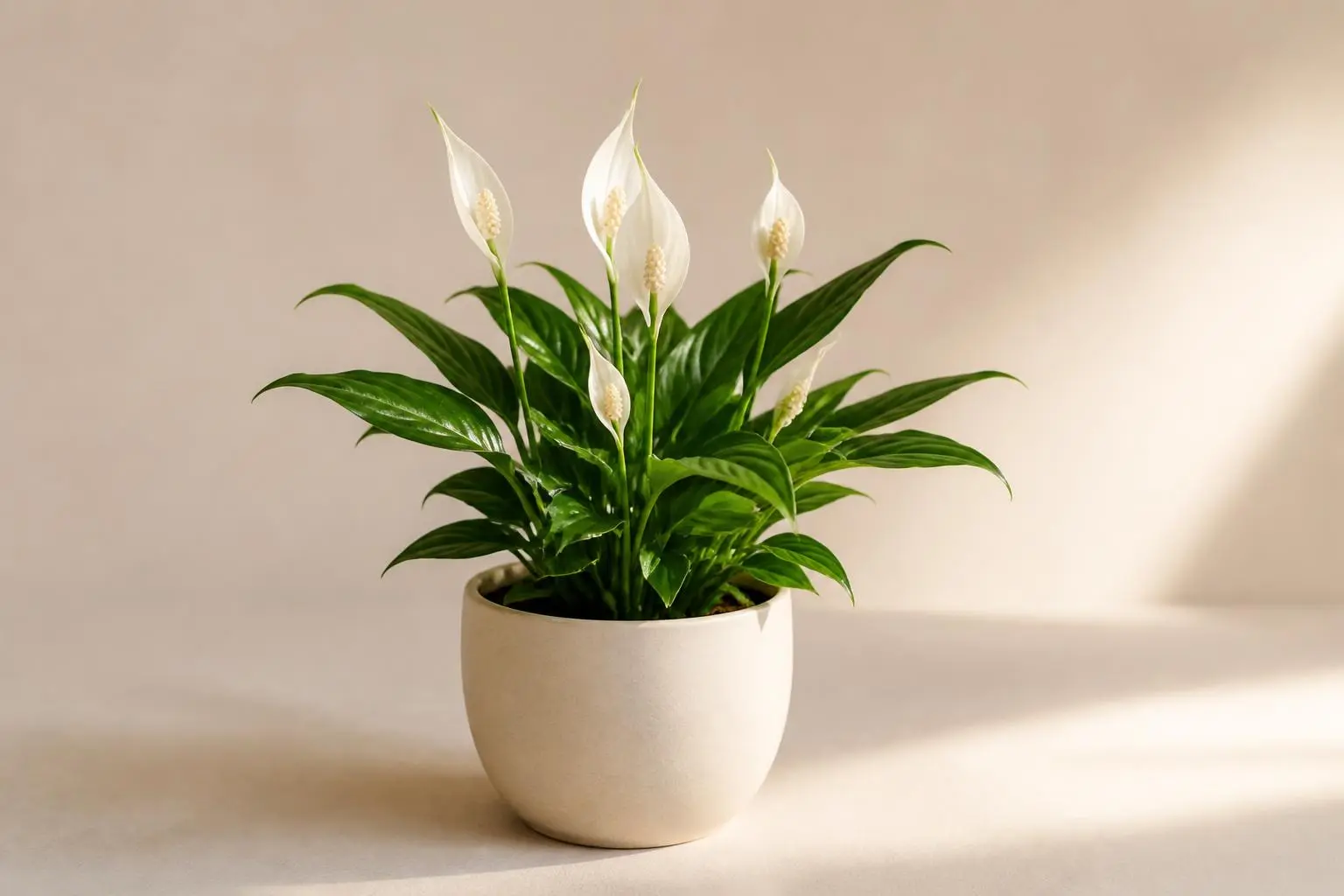 Petite
 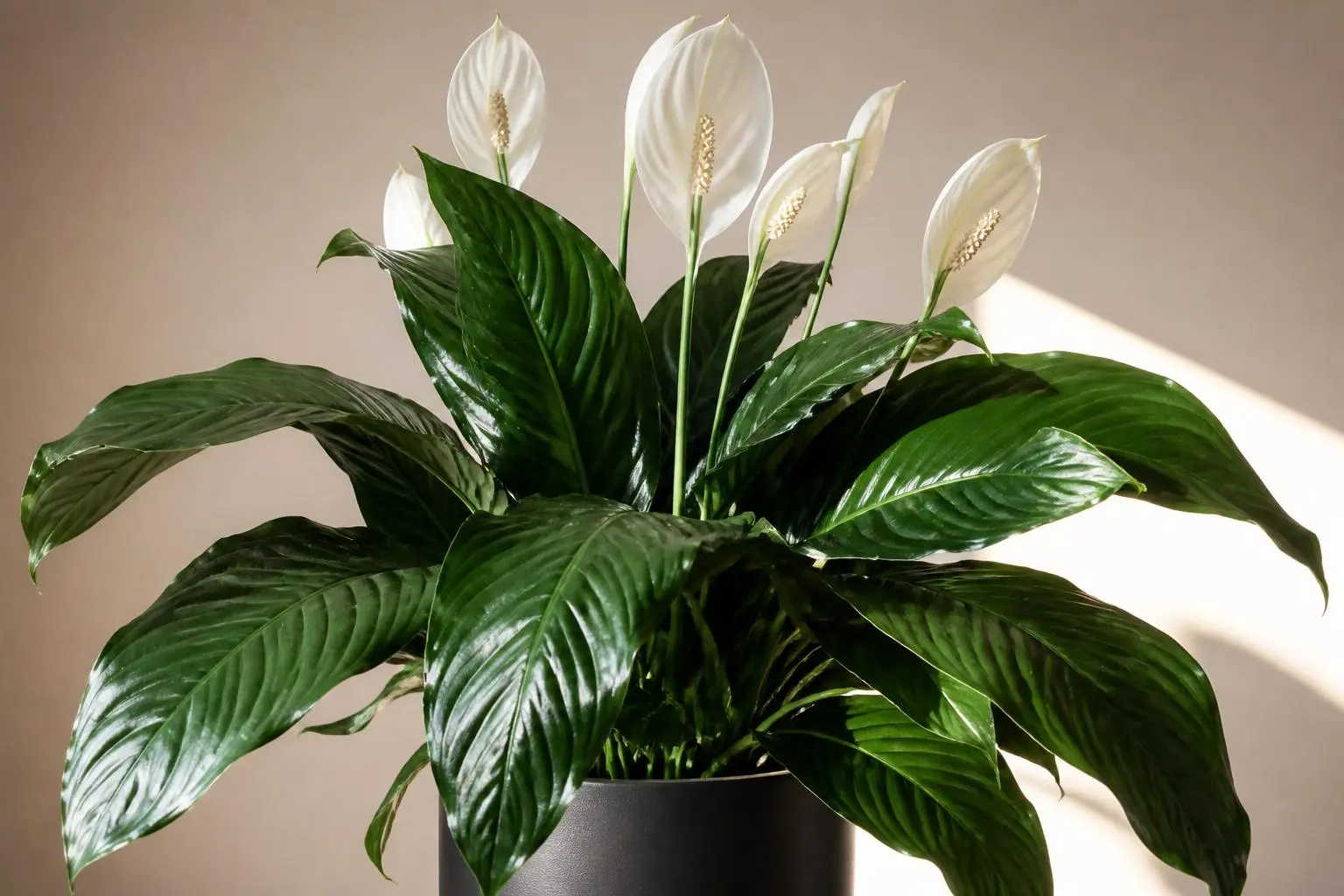 Sensation
 Compare Varieties
Explore different cultivars side-by-side and find the best match for your space.
Browse all varieties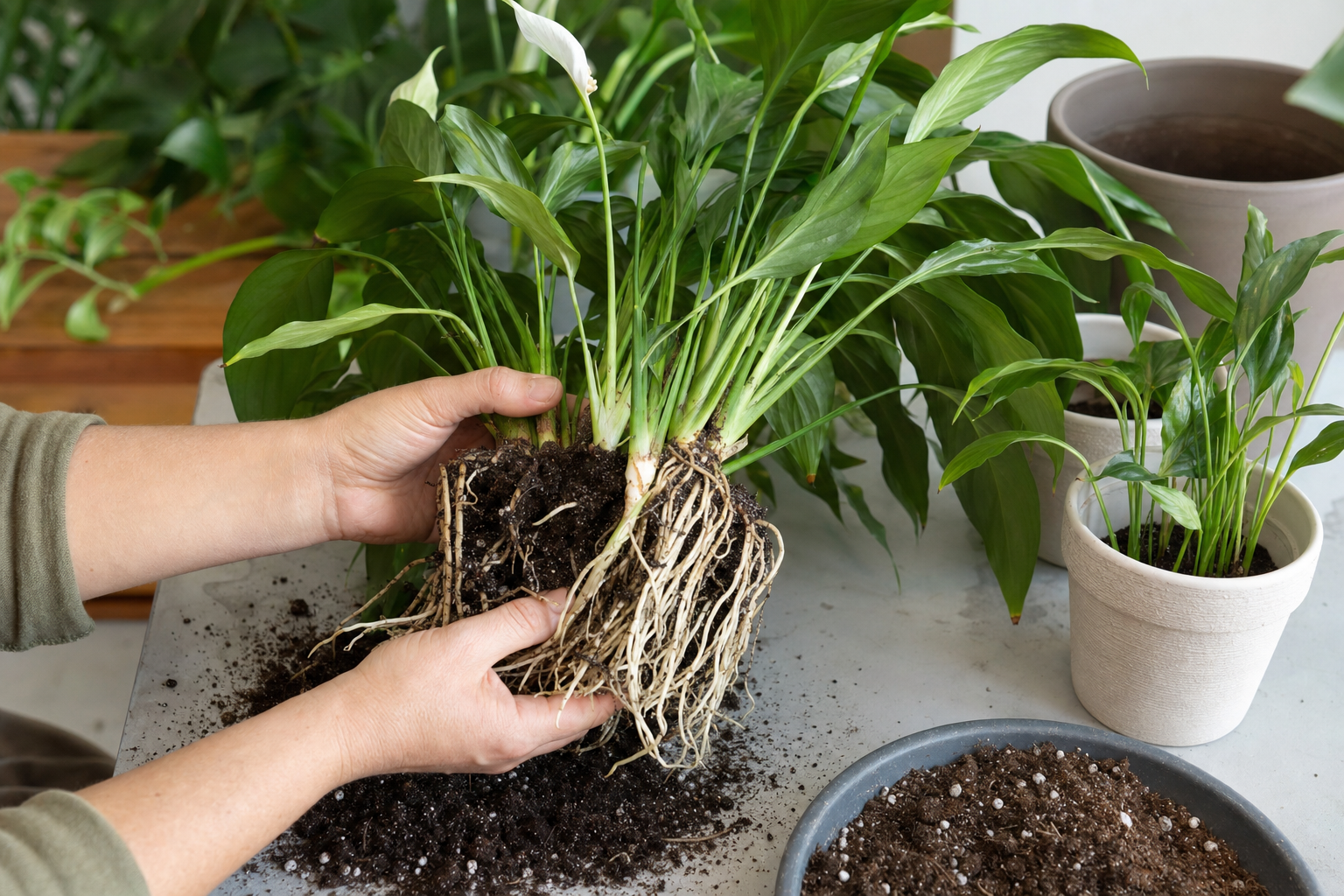
Propagation Guide
Step-by-step instructions for multiplying your plant collection.
Learn how to propagateFrequently Asked Questions
How often should I water my peace lily?
Why is my peace lily drooping?
Why does my peace lily have brown tips on the leaves?
How do I get my peace lily to flower?
Is peace lily toxic to cats and dogs?
Can peace lily survive in low light?
How do I propagate a peace lily?
Why are my peace lily leaves turning yellow?
Common Problems
Why Are My Plant Leaves Turning Yellow?
Yellowing leaves are one of the most common houseplant problems. The good news is that most causes are easy to identify and fix once you know what to look for.
Read diagnosis guideHow to Fix an Overwatered Plant
Overwatering kills more houseplants than any other cause. The tricky part? The symptoms — yellowing, wilting, drooping — look just like underwatering. Here's how to tell the difference and fix it.
Read diagnosis guideReferences
- [1] ASPCA. Spathiphyllum Toxicity
- [2] Royal Horticultural Society. Spathiphyllum wallisii
- [3] University of Florida IFAS Extension. Spathiphyllum — Peace Lily Production Guide
- [4] D.G. Hessayon. The House Plant Expert
Similar Plants
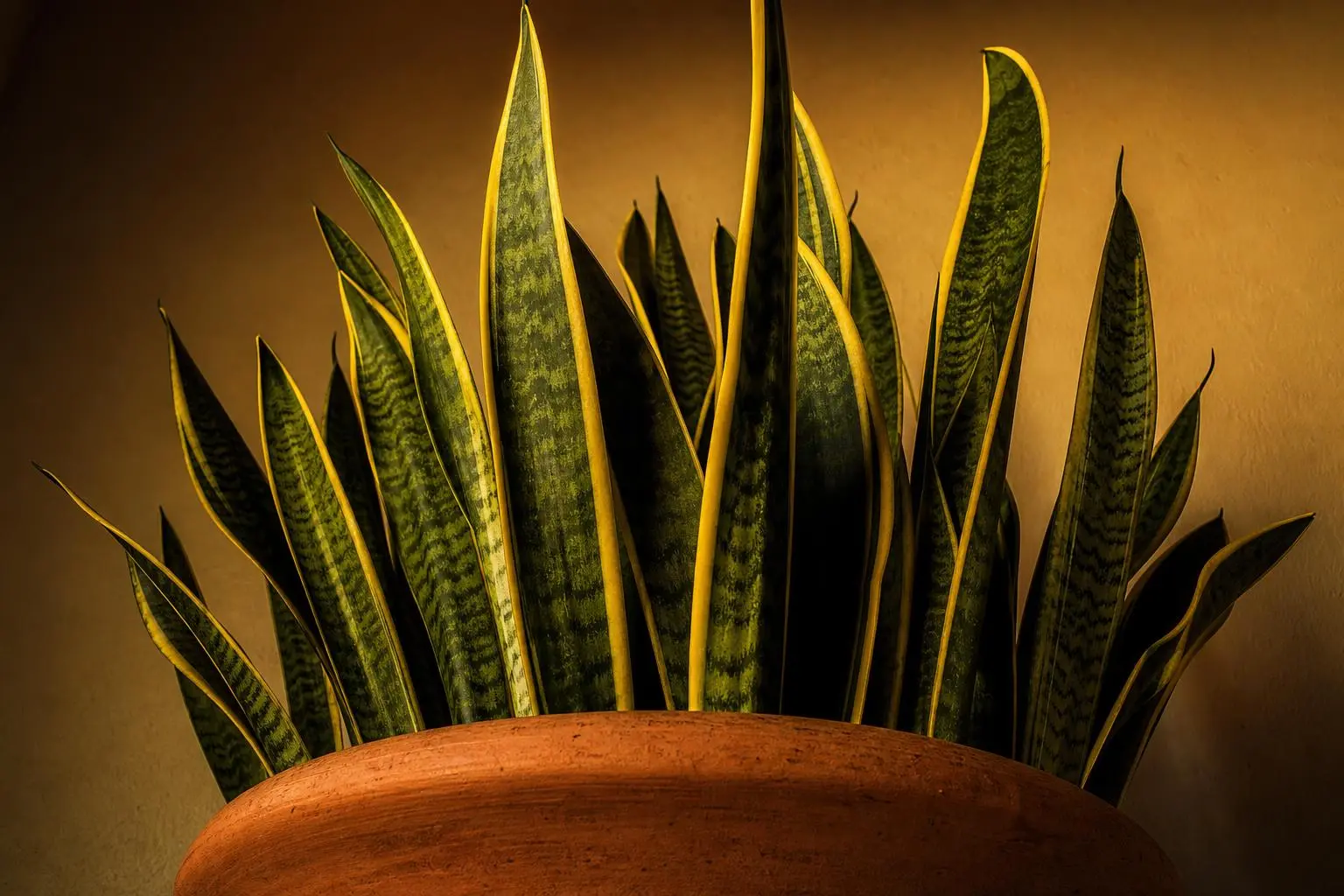
Snake Plant
Dracaena trifasciata
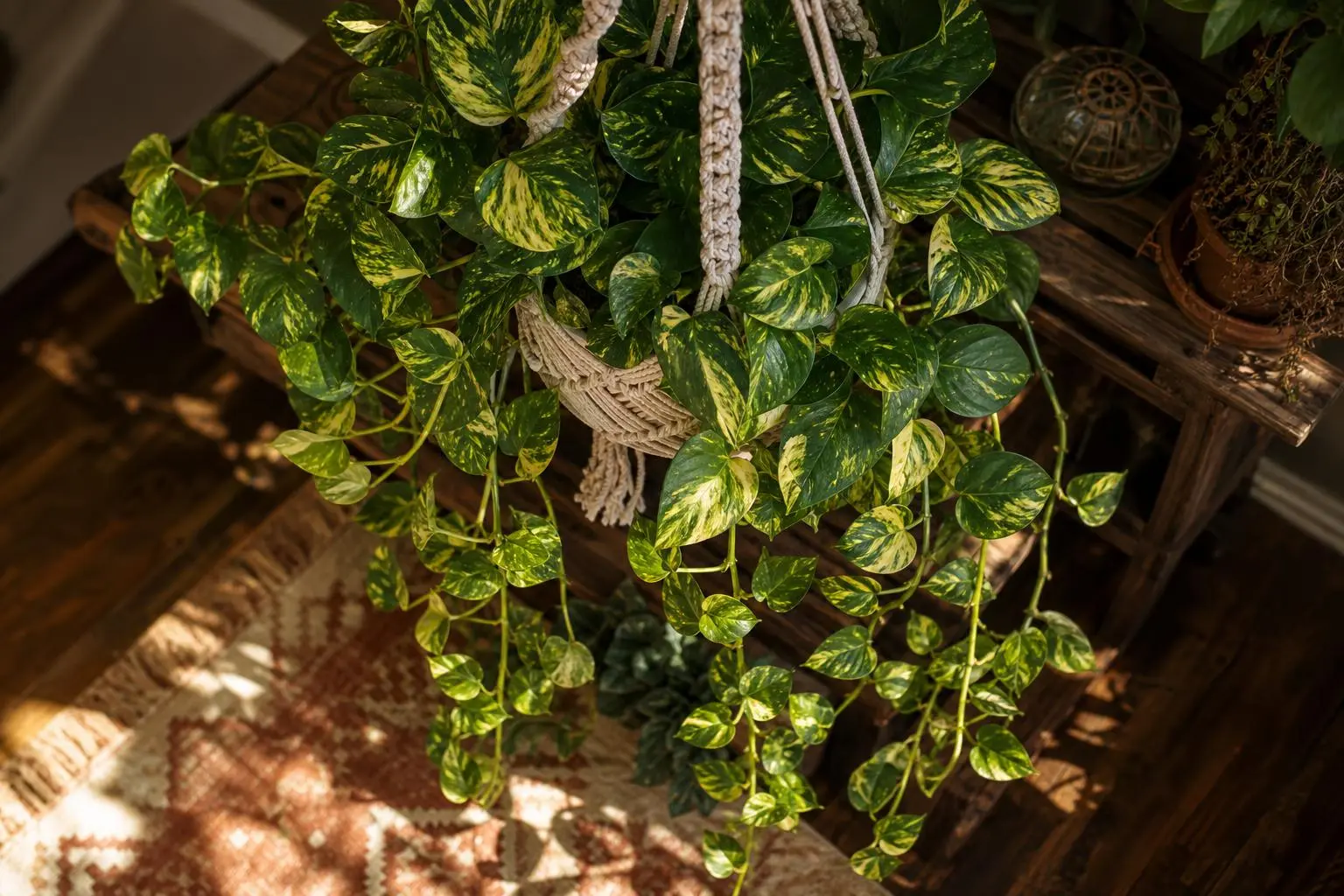
Pothos
Epipremnum aureum
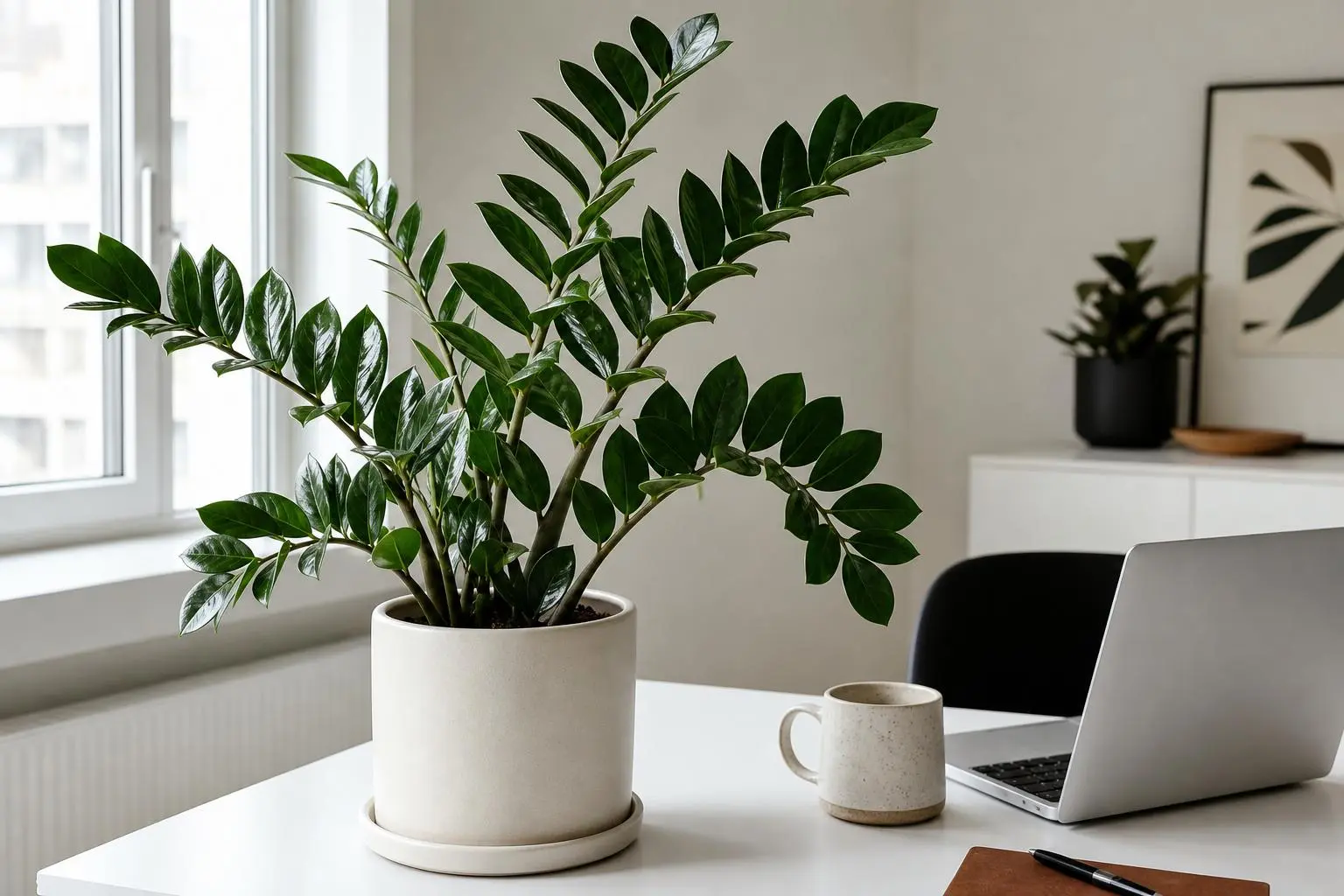
ZZ Plant
Zamioculcas zamiifolia