
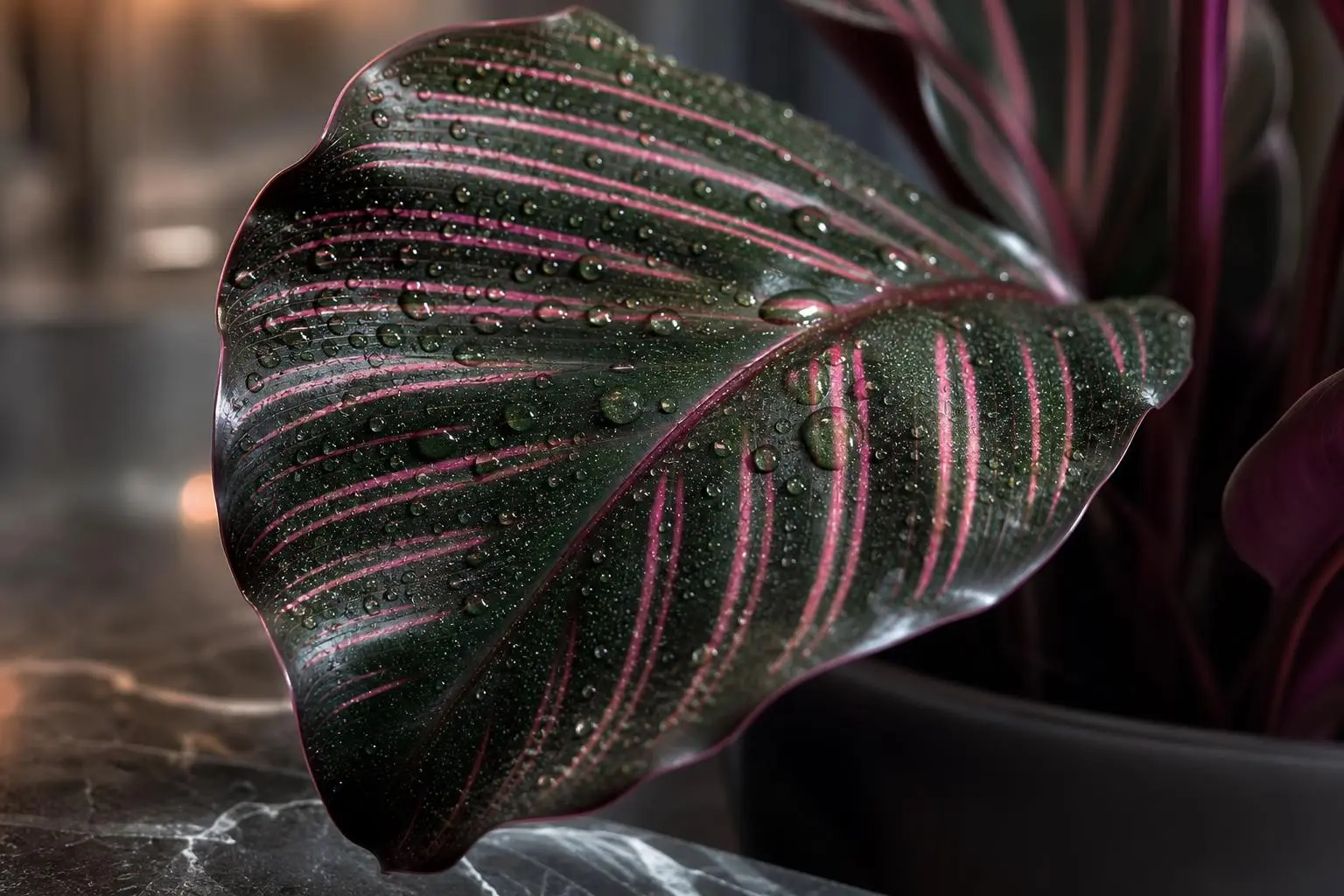
Calathea
Calathea ornata
Also known as: Pinstripe Plant, Prayer Plant, Cathedral Windows, Calathea Pinstripe
Last updated: Sep 10, 2026
Medium indirect light; avoid direct sun
When top inch of soil is dry; keep consistently moist but not soggy
60–80%
65–80°F (18–27°C)
Well-draining peat-based mix with perlite
Balanced liquid fertilizer every 4 weeks in spring/summer
Intermediate
Pet safe
Seasonal Care Calendar
| Season | Watering | Fertilizer | Notes |
|---|---|---|---|
| Spring | Every 5–7 days | Start monthly feeding at half strength | Best time to repot or propagate by division. Resume regular watering and humidity routine. |
| Summer | Every 5–7 days | Monthly feeding at half strength | Peak growth period. Monitor humidity closely — air conditioning dries the air. Watch for spider mites. |
| Fall | Every 7–10 days | Reduce to every 6 weeks | Growth slows. Reduce watering frequency. Stop fertilizing by late fall. Move away from cold drafts. |
| Winter | Every 7–10 days | None | Dormant period. Heating systems dry the air — run a humidifier consistently. Keep away from radiators and vents. |
Detailed Care Guide
Everything you need to know to keep your Calathea thriving.
Light Requirements
Calathea ornata thrives in medium indirect light — the dappled understory conditions of its native South American rainforest. An east- or north-facing window is ideal, or a spot a few feet back from a brighter window with a sheer curtain filtering the rays. Direct sunlight is one of the fastest ways to damage a Calathea; it will fade those beautiful pink pinstripes, bleach the leaf surface, and cause crispy brown patches within days.
Too little light is also problematic. In very dim conditions, growth slows dramatically, leaves lose their vibrant patterning, and the plant becomes more susceptible to root rot because the soil stays wet too long. If you notice the stems stretching or the leaves losing their crisp patterns, move the plant to a slightly brighter spot.
A useful test: if the shadow cast by your hand in the plant's location is soft and indistinct, the light level is about right. If you can see a sharp, clearly defined shadow, the light may be too intense. Rotate the pot a quarter turn every week or two for even growth — Calatheas will lean toward the light source over time. During the darker winter months, consider moving the plant closer to a window or supplementing with a grow light on a timer for 10–12 hours a day.

Watering
Watering is where most Calathea owners run into trouble, and it comes down to two factors: frequency and water quality. Calatheas want consistently moist — not soggy — soil. Water when the top inch of soil feels dry to the touch. In practice, this usually means every 5–7 days during spring and summer, and every 7–10 days in fall and winter. Never let the soil dry out completely, but never let the pot sit in standing water either.
Water quality matters enormously for Calatheas. They are highly sensitive to the minerals, chlorine, and fluoride found in most tap water. Using straight tap water is one of the most common causes of brown, crispy leaf edges — the minerals accumulate in the leaf margins over time. Use distilled water, filtered water, or rainwater instead. If you must use tap water, let it sit out in an open container overnight to allow chlorine to evaporate, though this won't remove fluoride or dissolved minerals.
When watering, use room-temperature water and pour slowly around the base until it drains freely from the bottom. Empty the saucer after 15 minutes. If the soil has dried out too much and water runs straight through without absorbing, try bottom-watering: fill a tray with water, set the pot in it for 20–30 minutes, then drain.

Humidity
If there is one thing Calathea ornata demands above all else, it is humidity. Native to tropical rainforest floors where humidity routinely exceeds 70–80%, these plants suffer badly in the dry air of most homes — especially during winter when heating systems drive indoor humidity below 30%. Brown, crispy leaf edges are the classic sign that your Calathea needs more moisture in the air.
The single most effective solution is a humidifier placed within 3–4 feet of the plant, running consistently to maintain 60–80% humidity. A large-room humidifier with a hygrometer (humidity meter) nearby lets you monitor and adjust as needed. A pebble tray filled with water beneath the pot provides a modest boost — make sure the pot sits on the pebbles, not submerged in the water.
Grouping humidity-loving plants together creates a shared microclimate that benefits all of them. Bathrooms and kitchens naturally have higher humidity and can be excellent locations, provided they get enough light. Misting is popular but largely ineffective for Calatheas — the water evaporates in minutes and wet leaves can encourage fungal spots, especially if done in the evening. If you mist, do it in the morning only and keep it light. During dry winter months, you may need to run multiple humidifiers or accept that some leaf tipping is inevitable.
Temperature
Calatheas prefer warm, stable temperatures between 65–80°F (18–27°C), which closely mirrors their native tropical habitat. They are sensitive to both cold and sudden temperature changes — more so than many common houseplants. Temperatures below 60°F (15°C) cause leaves to curl and droop, and prolonged exposure below 55°F (13°C) can be fatal.
Consistency is key. Avoid placing your Calathea near air conditioning vents, drafty windows, exterior doors that open frequently in winter, or radiators and heating vents that create hot, dry microclimates. A sudden drop of even 10°F can trigger leaf curling and stress. If you keep your home cool at night (below 60°F), consider moving the plant to a warmer room before bedtime during winter.
Calatheas do well in bathrooms with adequate light, since the warmth and humidity from showers mimic their natural environment. Kitchens can also work well. If you move your plant outdoors for the summer, bring it back inside well before nighttime temperatures dip below 60°F — Calatheas will not tolerate even brief cold snaps. In USDA zones 11–12, some Calathea species can be grown outdoors, but they must be kept in full shade and protected from wind.
Soil
Calathea ornata needs a soil mix that holds moisture consistently while still draining well — a balance that is trickier than it sounds. Straight potting soil stays too wet and compacts over time, while mixes designed for succulents drain too fast and dry out between waterings, which stresses the plant.
The ideal mix is a peat-based blend amended with perlite for drainage. A reliable recipe: 2 parts peat moss (or coco coir as a sustainable alternative) + 1 part perlite + 1 part quality potting soil. The peat or coir retains moisture, the perlite prevents compaction and improves aeration, and the potting soil provides nutrients and structure. Adding a small handful of orchid bark or charcoal pieces further improves drainage and prevents root rot.
The pH should be slightly acidic, around 5.5–6.5. Avoid mixes containing added fertilizer granules — Calatheas are sensitive to excess salts and minerals, and a slow-release fertilizer in the soil can contribute to the brown crispy edges these plants are already prone to. Always use a pot with drainage holes. Terracotta pots wick moisture away too quickly for Calatheas; ceramic or plastic pots with drainage are better choices because they help maintain the consistent moisture level these plants prefer.
Fertilizer
Calatheas are light feeders — less is definitely more when it comes to fertilizer. Over-fertilizing is a common mistake that causes salt buildup in the soil, which appears as brown, crispy leaf edges that can be confused with humidity damage. Feed with a balanced liquid fertilizer (NPK 10-10-10 or similar) diluted to half strength, applied every 4 weeks during the spring and summer growing season.
Apply fertilizer to moist soil only — never to dry soil, as this can burn the roots. If you have been using tap water (which already contains minerals), you may want to dilute the fertilizer even further, to quarter strength, to avoid compounding the mineral load in the soil. Organic options like diluted fish emulsion or worm castings are gentler and less likely to cause salt buildup.
Stop fertilizing entirely from late fall through winter when the plant is in its resting period and growth slows. During this time, the plant is not actively taking up nutrients, and any fertilizer applied simply accumulates in the soil. Every 3–4 months, flush the soil with distilled or filtered water — pour enough through that it runs freely from the drainage holes for a minute or two. This leaches out accumulated salts and minerals that contribute to leaf tip burn.
Repotting
Repot your Calathea every 1–2 years, preferably in spring or early summer when the plant is actively growing. Calatheas actually prefer to be slightly root-bound, so don't rush to repot — only move up when roots are clearly circling the bottom of the pot or growing out of the drainage holes, or when the soil has broken down and no longer retains moisture evenly.
Choose a pot only 1–2 inches larger in diameter than the current one. Going too large means excess soil stays wet for too long, which is a fast track to root rot with these moisture-sensitive plants. Always use a pot with drainage holes. Ceramic or plastic pots are preferable to terracotta, which wicks moisture away from the root ball too aggressively for Calatheas.
To repot: water the plant a day before to make removal easier and reduce root stress. Gently slide it out — do not pull by the stems, which can snap. Carefully loosen the outer roots if they are tightly wound, and trim away any black, mushy, or foul-smelling roots with sterilized scissors. Position the plant at the same soil depth it was before — planting too deep invites stem rot. Fill in around the sides with fresh peat-based mix, water thoroughly with filtered or distilled water, and keep the plant in a slightly shadier spot for a week to recover from transplant shock.
Troubleshooting
Calatheas have earned their reputation as "divas" of the houseplant world, and most problems trace back to three things: water quality, humidity, and inconsistent moisture. Here is how to diagnose and fix the most common issues.
Curling leavesThe most frequent Calathea complaint. Leaves curl inward when the plant is thirsty or the air is too dry. Check the soil — if the top inch is dry, water thoroughly with filtered or distilled water. If the soil is still moist, low humidity is likely the culprit. Increase humidity with a humidifier, pebble tray, or by moving the plant to a naturally humid room. Leaves should uncurl within 24–48 hours once the issue is resolved.
Brown, crispy leaf edgesThis is almost always caused by low humidity or mineral buildup from tap water. Switch to distilled or filtered water immediately and increase ambient humidity. The damaged edges won't recover, but new leaves will come in clean once conditions improve. Trimming the brown edges with scissors is fine for aesthetics — follow the natural curve of the leaf.
Yellowing leavesUsually indicates overwatering. Calatheas want moist soil, but not soggy, waterlogged conditions. If the soil feels wet and heavy, let it dry out more between waterings and ensure the pot has adequate drainage. Yellow leaves that are also soft and mushy at the base may signal root rot — unpot, trim affected roots, and repot in fresh soil.
Leaves not opening during the dayIf leaves stay folded up during daylight hours, the plant is stressed — usually from insufficient light, underwatering, or cold temperatures. Move to a brighter spot (still indirect light) and check your watering routine.
Faded or bleached leaf patternsToo much direct light. Move the plant away from the window or add a sheer curtain to filter the rays.
Our Experience
The single biggest improvement I made was switching from tap water to distilled water. Within two weeks, the brown crispy edges on new leaves stopped appearing entirely. I buy distilled water in gallon jugs — a gallon lasts about two weeks for one plant, so it costs less than a dollar a week. It is not worth the heartbreak of watching those beautiful leaves get ruined by minerals.
— Grown indoors in USDA Zone 7a, municipal water with high mineral content
I keep my Calathea in the bathroom and it is the happiest plant in my house. The shower steam bumps the humidity up naturally, and the frosted window provides perfect medium indirect light. During winter when the heating kicks on, I run a small humidifier in the bathroom overnight. The leaves curl if I skip even one night of the humidifier in January.
— Bathroom placement, north-facing frosted window, winter heating season
Bottom watering changed everything for me. I used to pour water on top and it would run straight through without the peat-based mix actually absorbing it. Now I fill a bowl with distilled water, set the pot in it for 20 minutes, and let the soil wick moisture up from the bottom. The soil stays evenly moist instead of having dry pockets, and I have not had a yellow leaf from overwatering since.
— Indoor growing, peat-based soil mix, moderate home humidity
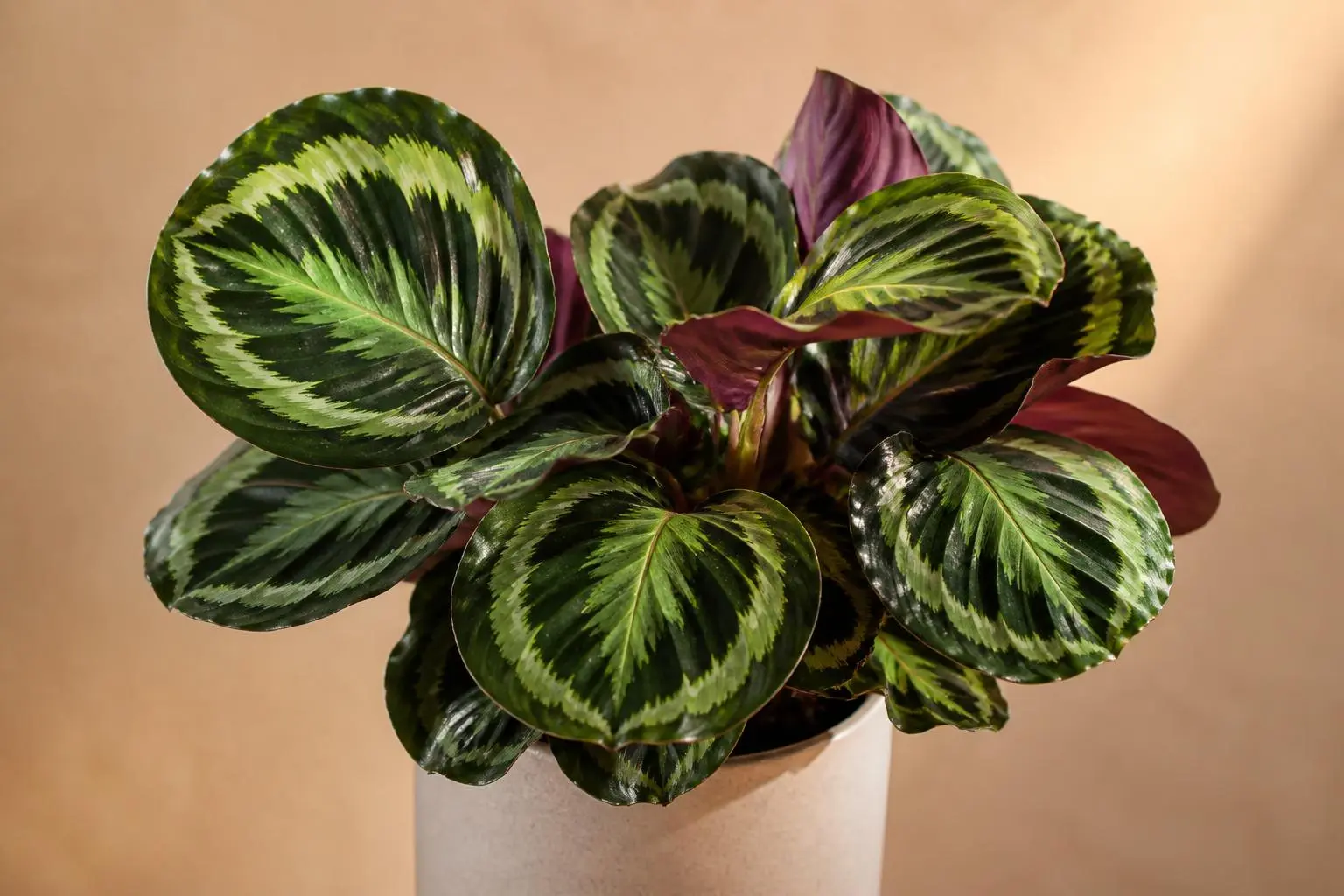 Medallion
 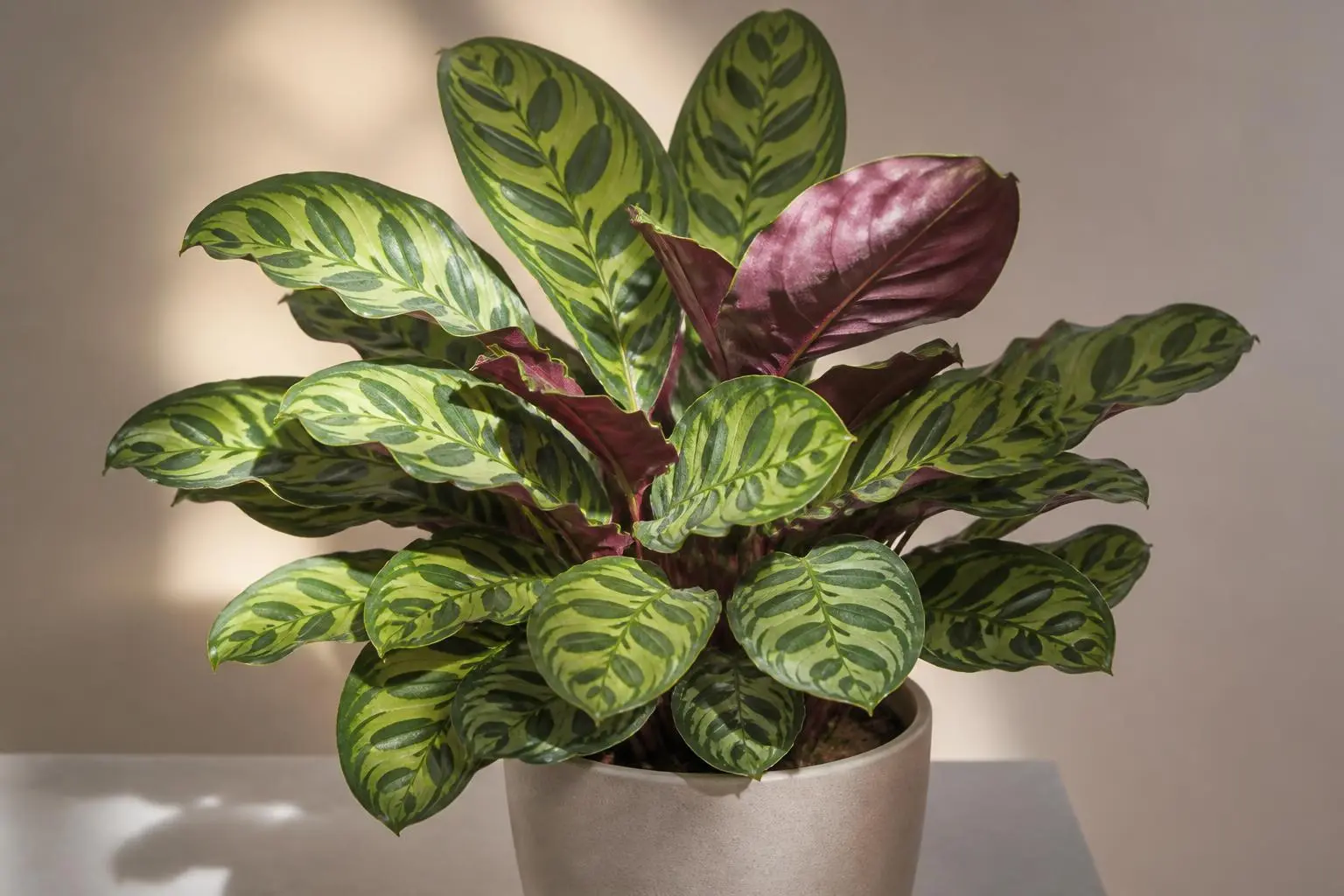 Peacock
 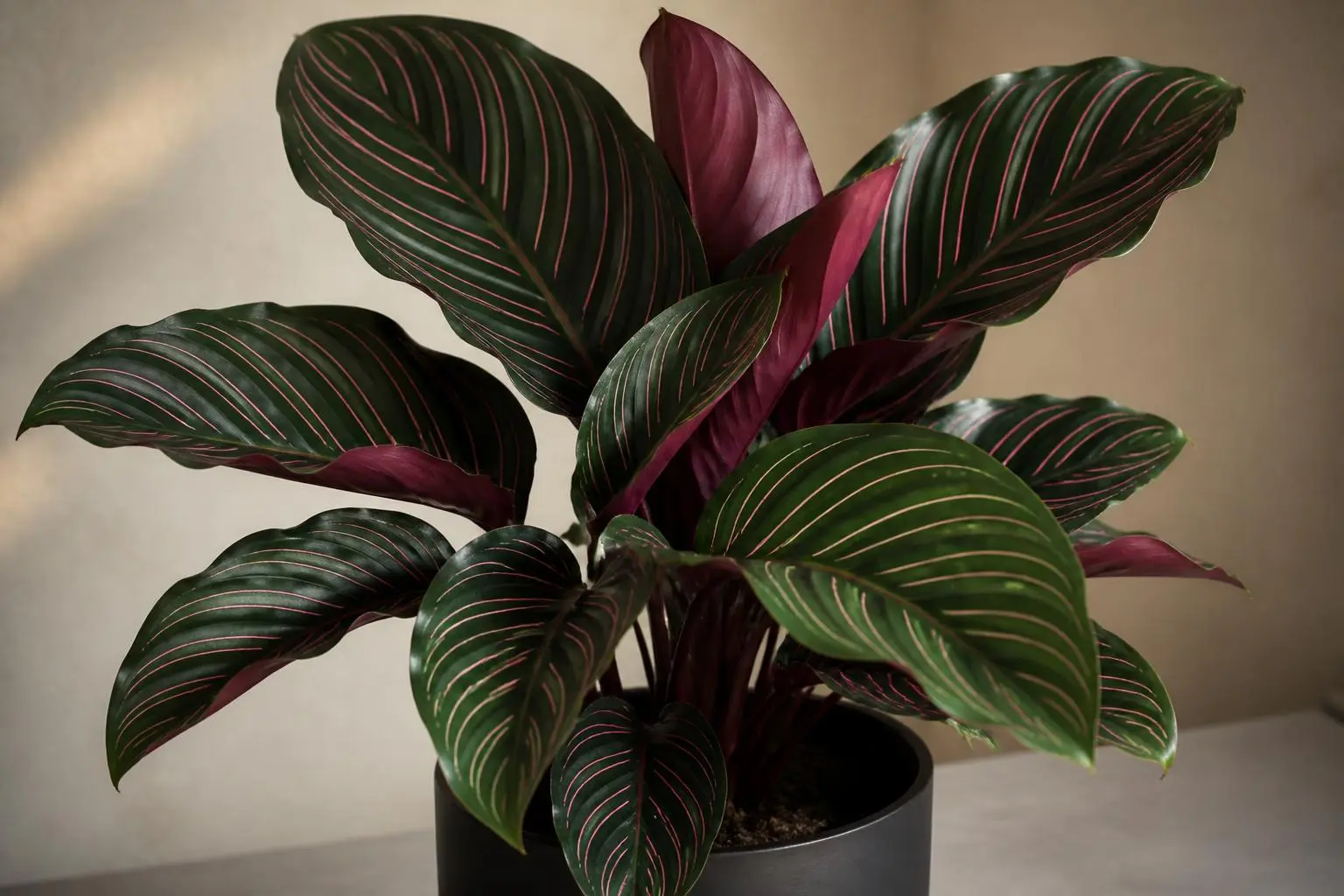 Pinstripe
 Compare Varieties
Explore different cultivars side-by-side and find the best match for your space.
Browse all varieties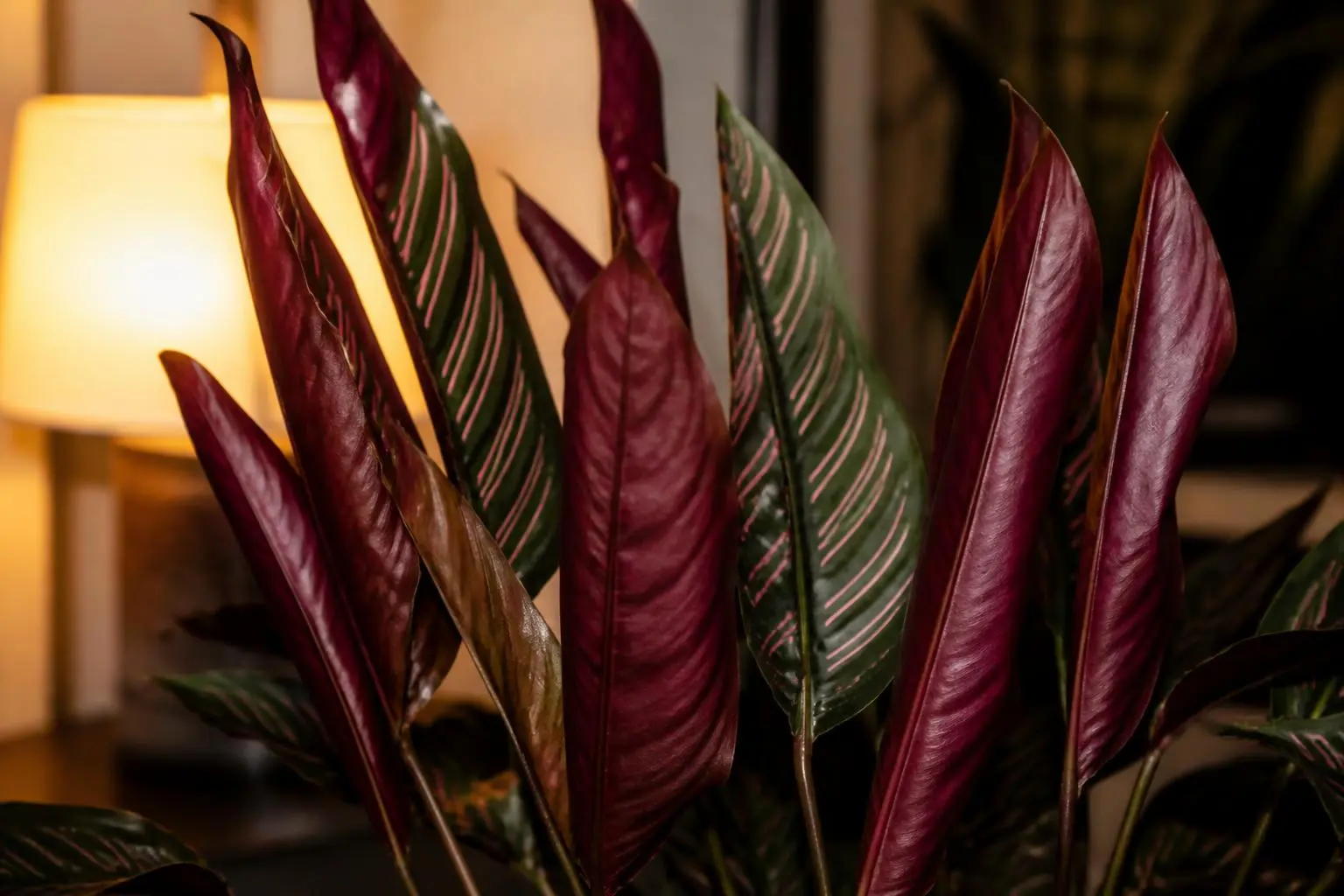
Propagation Guide
Step-by-step instructions for multiplying your plant collection.
Learn how to propagateFrequently Asked Questions
Why are my Calathea leaves curling?
Why does my Calathea have brown crispy edges?
How often should I water my Calathea?
How much humidity does a Calathea need?
Can Calathea grow in low light?
Why do Calathea leaves move and fold up at night?
Why are my Calathea leaves turning yellow?
Is Calathea safe for cats and dogs?
Common Problems
Why Are My Plant Leaves Turning Yellow?
Yellowing leaves are one of the most common houseplant problems. The good news is that most causes are easy to identify and fix once you know what to look for.
Read diagnosis guideHow to Fix an Overwatered Plant
Overwatering kills more houseplants than any other cause. The tricky part? The symptoms — yellowing, wilting, drooping — look just like underwatering. Here's how to tell the difference and fix it.
Read diagnosis guideReferences
- [1] Royal Horticultural Society. Calathea ornata
- [2] ASPCA. Calathea ornata Non-Toxicity
- [3] University of Connecticut Plant Database. Calathea Growing Guide — Marantaceae
- [4] Missouri Botanical Garden. Calathea ornata Plant Finder
Similar Plants
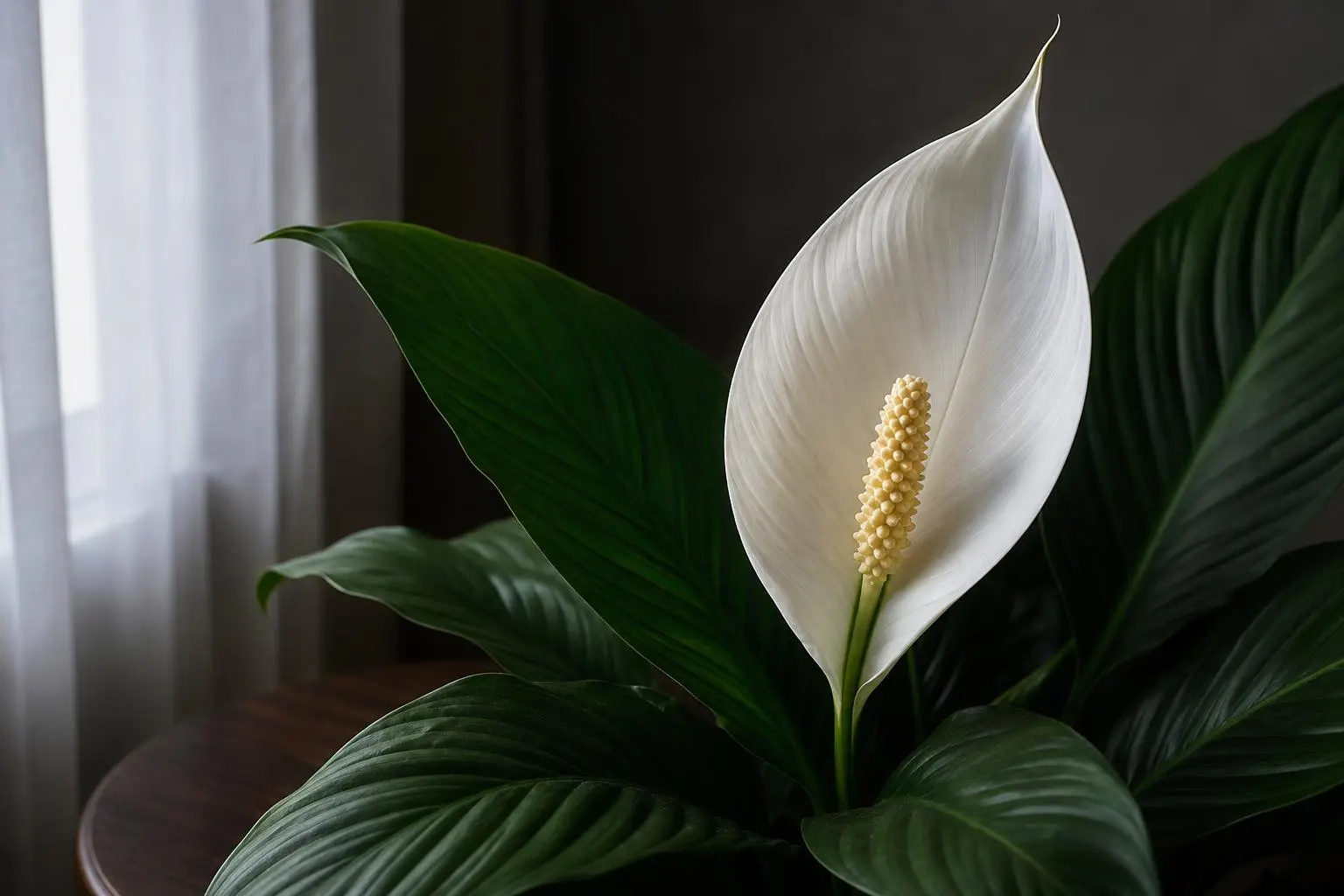
Peace Lily
Spathiphyllum wallisii
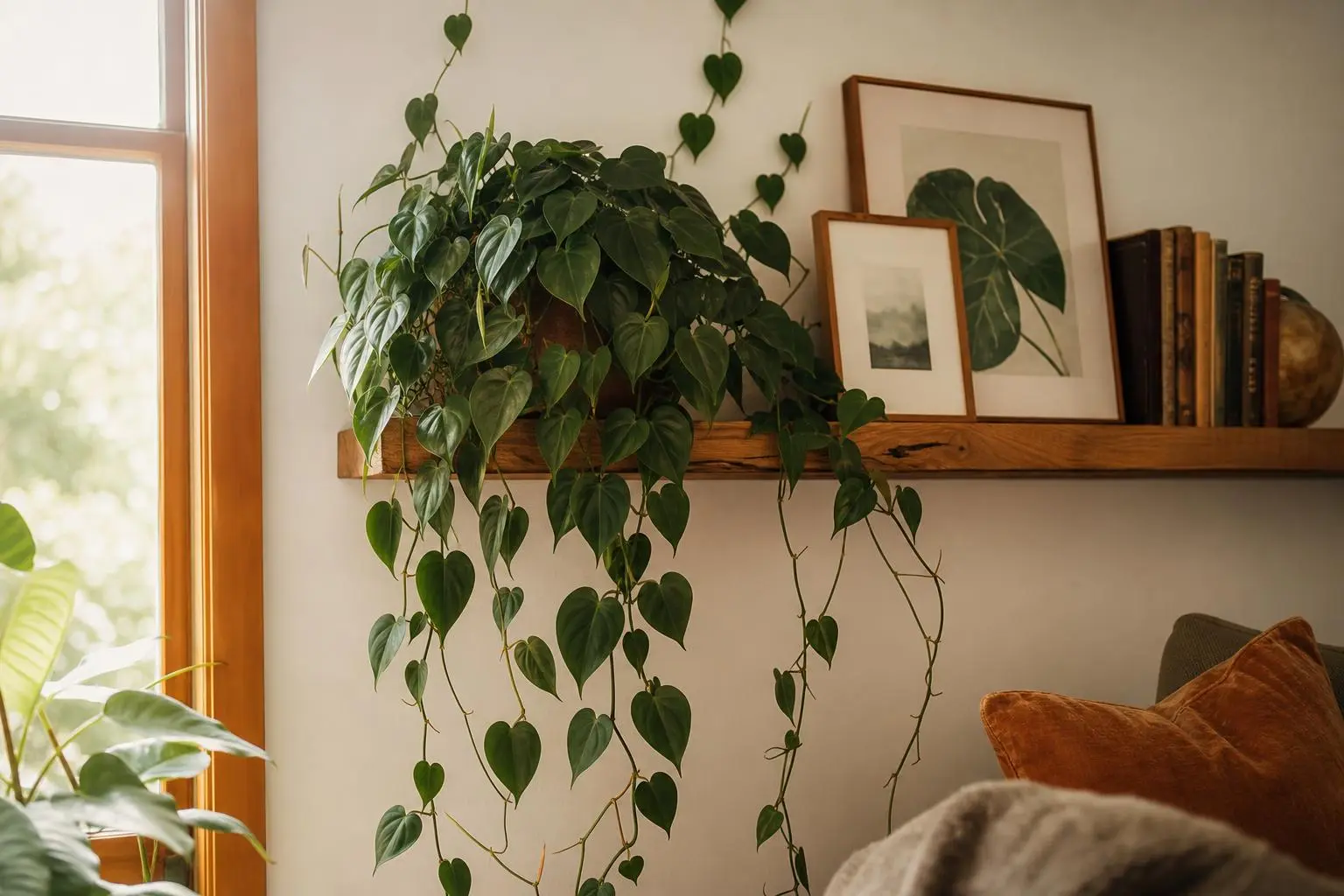
Philodendron
Philodendron hederaceum
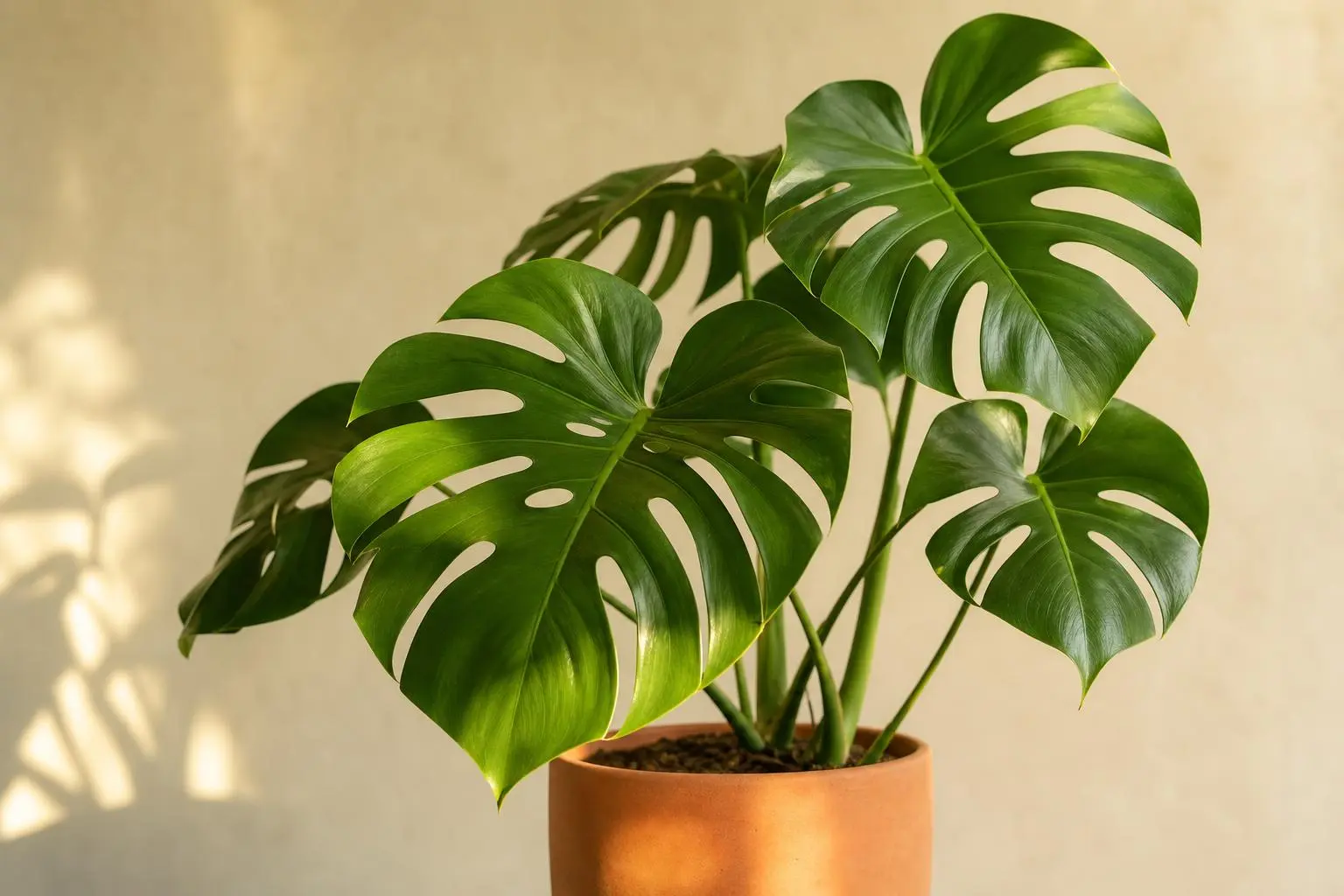
Monstera Deliciosa
Monstera deliciosa