
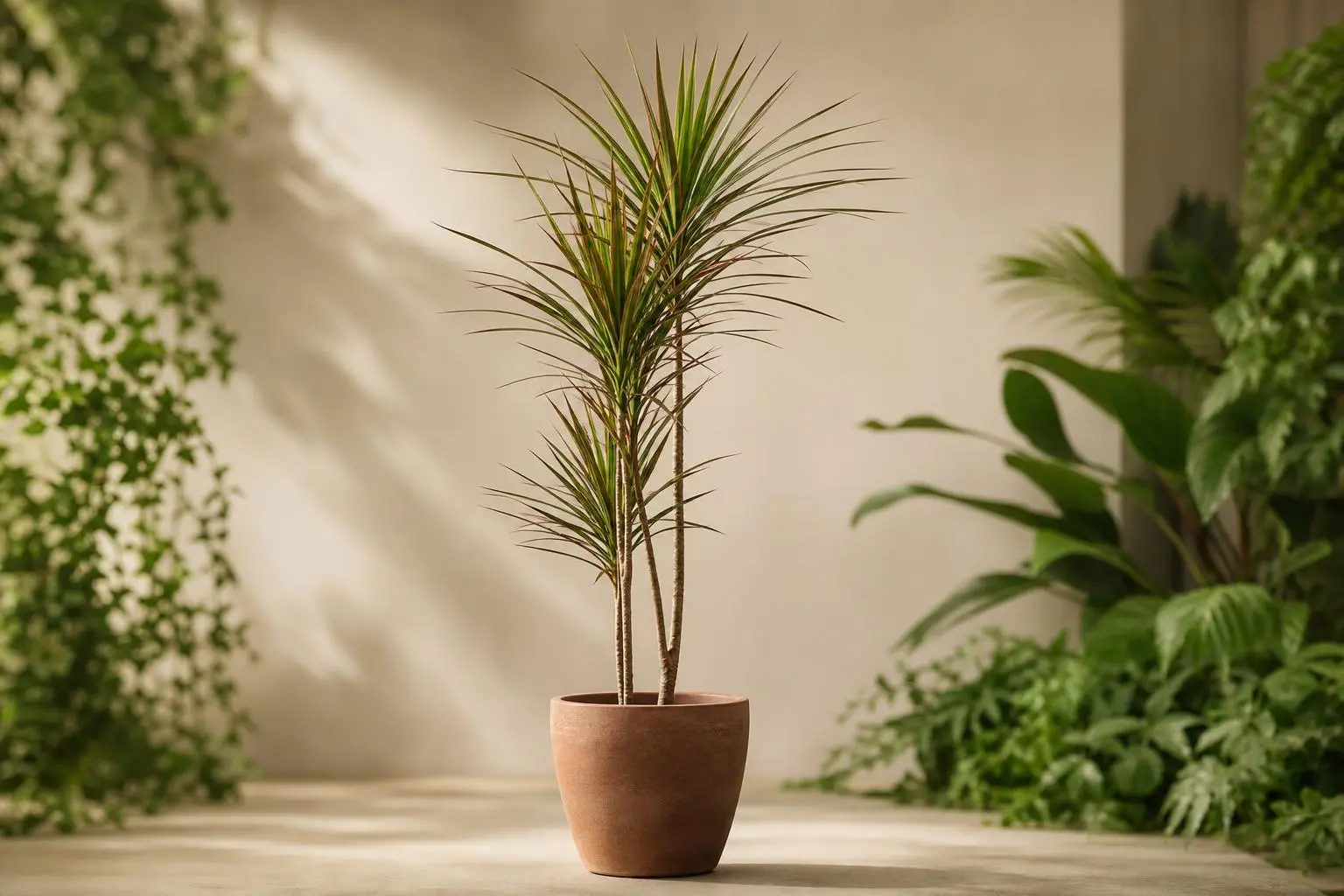
Dracaena
Dracaena marginata
Also known as: Dragon Tree, Madagascar Dragon Tree, Red-Edged Dracaena, Dracaena Marginata
Last updated: Sep 10, 2026
Medium to bright indirect light
When top 50% of soil is dry
40–60%
65–80°F (18–27°C)
Well-draining potting mix with perlite
Balanced liquid fertilizer, monthly in spring/summer
Beginner friendly
Toxic to pets
Toxic to Pets
Contains saponins that are toxic to cats and dogs according to the ASPCA. Ingestion can cause vomiting (sometimes with blood), excessive drooling, loss of appetite, depression, and dilated pupils. Keep away from pets and small children.
Source: ASPCA Toxic Plant List
Seasonal Care Calendar
| Season | Watering | Fertilizer | Notes |
|---|---|---|---|
| Spring | Every 10–14 days | Start monthly feeding | Begin repotting if needed. Resume regular watering. Good time to propagate. |
| Summer | Every 10–14 days | Monthly feeding | Active growth period. Wipe leaves to remove dust. Watch for spider mites in dry conditions. |
| Fall | Every 14–21 days | Reduce to every 6 weeks | Growth slows. Reduce watering. Stop fertilizing by late fall. |
| Winter | Every 3–4 weeks | None | Dormant period. Keep away from cold drafts and heating vents. Minimal watering needed. |
Detailed Care Guide
Everything you need to know to keep your Dracaena thriving.
Light Requirements
Dracaena marginata is highly adaptable to different light conditions, which is one reason it's such a popular houseplant. It thrives in medium to bright indirect light — place it near an east- or west-facing window for best results, or a few feet back from a south-facing window.
It can tolerate lower light levels better than many houseplants, making it suitable for offices and rooms with limited natural light. However, in very low light, growth will slow dramatically, new leaves will be smaller, and the colorful red edges on the leaves may fade to green. Variegated varieties are especially prone to losing their coloration in low light.
Avoid direct afternoon sunlight, which will scorch the leaves and cause brown, crispy patches. If you notice the plant leaning toward the light source, rotate it a quarter turn each week for even growth. Dracaena marginata adapts well to fluorescent office lighting, making it a reliable choice for workplaces.

Watering
Water your Dracaena when the top 50% of soil is dry — this typically means every 10–14 days in spring/summer and every 3–4 weeks in fall/winter. Dracaena are drought-tolerant and far more likely to die from overwatering than underwatering.
When watering, give it a thorough soak until water runs from the drainage holes, then empty the saucer after 15 minutes. Never let the pot sit in standing water — this is the fastest route to root rot. Use room-temperature water; cold water shocks the roots.
Like Spider Plants, Dracaena are sensitive to fluoride and other chemicals in tap water. Brown leaf tips with yellow halos are a classic sign of fluoride toxicity. Use filtered water, rainwater, or let tap water sit out overnight. Dracaena also dislike salts from softened water.
Signs of overwatering: yellow leaves (especially lower ones), soft mushy stems, and soil that stays consistently wet. Signs of underwatering: dry brown tips, drooping leaves, and soil pulling away from the pot edges.

Humidity
Dracaena marginata prefers moderate humidity between 40–60%, which suits most indoor environments. It's more tolerant of dry air than tropical plants like Calathea or Boston Fern, making it relatively low-maintenance in this regard.
In very dry conditions (below 30% humidity, common during winter heating), leaf tips may turn brown and crispy. A small humidifier nearby or a pebble tray with water can help. Grouping plants together also creates a more humid microclimate.
Avoid misting Dracaena — the water can collect in the leaf axils and promote fungal or bacterial rot. If dust accumulates on the leaves, wipe them gently with a damp cloth rather than misting. Clean leaves also photosynthesize more efficiently.
Temperature
Dracaena marginata prefers temperatures between 65–80°F (18–27°C). It can tolerate brief dips to 50°F (10°C) but will suffer damage below that — leaves may develop cold spots, turn yellow, and eventually drop. Freezing temperatures are fatal.
Avoid placing your Dracaena near cold drafts (air conditioning vents, exterior doors in winter) or heat sources (radiators, heating vents, fireplaces). Sudden temperature fluctuations stress the plant, causing leaf drop and tip browning. Dracaena also dislike cold water from air conditioning units blowing directly on them.
Outdoors, Dracaena marginata thrives in USDA zones 10–12. If you summer your plant outside, bring it back indoors when nighttime temperatures consistently drop below 55°F.
Soil
Dracaena marginata needs well-draining soil that doesn't stay soggy after watering. A standard quality potting mix works, but amending it with perlite significantly improves drainage and prevents the root rot that Dracaena are prone to.
Recommended mix: 2 parts potting soil + 1 part perlite. For a looser, more aerated mix, add 1 part coarse sand or orchid bark. The pH should be slightly acidic to neutral (6.0–6.5). Avoid garden soil or topsoil — they compact in pots, preventing proper drainage.
If your Dracaena is sitting in soil that stays wet for more than a day after watering, the mix is too dense. Repot into a lighter, chunkier blend. Dracaena roots need oxygen as much as they need water — dense, waterlogged soil suffocates them.
Fertilizer
Feed your Dracaena with a balanced liquid fertilizer (NPK 10-10-10) diluted to half strength, applied once a month during spring and summer. Dracaena are light feeders, and over-fertilizing causes more problems than under-fertilizing — salt buildup burns leaf tips and can cause yellowing.
If you notice white crust on the soil surface or around the drainage holes, that's salt accumulation. Flush the soil with plenty of water to leach out excess minerals. Alternatively, top-dress with worm castings for a gentle organic approach.
Stop fertilizing entirely from late fall through winter when growth naturally slows. Resume when you see new growth emerging in spring. If using slow-release granular fertilizer, apply once at the start of spring for 3–4 months of steady nutrition.
Repotting
Repot your Dracaena every 2–3 years, or when roots are visibly growing out of the drainage holes. Dracaena actually prefer to be slightly root-bound, so there's no rush to upsize — a plant that's comfortably snug in its pot will often grow better than one swimming in excess soil.
Choose a pot only 2–3 inches larger in diameter than the current one. Going too large means excess soil stays wet, dramatically increasing the risk of root rot. Always use a pot with drainage holes. Tall, heavy pots are ideal for Dracaena — they provide stability for the tall, top-heavy growth habit.
To repot: water the plant a day before for easier removal. Dracaena roots can be surprisingly fragile, so handle gently. Loosen circling roots and trim any black or mushy ones. Place fresh soil in the new pot, position at the same depth, and fill in around the sides. Water thoroughly and keep in a slightly shadier spot for a week.
Our Experience
When my Dracaena got too tall and leggy, I cut the top off about 6 inches below the lowest leaves. I rooted the cutting in water (it took about 3 weeks to develop roots), and the parent plant grew two new branches from the cut point within a month. Now it's bushier than ever — one plant became two for free.
— Grown indoors in USDA Zone 7a, bright indirect light, spring
I was killing my Dracaena with kindness — watering every week because the top of the soil looked dry. Turns out the bottom half was still soaking wet. I started using a bamboo skewer pushed deep into the soil to check moisture at root level. Now I only water when the skewer comes out clean, which is usually every 2–3 weeks.
— Indoor environment, standard potting soil, year-round
Switching to filtered water eliminated the brown tips on my Dracaena within two months. Our tap water has high fluoride and chlorine, both of which Dracaena hate. Now I keep a pitcher of filtered water specifically for my Dracaena and Spider Plant — the difference is night and day.
— Municipal water with high fluoride, indoor environment
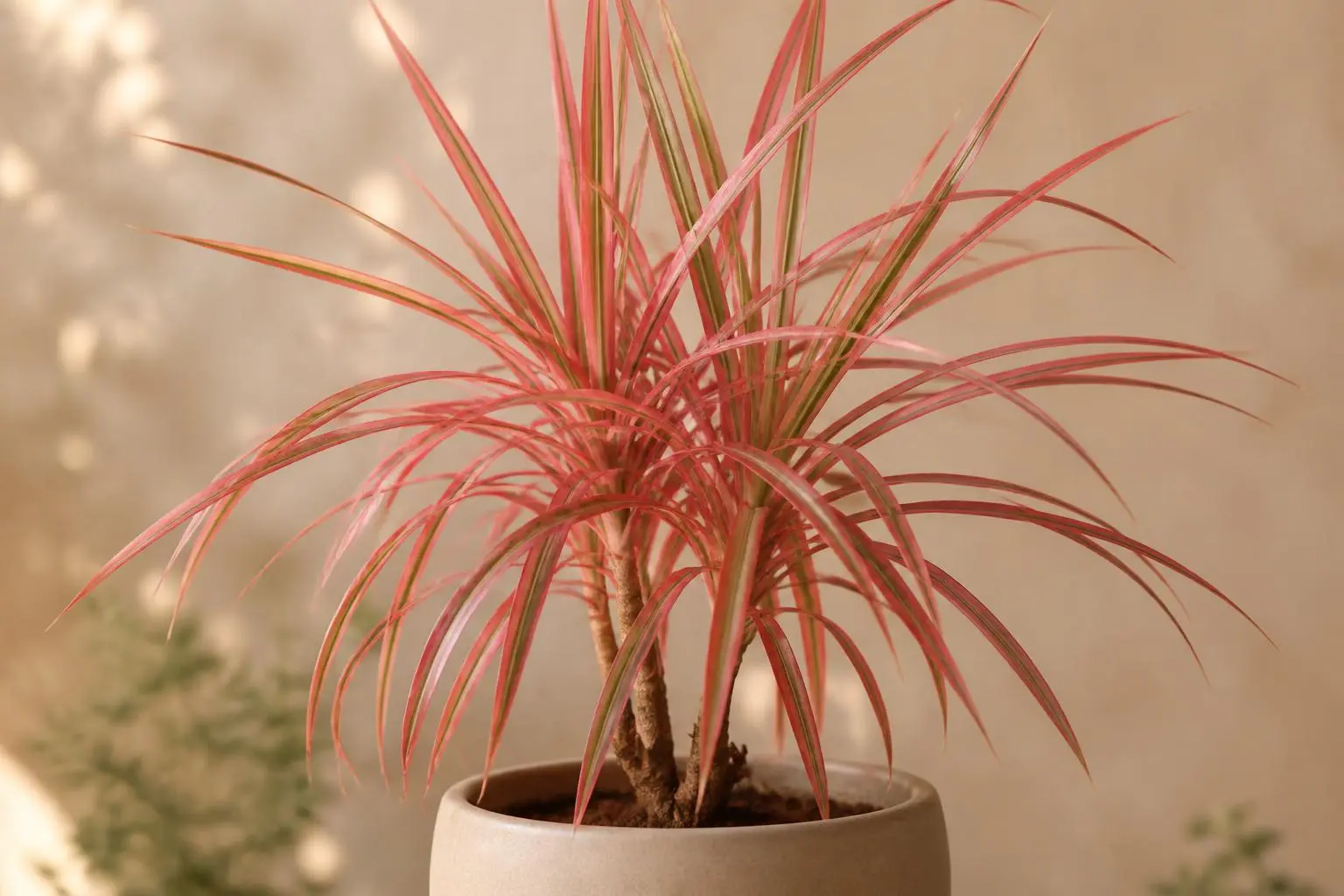 Colorama
 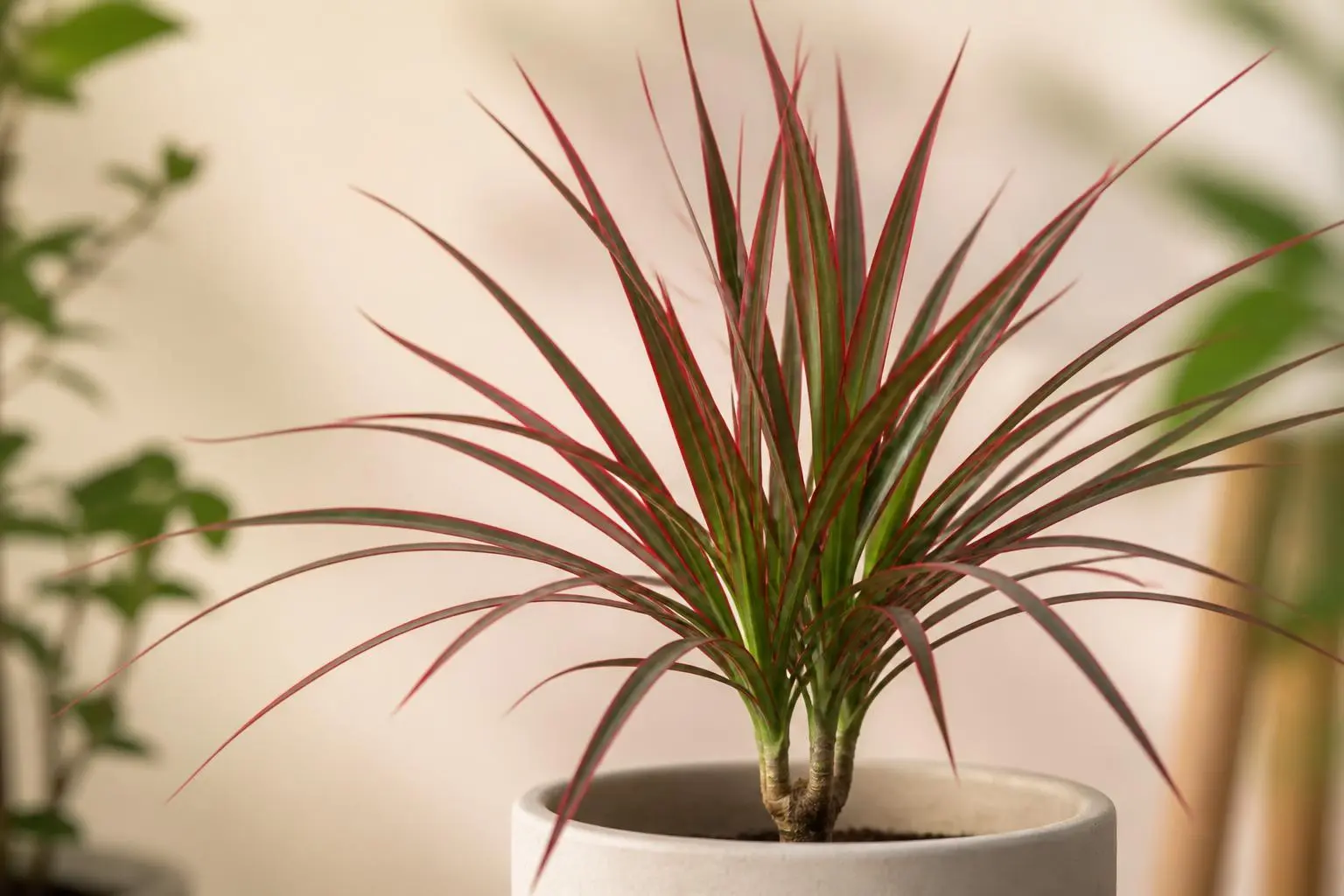 Magenta
 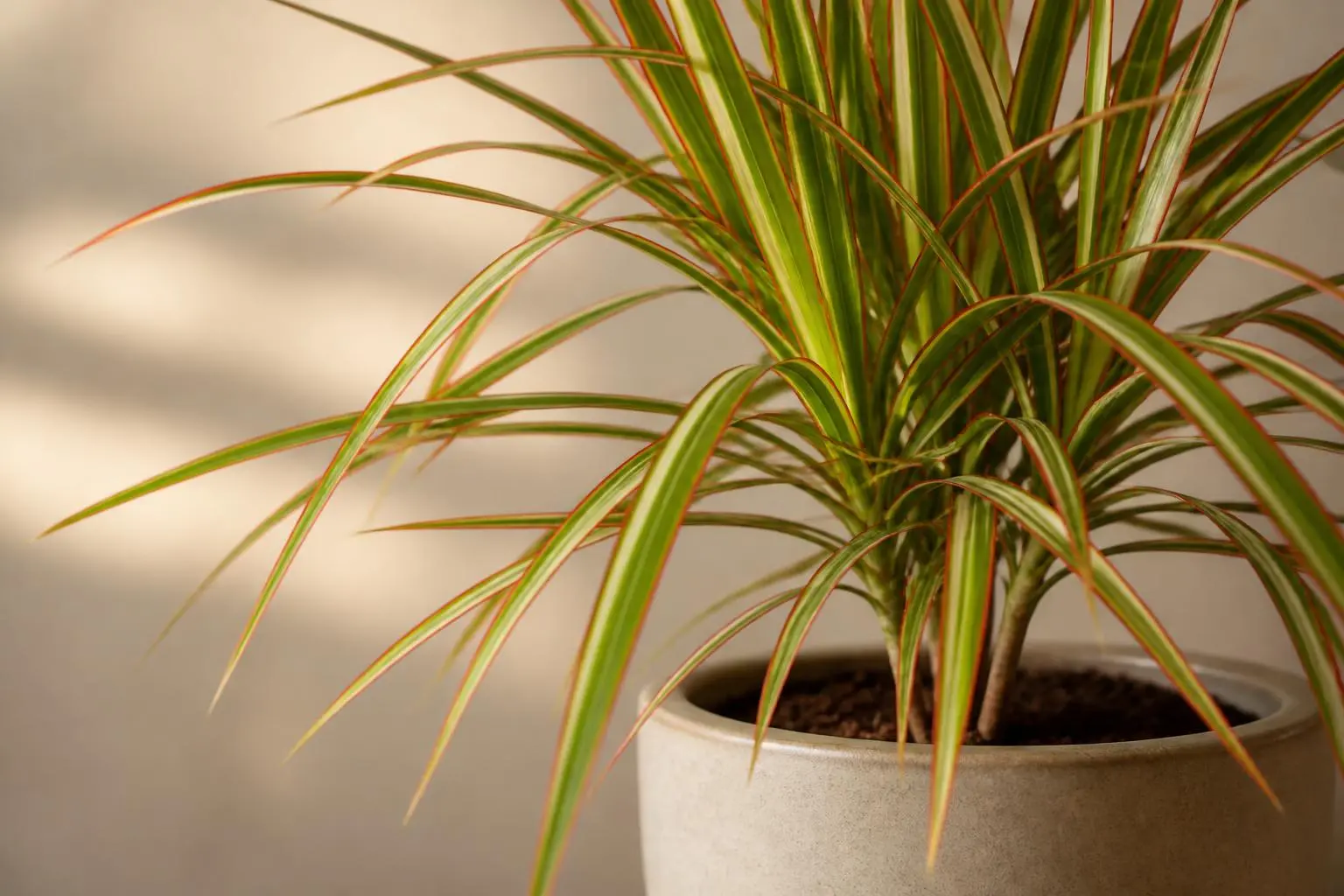 Tricolor
 Compare Varieties
Explore different cultivars side-by-side and find the best match for your space.
Browse all varieties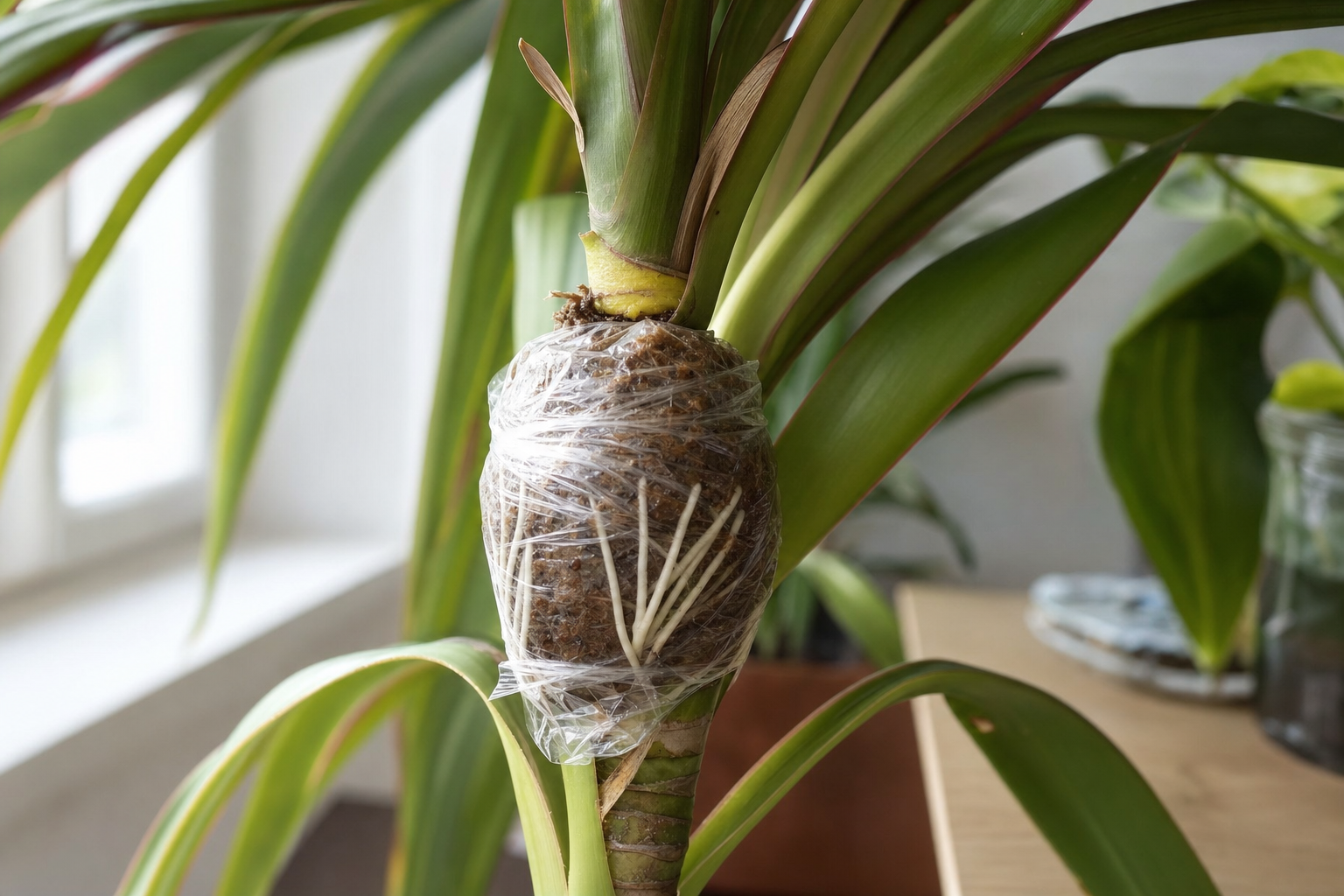
Propagation Guide
Step-by-step instructions for multiplying your plant collection.
Learn how to propagateFrequently Asked Questions
How often should I water my Dracaena?
Why are my Dracaena leaves turning yellow?
How much light does a Dracaena need?
Is Dracaena toxic to cats and dogs?
Why does my Dracaena have brown tips?
How do I propagate Dracaena marginata?
Why is my Dracaena dropping leaves?
Common Problems
Why Are My Plant Leaves Turning Yellow?
Yellowing leaves are one of the most common houseplant problems. The good news is that most causes are easy to identify and fix once you know what to look for.
Read diagnosis guideHow to Fix an Overwatered Plant
Overwatering kills more houseplants than any other cause. The tricky part? The symptoms — yellowing, wilting, drooping — look just like underwatering. Here's how to tell the difference and fix it.
Read diagnosis guideReferences
- [1] Royal Horticultural Society. Dracaena marginata
- [2] ASPCA. Dracaena marginata Toxicity
- [3] University of Florida IFAS Extension. Dracaena marginata — Madagascar Dragon Tree
- [4] NASA Clean Air Study. Interior Landscape Plants for Indoor Air Pollution Abatement
Similar Plants
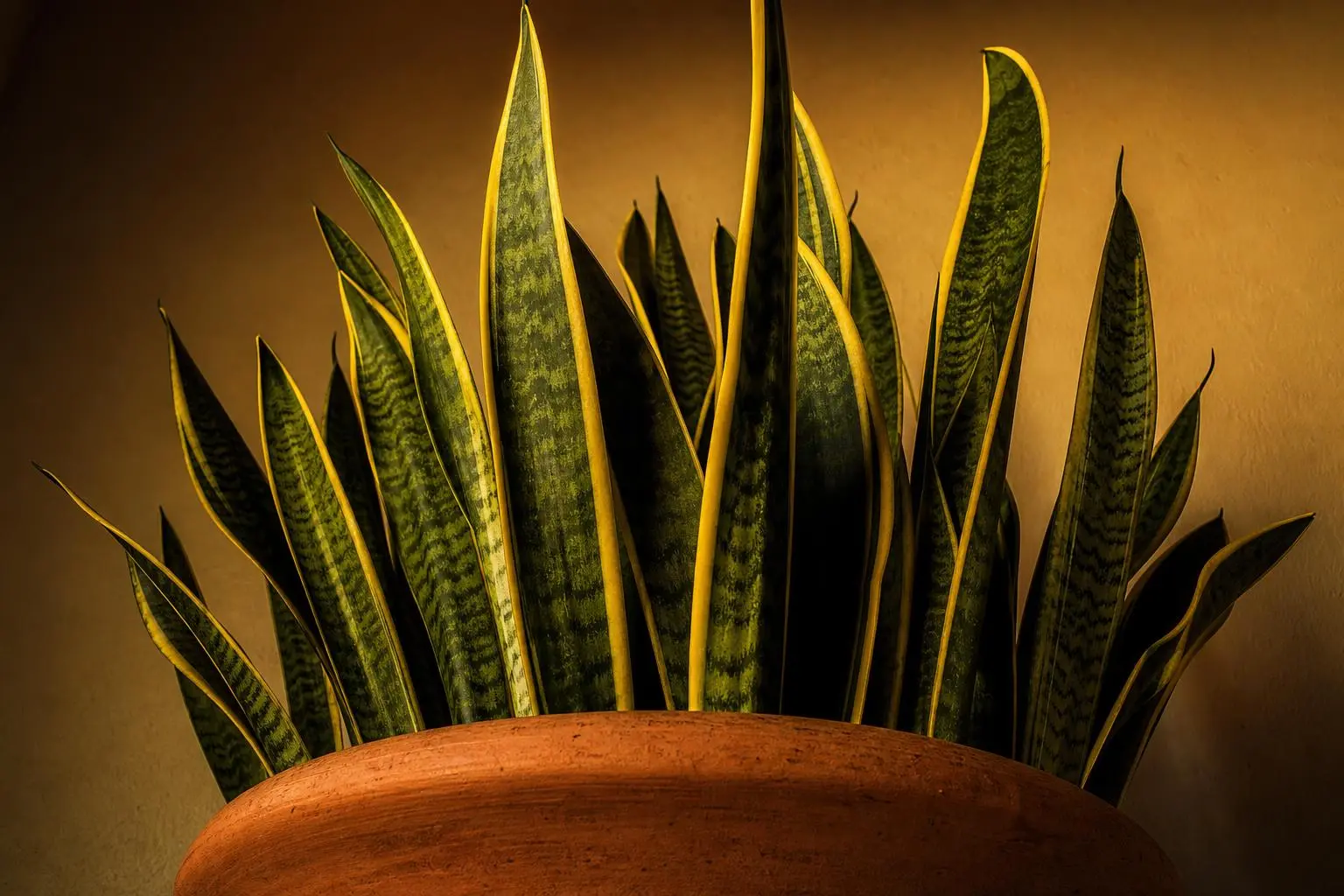
Snake Plant
Dracaena trifasciata
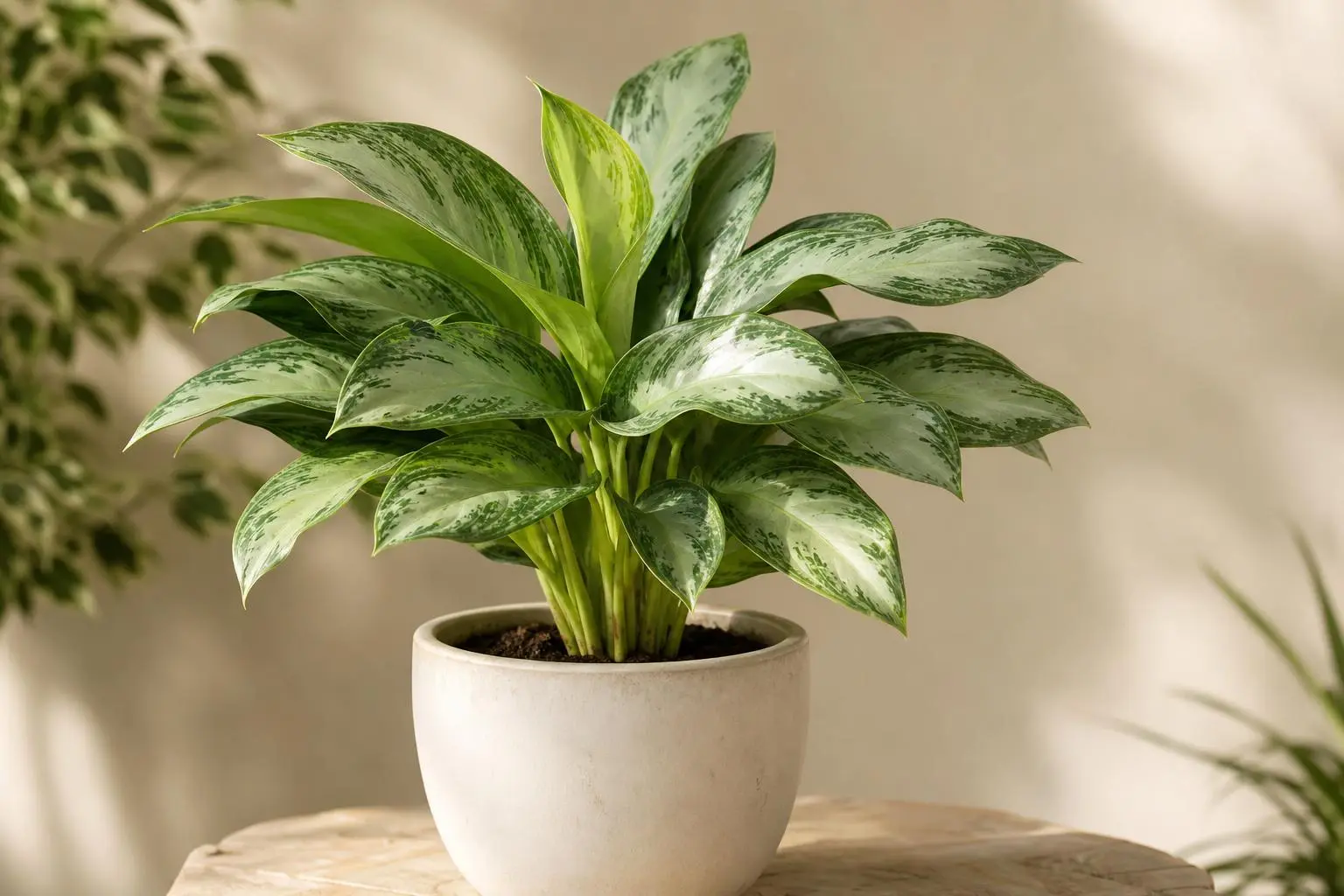
Chinese Evergreen
Aglaonema
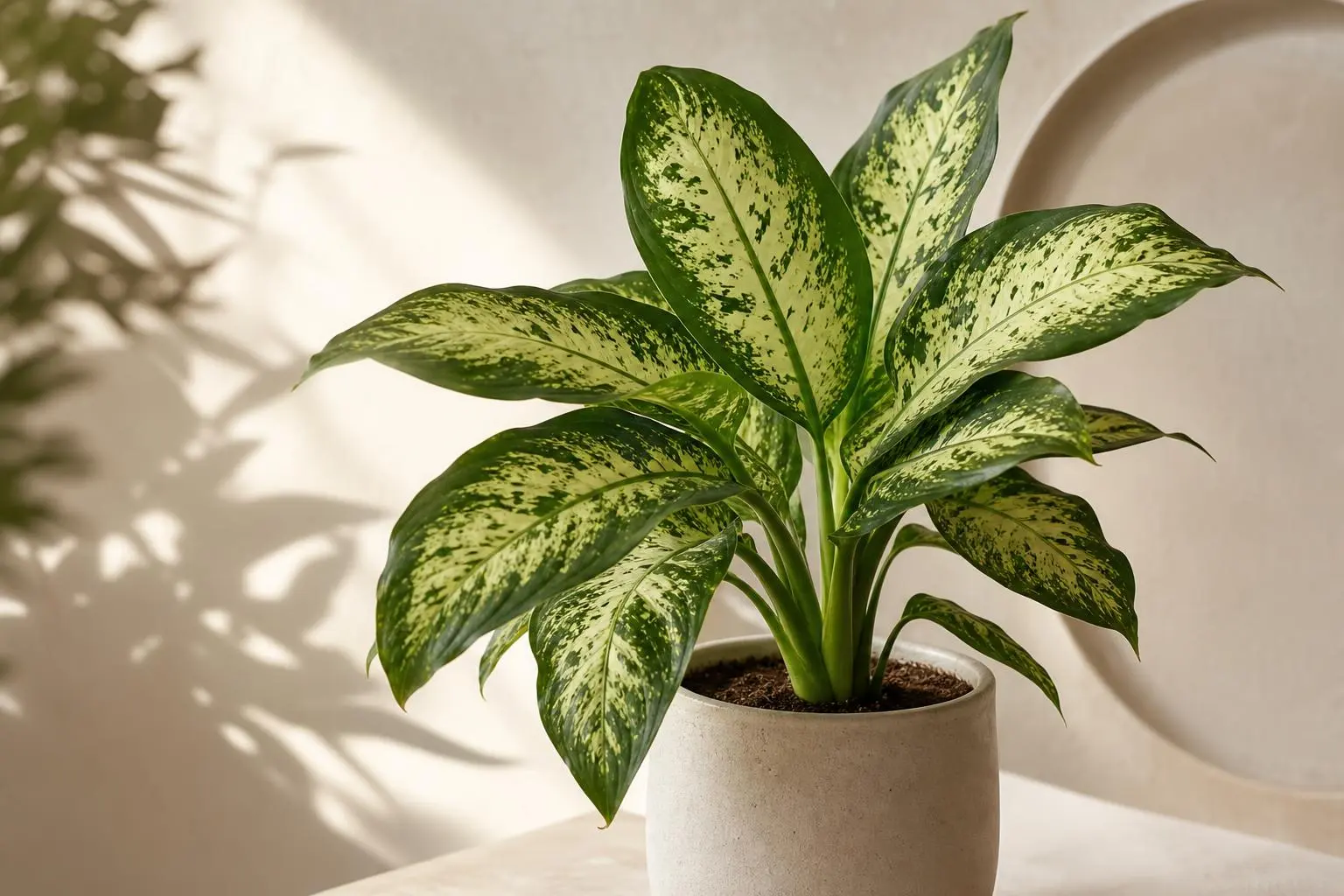
Dumb Cane
Dieffenbachia