
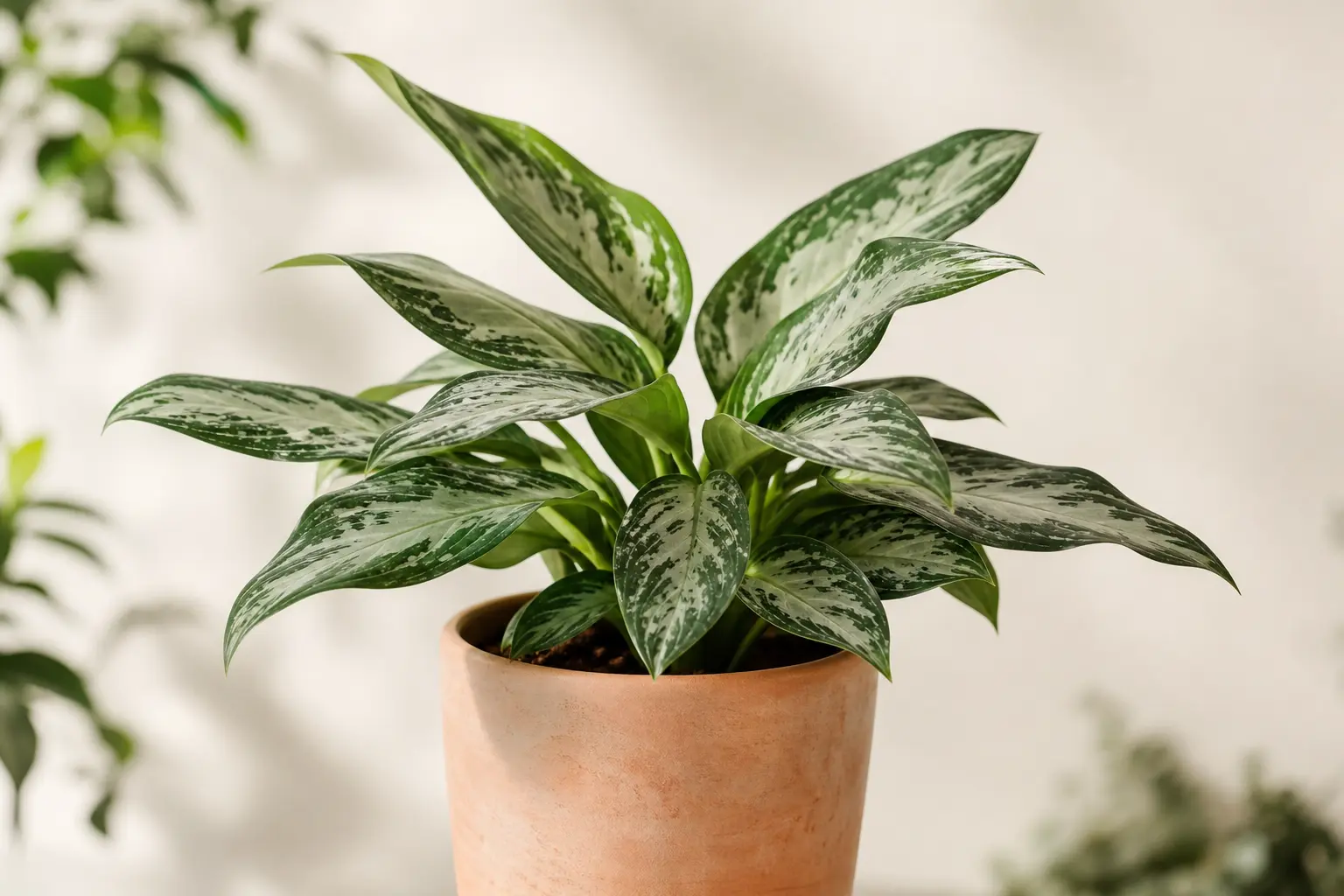
Aglaonema
Aglaonema spp.
Also known as: Chinese Evergreen, Aglaonema, Evergreen
Last updated: Sep 10, 2026
Low to bright indirect light
When top 2 inches of soil are dry
40–60%
65–80°F (18–27°C)
Well-draining potting mix with perlite
Monthly in spring/summer with balanced fertilizer
Beginner friendly
Toxic to pets
Toxic to Pets
Aglaonema contains calcium oxalate crystals that can cause oral irritation, drooling, vomiting, and difficulty swallowing if ingested. Keep away from pets and children. Wash hands after handling as the sap can also irritate skin.
Source: ASPCA Toxic Plant List
Seasonal Care Calendar
| Season | Watering | Fertilizer | Notes |
|---|---|---|---|
| Spring | Every 7–10 days | Monthly feeding | Resume active growth. Best time to repot or divide. |
| Summer | Every 7–14 days | Monthly feeding | Peak growing season. Keep out of direct sun. Watch for pests. |
| Fall | Every 10–14 days | Reduce or stop | Growth slows. Move closer to windows if light decreases. |
| Winter | Every 2–3 weeks | None or bi-monthly | Rest period. Let soil dry farther between waterings. Keep away from cold drafts. |
Detailed Care Guide
Everything you need to know to keep your Aglaonema thriving.
Light Requirements
Aglaonema is celebrated for its remarkable adaptability to various light conditions, from low-light corners to brighter spots. This versatility makes it an excellent choice for offices, bathrooms, and rooms with limited natural light. The plant thrives in bright indirect light, where its colorful variegation shows to best advantage, but it will also survive and grow steadily in low-light environments.
In lower light conditions, Aglaonema growth rate slows and the leaves may become slightly darker green, losing some of their vibrant coloration. This is not harmful—it is simply the plant adapting to available light. However, avoid placing Aglaonema in direct sunlight, as the intense rays can scorch the leaves, causing brown patches or bleached spots. An east-facing window or a spot several feet from a south or west window provides ideal lighting conditions.
If your Aglaonema is in a particularly dark location, you may notice the stems becoming leggy as they reach toward available light. Rotating the plant every few weeks helps ensure even growth. One of the most forgiving houseplants, Aglaonema will tolerate neglectful lighting better than most tropical plants, making it perfect for beginners or anyone struggling with low-light spaces.
Watering
Water Aglaonema when the top 1–2 inches of soil feel dry to the touch. The plant prefers to dry out somewhat between waterings, and overwatering is the most common mistake that leads to problems. In typical indoor conditions, this usually means watering every 7–14 days during the growing season (spring and summer) and every 2–3 weeks during fall and winter when growth slows.
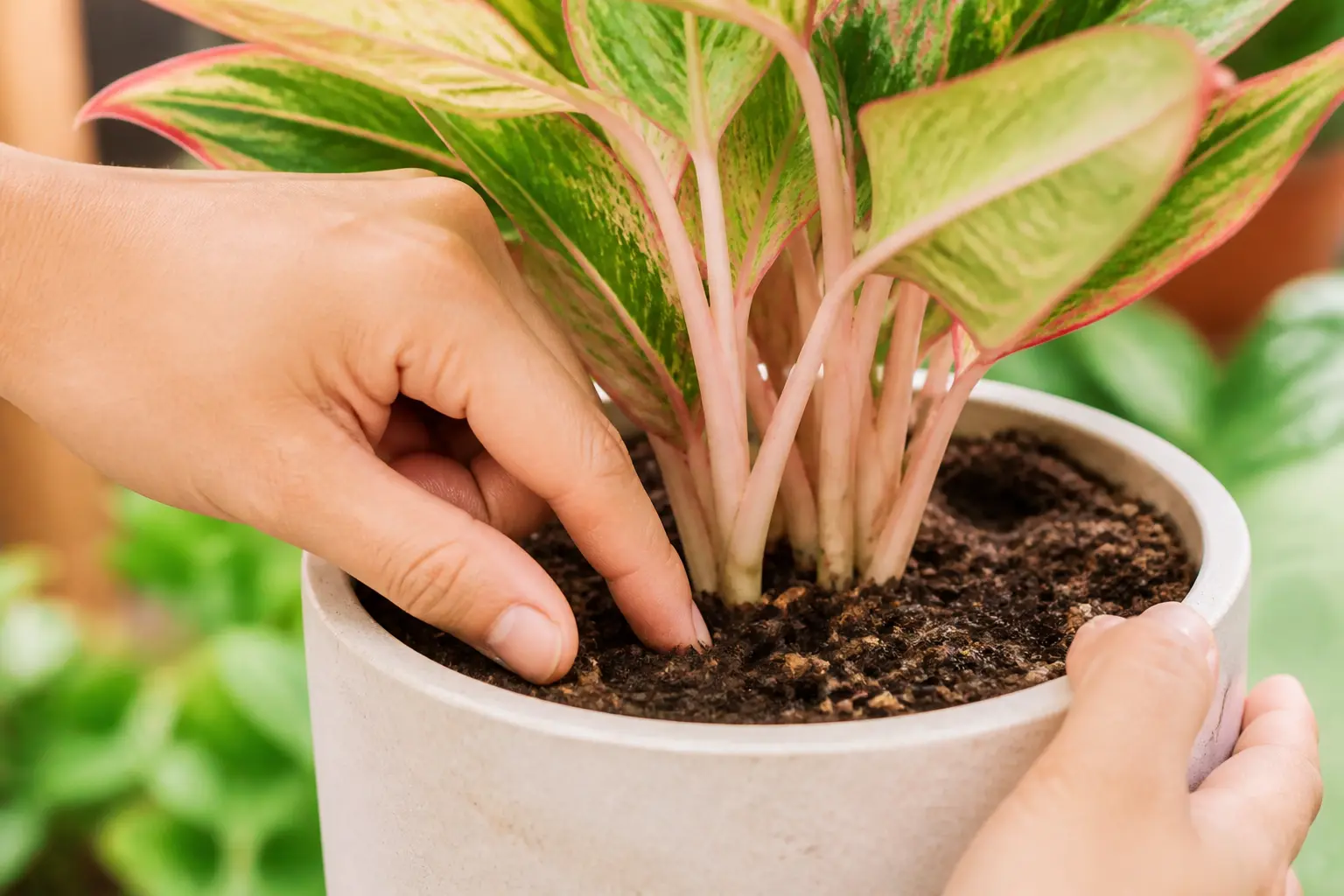
When watering, do so thoroughly until water drains from the bottom of the pot, then empty the saucer completely. Aglaonema is susceptible to root rot when left sitting in water, which is often called "wet feet." The key is to water deeply but infrequently, allowing the soil to approach dryness before the next watering. A good test is to insert your finger into the soil up to the second knuckle—if it feels dry, it is time to water.
Yellowing leaves, particularly multiple leaves turning yellow at once, is a classic sign of overwatering. Other indicators include soft mushy stems at the base, waterlogged soil that never seems to dry out, or a musty smell coming from the pot. If you suspect overwatering, let the soil dry out completely before watering again, and ensure the pot has proper drainage holes. Underwatering is less common but shows up as drooping leaves that perk up shortly after watering.
Humidity
Aglaonema tolerates average household humidity (40–60%) without complaint, making it well-suited for most indoor environments. While it appreciates higher humidity like its tropical cousins, it is notably more forgiving of dry air, particularly in heated or air-conditioned spaces where humidity drops significantly.
If your home is particularly dry (below 40%), you might notice the leaf edges turning brown or crispy. This is not usually fatal—just unsightly—and can be addressed by increasing humidity around the plant. Simple methods include placing the pot on a pebble tray filled with water (ensuring the pot sits on the pebbles, not in the water), grouping it with other plants to create a microclimate, or using a small humidifier nearby. Occasional misting can help but is not a substitute for consistent humidity management.
Good air circulation is also beneficial. Aglaonema dense foliage can trap moisture, so avoid placing it in stagnant corners. A well-ventilated room with moderate airflow helps prevent fungal issues and keeps the plant healthy. The plant also benefits from occasional leaf cleaning—wiping dust off the large leaves with a damp cloth helps the plant photosynthesize more efficiently, especially in lower-light conditions.
Temperature
Aglaonema prefers typical indoor temperatures between 65–80°F (18–27°C), matching the comfortable range found in most homes and offices. It tolerates temperatures as low as 60°F (15°C) for short periods but should not be exposed to cold drafts or temperatures below 55°F (13°C), as cold damage can cause leaf discoloration and slowed growth.
Keep Aglaonema away from exterior doors, drafty windows, air-conditioning vents, and radiators. Sudden temperature drops—common when doors open in winter—can shock the plant and cause leaf drop. Similarly, hot dry air from heating vents can stress the plant and dry out the leaves. A stable environment with consistent temperatures yields the best results.
During the winter months, be especially careful about cold exposure. If windows are drafty, move the plant a few inches away from the glass. If you keep Aglaonema in an office with aggressive air conditioning, ensure it is not directly in the airflow path. The plant will survive temperature variations within reason, but consistency is the key to maintaining healthy, vibrant foliage.
Soil
Aglaonema needs a well-draining potting mix that retains some moisture but does not stay waterlogged. A standard all-purpose potting soil amended with perlite or pumice works well—typically a 2:1 ratio of potting soil to perlite. This ensures fast drainage while maintaining enough moisture to support the plant between waterings.
The key soil requirement is drainage. Aglaonema roots are prone to rot in compacted, water-retaining soil. If the potting mix stays wet for more than a week after watering, it is too dense. Add more perlite or switch to a chunkier mix. Some growers also add a small amount of orchid bark or charcoal to improve aeration and prevent the mix from breaking down over time.
Always use a pot with drainage holes. Terra cotta pots dry faster than plastic, which can be helpful if you tend to overwater, while plastic pots retain moisture longer—better for those who underwater or in brighter locations. When repotting, choose a pot only 1–2 inches larger than the current one; Aglaonema prefers to be slightly root-bound and overly large pots can lead to overwatering issues.
Fertilizer
Feed Aglaonema with a balanced liquid fertilizer diluted to half strength once a month during the growing season (spring and summer). This simple feeding schedule supports healthy growth and vibrant foliage without overwhelming the plant. In fall and winter, when growth naturally slows, reduce feeding to every 6–8 weeks or stop altogether.
Over-fertilizing is more common than under-fertilizing with Aglaonema. Signs of excess fertilizer include brown leaf tips, white crust on the soil surface or pot rim, and stunted growth. If you notice these signs, flush the soil thoroughly with plain water to leach out accumulated salts, and reduce future feeding. Always apply fertilizer to damp soil—never to dry soil—as fertilizer on dry roots can cause chemical burn.
Aglaonema is not a heavy feeder. Many growers find that their plant thrives with even less fertilizing than recommended, especially if it is repotted every year or two into fresh soil. A slow-release granular fertilizer applied once in spring is an alternative for those who prefer a hands-off approach. Remember: it is easier to underfeed than overfeed this forgiving plant.
Repotting
Repot Aglaonema every 1–3 years, or when you see roots emerging from the drainage holes or growth has noticeably slowed despite proper care. Spring or early summer is the best time to repot, as the plant can recover and establish in its new container during the active growing season.
Choose a new pot only 1–2 inches wider than the current one. Aglaonema grows best when slightly root-bound, and a pot that is too large holds excess wet soil around the roots, increasing rot risk. Gently remove the plant from its current pot, inspect the root ball, and trim any soft, mushy, or dark roots with clean scissors. Place fresh, well-draining potting mix in the new pot, position the plant at the same depth as before, and water thoroughly.
After repotting, place the plant in its usual spot and do not fertilize for 4–6 weeks to allow the roots to settle and recover. Some leaf drop or yellowing is normal after repotting due to transplant shock—this is temporary and the plant will rebound with new growth once established.
Our Experience
I keep my Aglaonema Silver Bay in a north-facing bathroom where it has thrived for three years with no direct light. The humidity from showers keeps the leaves glossy without any extra effort.
— North-facing bathroom, USDA Zone 7a, low light corner
The biggest mistake I made with my first Aglaonema was watering on a strict schedule regardless of soil moisture. Once I started checking the soil with my finger and watering only when dry, the yellowing stopped immediately.
— Overwatering recovery, plastic pot with drainage, bright indirect light
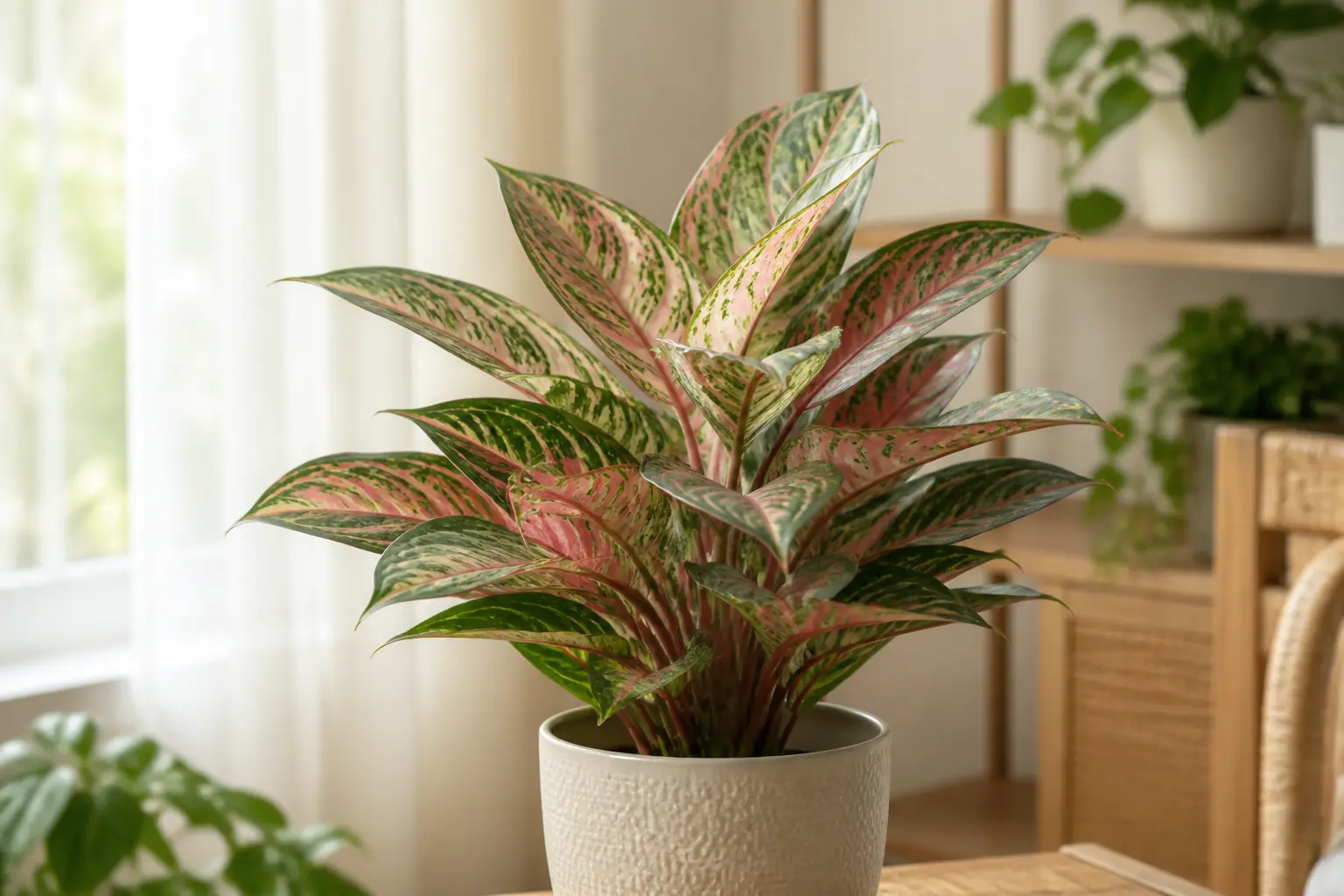
I discovered that my Aglaonema Pink Dalmatian gets much more vibrant pink coloring when I move it closer to my east window in spring and summer. The color fades in winter when light is lower—that is normal.
— Seasonal light adjustment, east-facing window, variegation color changes
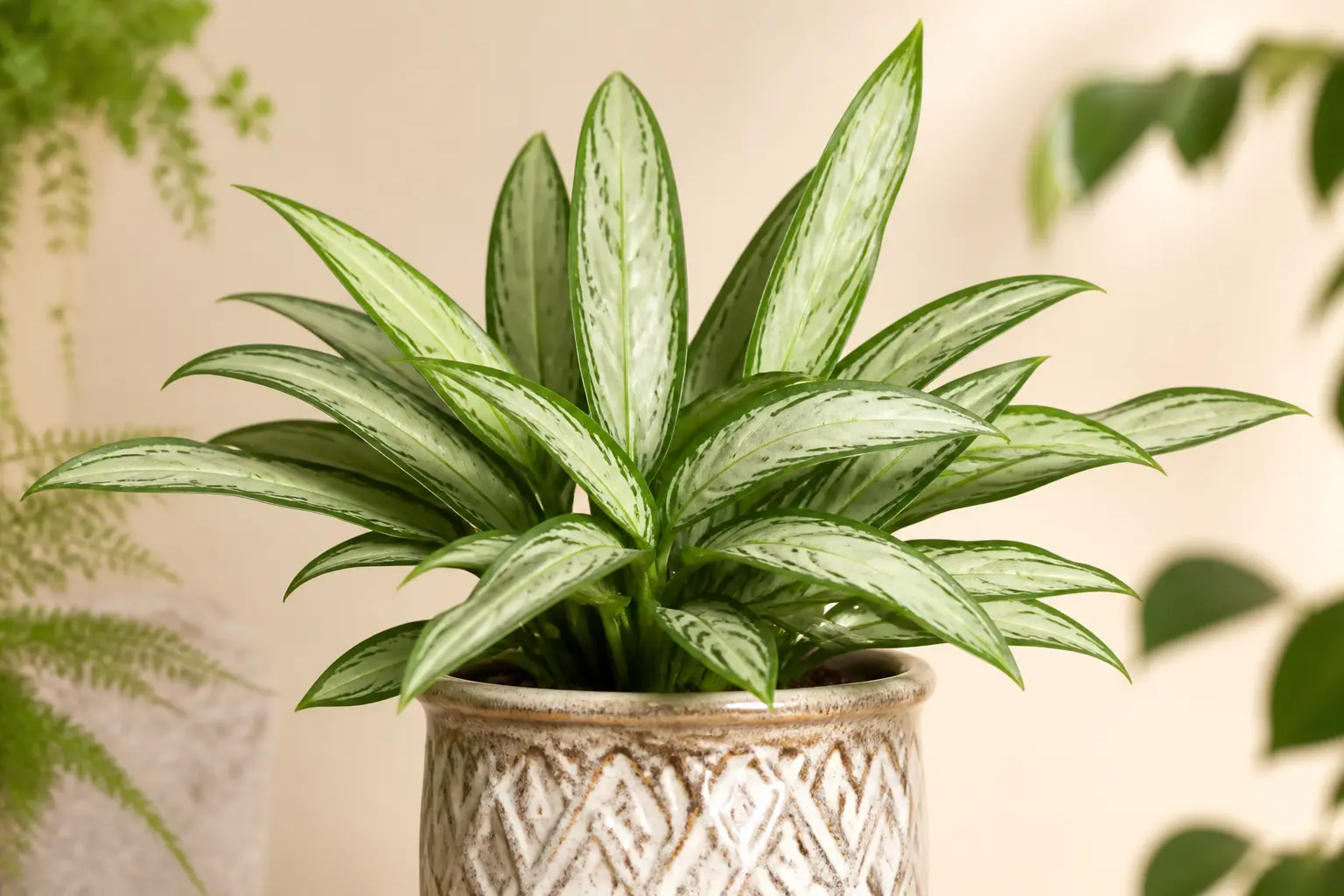 Maria
Maria 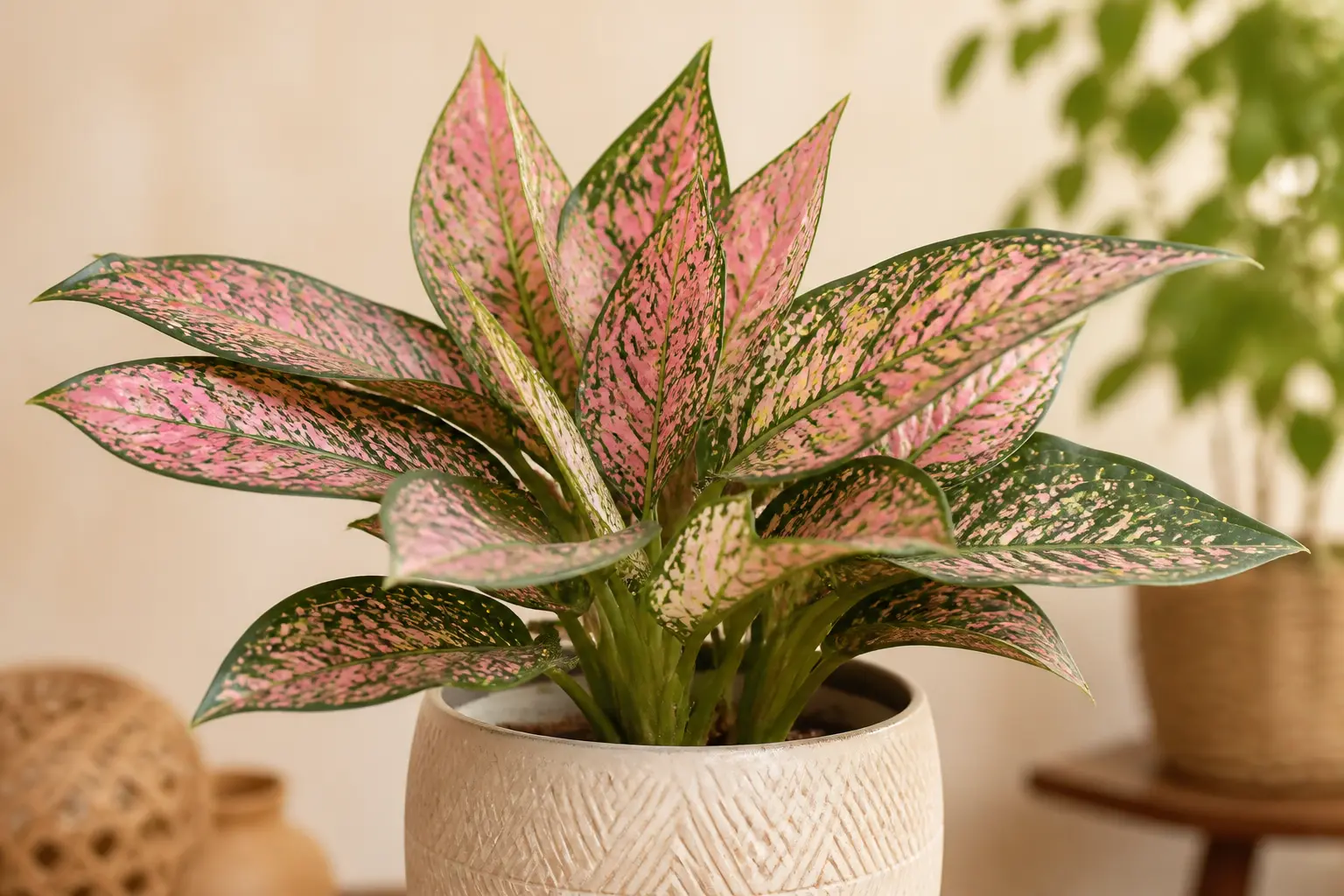 Pink Dalmatian
 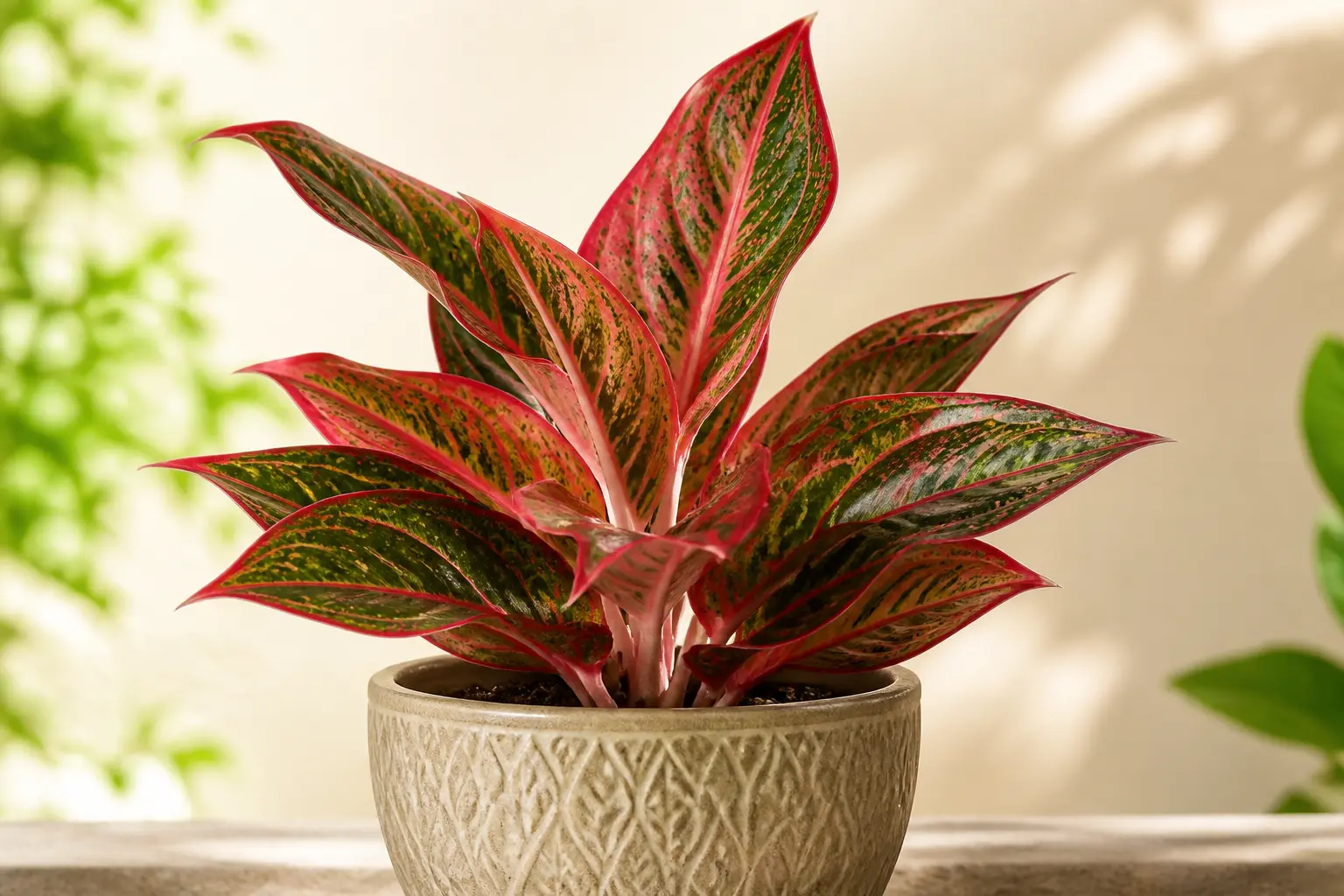 Red Valentine
 Compare Varieties
Explore different cultivars side-by-side and find the best match for your space.
Browse all varieties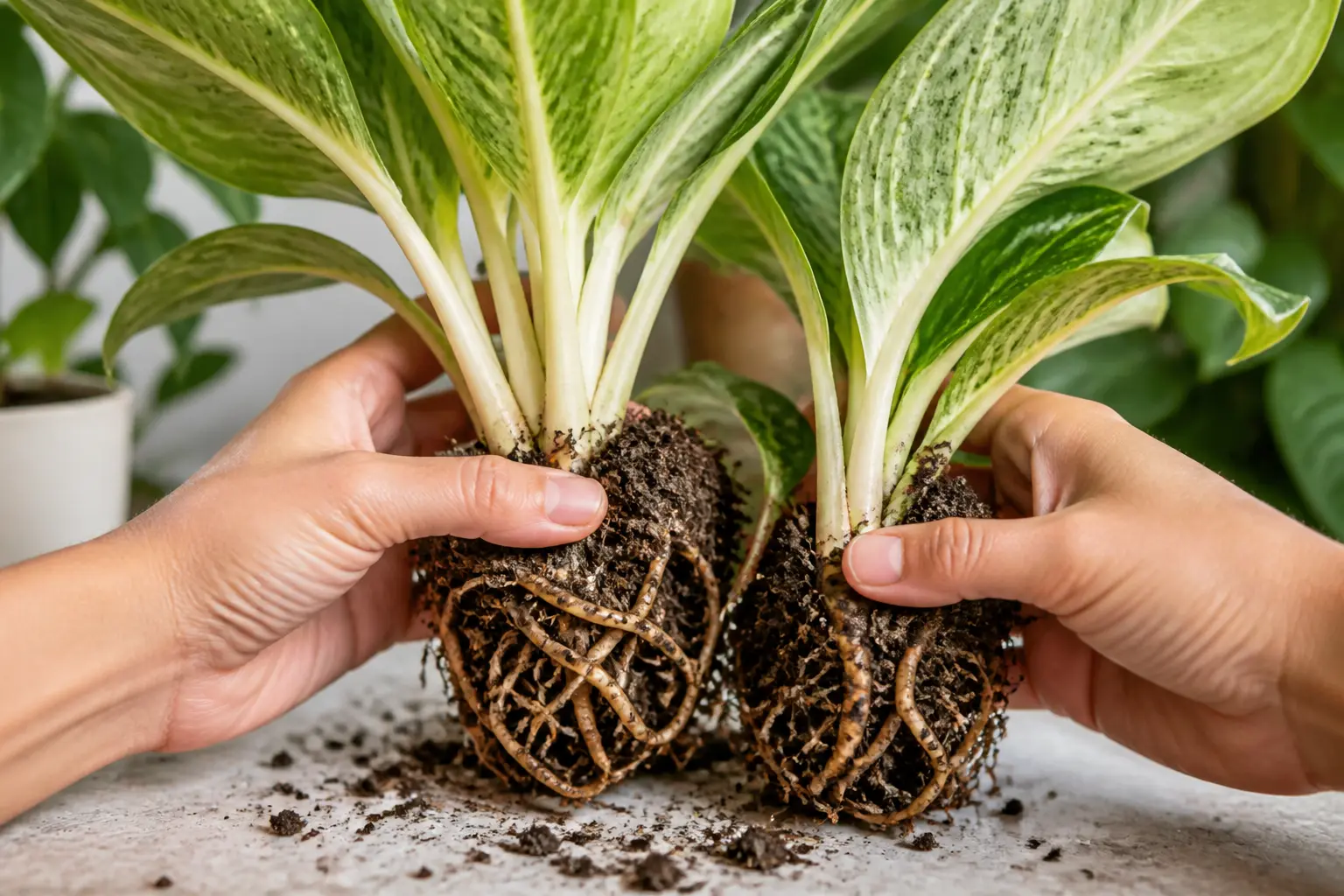
Propagation Guide
Step-by-step instructions for multiplying your plant collection.
Learn how to propagateFrequently Asked Questions
How often should I water Aglaonema?
Can Aglaonema grow in low light?
Why are my Aglaonema leaves turning yellow?
Is Aglaonema safe for pets?
How do I propagate Aglaonema?
What soil is best for Aglaonema?
Common Problems
Why Are My Plant Leaves Turning Yellow?
Yellowing leaves are one of the most common houseplant problems. The good news is that most causes are easy to identify and fix once you know what to look for.
Read diagnosis guideHow to Fix an Overwatered Plant
Overwatering kills more houseplants than any other cause. The tricky part? The symptoms — yellowing, wilting, drooping — look just like underwatering. Here's how to tell the difference and fix it.
Read diagnosis guideReferences
- [1] Missouri Botanical Garden. Aglaonema Plant Finder
- [2] ASPCA. Chinese Evergreen Toxicity
- [3] Gardener's Supply Company. How to Care for Aglaonema
Similar Plants
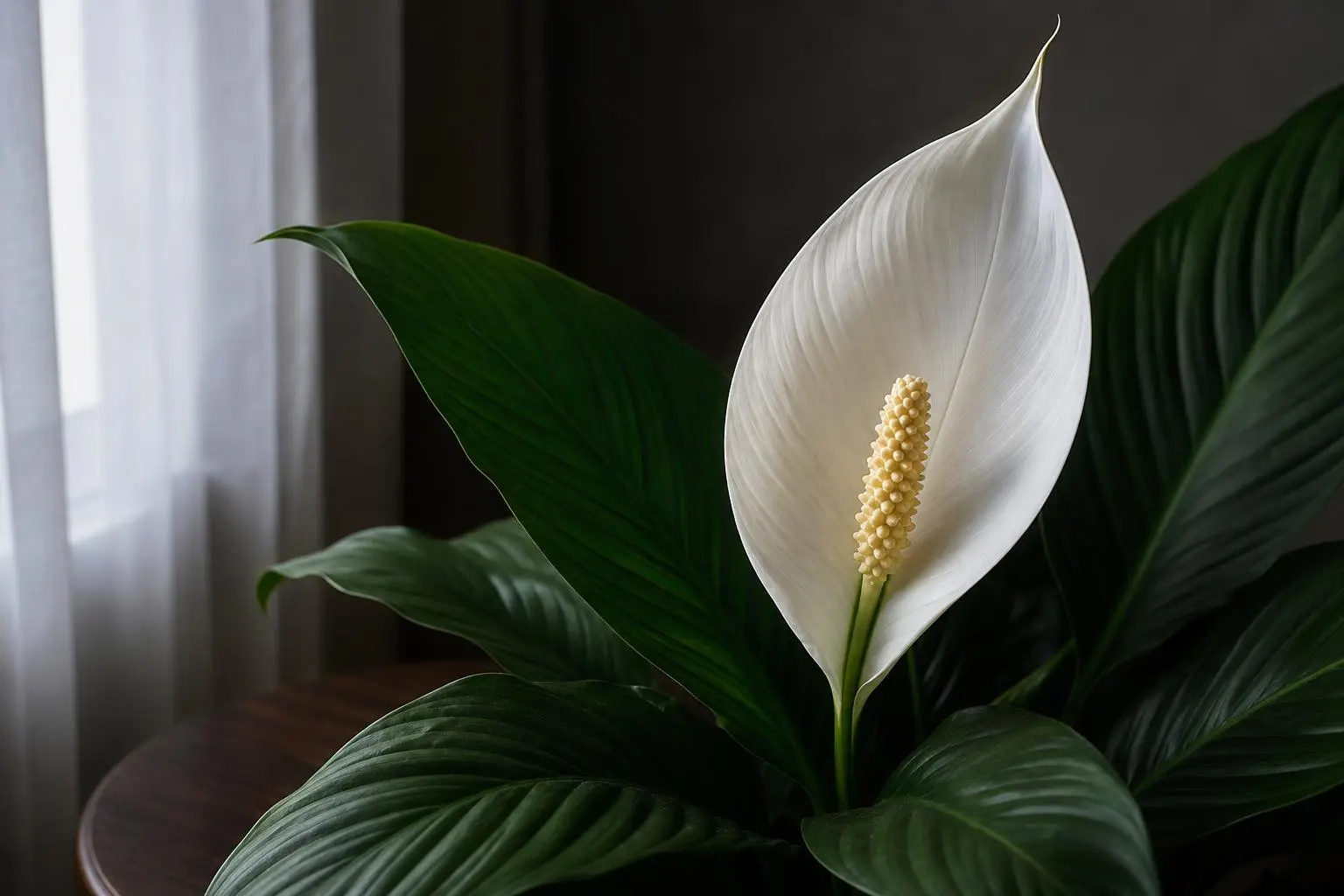
Peace Lily
Spathiphyllum wallisii
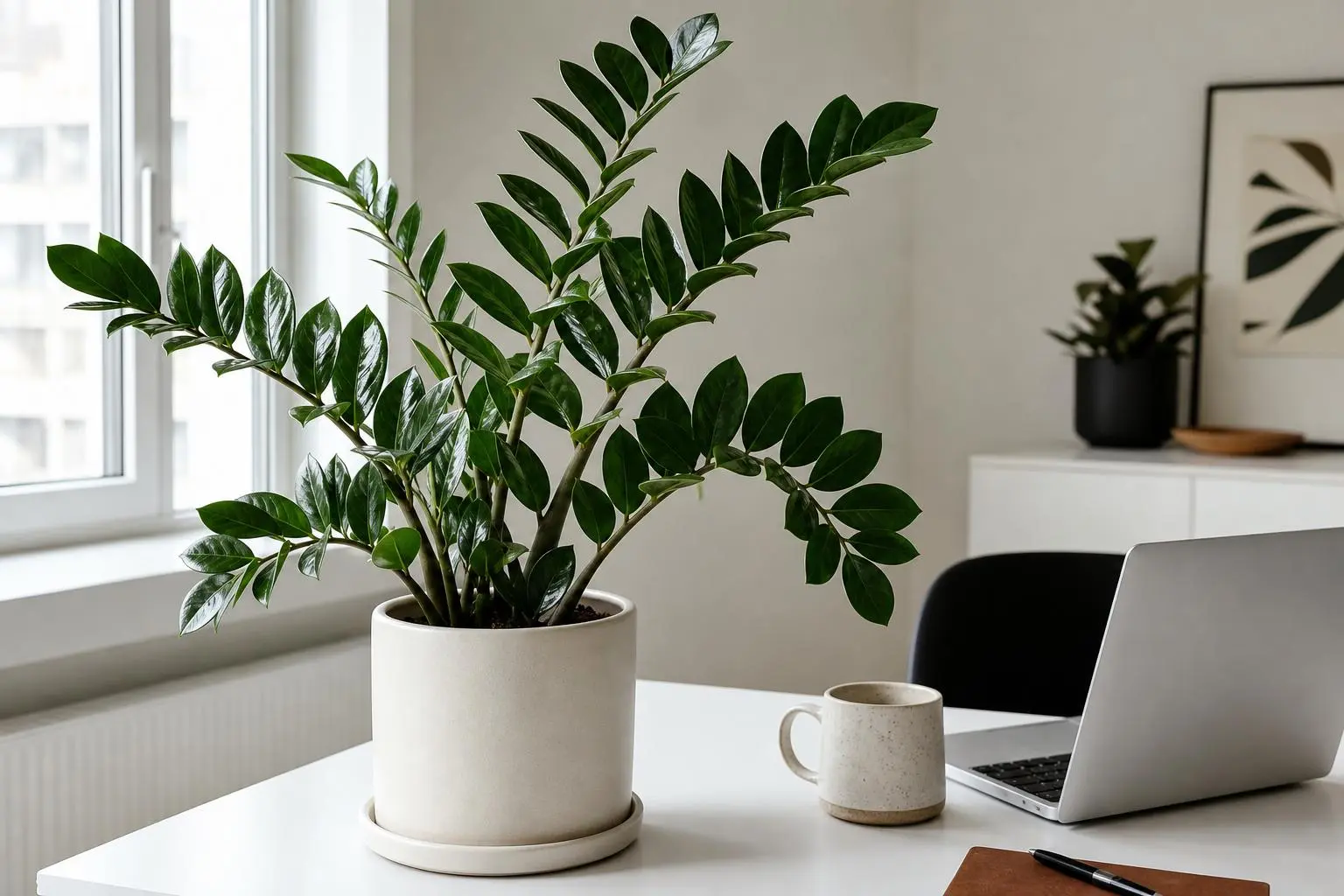
ZZ Plant
Zamioculcas zamiifolia
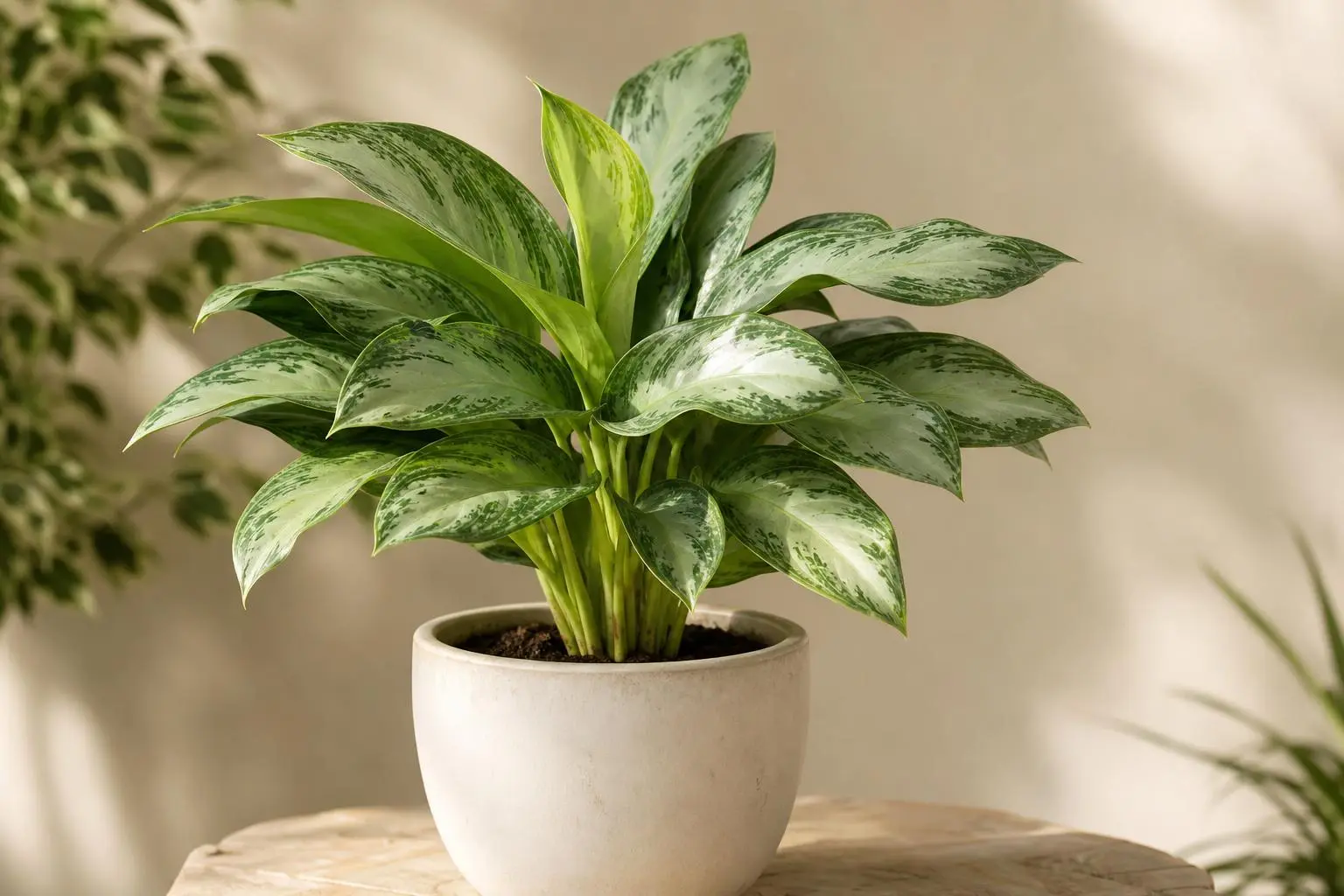
Chinese Evergreen
Aglaonema
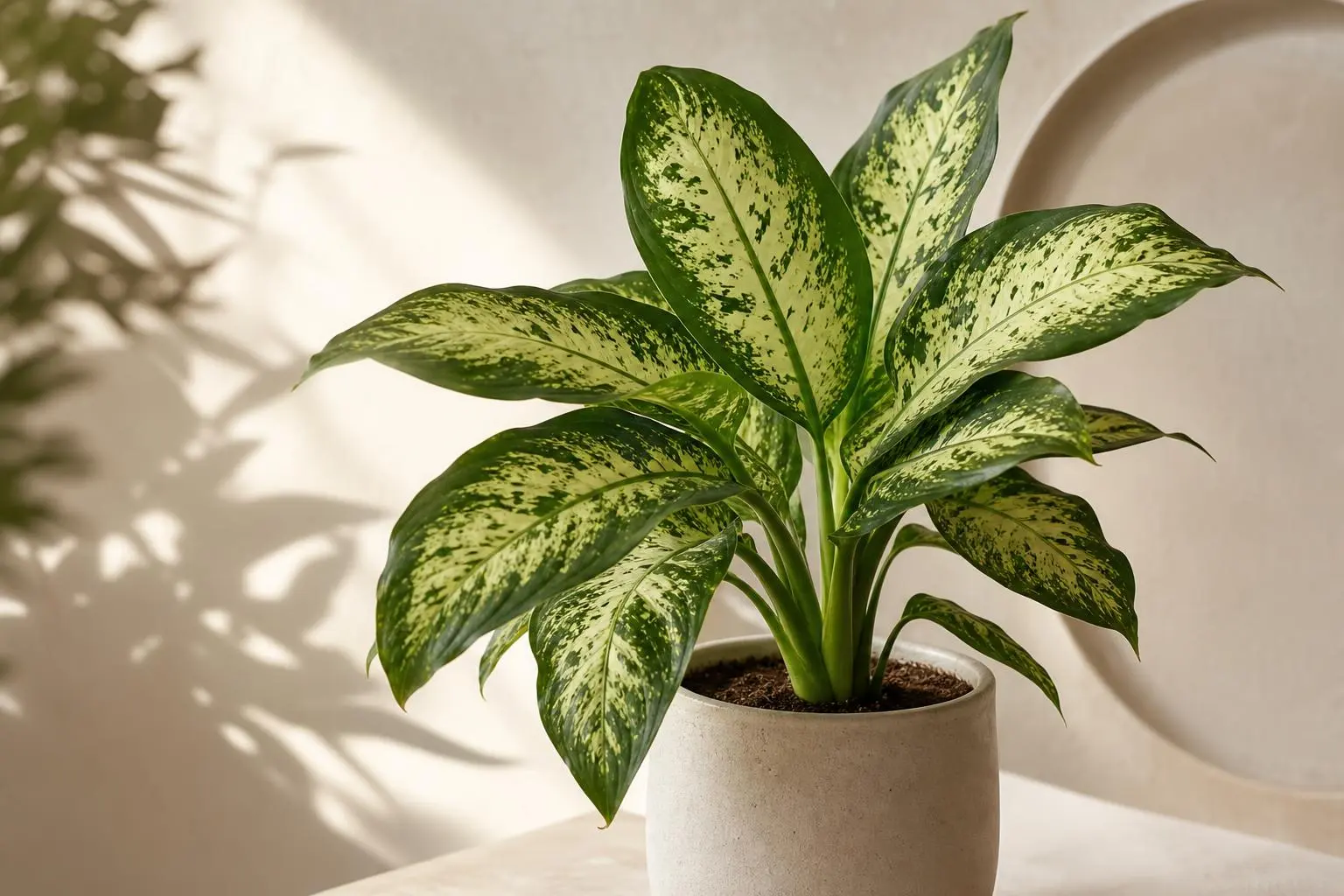
Dumb Cane
Dieffenbachia