
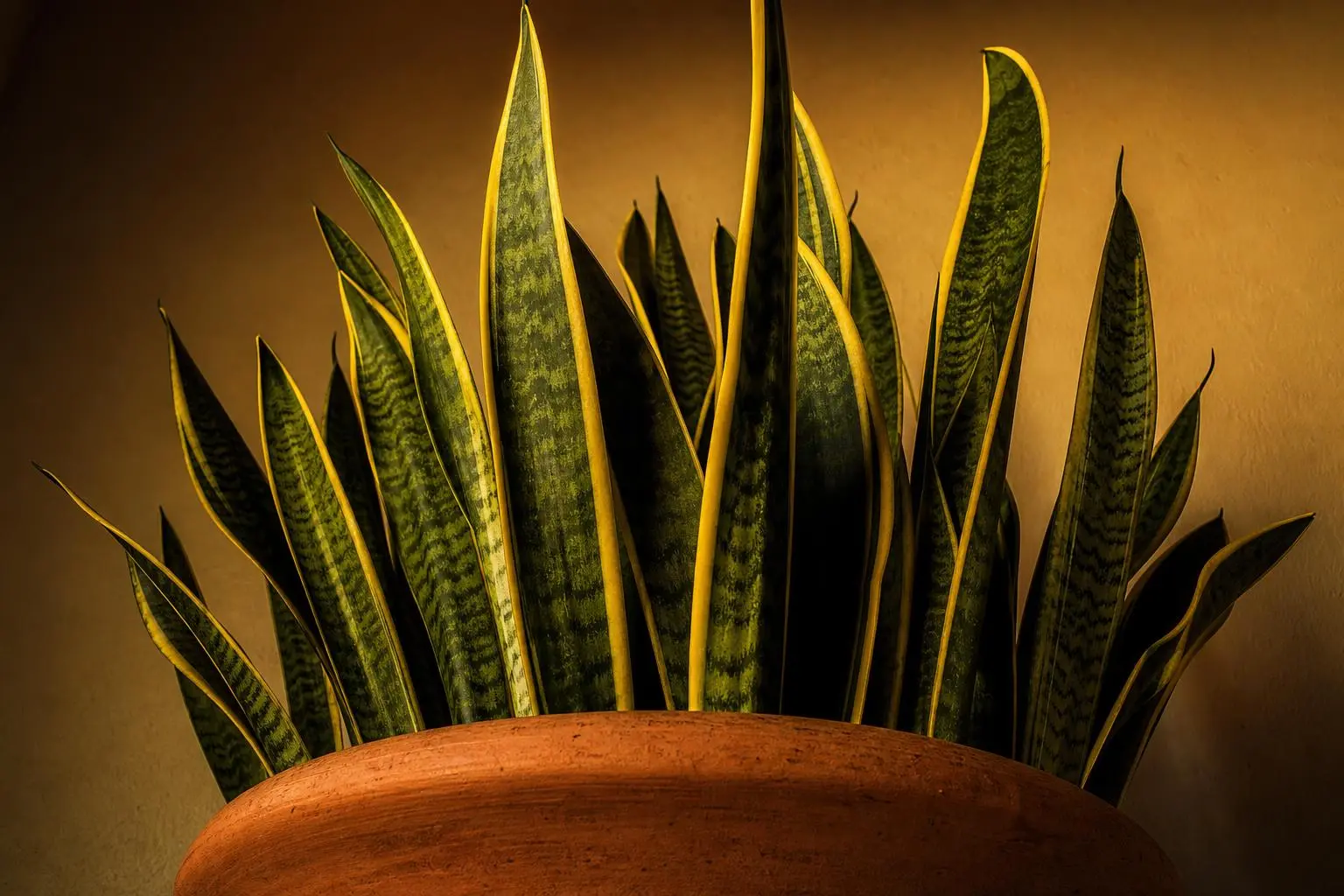
Snake Plant
Dracaena trifasciata
Also known as: Mother-in-Law's Tongue, Sansevieria, Viper's Bowstring Hemp, Saint George's Sword
Last updated: Sep 10, 2026
Low to bright indirect light
When soil is completely dry; every 2–3 weeks
30–50%
55–85°F (13–29°C)
Well-draining cactus/succulent mix
Diluted balanced fertilizer 2–3 times in spring/summer
Beginner friendly
Toxic to pets
Toxic to Pets
Contains saponins which can cause nausea, vomiting, and diarrhea if ingested. The bitter taste usually deters pets from eating large amounts, but keep away from curious cats and dogs.
Source: ASPCA Toxic Plant List
Seasonal Care Calendar
| Season | Watering | Fertilizer | Notes |
|---|---|---|---|
| Spring | Every 2–3 weeks | Apply diluted balanced fertilizer | Begin regular care routine; best time to repot or propagate |
| Summer | Every 2 weeks | Apply diluted fertilizer once or twice more | Peak growing season; may produce new pups; can move outdoors to partial shade |
| Fall | Every 3–4 weeks | Stop fertilizing | Growth slows; reduce watering frequency as daylight decreases |
| Winter | Once a month or less | No fertilizer | Dormant period; keep away from cold drafts and heating vents; minimal watering |
Detailed Care Guide
Everything you need to know to keep your Snake Plant thriving.
Light Requirements
Snake plants are among the most adaptable houseplants when it comes to light. They thrive in bright indirect light but are equally content in low-light corners where most plants would struggle.
Bright indirect lightThis is the sweet spot. A north or east-facing window provides ideal conditions. The leaves will maintain their rich coloring and the plant will grow steadily, producing new pups each growing season.
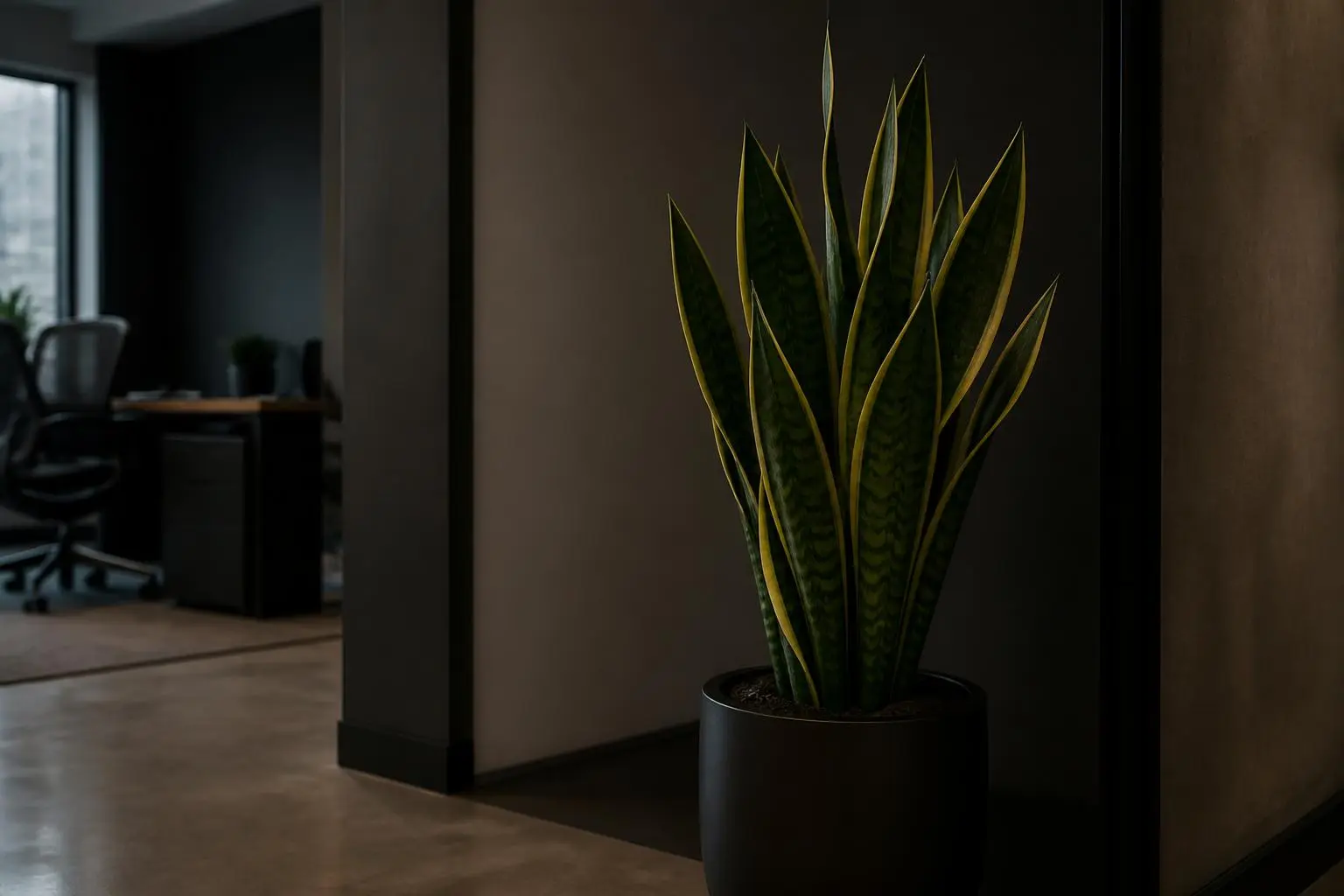
Low lightSnake plants will survive in very dim conditions — office cubicles, bathrooms with no windows, and dark hallways are all fair game. Growth will slow dramatically and variegated varieties may lose some of their patterning, but the plant will persist.
Direct sunAvoid prolonged exposure to harsh midday sun, which can bleach and scorch the leaves. A few hours of gentle morning sun is fine and can actually strengthen the plant.
Outdoor lightIn frost-free climates (USDA zones 9–11), snake plants do well in partial shade. Move them outdoors for the summer if you want accelerated growth, but acclimate them gradually to prevent sunburn.
Watering
Overwatering is the number one killer of snake plants. These succulents store water in their thick, fleshy leaves and can go weeks without a drink.
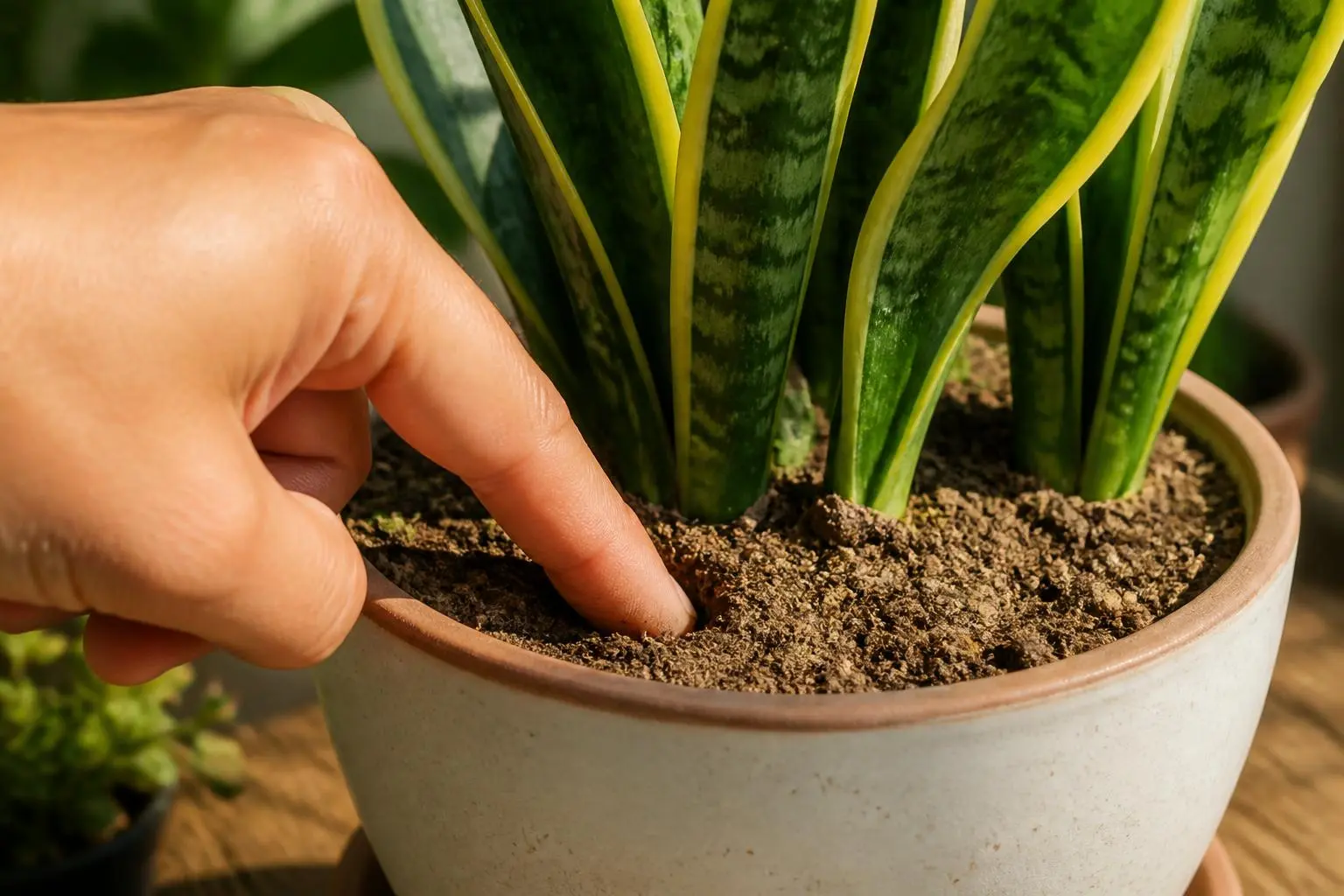
When to waterWait until the soil is completely dry — not just the top inch, but all the way through. Stick a chopstick or moisture meter deep into the pot. If any moisture registers, wait another few days. In practice, this means watering every 2–3 weeks in summer and as infrequently as once a month in winter.
How to waterWhen you do water, give the plant a thorough soaking until water runs out the drainage holes. Then empty the saucer — never let a snake plant sit in standing water. Bottom-watering is also effective and helps prevent crown rot.
Signs of overwateringMushy, wilting leaves that feel soft at the base are a red flag. The leaves may turn yellow and eventually fall over. If you notice this, stop watering immediately, remove the affected leaves at the soil line, and let the soil dry out completely.
Signs of underwateringThe leaves will develop slight wrinkles and may start to curl inward. The good news is that a drought-stressed snake plant bounces back quickly once watered — they're far more forgiving of underwatering than overwatering.
Humidity
Snake plants are remarkably unfussy about humidity, which makes them ideal for dry homes and offices. They are native to arid regions of West Africa and have evolved to thrive in low-humidity environments.
Ideal range30–50% relative humidity — which is what most homes naturally have. There is no need to run a humidifier or mist the leaves. In fact, misting can do more harm than good by encouraging fungal growth on the leaf surface.
Dry environmentsSnake plants do perfectly fine in homes with forced-air heating or air conditioning. If the air is extremely dry (below 20%), you may notice the leaf tips turning slightly brown and crispy, but the plant will not be seriously harmed.
BathroomsDespite the common advice to put plants in bathrooms for humidity, snake plants don't need it. They'll do fine there if the light is adequate, but don't choose the bathroom for the humidity alone.
Temperature
Snake plants prefer warm conditions but are surprisingly cold-tolerant for a tropical plant.
Ideal range65–85°F (18–29°C) during the day. They can handle temperatures as low as 55°F (13°C) for short periods but will stop growing below 60°F.
Cold damageProlonged exposure to temperatures below 50°F (10°C) can cause permanent damage. Leaves may develop water-soaked patches that turn mushy and dark. If your snake plant is near a drafty window in winter, move it to a warmer spot.
Heat toleranceSnake plants can tolerate temperatures up to 100°F (38°C) as long as they are not in direct sun and the soil is kept appropriately dry. In extreme heat, growth will slow but the plant will survive.
Seasonal adjustmentNo special temperature adjustments are needed between seasons. Just avoid placing the plant near heating vents, air conditioners, or drafty doors where it would experience sudden temperature fluctuations.
Soil & Potting Mix
Good drainage is absolutely critical for snake plants. Using the wrong soil is a guaranteed path to root rot.
Best mixA commercial cactus/succulent potting mix works perfectly. If you want to make your own, combine 1 part regular potting soil, 1 part coarse sand, and 1 part perlite or pumice. The goal is a mix that water runs through quickly.
What to avoidNever use regular potting soil by itself — it retains too much moisture. Heavy, peat-based mixes are especially dangerous because they stay soggy for days.
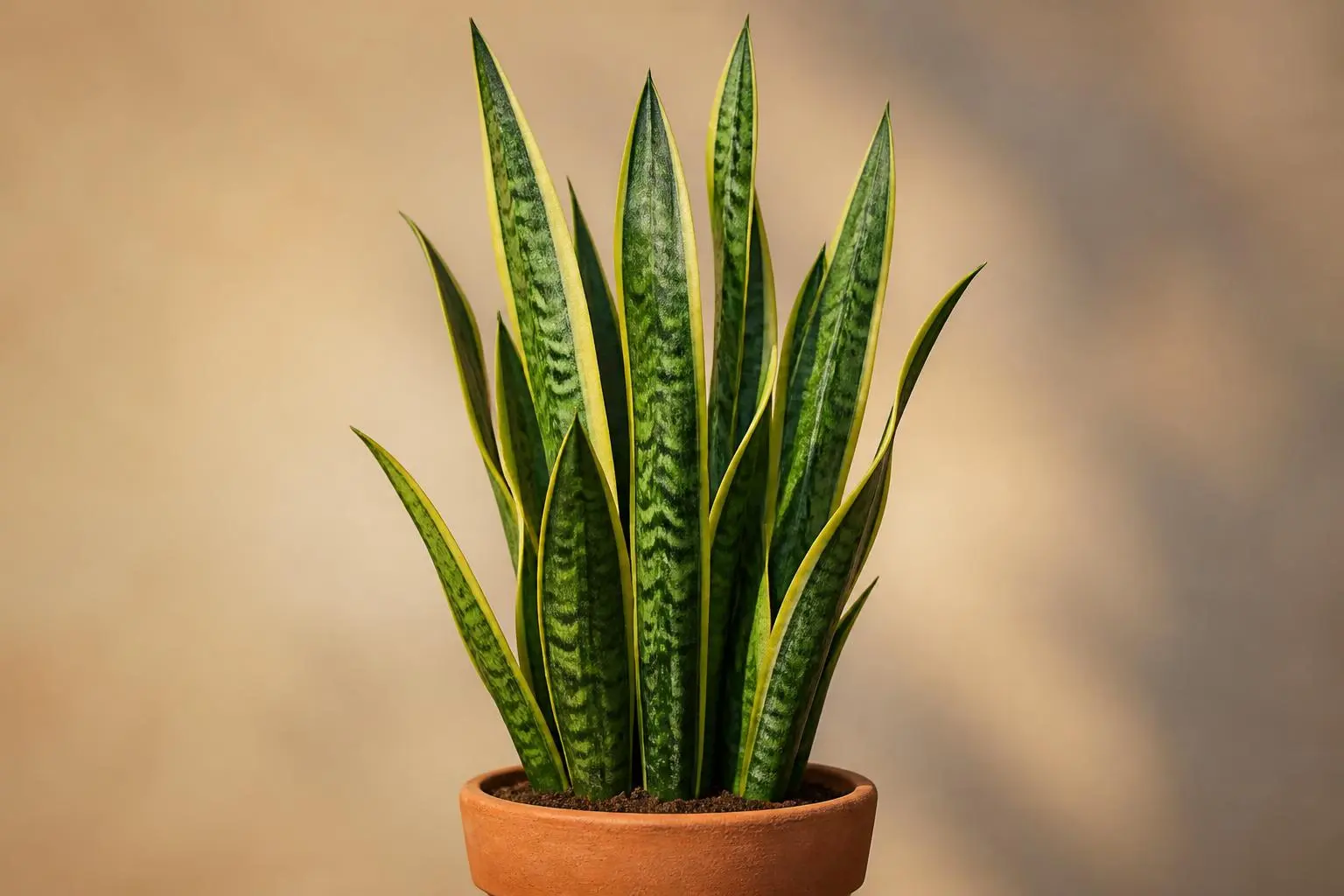
DrainageAlways use a pot with drainage holes. Terracotta pots are ideal because they wick moisture away from the soil through their porous walls. Avoid decorative pots without drainage unless you use them as a cachepot with a nursery pot inside.
Soil pHSnake plants prefer slightly acidic to neutral soil (pH 5.5–7.0), but they are not particular about this. Most commercial mixes fall within this range.
Fertilizer
Snake plants are light feeders and require very little fertilizer to stay healthy.
When to fertilizeApply a diluted balanced houseplant fertilizer (10-10-10 or 20-20-20 at half strength) just 2–3 times during the growing season (April through August). Do not fertilize in fall or winter when the plant is dormant.
How muchLess is more. Over-fertilizing causes brown leaf tips and can burn the roots. Dilute the fertilizer to half or even a quarter of the recommended strength on the package.
Organic alternativesA thin layer of worm castings on top of the soil in spring provides slow-release nutrients without the risk of burning. You can also use a diluted fish emulsion if you don't mind the smell.
Signs of over-fertilizingBrown tips on the leaves are the most common sign. If you notice this, flush the soil with plenty of water to wash out excess salts and skip the next few fertilizer applications.
Repotting
Snake plants actually prefer to be slightly rootbound and do not need frequent repotting. Every 2–3 years is usually sufficient.
When to repotRepot when you see roots growing out of the drainage holes, when the plant is pushing itself out of the pot, or when the soil has become so compacted that water runs straight through without being absorbed.
Pot sizeChoose a pot only 1–2 inches larger in diameter than the current one. Going too big means excess soil that retains too much moisture. Shallow pots work well since snake plant roots don't grow deep.
How to repotGently remove the plant from its pot, shake off old soil, and inspect the roots. Trim any soft, brown, or mushy roots with sterilized scissors. Place in the new pot with fresh succulent mix, keeping the plant at the same depth it was before. Wait a week before watering to let the roots settle.
Best timeSpring or early summer, when the plant is actively growing and can recover quickly from the disturbance.
Our Experience
The #1 mistake with snake plants is overwatering. I water mine only every 3–4 weeks in summer and even less in winter. They truly thrive on neglect — if you forget about them for a month, they will probably look better than if you had been watering weekly.
— Grown indoors in various light conditions, NYC apartment
I always plant my snake plants in terracotta pots. The porous clay wicks away excess moisture from the soil, providing an extra layer of protection against overwatering. It also looks great — the warm orange tones complement the structured green leaves perfectly.
— Multiple snake plants, various rooms, medium to low light
If you want your snake plant to grow faster, put it in brighter indirect light and give it a diluted fertilizer in spring. Mine near an east-facing window grows about 4 new leaves per summer, while the one in my dim hallway barely produces one.
— Comparing growth rates across different rooms in the same home
 Laurentii
 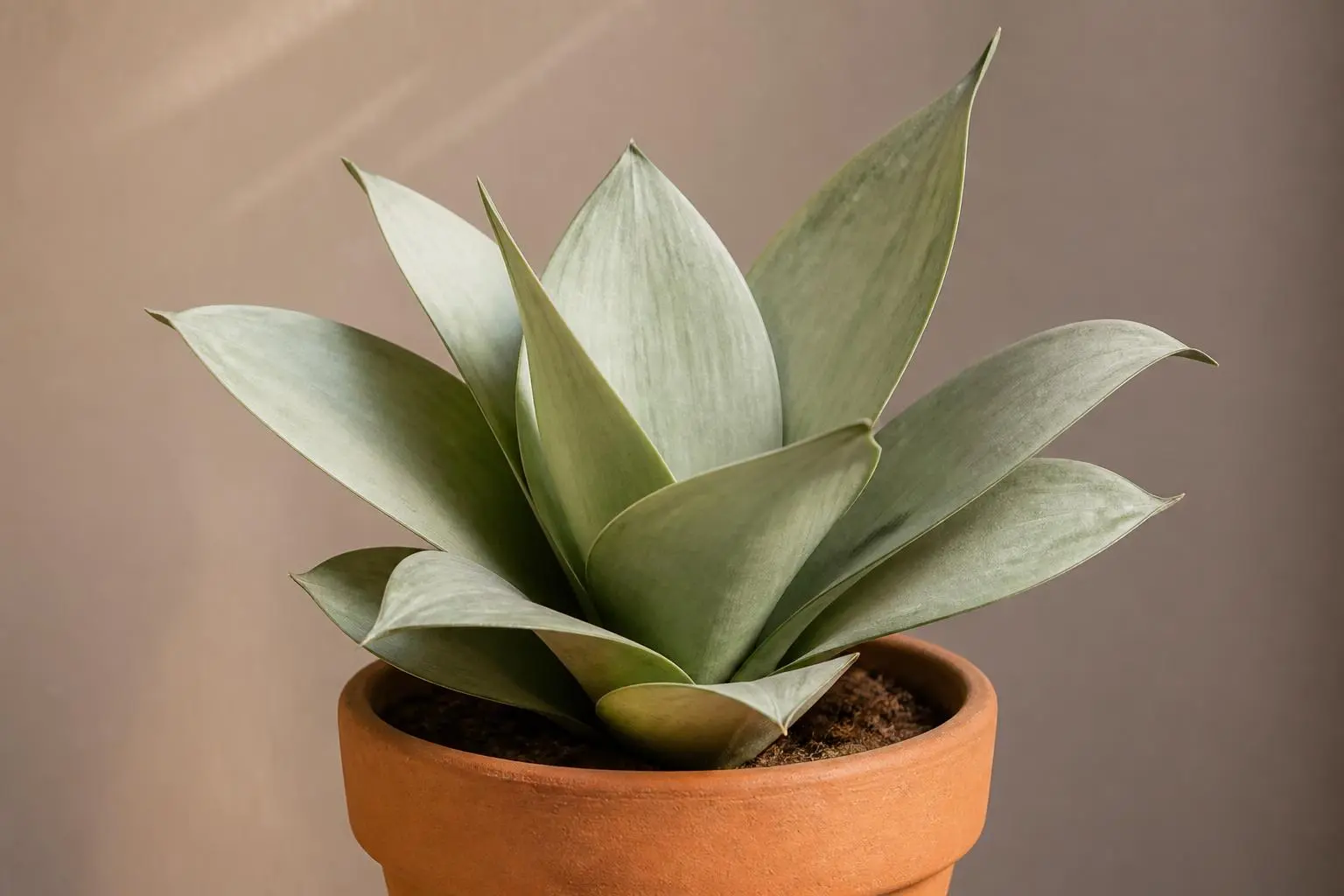 Moonshine
 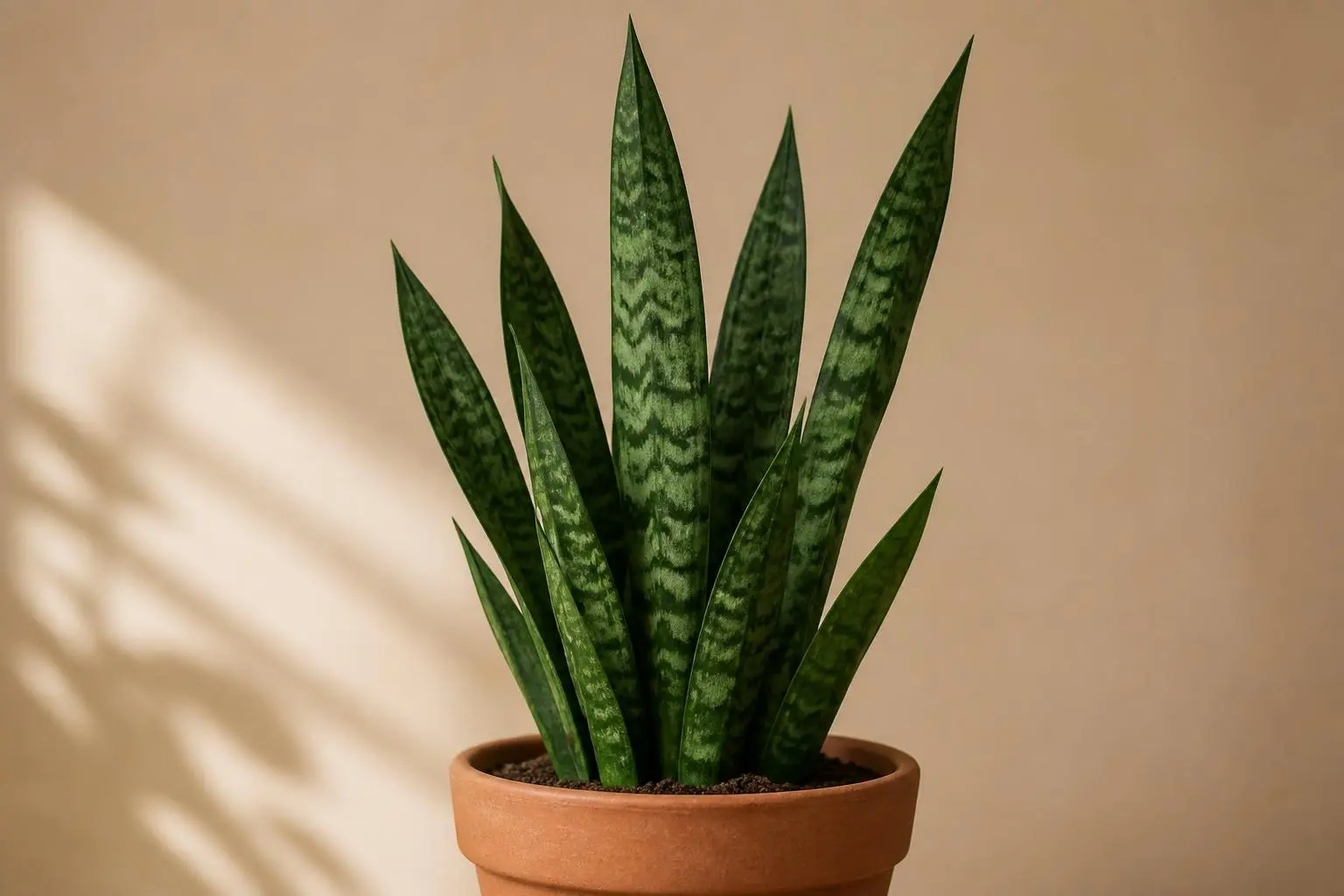 Zeylanica
 Compare Varieties
Explore different cultivars side-by-side and find the best match for your space.
Browse all varieties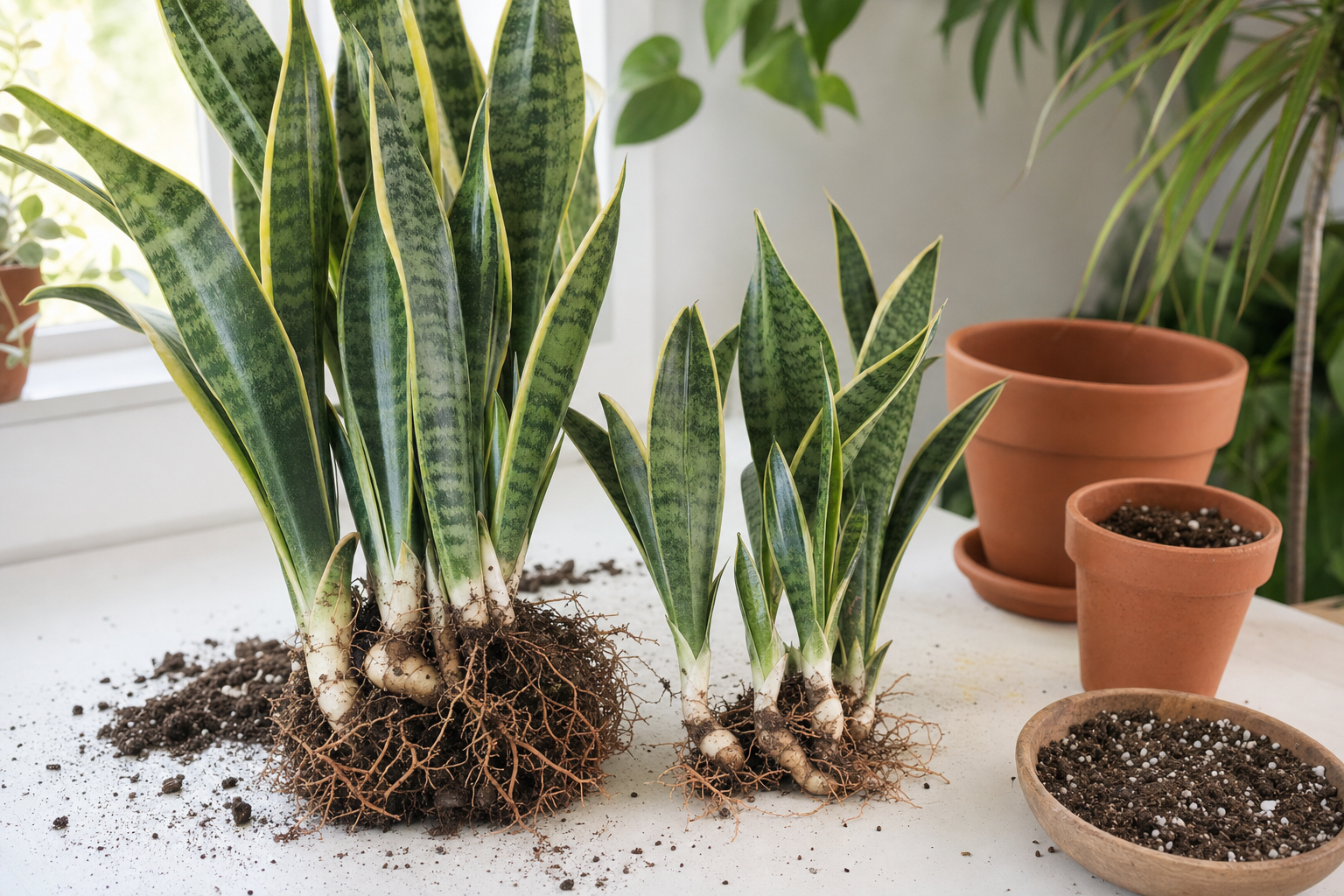
Propagation Guide
Step-by-step instructions for multiplying your plant collection.
Learn how to propagateFrequently Asked Questions
How often should I water my snake plant?
Why are my snake plant leaves turning yellow?
Why does my snake plant have brown tips?
Can snake plants survive in low light?
How do I propagate a snake plant?
Are snake plants toxic to cats and dogs?
Why is my snake plant drooping or falling over?
Do snake plants really clean the air?
Common Problems
Why Are My Plant Leaves Turning Yellow?
Yellowing leaves are one of the most common houseplant problems. The good news is that most causes are easy to identify and fix once you know what to look for.
Read diagnosis guideHow to Fix an Overwatered Plant
Overwatering kills more houseplants than any other cause. The tricky part? The symptoms — yellowing, wilting, drooping — look just like underwatering. Here's how to tell the difference and fix it.
Read diagnosis guideReferences
- [1] Royal Horticultural Society. Dracaena trifasciata
- [2] ASPCA. Sansevieria Toxicity
- [3] NASA Clean Air Study. Interior Landscape Plants for Indoor Air Pollution Abatement
- [4] University of Florida IFAS Extension. Dracaena trifasciata Snake Plant
Similar Plants
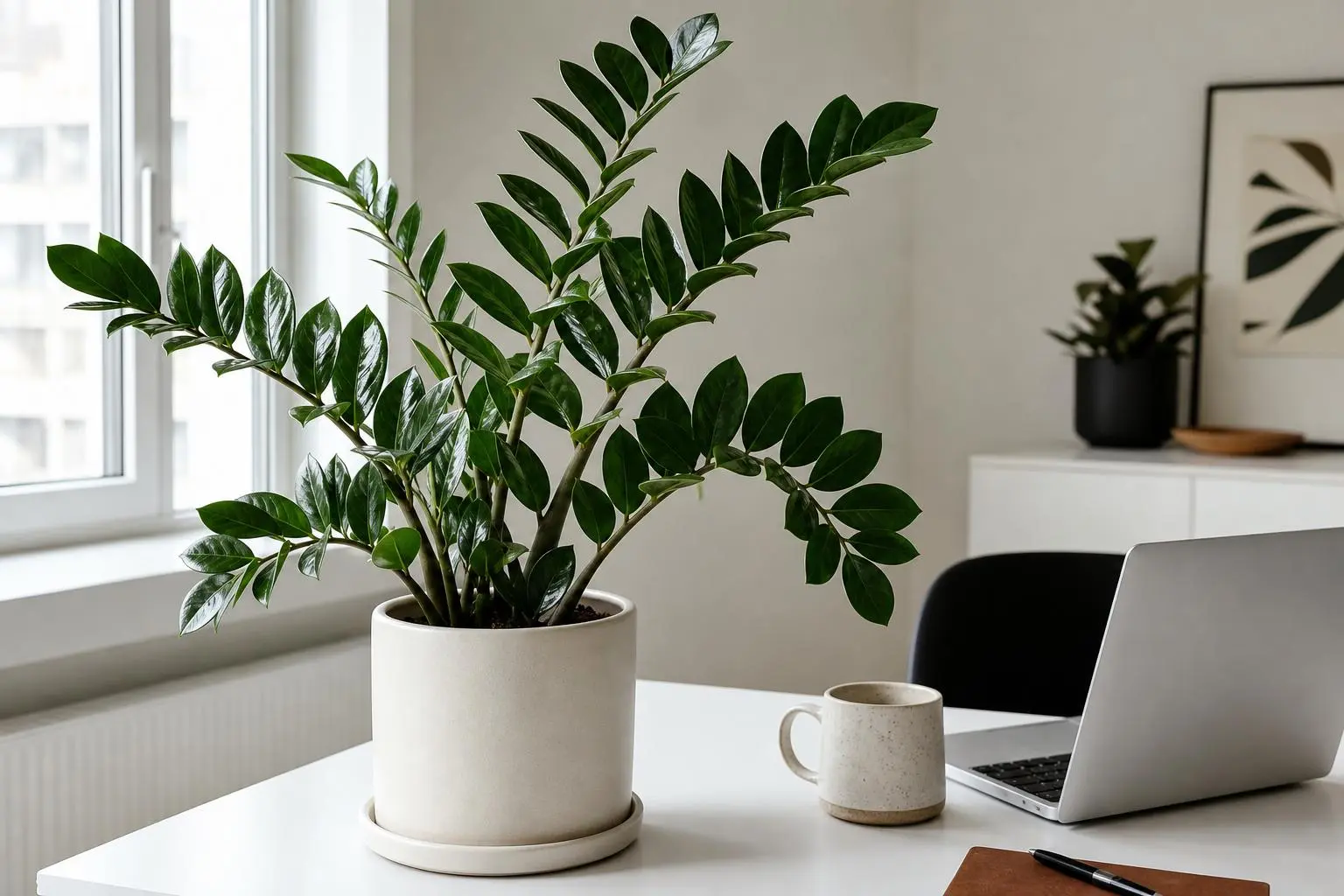
ZZ Plant
Zamioculcas zamiifolia
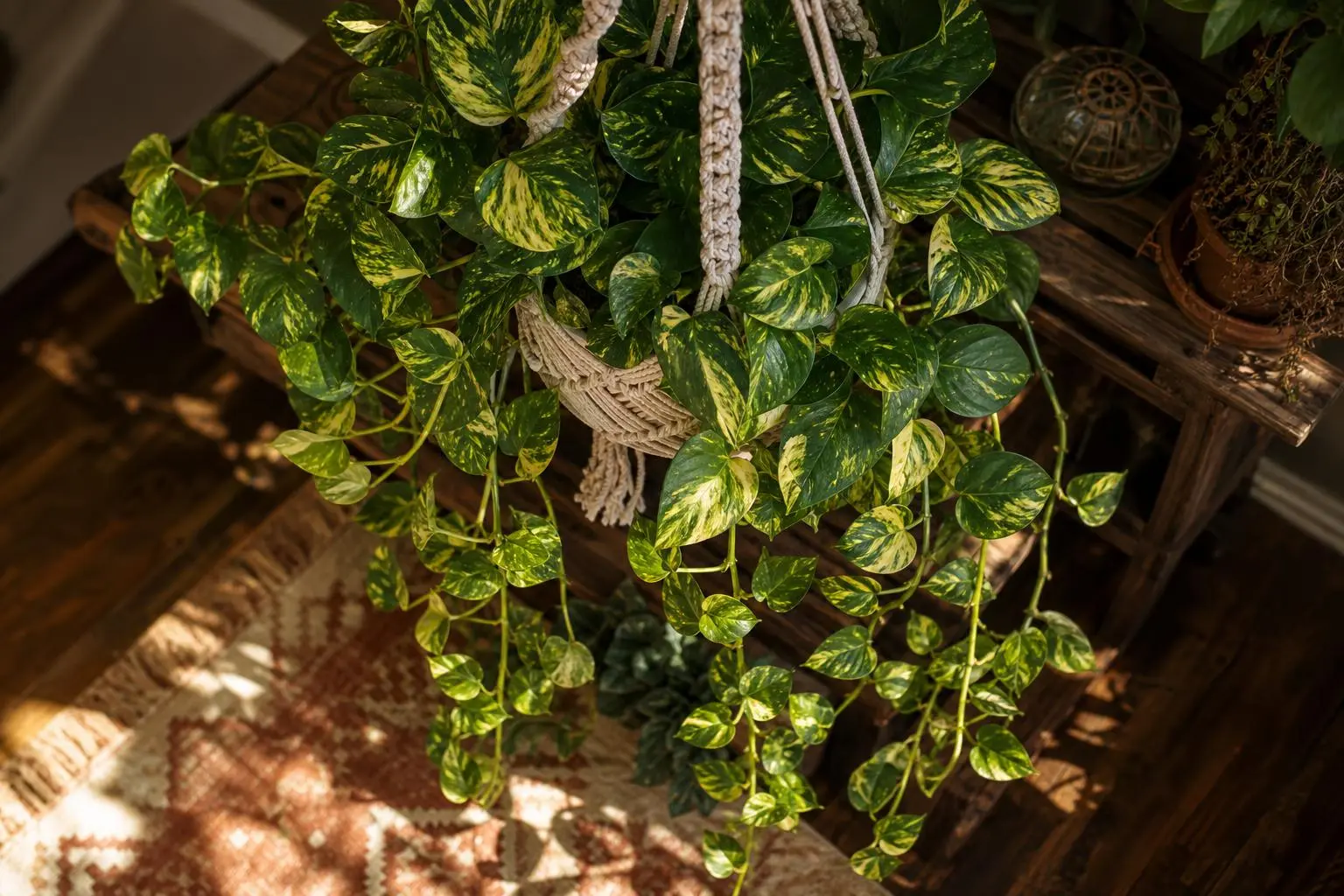
Pothos
Epipremnum aureum
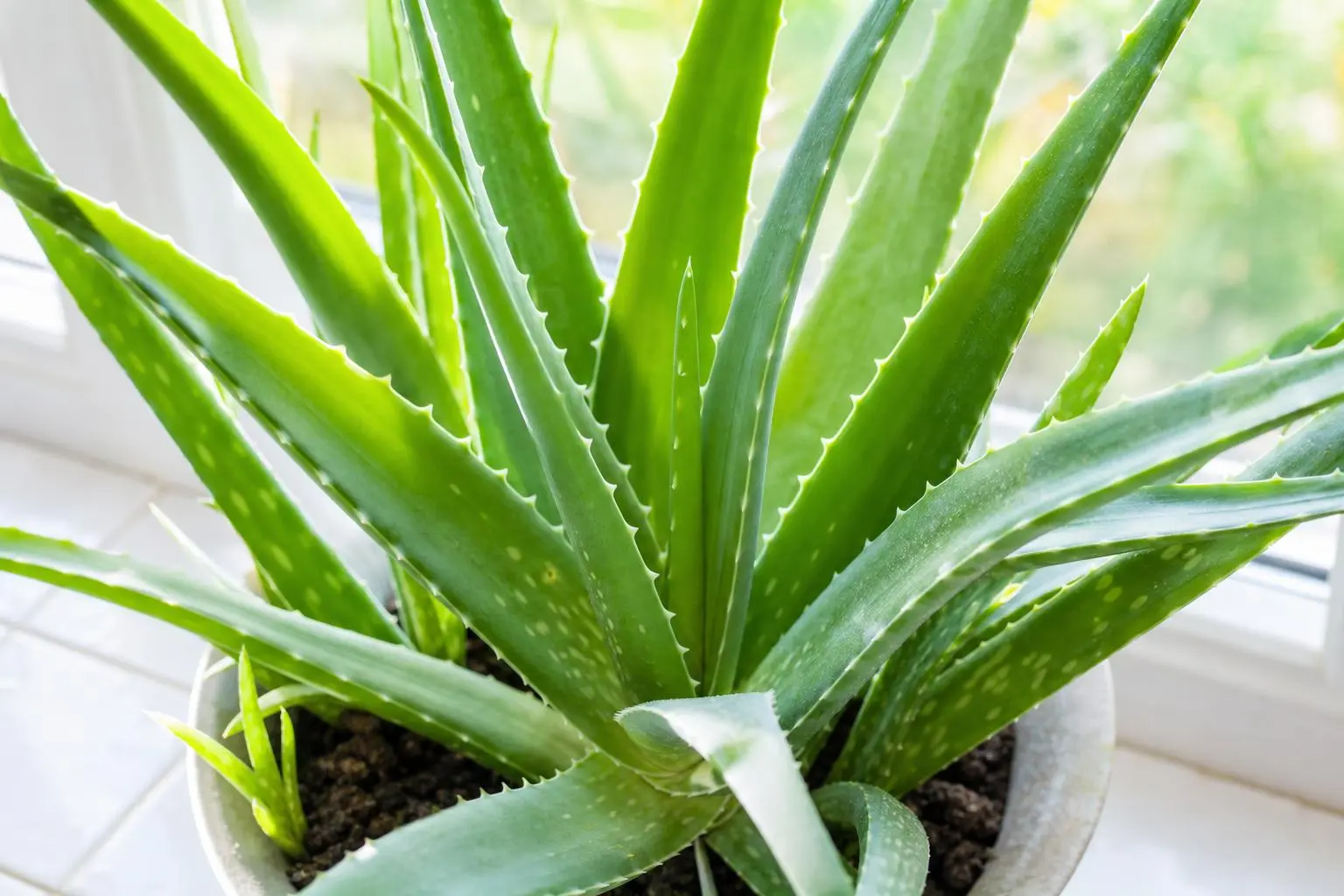
Aloe Vera
Aloe barbadensis miller