
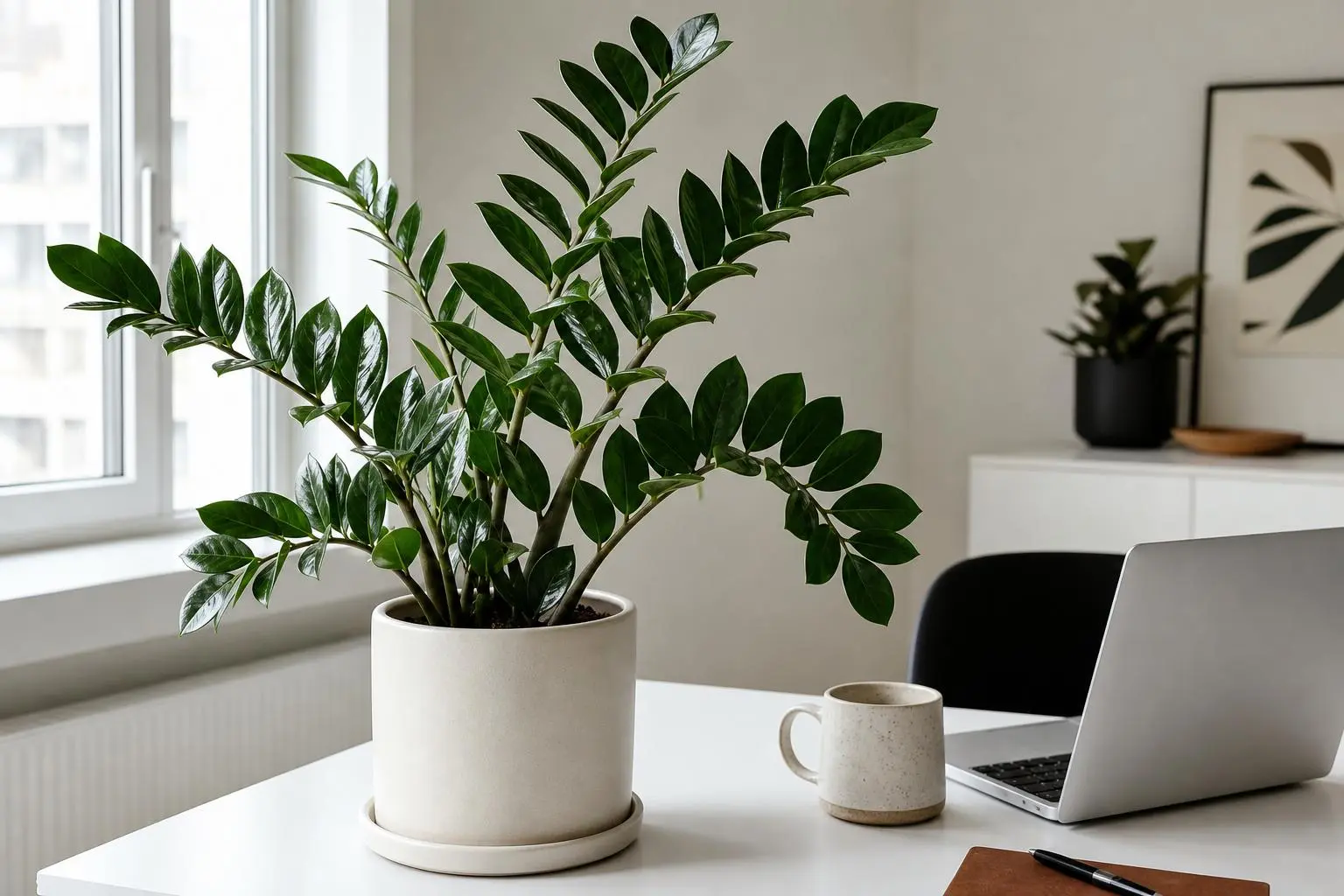
ZZ Plant
Zamioculcas zamiifolia
Also known as: Zanzibar Gem, Zuzu Plant, Eternity Plant, Aroid Palm
Last updated: Sep 10, 2026
Low to bright indirect light
When soil is completely dry; every 2–3 weeks
40–50%
60–85°F (15–29°C)
Well-draining potting mix with added perlite or succulent mix
Balanced liquid fertilizer 2–3 times during spring/summer
Beginner friendly
Toxic to pets
Toxic to Pets
All parts contain calcium oxalate crystals. Ingestion causes oral irritation, vomiting, and difficulty swallowing. The sap may also irritate skin. Keep away from pets and wear gloves when handling.
Source: ASPCA Toxic Plant List
Seasonal Care Calendar
| Season | Watering | Fertilizer | Notes |
|---|---|---|---|
| Spring | Every 2–3 weeks | Apply half-strength balanced fertilizer once | Check if repotting is needed. Resume regular care after winter rest. Good time to propagate by division. |
| Summer | Every 2–3 weeks | Apply half-strength balanced fertilizer once or twice more | Active growth period. Can move outdoors to a shaded spot. Monitor for pests if placed outside. |
| Fall | Every 3–4 weeks | None after September | Growth slows as days shorten. Reduce watering frequency. Stop fertilizing by early fall. |
| Winter | Every 4–6 weeks | None | Dormant period. Water very sparingly — soil should be dry for extended periods. Keep away from cold drafts and heating vents. |
Detailed Care Guide
Everything you need to know to keep your ZZ Plant thriving.
Light Requirements
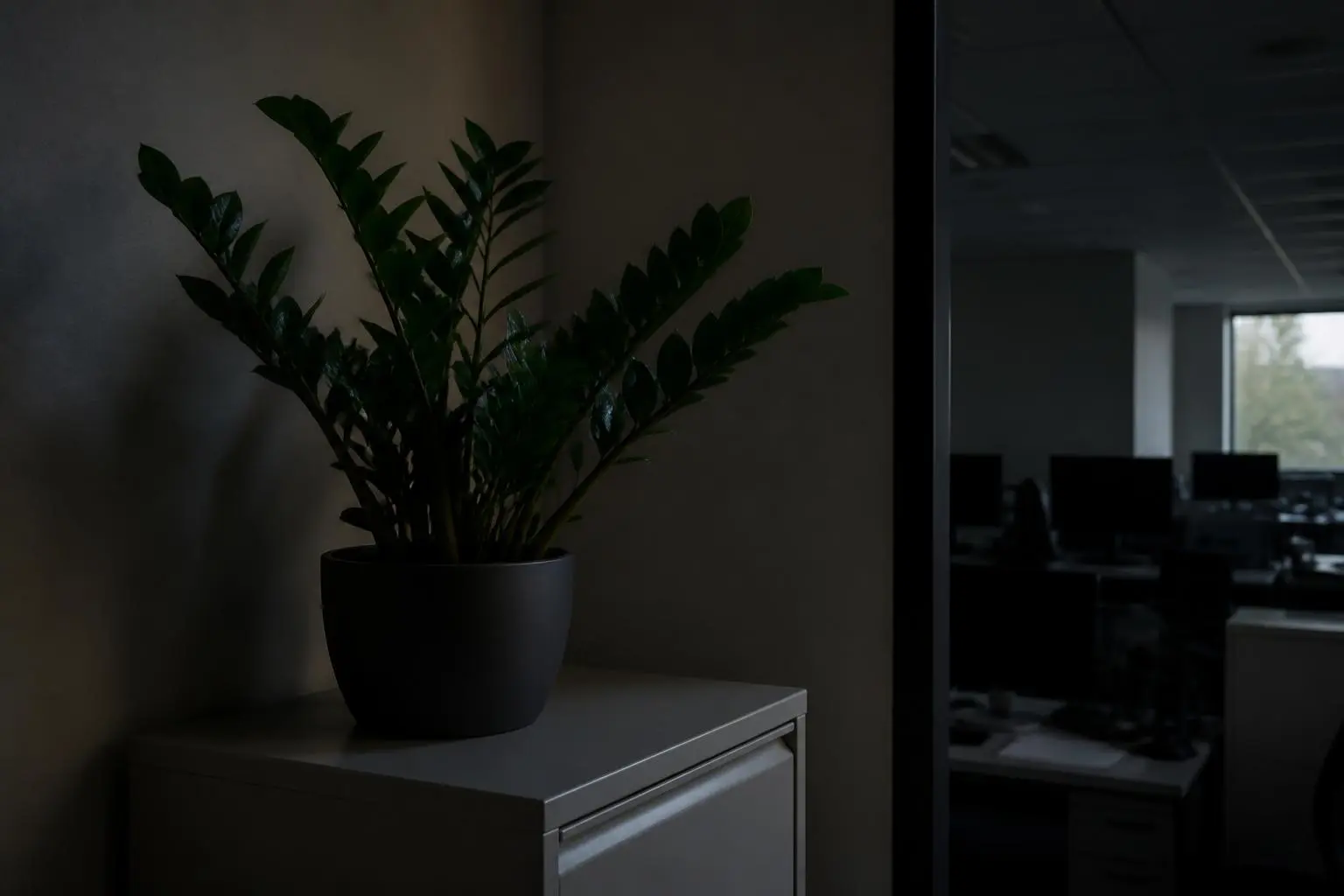
The ZZ plant is one of the few houseplants that truly tolerates low light, making it a top choice for offices, bathrooms, and dim corners. It thrives in bright indirect light but will happily survive in areas where most plants would struggle — a north-facing window, a hallway with no natural light, or a room lit only by fluorescent fixtures.
However, there is a meaningful difference between surviving and thriving. In bright indirect light, a ZZ plant will grow faster, produce more new stems, and maintain its characteristic deep glossy green color. In very low light, growth slows dramatically — you may only see one or two new stems per year — and the leaves may become slightly paler and more spaced out along the stems.
Avoid direct sunlight at all costs. Even a few hours of direct sun, especially afternoon sun through a south- or west-facing window, will scorch the leaves, causing bleached patches and brown crispy spots. The damage is permanent and the affected leaves will not recover.
If your ZZ plant is leaning toward its light source, rotate the pot a quarter turn every couple of weeks to encourage even, upright growth. For truly dark spaces, a simple LED grow light on a timer for 8–10 hours a day will make a noticeable difference in growth rate without requiring any window at all.
Watering
Overwatering is the number one killer of ZZ plants — by a wide margin. These plants evolved in the drought-prone regions of eastern Africa, where they survive long dry spells by storing water in their thick, potato-like rhizomes beneath the soil. This means your ZZ plant would much rather be too dry than too wet.
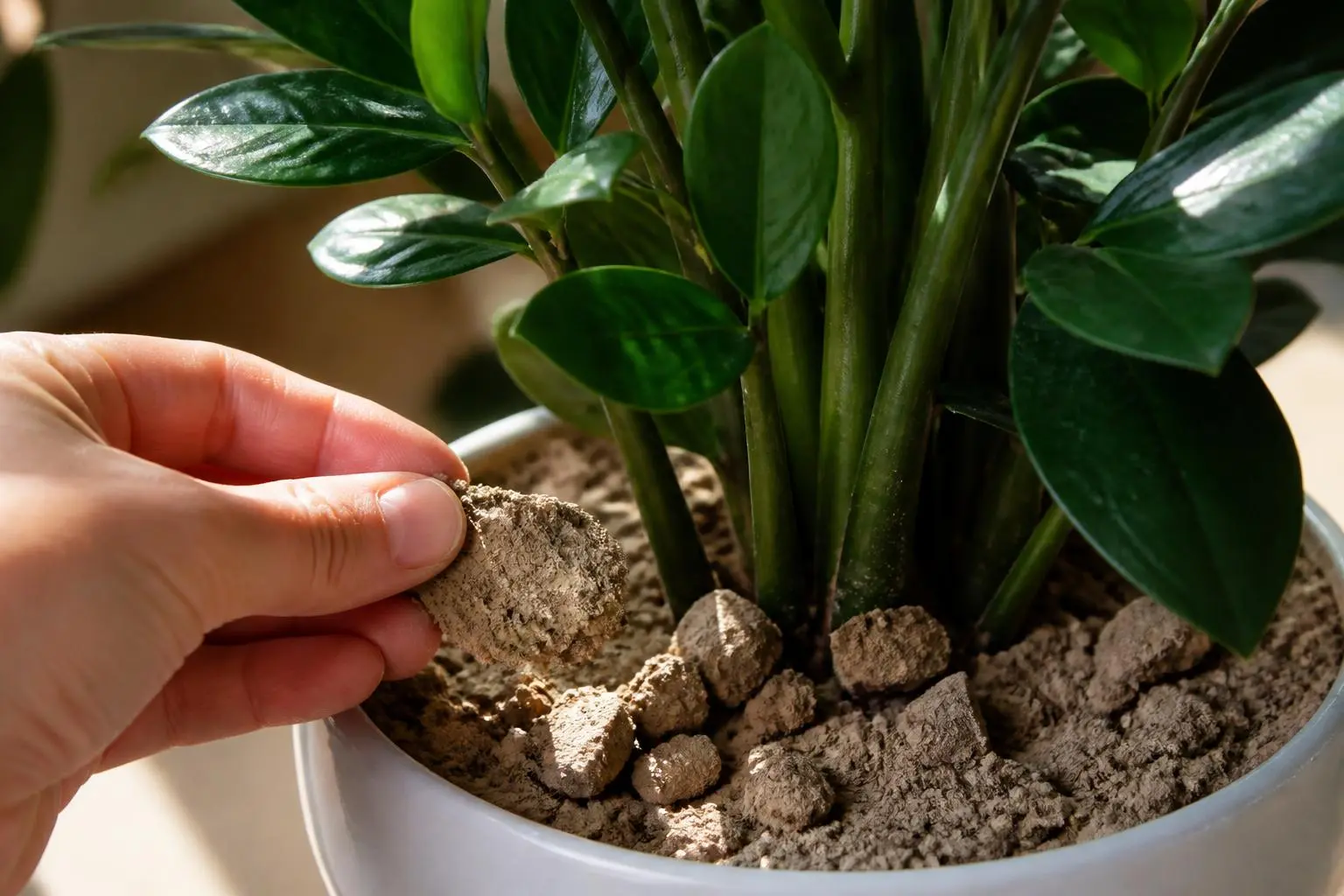
The golden rule: wait until the soil is completely dry before watering. Not mostly dry — completely dry. Stick your finger two to three inches into the soil; if you feel any moisture at all, wait. In practice, this means watering every 2–3 weeks in spring and summer, and every 3–4 weeks (or even longer) in fall and winter. A moisture meter can be helpful if you are unsure.
When you do water, give it a thorough soak until water runs from the drainage holes, then empty the saucer. Never let a ZZ plant sit in standing water — the rhizomes will rot quickly and irreversibly. Use room-temperature water; cold water can shock the roots.
Signs of overwatering: yellow leaves (often starting from the base), mushy stems, soft spots on the rhizomes, and a musty smell from the soil. Signs of underwatering: wrinkled or shriveled stems, dry crispy leaf tips, and leaf drop. When in doubt, always wait another few days — a ZZ plant can easily go a month without water and bounce back, but a single bout of root rot can kill it within weeks.
Humidity
Unlike many tropical houseplants that demand high humidity, the ZZ plant is perfectly content in average home humidity levels of 40–50%. Its thick, waxy leaves are designed to minimize water loss, a trait inherited from its arid native habitat in eastern Africa. This makes it an excellent choice for homes with dry air, forced-air heating, or air conditioning — conditions that would stress more humidity-loving plants like ferns or calatheas.
You do not need a humidifier, pebble tray, or misting routine for a ZZ plant. In fact, misting is counterproductive — the water sits on the glossy leaf surface and can promote fungal spots, especially if leaves do not dry quickly. If you have been misting your ZZ, stop; it simply does not need it.
If you notice brown crispy tips on the leaves, the cause is almost certainly underwatering or inconsistent watering rather than low humidity. Check the soil moisture and adjust your watering schedule before reaching for a humidifier. The only time humidity might become relevant is in extremely dry environments (below 20%) where the plant may shed older leaves slightly faster than usual, but even then it will survive and continue producing new growth.
Temperature
ZZ plants prefer temperatures between 60–85°F (15–29°C), which conveniently matches the range most people keep their homes and offices. They are not particularly fussy about temperature consistency and tolerate the normal fluctuations of indoor environments well.
However, they are genuinely sensitive to cold. Temperatures below 50°F (10°C) can cause permanent damage — leaves may yellow, droop, and drop off, and the rhizomes can be damaged. Never place a ZZ plant near an exterior door that opens frequently in winter, against a cold windowpane, or in an unheated sunroom. Even a brief exposure to freezing temperatures during transport from the store to your car can cause lasting harm.
Avoid placing your ZZ near heating vents, radiators, or fireplaces as well. Hot, dry air blowing directly on the plant can desiccate the leaves and cause brown tips. The ideal spot is one with stable, moderate temperatures — a few feet away from windows and away from direct heat sources. If you move your ZZ plant outdoors for the summer, bring it back inside well before nighttime temperatures drop below 55°F. ZZ plants cannot tolerate frost under any circumstances.
Soil
The ZZ plant requires extremely well-draining soil. Because its rhizomes store water, the roots and rhizomes are highly susceptible to rot in soggy conditions. A standard off-the-shelf potting mix retains too much moisture for a ZZ plant and will eventually lead to root rot, even if you water sparingly.
The best approach is to amend regular potting mix with generous amounts of perlite or pumice — aim for a ratio of roughly 2 parts potting soil to 1 part perlite. Alternatively, use a commercial cactus and succulent mix straight from the bag; these are formulated to drain quickly and work well for ZZ plants. For an extra-draining blend, mix equal parts succulent soil, perlite, and orchid bark.
The pH should be slightly acidic to neutral, around 6.0–7.0. Avoid using garden soil or topsoil in containers — they compact over time, suffocating roots and preventing drainage. Adding a small handful of horticultural charcoal to the mix can help absorb excess moisture and prevent fungal issues around the rhizomes.
Perhaps even more important than the soil mix is the pot itself. Always use a container with drainage holes — no exceptions. Terracotta pots are an excellent choice for ZZ plants because the porous clay wicks moisture away from the soil, helping it dry out faster between waterings. Decorative cache pots without holes are fine as an outer sleeve, but the actual growing pot must have drainage.
Fertilizer
ZZ plants are light feeders and require very little fertilizer compared to most houseplants. Their naturally slow growth rate means they do not deplete soil nutrients quickly. Over-fertilizing is far more dangerous than under-fertilizing — excess salts burn the roots and leaf tips, and the buildup can be difficult to reverse.
During the active growing season (spring through mid-summer), apply a balanced liquid fertilizer (such as 10-10-10 or 20-20-20) diluted to half strength, just 2–3 times total. Space applications at least 6 weeks apart. That is all the food a ZZ plant needs for the entire year. Some growers skip fertilizer entirely and their plants do just fine, slowly but steadily producing new growth each season.
If you prefer a low-maintenance approach, a single application of slow-release granular fertilizer (like Osmocote) scratched into the soil surface in spring will provide a gentle nutrient supply for several months. For organic gardeners, a light top-dressing of worm castings in spring works well.
Stop fertilizing entirely from late summer through winter. The plant is not actively growing and cannot use the nutrients, which simply accumulate as salts in the soil. If you notice a white crust forming on the soil surface or around the drainage holes, flush the soil with plenty of water to leach out excess minerals.
Repotting
ZZ plants are slow growers and prefer to be slightly root-bound, so they rarely need repotting. On average, you will only need to repot every 2–3 years, and even then it may be more about refreshing the soil than upsizing the pot. If you see rhizomes bulging against the pot walls or roots emerging from the drainage holes, it is time to consider a larger container.
The best time to repot is in spring or early summer when the plant is entering its active growth phase and can recover quickly from the disturbance. Choose a new pot only 1–2 inches larger in diameter than the current one — going too large means excess soil stays wet too long, which is dangerous for the rhizomes.
To repot, water the plant a day beforehand to make removal easier. Gently slide it out of the pot — be careful with the rhizomes, which can be brittle. If the root ball is tight, loosen it gently with your fingers. Inspect the rhizomes: any that are soft, mushy, or dark should be trimmed away with a sterilized knife. Place the plant in the new pot at the same depth it was growing before, fill in with fresh well-draining soil mix, and water lightly. Keep the repotted plant in a shaded spot for a week to minimize transplant shock before returning it to its usual location.
Be aware that repotting can temporarily slow growth as the plant adjusts. Do not fertilize for at least a month after repotting to avoid stressing the recovering root system.
Our Experience
I killed my first ZZ plant by watering it on a schedule like my other plants. Now I use the chopstick method — I stick a wooden chopstick all the way into the soil and pull it out. If any soil clings to it or it looks damp at all, I do not water. Since adopting this approach two years ago, I have not lost a single ZZ plant, and they are all thriving with new growth each spring.
— Grown indoors in USDA Zone 6b, various light conditions, year-round
I switched all my ZZ plants to terracotta pots and it made a huge difference. The clay breathes and wicks moisture away from the soil, so even if I accidentally water a little too soon, the pot helps correct my mistake by drying out faster. My plastic-potted ZZ was constantly on the edge of root rot despite careful watering — terracotta solved the problem completely.
— Grown indoors, average home humidity, occasional overwatering tendency
When I propagated my ZZ by leaf cuttings, I almost gave up because nothing happened for four months. Then one day I saw a tiny green shoot emerging from the soil. The rhizome had been forming underground the entire time. If you are trying leaf propagation, be patient and do not disturb the soil to check — just keep the medium barely moist and wait. The payoff is worth it.
— Indoor propagation in bright indirect light, succulent soil mix
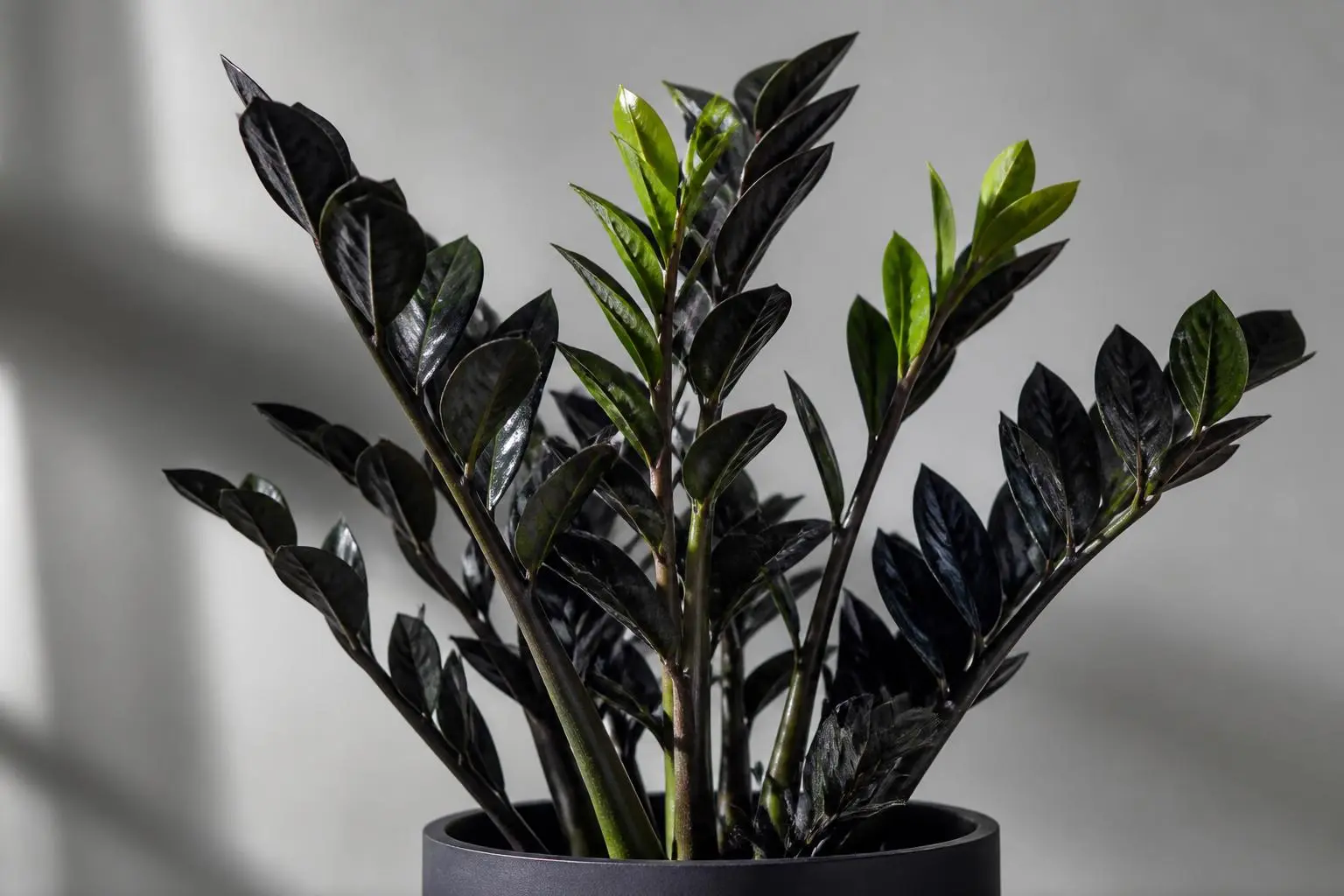 Raven
Raven 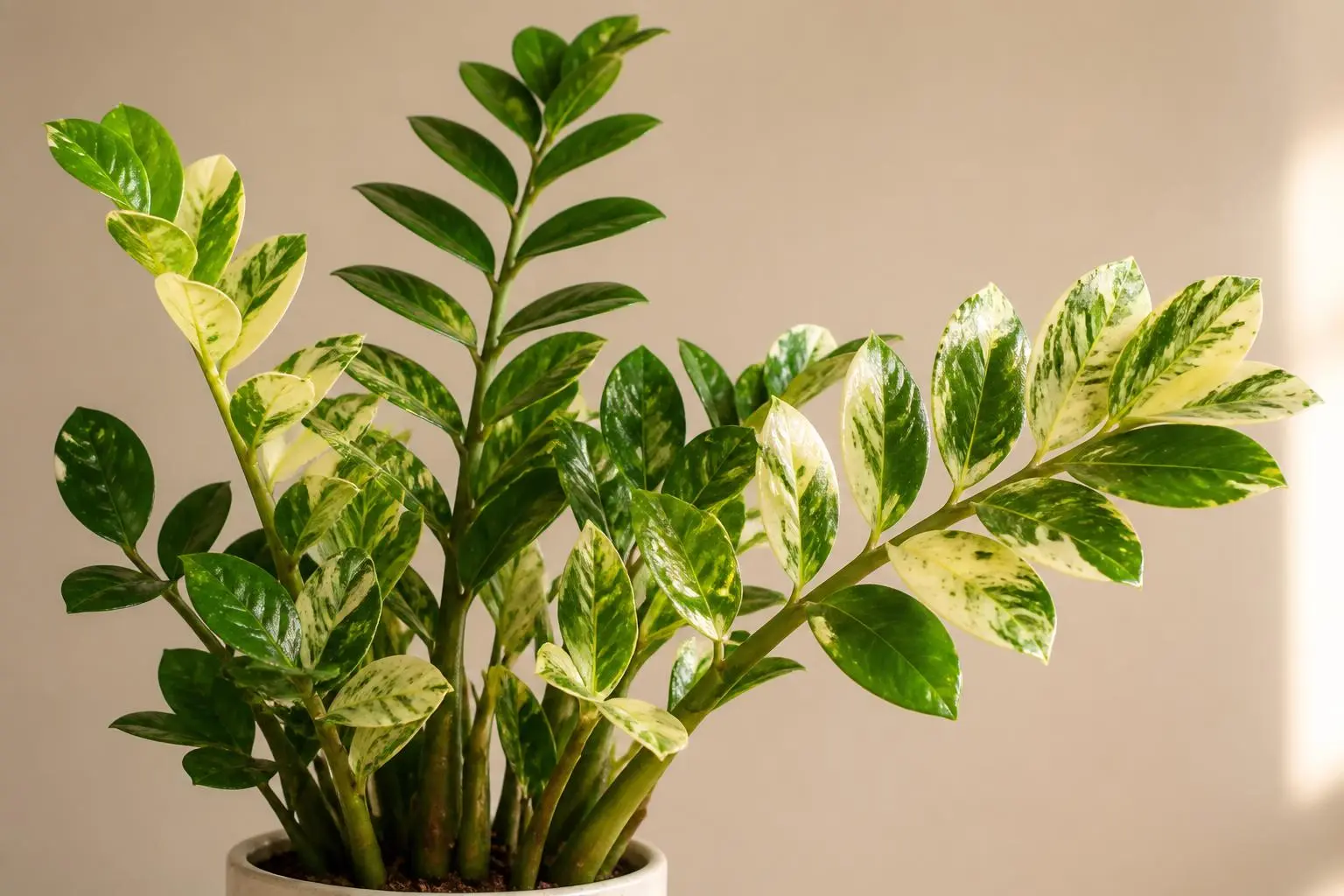 Variegated
 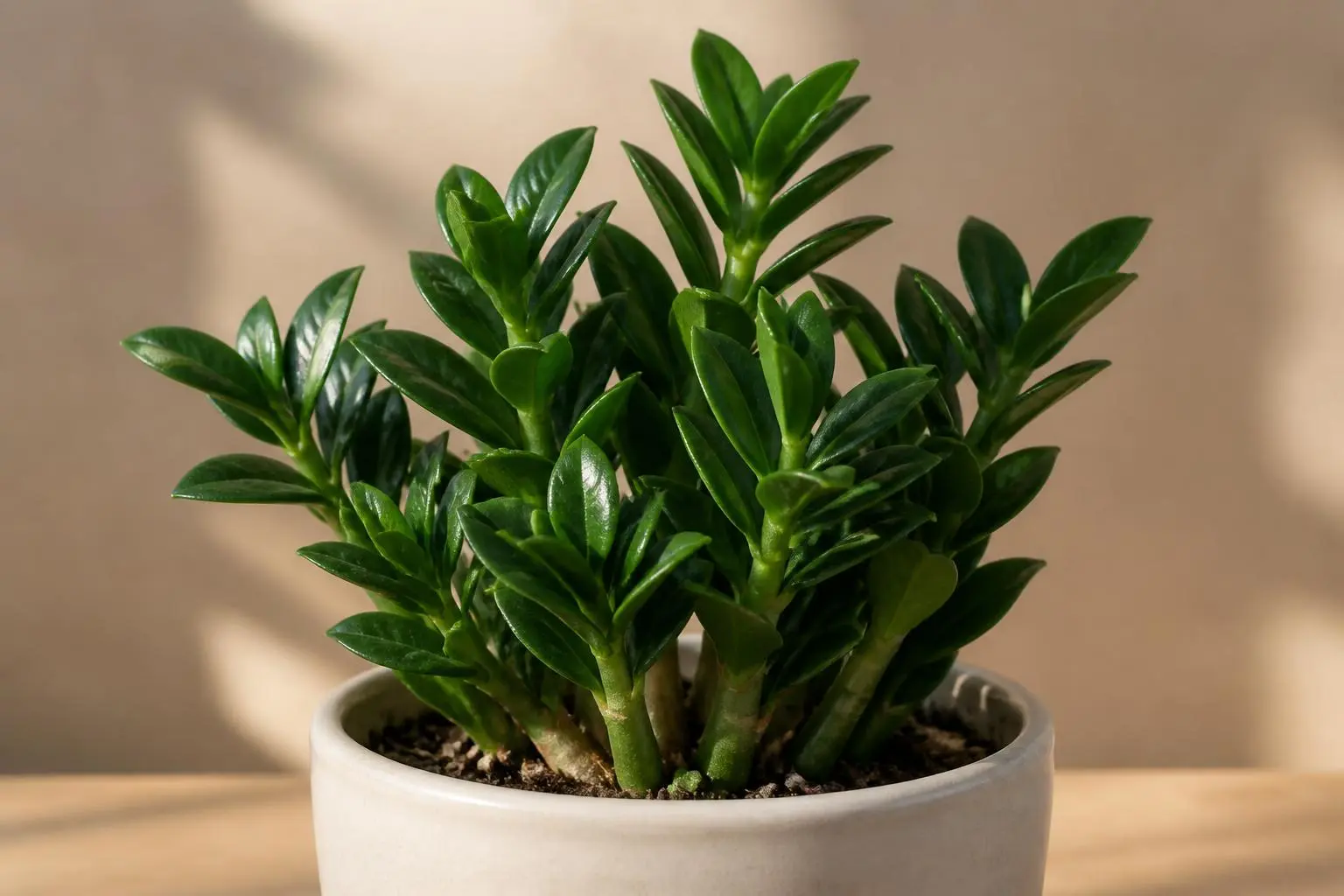 Zenzi
Zenzi Compare Varieties
Explore different cultivars side-by-side and find the best match for your space.
Browse all varieties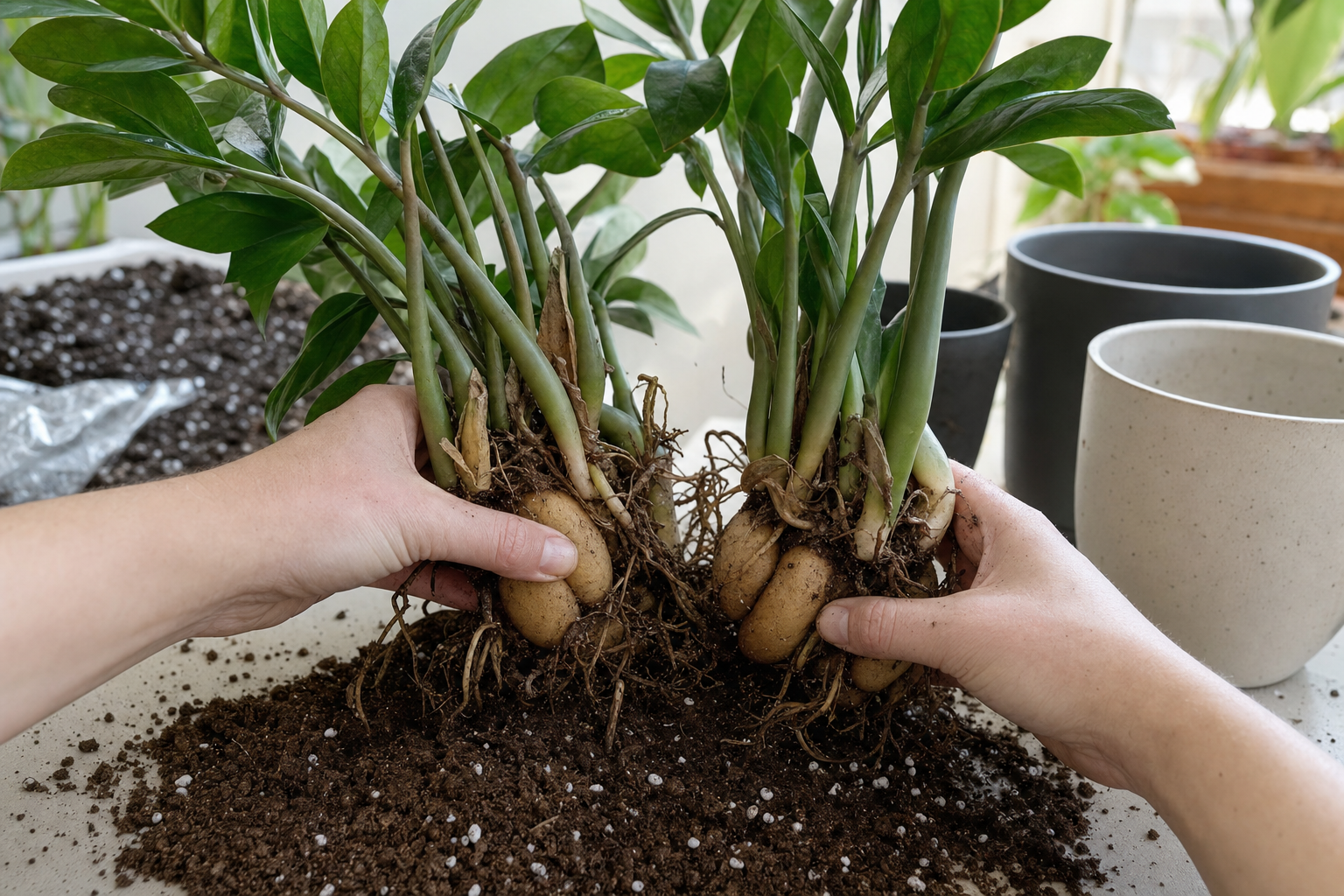
Propagation Guide
Step-by-step instructions for multiplying your plant collection.
Learn how to propagateFrequently Asked Questions
How often should I water my ZZ plant?
Why are my ZZ plant leaves turning yellow?
What causes brown spots on ZZ plant leaves?
Can ZZ plants survive in low light?
Is the ZZ plant toxic to cats and dogs?
How do I propagate a ZZ plant?
What are the thick bulb-like things in the soil of my ZZ plant?
Can ZZ plants tolerate cold temperatures?
Common Problems
Why Are My Plant Leaves Turning Yellow?
Yellowing leaves are one of the most common houseplant problems. The good news is that most causes are easy to identify and fix once you know what to look for.
Read diagnosis guideHow to Fix an Overwatered Plant
Overwatering kills more houseplants than any other cause. The tricky part? The symptoms — yellowing, wilting, drooping — look just like underwatering. Here's how to tell the difference and fix it.
Read diagnosis guideReferences
- [1] Royal Horticultural Society. Zamioculcas zamiifolia
- [2] ASPCA. Zamioculcas zamiifolia Toxicity
- [3] University of Connecticut Extension. ZZ Plant — Indoor Care and Culture
- [4] NASA Clean Air Study. Interior Landscape Plants for Indoor Air Pollution Abatement
Similar Plants
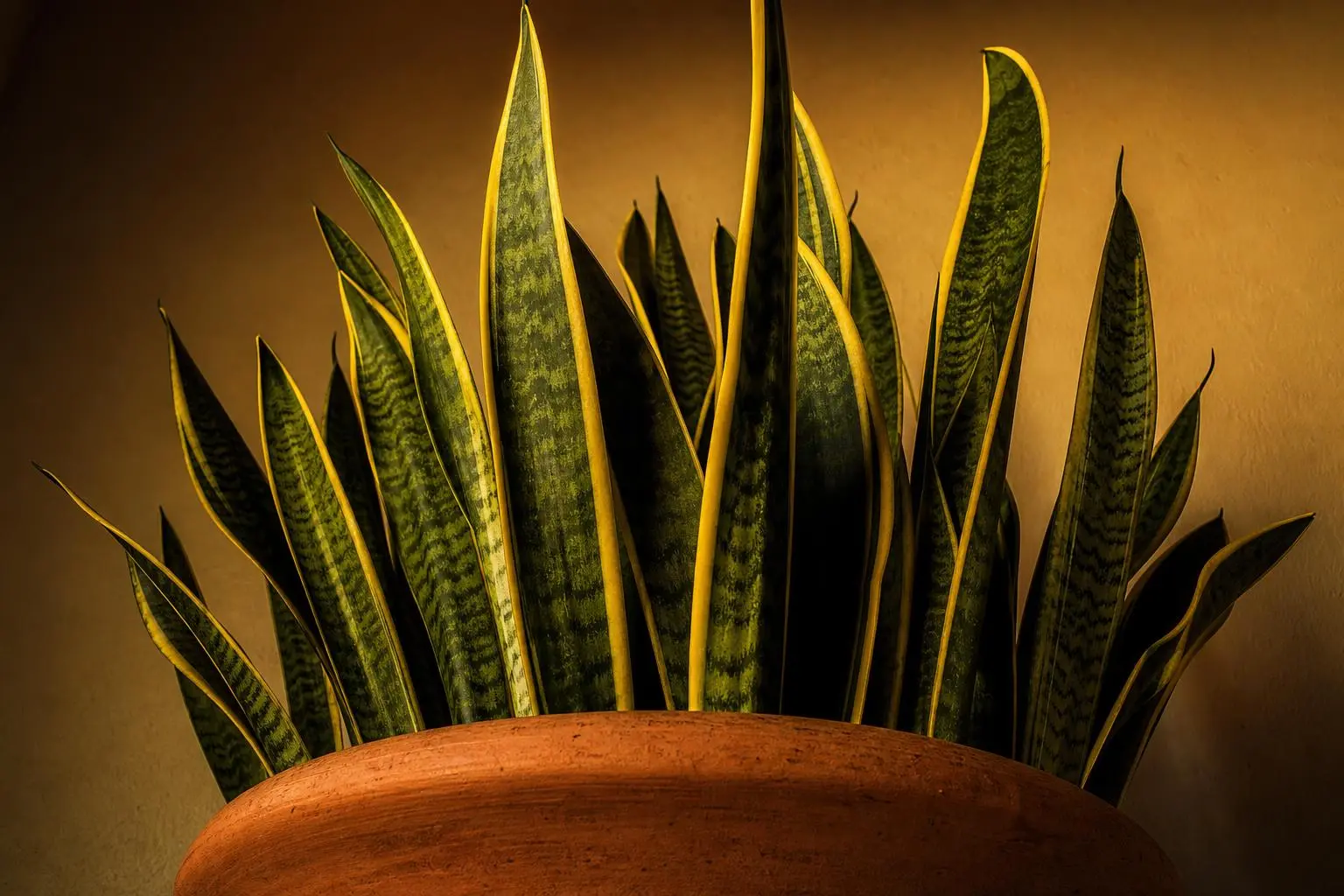
Snake Plant
Dracaena trifasciata
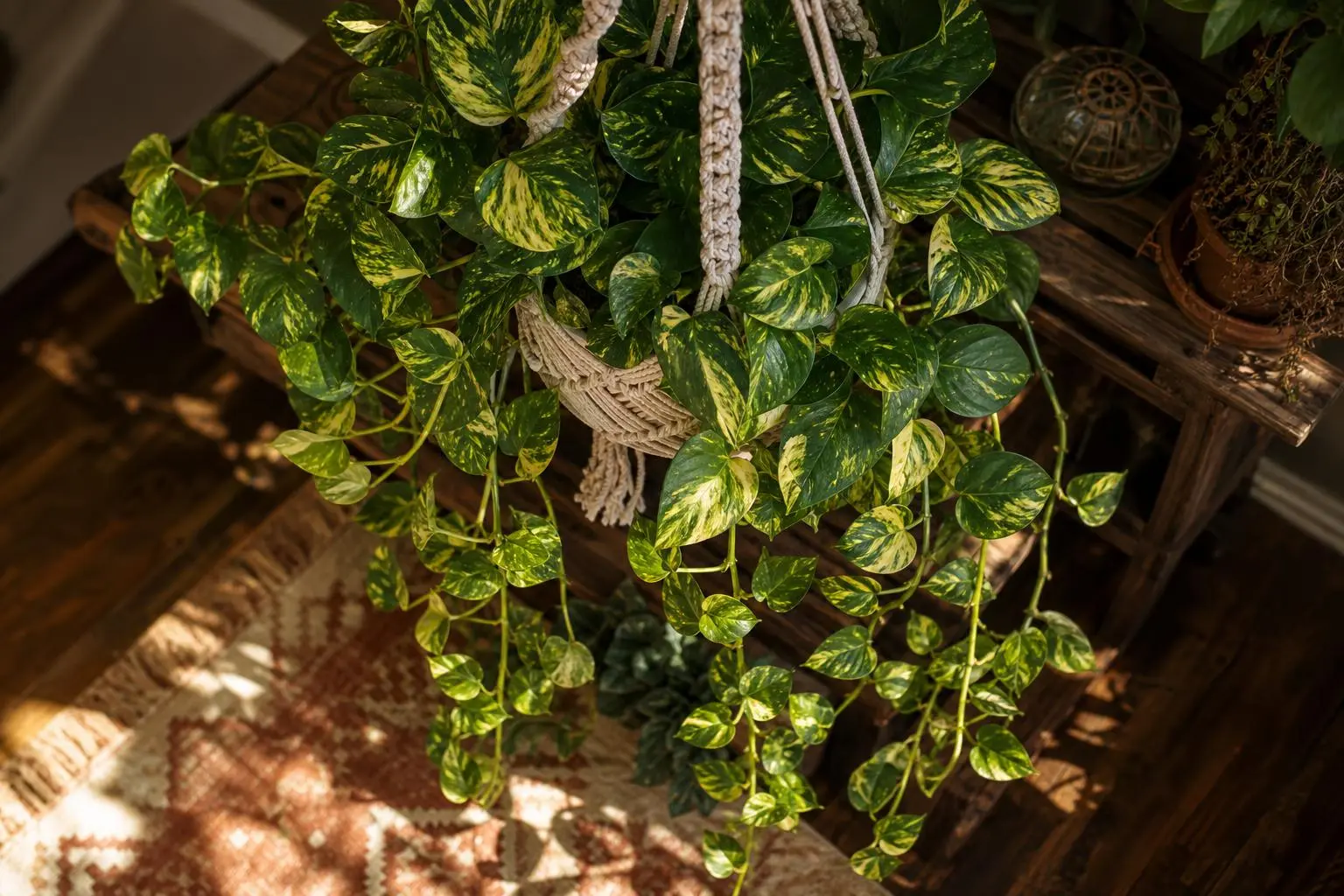
Pothos
Epipremnum aureum
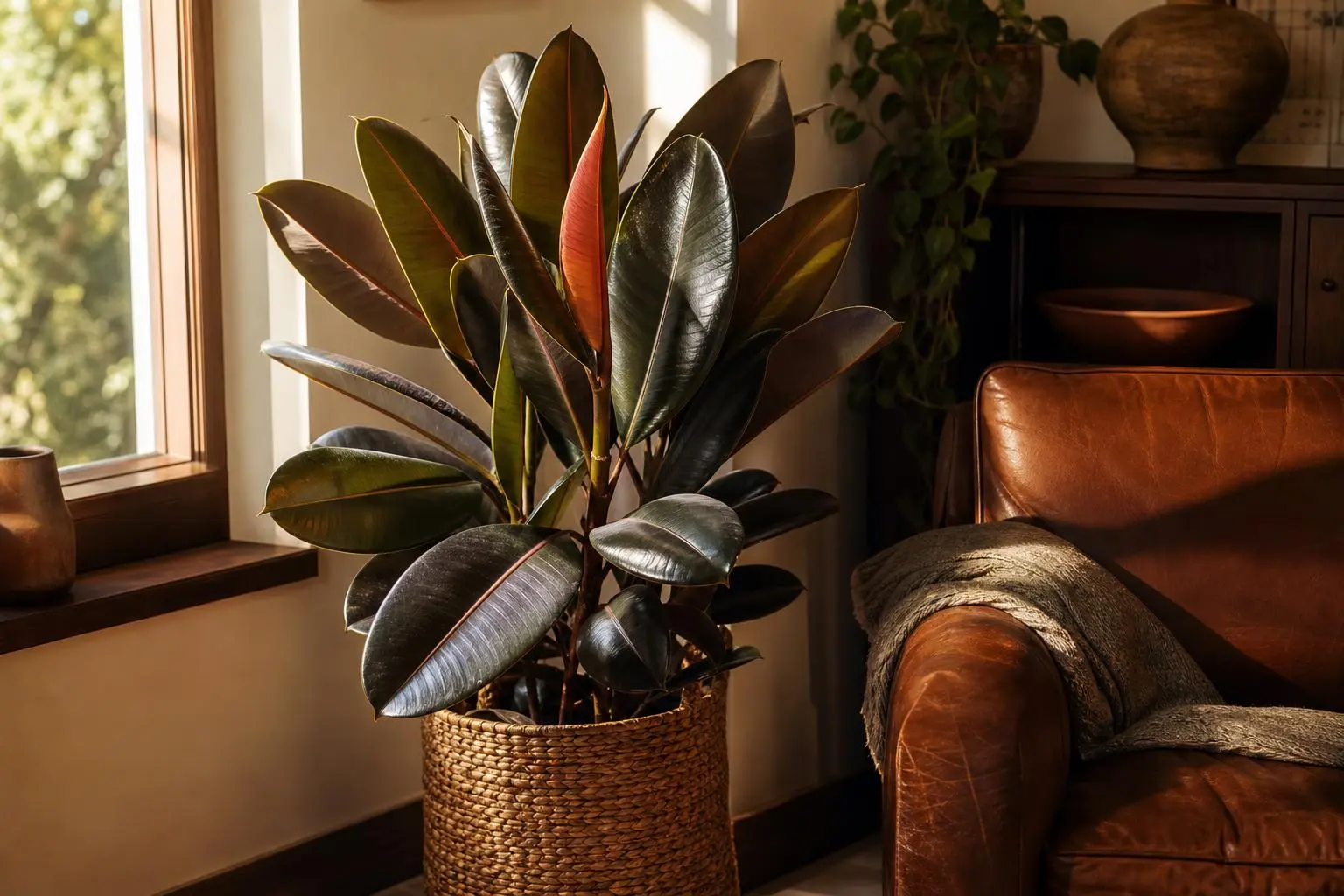
Rubber Plant
Ficus elastica