
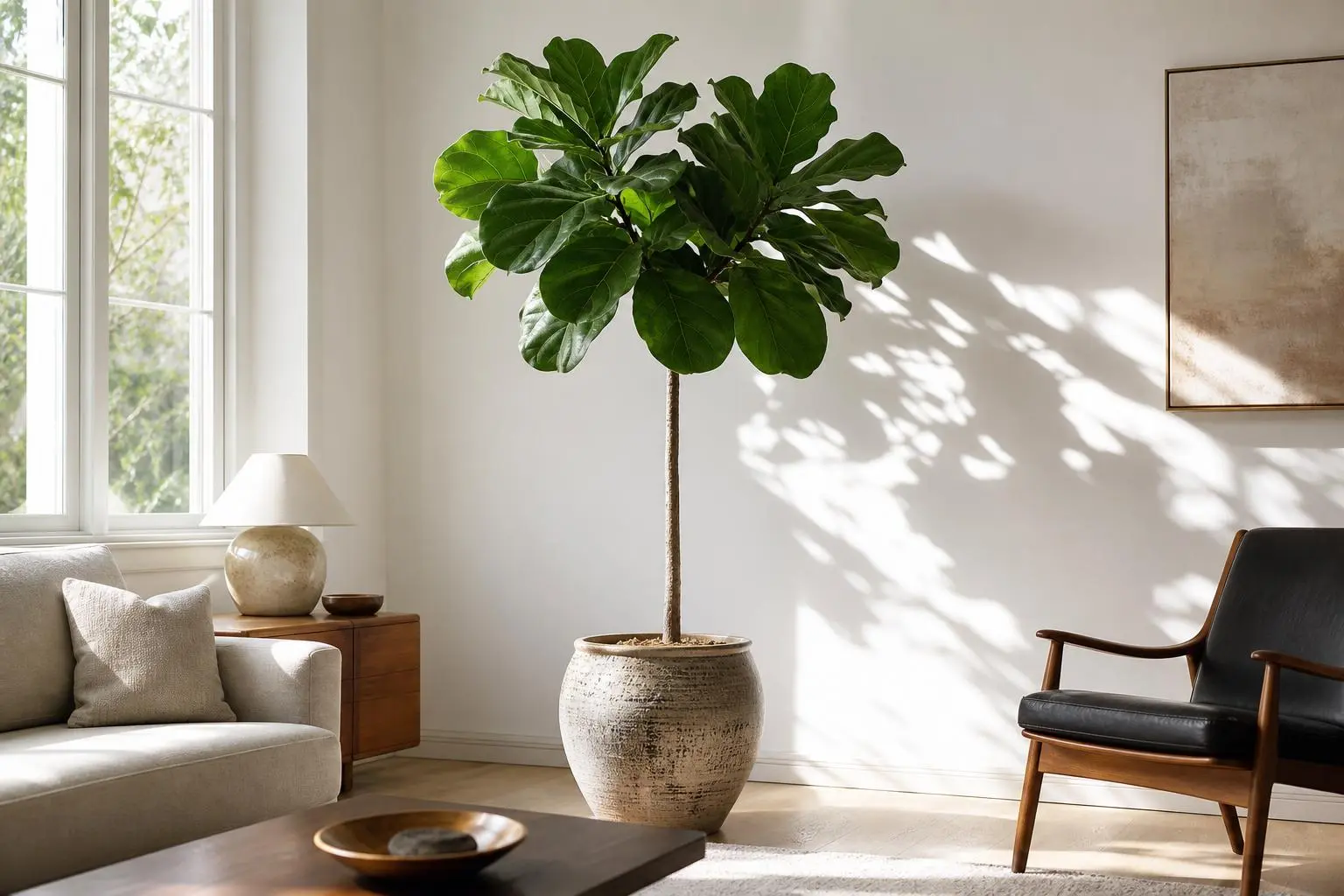
Fiddle Leaf Fig
Ficus lyrata
Also known as: Fiddle-Leaf Fig, Banjo Fig, Lyre-Leaf Fig
Last updated: Sep 10, 2026
Bright indirect light; avoid direct midday sun
When top 2 inches of soil are dry; typically every 7–10 days
50–65%
65–75°F (18–24°C)
Well-draining potting mix with peat, perlite, and bark
High-nitrogen liquid fertilizer monthly in spring/summer
Intermediate
Toxic to pets
Toxic to Pets
The sap contains ficin which can cause skin and gastrointestinal irritation. Ingestion may cause drooling, vomiting, or oral irritation in pets. Wear gloves when pruning.
Source: ASPCA Toxic Plant List
Seasonal Care Calendar
| Season | Watering | Fertilizer | Notes |
|---|---|---|---|
| Spring | Every 7–10 days | Start monthly high-nitrogen feeding | Best time to repot, prune, or notch for branching. Resume regular watering and fertilizing schedule. |
| Summer | Every 7–10 days | Monthly feeding | Active growth period. Can move outdoors gradually to a sheltered, shaded spot. Monitor for pests, especially spider mites in hot dry conditions. |
| Fall | Every 10–14 days | Reduce to every 6–8 weeks, stop by late fall | Growth slows. Reduce watering frequency. Do not move the plant or repot. Prepare for winter dormancy. |
| Winter | Every 10–14 days | None | Dormant period. Keep away from cold drafts and heating vents. Run a humidifier to combat dry indoor air. Expect some lower leaf drop — this is normal. |
Detailed Care Guide
Everything you need to know to keep your Fiddle Leaf Fig thriving.
Light Requirements
Fiddle leaf figs demand bright, indirect light to thrive. In their native West African habitat, they grow as understory trees that receive filtered sunlight through the canopy above. Indoors, this translates to a spot near a large east-, south-, or west-facing window where the plant receives several hours of bright ambient light without harsh direct rays hitting the leaves.
Direct midday and afternoon sun will scorch the leaves, causing brown sunburn patches that are irreversible. A few hours of gentle morning sun is fine and even beneficial, but avoid any direct exposure during the peak hours of 11 AM to 3 PM. If your only option is a south-facing window, use a sheer curtain to diffuse the light.
Insufficient light is equally problematic. In low light, the plant will drop lower leaves, grow slowly, and produce smaller, paler new foliage that fails to develop the characteristic fiddle shape. The plant may also lean dramatically toward the light source. Rotate the pot a quarter turn each week to promote even growth and prevent a lopsided shape.
If natural light is limited, a full-spectrum grow light positioned 12–18 inches above the plant for 12–14 hours a day can supplement. Fiddle leaf figs are stubborn about light — moving them to a darker spot, even temporarily, often triggers leaf drop within days.

Watering
Getting the watering right is the single biggest challenge for fiddle leaf fig owners. These plants despise both overwatering and inconsistent watering — and they will let you know with dramatic leaf drop, brown spots, or yellowing.
Water when the top 2 inches of soil feel dry to the touch. In practice, this usually means every 7–10 days during the growing season and every 10–14 days in winter. But never water on a fixed schedule — always check the soil first. Factors like pot size, humidity, temperature, and how root-bound the plant is all affect how quickly the soil dries.
When you water, do it thoroughly. Slowly pour water around the entire root ball until it runs freely from the drainage holes. Dump any water that collects in the saucer or cache pot after 15 minutes — fiddle leaf figs sitting in water will develop root rot, which is often fatal. Use room-temperature water; cold water shocks the roots.
Consistency is critical. These plants respond badly to alternating between bone-dry and soaking-wet conditions. The stress from inconsistent moisture causes small brown spots edged in yellow to appear on the leaves — a different pattern from the dark, spreading spots caused by root rot. If you travel frequently, consider a self-watering system or a trusted plant sitter, because even a single missed watering at the wrong time can trigger leaf drop.

Humidity
Fiddle leaf figs prefer humidity between 50–65%, which is higher than the average home environment (typically 30–50%). While they can tolerate normal indoor humidity for a while, prolonged dry air will cause the leaf edges to turn brown and crispy, and new leaves may emerge with ragged or damaged edges.
The most effective solution is a humidifier placed within 3–4 feet of the plant. This provides consistent, reliable humidity without the drawbacks of other methods. A cool-mist humidifier running on a low setting during dry winter months makes a noticeable difference.
A pebble tray is a decent alternative for smaller plants. Fill a wide tray with pebbles and water, making sure the pot sits on the pebbles above the water line. As the water evaporates, it creates a localized humidity pocket around the plant. Grouping plants together also helps by creating a shared microclimate.
Misting is popular but largely ineffective — the water evaporates in minutes and does not meaningfully raise ambient humidity. Worse, misting in the evening or in poorly ventilated spaces can promote fungal and bacterial leaf spot diseases, which fiddle leaf figs are already prone to. If you mist, do it in the morning so leaves dry quickly. Brown velvety spots on the leaves are often a sign of fungal issues exacerbated by excess moisture on the leaf surface.
Temperature
Fiddle leaf figs are happiest between 65–75°F (18–24°C), which aligns well with typical indoor temperatures. They are, however, extremely sensitive to cold drafts and sudden temperature changes — more so than most houseplants. Even a brief exposure to temperatures below 50°F (10°C) can cause leaves to drop or develop cold damage (dark, water-soaked patches).
Drafts are the enemy. Avoid placing your fiddle leaf fig near air conditioning vents, exterior doors that open frequently in winter, poorly insulated windows, or any spot where cold air blows directly on the plant. Similarly, keep it away from radiators, heating vents, and fireplaces — hot, dry air causes leaf crisping and stress. The ideal location is a stable-temperature room away from all sources of hot or cold air.
If you move your plant outdoors for the summer, acclimate it gradually over 1–2 weeks, increasing outdoor time each day. Bring it back inside when nighttime temperatures drop below 55°F. Never leave a fiddle leaf fig outside when frost is possible — even a single freezing night will kill it.
One often-overlooked factor: fiddle leaf figs hate being moved to a different room or even a different spot in the same room. The change in temperature, light, and airflow often triggers a tantrum of leaf drop. Find a good spot and leave it there.
Soil
Fiddle leaf figs need well-draining soil that retains some moisture without staying soggy. In their native West African rainforest, they grow in loose, organic material that drains quickly after rain. Replicating this environment is key to preventing root rot.
The ideal mix is 1 part peat-based potting soil + 1 part perlite + 1 part fine orchid bark or coco coir chips. This combination provides moisture retention from the peat, aeration and drainage from the perlite, and chunky structure from the bark that prevents compaction. Adding a handful of horticultural charcoal helps absorb impurities and further prevents root rot.
A simpler alternative is 2 parts potting soil + 1 part perlite. This works but doesn't drain as well as the full mix. If you tend to overwater, lean heavier on the perlite (even 1:1 soil to perlite). The pH should be slightly acidic to neutral, around 6.0–6.5.
Never use garden soil or topsoil in a pot — it compacts, suffocates roots, and holds far too much water. Avoid heavy, moisture-retaining "moisture control" potting mixes as well. Fiddle leaf figs in dense, poorly draining soil will almost inevitably develop root rot, which manifests as dark brown spots on leaves, mushy stems at the soil line, and a foul smell from the soil.
Fertilizer
Fiddle leaf figs are moderate feeders that benefit from regular fertilization during the growing season. Use a high-nitrogen liquid fertilizer (NPK 3-1-2 ratio is ideal) diluted to half strength, applied once a month from spring through early fall. Nitrogen supports the large, leafy growth that makes this plant so desirable.
If you prefer organic options, worm castings top-dressed on the soil surface every 6–8 weeks provide a gentle, slow-release nitrogen source. Fish emulsion diluted to half strength also works, though the odor may be off-putting for indoor use. Slow-release granular fertilizer (like Osmocote) mixed into the top inch of soil at the start of spring can provide steady nutrition for 3–4 months.
Stop fertilizing entirely from late fall through winter when growth slows. Fertilizing a dormant plant forces nutrient salts to accumulate in the soil, which can burn the roots and cause brown, crispy leaf edges. If you notice a white crust on the soil surface or around the drainage holes, that's salt buildup — flush the soil thoroughly with water next time you water to leach out excess minerals.
Over-fertilizing is more dangerous than under-fertilizing. Signs include brown leaf tips, curling leaves, and a white or yellowish crust on the soil. When in doubt, fertilize less rather than more.
Repotting
Repot your fiddle leaf fig every 1–2 years when young, and every 2–3 years once mature. The best time is in spring or early summer when the plant is actively growing and can recover from root disturbance quickly. Signs it needs repotting include roots growing out of the drainage holes, water running straight through the pot without absorbing, and slowed growth despite proper care.
Choose a pot only 2–3 inches larger in diameter than the current one. Going too large is a common mistake — excess soil stays wet too long and practically invites root rot. Always use a pot with drainage holes; decorative cache pots without holes are fine as an outer layer, but the inner pot must drain.
To repot: water the plant a day before to make root ball removal easier. Gently slide it out — fiddle leaf figs can be top-heavy, so support the base of the trunk with one hand. Loosen circling roots gently with your fingers and trim any black, mushy, or foul-smelling roots with sterilized scissors. Place fresh soil mix in the new pot, position the plant at the same depth it was before (do not bury the trunk deeper), and fill in around the sides. Water thoroughly and keep the plant in a slightly shadier spot for a week to reduce transplant shock.
Expect some leaf drop after repotting — it's normal. The plant is adjusting to root disturbance and a new soil environment. Do not fertilize for at least a month after repotting.
Pruning & Notching
Pruning and notching are essential techniques for shaping fiddle leaf figs and encouraging the branching that turns a single-trunk pole into a full, bushy tree. Without intervention, most fiddle leaf figs grow as a single vertical trunk with leaves only at the top — attractive but not always the look you want.
PruningTo encourage branching, cut the main stem at the desired height using clean, sharp pruning shears. Cut just above a node (the small bump where a leaf attaches). Within a few weeks, one or two new branches will emerge from nodes just below the cut. The best time to prune is in spring or early summer when the plant has the energy to push new growth. Always wear gloves — the sap is a mild skin irritant and can stain clothing.
NotchingA less dramatic alternative to pruning that can also trigger branching. Use a clean, sharp knife to make a small diagonal cut about one-third of the way through the stem, just above a node where you want a branch to grow. Do not cut all the way through. The plant responds by redirecting growth hormones to that node. Notching has about a 50–70% success rate — not every notch produces a branch.
General maintenance pruningRemove any dead, damaged, or diseased leaves by cutting the leaf stem close to the trunk. Remove lower leaves that have yellowed and dropped on their own — this is natural as the plant matures. Clean your tools with rubbing alcohol between cuts to prevent spreading disease.
Our Experience
The biggest game-changer for me was stopping the habit of moving my fiddle leaf fig around. I used to rotate it between rooms trying to find the "perfect spot," and it dropped leaves every single time. Once I committed to one location — a spot near a large east-facing window — and left it there permanently, the leaf drop stopped within two weeks and new growth started pushing out within a month.
— Grown indoors in USDA Zone 8a, east-facing window, year-round
Brown spots were killing my plant until I realized I was overwatering and the pot had no drainage. I repotted into a well-draining mix with lots of perlite and a pot with proper drainage holes, and cut way back on watering. The existing brown spots don't heal, but no new ones appeared after the switch. I also started using a moisture meter — it costs ten dollars and takes the guesswork out completely.
— Overwatering recovery, switched from decorative pot to terracotta with drainage
I notched my single-trunk fiddle leaf fig in three places in early spring using a clean craft knife, and two of the three notches produced branches within six weeks. The key was making the cut about a third of the way through the stem just above a node, and being patient — the branches didn't emerge until I'd almost given up hope. The third notch never branched, which I understand is normal.
— Notching for branching on a 5-foot single-trunk plant, early spring, bright indirect light
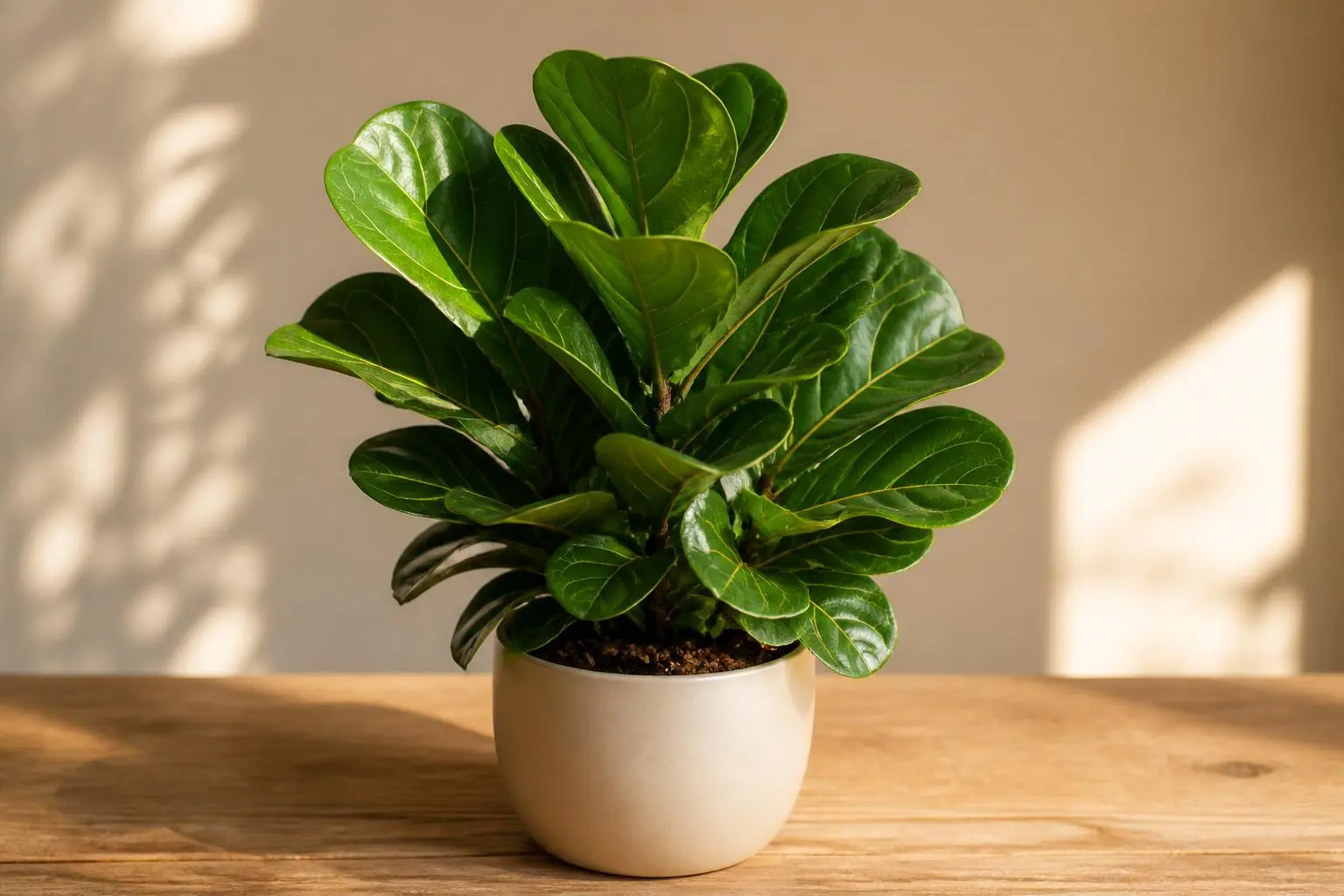 Bambino
 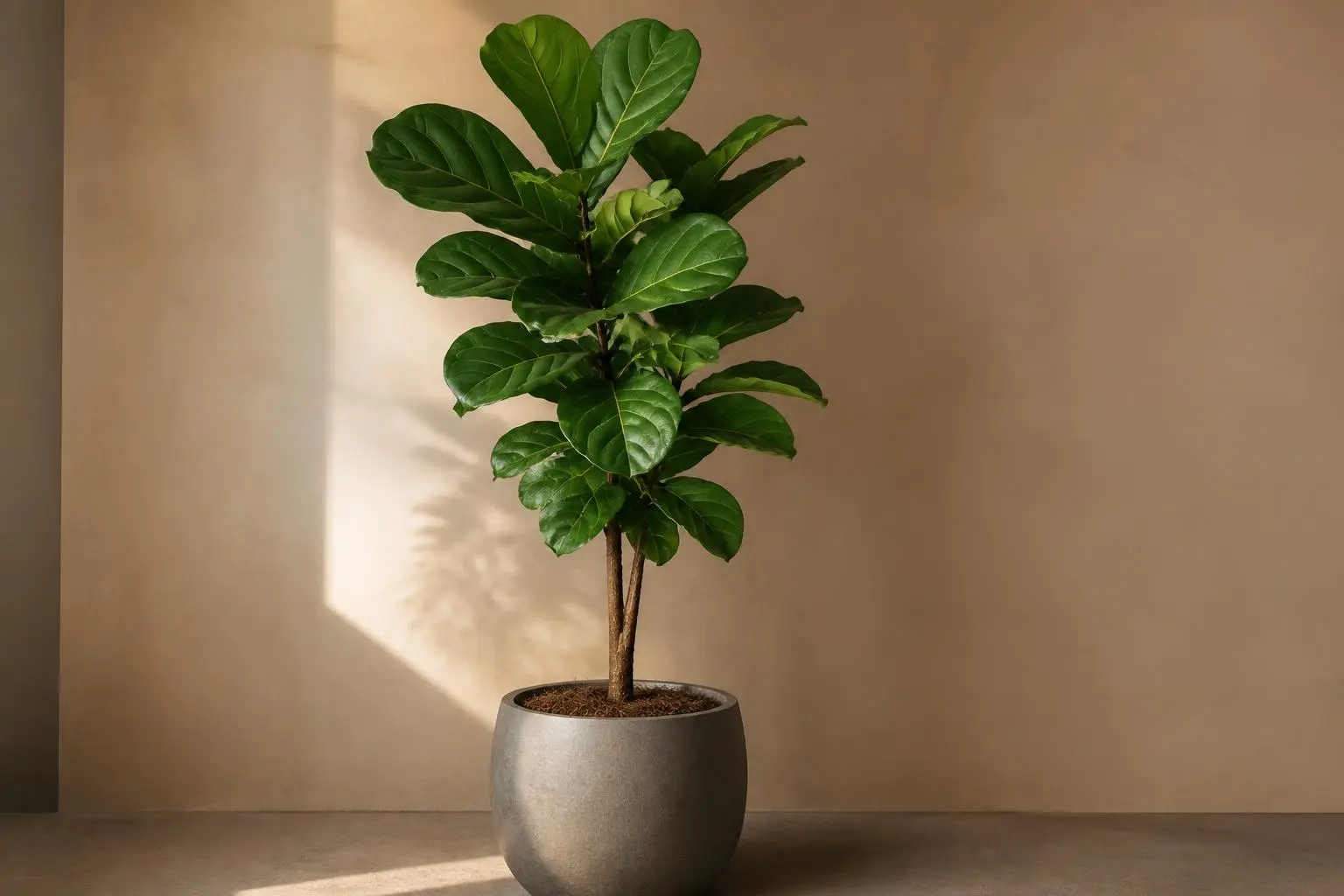 Standard
 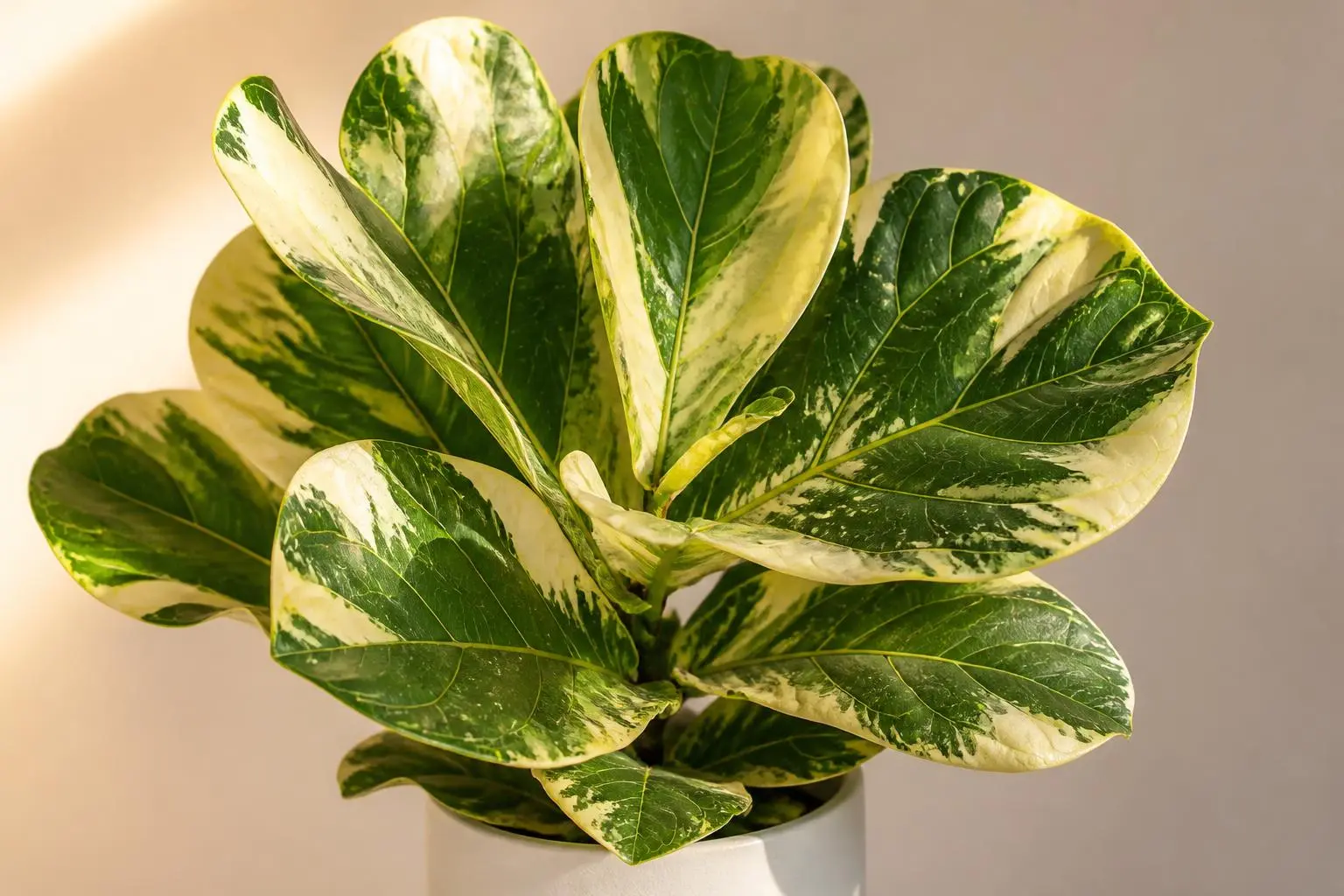 Variegated
 Compare Varieties
Explore different cultivars side-by-side and find the best match for your space.
Browse all varieties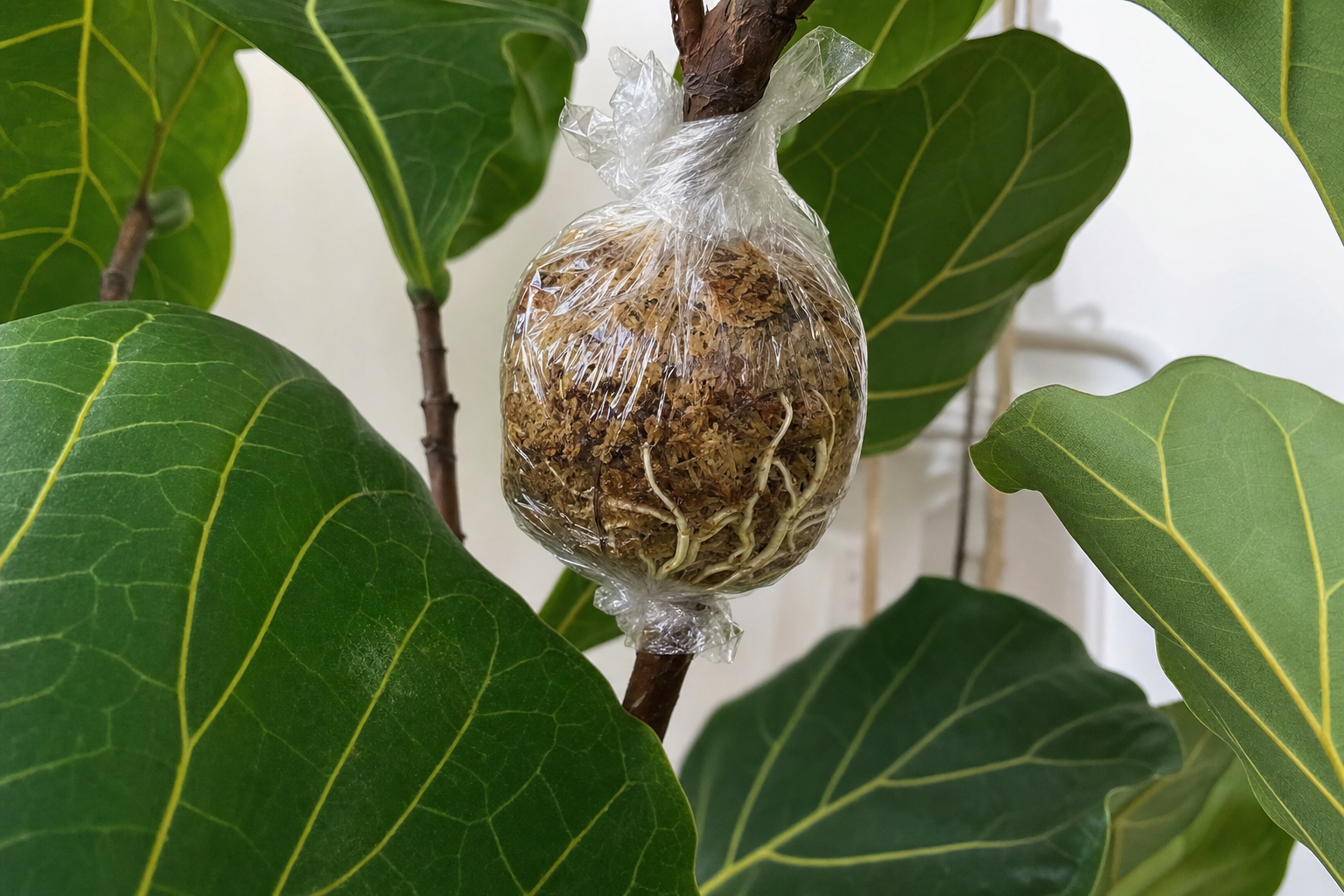
Propagation Guide
Step-by-step instructions for multiplying your plant collection.
Learn how to propagateFrequently Asked Questions
Why does my fiddle leaf fig have brown spots on the leaves?
Why is my fiddle leaf fig dropping leaves?
How do I know if my fiddle leaf fig has root rot?
How often should I water my fiddle leaf fig?
Does my fiddle leaf fig need direct sunlight?
How do I encourage my fiddle leaf fig to branch?
Can my fiddle leaf fig recover from cold damage?
What humidity level does my fiddle leaf fig need?
Common Problems
Why Are My Plant Leaves Turning Yellow?
Yellowing leaves are one of the most common houseplant problems. The good news is that most causes are easy to identify and fix once you know what to look for.
Read diagnosis guideHow to Fix an Overwatered Plant
Overwatering kills more houseplants than any other cause. The tricky part? The symptoms — yellowing, wilting, drooping — look just like underwatering. Here's how to tell the difference and fix it.
Read diagnosis guideReferences
- [1] Royal Horticultural Society. Ficus lyrata
- [2] ASPCA. Ficus lyrata Toxicity
- [3] University of Florida IFAS Extension. Ficus lyrata — Fiddle-Leaf Fig
- [4] Missouri Botanical Garden. Ficus lyrata Plant Finder
Similar Plants
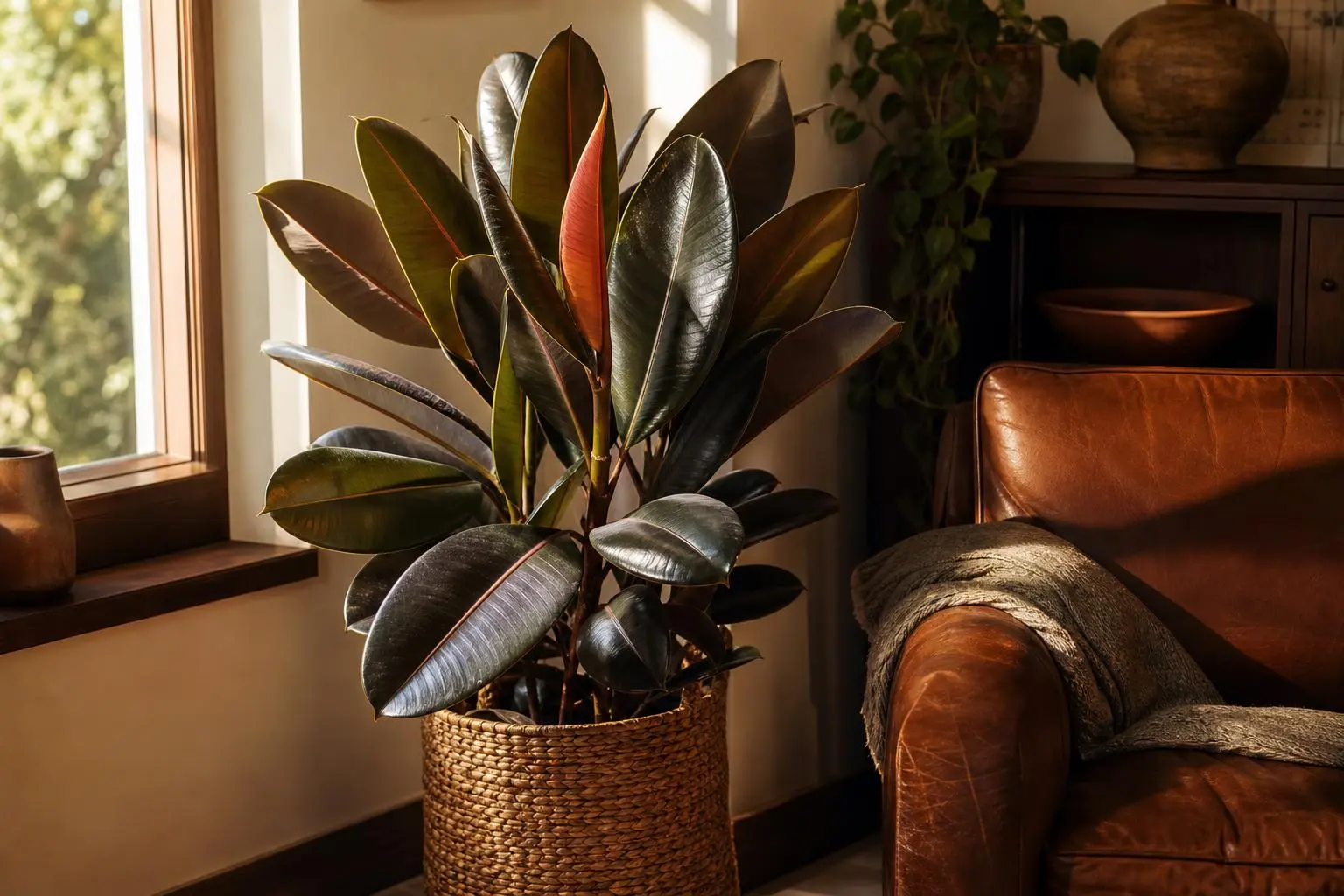
Rubber Plant
Ficus elastica
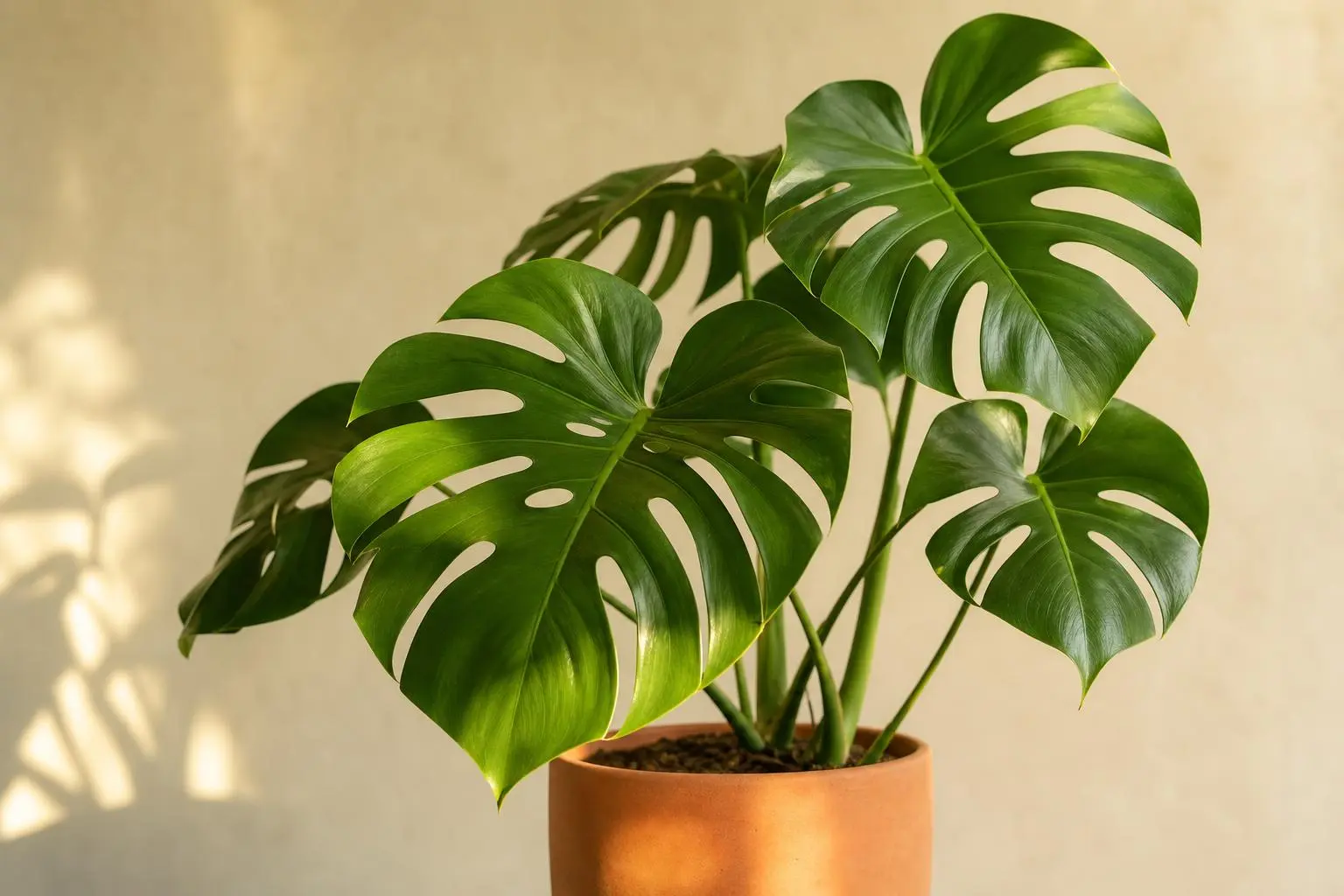
Monstera Deliciosa
Monstera deliciosa
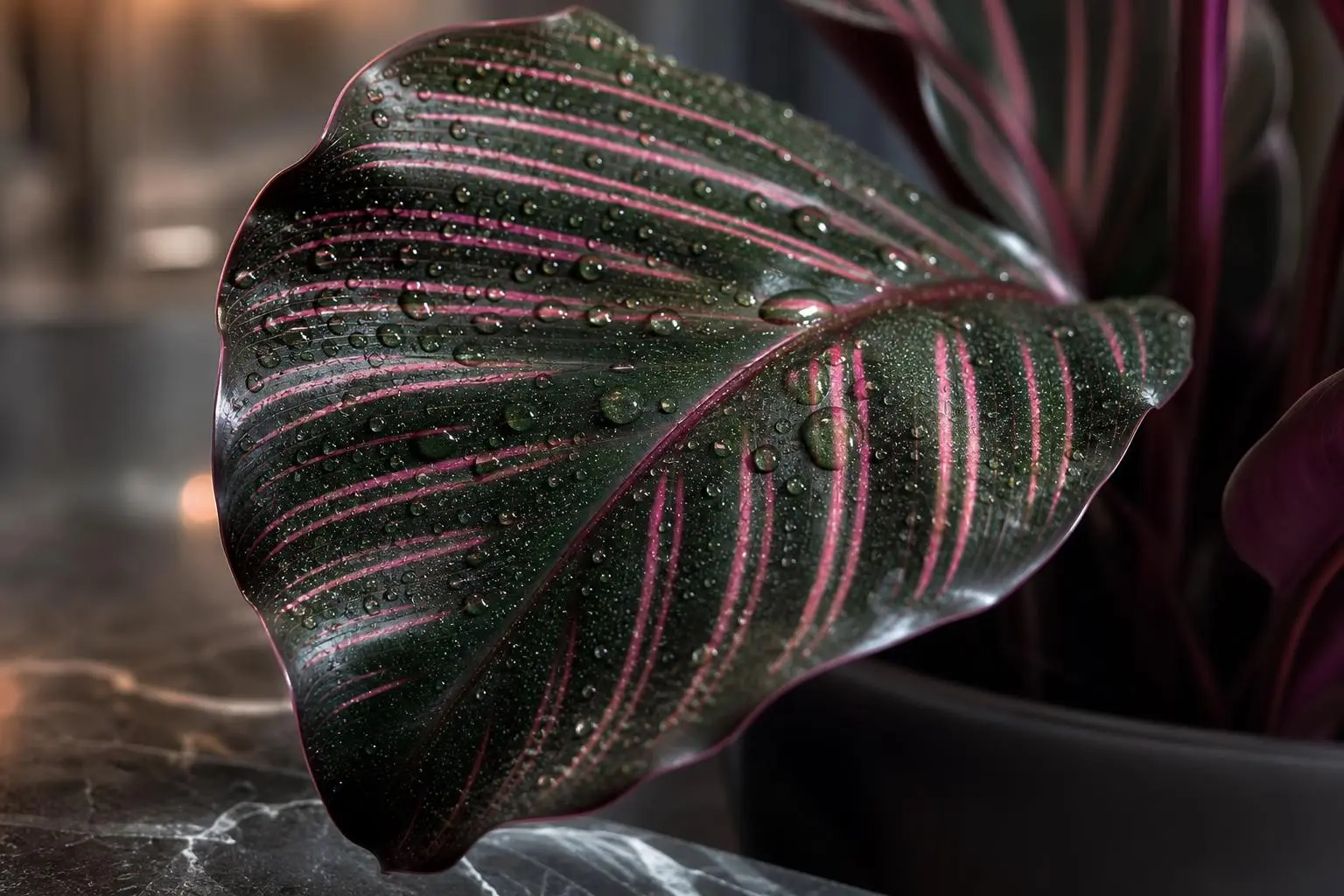
Calathea
Calathea ornata