
How to Fix an Overwatered Plant
Last updated: Sep 10, 2026
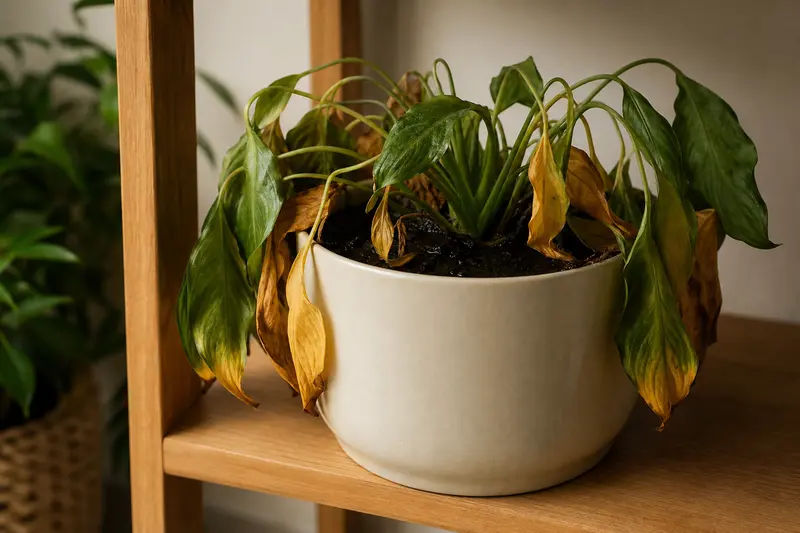
Overwatering kills more houseplants than any other cause. The tricky part? The symptoms — yellowing, wilting, drooping — look just like underwatering. Here's how to tell the difference and fix it.
Causes
Watering Too Frequently
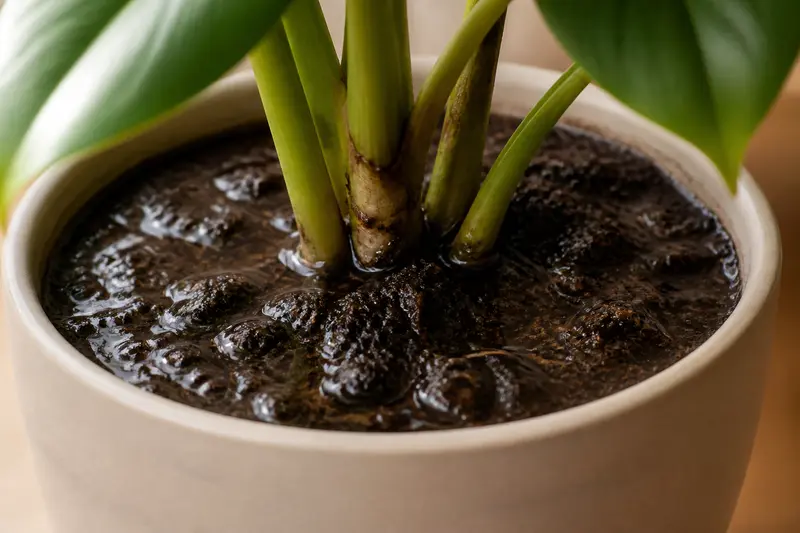
Most houseplants prefer to dry out slightly between waterings. When you water on a fixed schedule — every Monday, for instance — instead of checking the soil, you risk keeping the root zone constantly saturated. Roots need oxygen as much as they need water; perpetually wet soil suffocates them, creating the perfect environment for fungal pathogens that cause root rot [1].
How to identify: Soil is consistently wet, you water on a fixed schedule
Poor Drainage
Even if you water correctly, pots without drainage holes or soil that compacts over time will trap excess water at the bottom. This creates a "perched water table" where the lower portion of the pot stays permanently soggy. Decorative cache pots without drainage are a common culprit — water pools unseen beneath the nursery pot, slowly rotting the roots [2].
How to identify: Water pools on top of soil, pot has no drainage holes
Pot Too Large
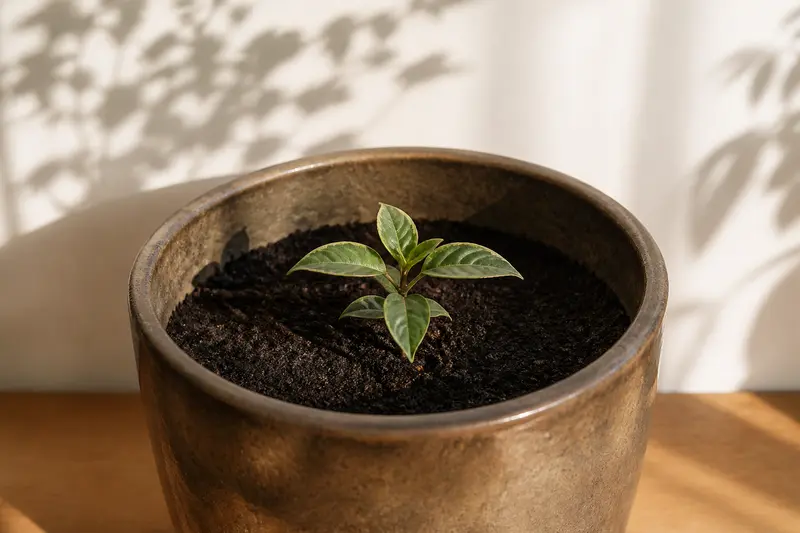
A pot that's significantly larger than the root ball holds excess soil that retains moisture far beyond what the plant can absorb. The extra soil acts like a sponge that stays wet for weeks, especially in low-light conditions where evaporation is slow. As a rule of thumb, when repotting, choose a container only 1–2 inches wider in diameter than the current one [3].
How to identify: Plant is small relative to pot size, soil stays wet for over a week
Step-by-Step Solutions
- 1
Stop watering immediately
Let the soil dry out completely before watering again. This may take 1–2 weeks depending on the plant, pot size, and light conditions. For severely waterlogged plants, you can speed up drying by tipping the pot sideways to drain excess water and placing it in a well-ventilated spot with good airflow.
- 2
Check for root rot
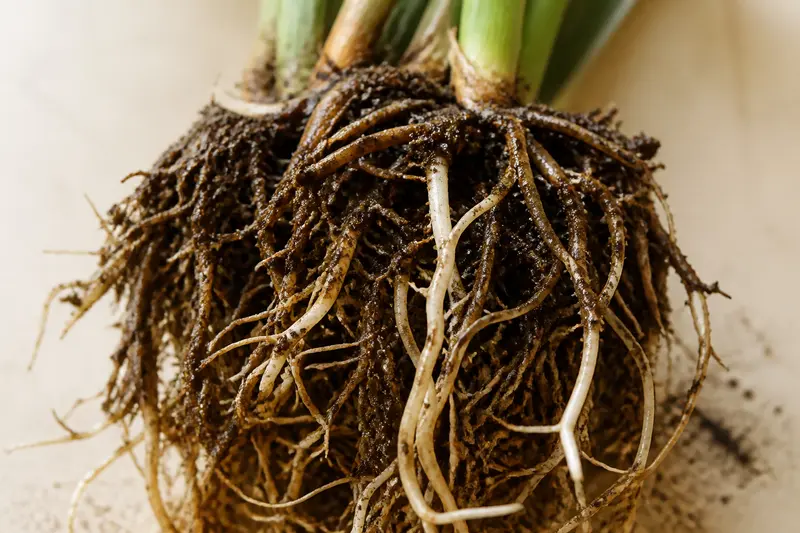
Gently slide the plant out of its pot and inspect the roots. Healthy roots are firm, white, or light tan. Rotting roots are mushy, brown, or black, and often have a foul odor. If more than half the root system is mushy, the plant may be too far gone — but it's still worth trying to save. Shake off the wet soil carefully so you can see the full root mass [1].
- 3
Trim damaged roots
Use clean, sterilized scissors or pruning shears to cut away all soft, brown, or smelly roots. Cut back to firm, healthy tissue — leaving even a small section of rot can spread the infection. After trimming, rinse the remaining roots under lukewarm water to remove any lingering debris, and let them air-dry for an hour before repotting.
- 4
Repot with fresh soil
Discard the old soil — it's likely harboring fungal pathogens. Repot into fresh, well-draining potting mix (add perlite or orchid bark for extra drainage). Choose a pot with drainage holes that's only slightly larger than the remaining root ball. Terracotta pots are ideal for overwatering-prone plants because they wick moisture through their walls [2].
- 5
Adjust your watering routine
Going forward, never water on a schedule. Instead, check soil moisture before every watering by sticking your finger 1–2 inches into the soil. If it feels moist, wait another few days. Most houseplants prefer to dry out between waterings — a moisture meter can help take the guesswork out if you're unsure. Reduce watering frequency in winter when growth slows [3].
- 6
Monitor recovery over 2–4 weeks
After repotting, place the plant in bright indirect light and resist the urge to water. New growth is the best sign of recovery — look for fresh leaves or stems emerging. Some older leaves may still yellow and drop as the plant redirects energy; this is normal. Avoid fertilizing until you see active new growth, as stressed roots can't absorb nutrients efficiently.
Our Experience with Overwatered Plants
We've rescued dozens of overwatered plants over the years, and the single biggest lesson is this: when in doubt, wait another day. Almost no houseplant will die from being slightly underwatered for a day, but overwatering can kill in a week.
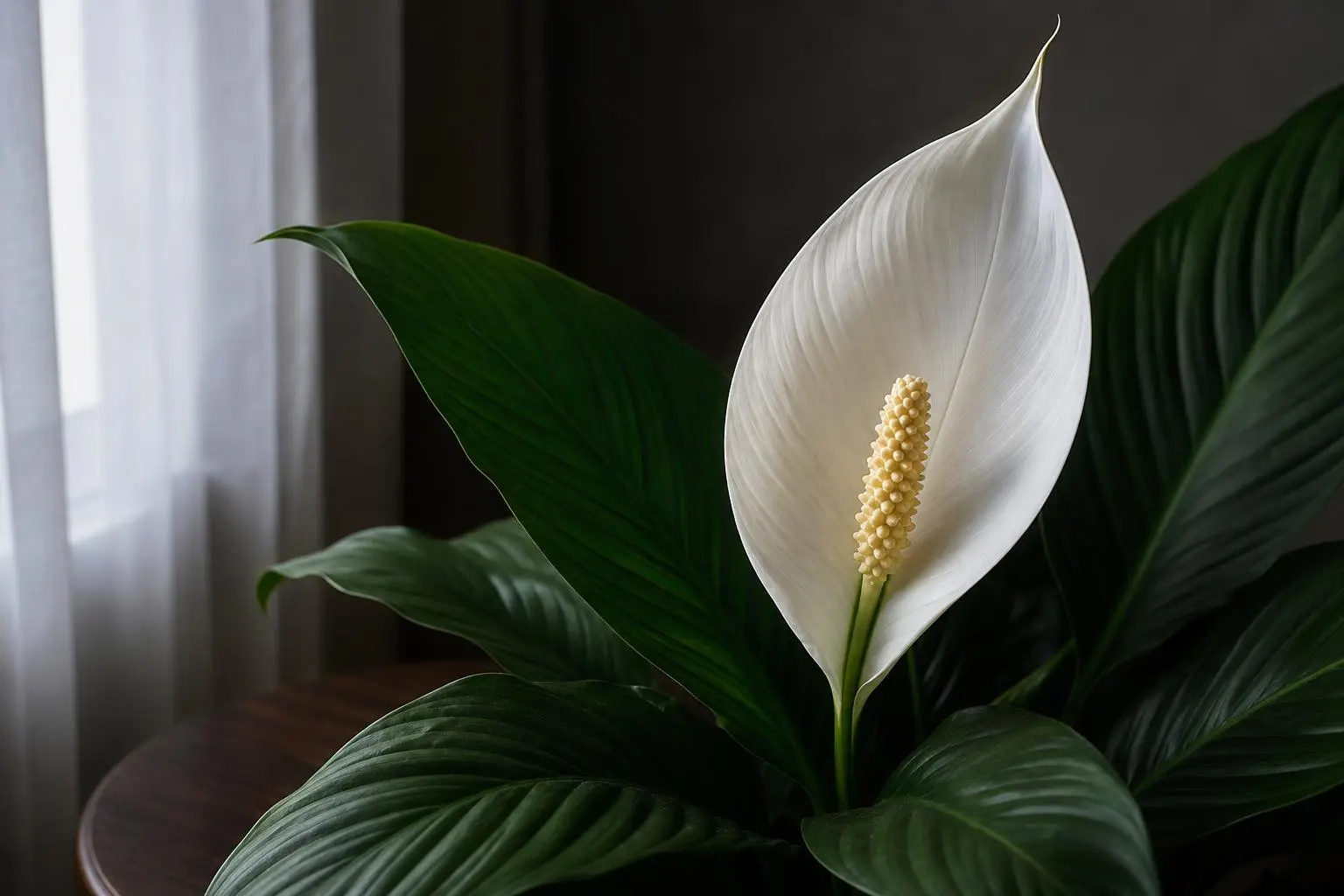
One of our Peace Lilies sat in a decorative pot without drainage for months before we noticed the yellowing. By the time we checked the roots, half were mushy. After trimming and repotting into a terracotta pot with fresh soil, it bounced back in about three weeks — proof that early intervention works.
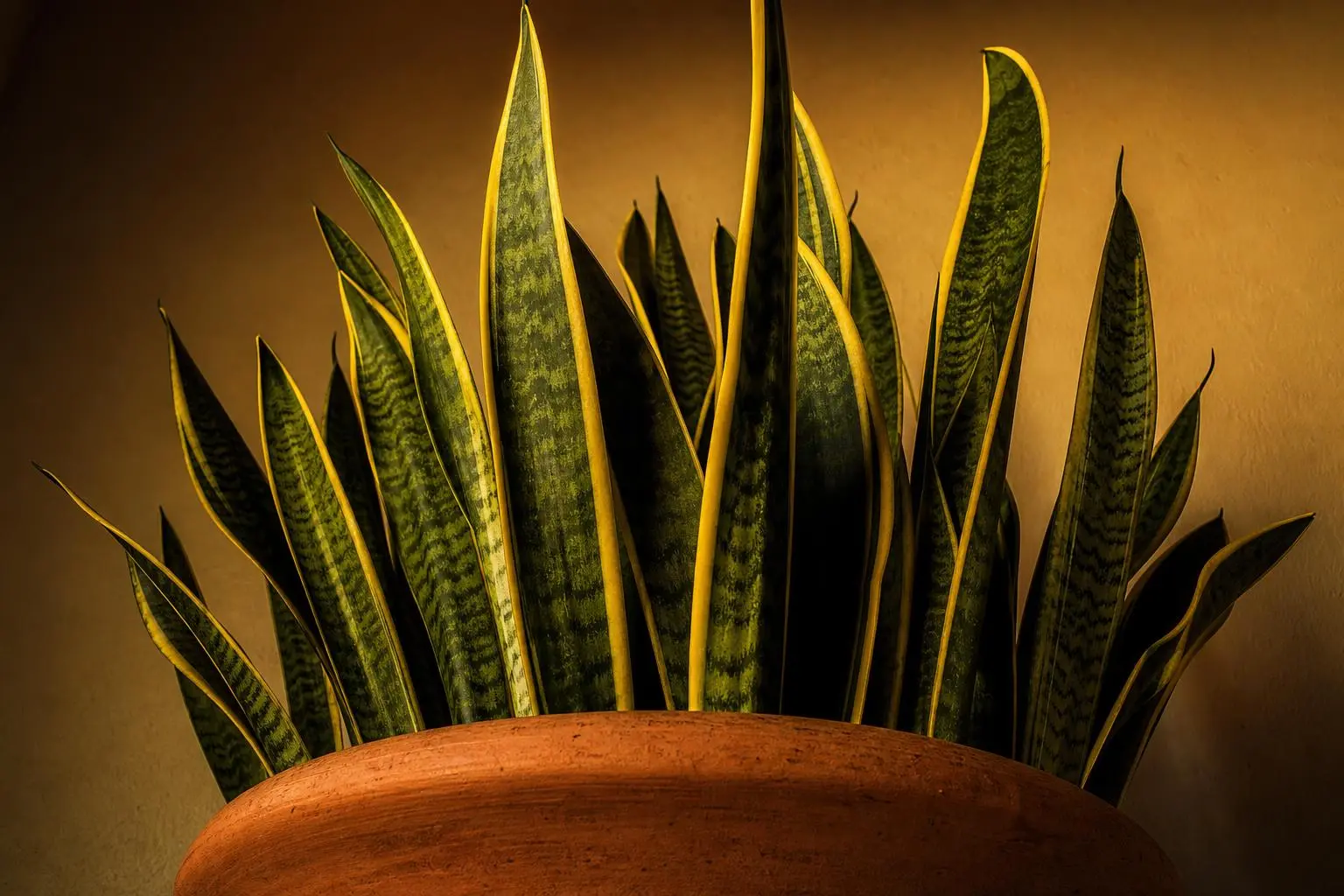
We use the "knuckle test" exclusively now: if the soil feels moist up to the second knuckle (about 2 inches deep), we hold off. For our Snake Plants and ZZ Plants, we wait until the soil is completely dry several inches down.
Prevention
- ✓ Always check soil moisture before watering — the finger test or a moisture meter works great
- ✓ Ensure every pot has drainage holes; use a saucer to catch runoff and empty it after watering
- ✓ Choose the right size pot — only 1–2 inches wider than the root ball when repotting
- ✓ Use well-draining potting mix; add perlite or orchid bark for plants prone to overwatering
- ✓ Water less in winter when growth slows and evaporation decreases
- ✓ Consider terracotta pots for moisture-loving plants — they allow the soil to breathe
Frequently Asked Questions
How can I tell overwatering from underwatering?
Can a plant recover from overwatering?
Should I repot an overwatered plant right away?
How long should I wait between waterings after rescuing an overwatered plant?
Are some plants more prone to overwatering than others?
References
Related Problems
Affected Plants
Related Guides
Symptom Checker
How to Fix an Overwatered Plant
Overwatering kills more houseplants than any other cause. The tricky part? The symptoms — yellowing, wilting, drooping — look just like underwatering. Here's how to tell the difference and fix it.